Protein is essential for your body. It repairs and grows your muscle tissue. You need enough protein to support your muscle. Natural food sources are superior for building muscle compared to supplements alone. Whole foods offer complete nutrition. They provide fiber and micronutrients. These components work together. They create a stronger anabolic effect. This helps your muscle grow more effectively. If you engage in resistance training, you need about 1.2 to 1.7 grams of protein per kilogram of body weight daily. This can be 10% to 35% of your total daily calories. Optimal intake for increasing lean muscle mass is around 1.6 grams per kilogram of body weight. This guide introduces 15 natural high-protein foods. They help you build muscle sustainably. These foods suit various dietary preferences and meal types.
Key Takeaways
Eat enough protein to build muscle. Aim for about 1.6 grams of protein per kilogram of body weight each day.
Choose natural foods like lean meats, dairy, fish, and plant-based options. These foods give your body all the nutrients it needs.
Spread your protein intake throughout the day. Eat protein with meals and snacks to help your muscles grow and recover.
Combine different plant proteins if you eat plant-based. This ensures you get all the important amino acids for muscle building.
Lean Meats & Poultry for Muscle Building
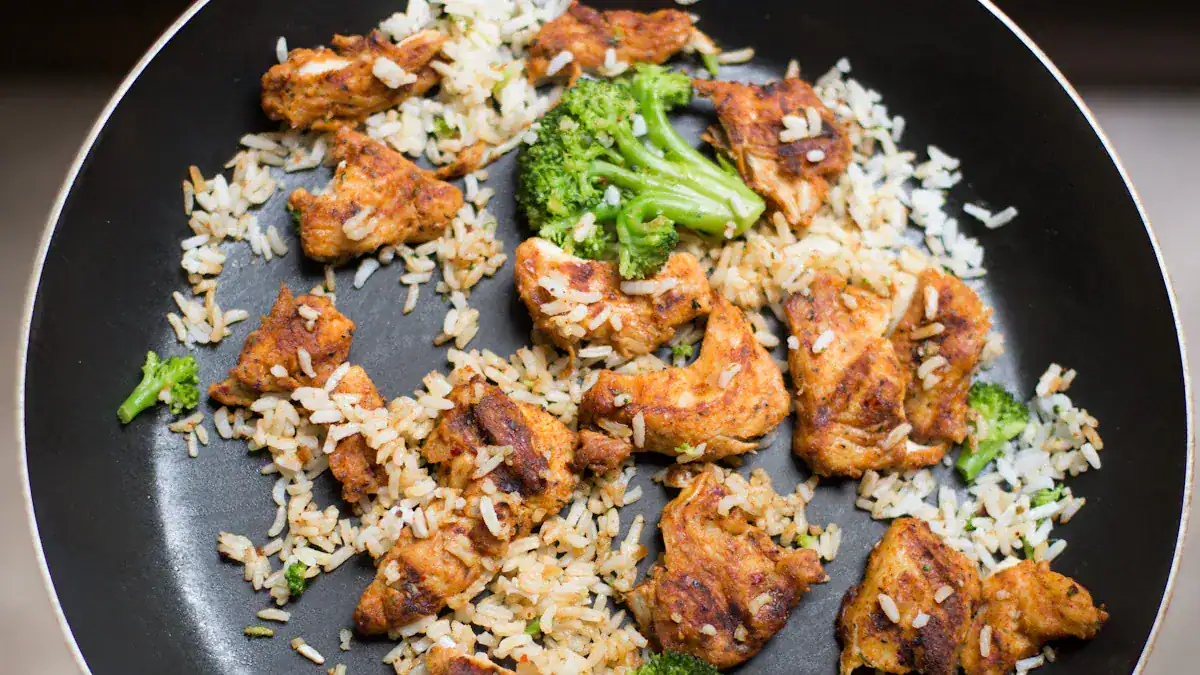
Lean meats and poultry are excellent choices for anyone focused on muscle building. They provide high-quality protein. This protein is crucial for repairing and growing your muscle tissue. It also helps you feel full, which can support weight management. Poultry meat, like other animal products, offers “high quality” protein. It has a great Protein Digestibility Corrected Amino Acid Score (PDCAAS). This means your body digests it well. It also has all the essential amino acids your body needs for muscle protein synthesis. Plant-based proteins often lack some of these key amino acids or are harder to digest. You should choose lean cuts to avoid unhealthy fats.
Chicken Breast
Chicken breast is a staple among athletes and fitness enthusiasts. It is one of the best high-protein foods. It is lean and versatile. You can cook it in many ways. A 100-gram serving of cooked, skinless chicken breast gives you about 32 grams of protein. This protein is complete. It contains all nine essential amino acids. These amino acids are vital for muscle repair and growth after your workouts. You can grill, bake, or stir-fry chicken breast. Add it to salads, sandwiches, or pasta dishes for a protein boost.
Lean Beef
Lean beef is another powerful protein source. It offers more than just protein. It provides iron, zinc, and B vitamins. These nutrients are important for energy production and overall health. A 100-gram serving of broiled, ground beef with 10% fat contains around 26 grams of protein. Lean beef typically has 22% to 26% protein when cooked. This complete protein profile supports muscle growth and recovery. You can enjoy lean beef in stir-fries, stews, or as a lean burger patty. Always choose cuts like sirloin, tenderloin, or round to keep fat content low.
Turkey Breast
Turkey breast is a lean and delicious alternative to chicken. It is also packed with protein. It is low in fat, especially when you remove the skin. A 100-gram serving of cooked turkey breast typically provides about 28 to 29 grams of protein. This makes it an excellent choice for your protein needs. Turkey breast also contains tryptophan, an amino acid that helps with sleep and mood. You can use sliced turkey breast in sandwiches. You can also roast a whole turkey breast for meal prep. Ground turkey is great for meatballs or chili.
Dairy & Eggs
Dairy products and eggs offer complete protein profiles. They are very versatile. You can easily add them to your diet. These foods provide all the essential amino acids your body needs. This makes them excellent for muscle growth and repair. Dairy proteins, like those found in milk, are particularly effective. They contain both whey and casein. Whey protein has a high amount of leucine. Leucine starts muscle protein synthesis. This helps your muscles recover after exercise. Casein protein digests slowly. It provides a steady supply of amino acids to your cells. This helps synthesize protein and reduces muscle breakdown. This anti-catabolic effect is important for maintaining muscle mass. A study showed that men who drank a casein protein shake before bed increased their type 2 muscle fiber size by 8.4 cm². This was much more than a training-only group. They also gained 20% more strength.
Eggs
Eggs are a powerhouse of nutrition. They are a complete protein source. This means they contain all nine essential amino acids. Your body needs these amino acids for muscle building. Eggs are also rich in vitamins and minerals. These include vitamin D, B vitamins, and choline. Choline supports brain health. You can enjoy eggs in many ways.
Egg Type (1 large egg) | Protein (g) |
|---|---|
Per large egg (68 grams) | 7.5 |
Microwave poached egg | 7.5 |
Fried egg (with 2 tbsp of sunflower oil) | 8.3 |
A large egg typically gives you about 7.5 grams of protein. This amount stays consistent whether you eat them raw or hard-boiled. A large, whole raw egg contains 6.3 grams of protein. A large, whole hard-boiled egg also contains 6.3 grams of protein. A large, whole fried egg has a slightly lower amount, at 6.26 grams. You can scramble eggs for breakfast. You can boil eggs for a quick snack. Add them to salads or sandwiches for extra protein.
Greek Yogurt
Greek yogurt is a thick, creamy dairy product. It is a fantastic source of protein. It also contains beneficial probiotics. These probiotics support gut health. You get about 9 grams of protein from 100 grams of plain Greek yogurt. This makes Greek yogurt a great choice for muscle building. Regular yogurt has less protein. For example, 100 grams of plain, whole milk yogurt contains 3.5 grams of protein. Greek yogurt is versatile. You can eat it plain. You can mix it with fruits and nuts. Use Greek yogurt as a base for smoothies. You can also use Greek yogurt in savory dishes. It makes a healthy dip or sauce. Choose plain Greek yogurt to avoid added sugars.
Cottage Cheese
Cottage cheese is a soft, fresh cheese. It is another excellent protein source. Many bodybuilders love cottage cheese. It contains casein protein. Casein digests slowly. This provides a sustained release of amino acids. This helps prevent muscle breakdown. Cottage cheese also offers calcium. Calcium is important for bone health. A half-cup serving of low-fat cottage cheese gives you around 12 to 14 grams of protein. You can eat cottage cheese on its own. Add fruit or honey for a sweet treat. You can also use cottage cheese in savory dishes. Mix cottage cheese with herbs for a quick spread. This cheese is a great snack before bed. It helps your muscles recover overnight.
Milk
Milk is a fundamental dairy product. It provides a balanced mix of protein, carbohydrates, and fats. This makes it ideal for muscle recovery and growth. One cup of whole cow’s milk with 3.25% fat gives you 8.14 grams of protein. One cup of 1% milk contains about 8 grams of protein. Milk contains both whey and casein proteins. Whey protein helps with immediate muscle repair. Casein protein provides a slower, sustained release of amino acids. This makes milk a complete protein source. You can drink milk after your workouts. Use milk in smoothies. Add milk to your oatmeal or cereal. You can also use milk in cooking and baking. This dairy staple supports your muscle-building goals.
Fish & Seafood
Fish and seafood are excellent protein sources. They offer high-quality protein. They also provide beneficial omega-3 fatty acids. These fatty acids are important for your health. They help reduce inflammation. They also aid in muscle recovery. Omega-3 supplementation, especially EPA and DHA, consistently reduces inflammatory markers. It prevents oxidation of muscle satellite cells. It also prevents muscle damage after exercise. This means you recover faster. It decreases inflammatory responses after exercise. You will see a reduction in IL-6 levels. It also reduces circulating muscle biomarkers like CK and LDH. This shows a positive effect on exercise-induced muscle damage. Omega-3s help decrease oxidative stress caused by exercise. EPA/DHA can decrease the production of inflammatory cytokines. They also decrease markers of muscle damage. Omega-3s contribute to antioxidant capacity. They decrease MDA levels. They also increase SOD activity. This helps maintain cell membrane integrity. Fish oil supplementation can lower blood markers of inflammation. It can also lessen delayed onset muscle soreness and muscle damage. DHA/EPA supplementation before eccentric bicep curl tests led to lower levels of the inflammatory cytokine interleukin-6 (IL-6). It also led to decreased loss of muscle strength. You will also experience reduced delayed onset muscle soreness three days post-exercise.
Salmon
Salmon is a fatty fish. It is famous for its high protein content. It also has a rich supply of omega-3 fatty acids. These fats are crucial for muscle growth. They also help reduce inflammation. This aids in your recovery after intense workouts. A 100-gram serving of cooked salmon provides about 20 to 25 grams of protein. It is a complete protein. This means it has all the essential amino acids your body needs. Salmon also contains vitamin D and B vitamins. These vitamins support bone health and energy production. You can bake, grill, or pan-sear salmon. Add it to salads. You can also serve it with roasted vegetables.
Tuna
Tuna is a convenient and lean protein source. It is a favorite for many people. You can find it fresh or canned. Canned tuna is especially easy to use. It is a quick way to add protein to your meals. According to FatSecret, 100 grams of canned tuna in water contains 25.51 grams of protein. The Nutrition Facts Search Tool reports that 100 grams of canned tuna provides 20.1 grams of protein. This makes tuna a very protein-dense food. Tuna also contains omega-3 fatty acids. These fats support heart health and reduce inflammation. You can make a quick tuna salad. Add tuna to sandwiches or wraps. You can also flake tuna over a green salad for a protein-rich meal.
Shrimp
Shrimp is a low-calorie, high-protein seafood option. It is quick to cook. It is also very versatile. Shrimp provides a significant amount of protein. It has very little fat. This makes it an excellent choice for muscle building. 100 grams of steamed or boiled shrimp contains 26.5 grams of protein. Another source states that 100 grams of cooked shrimp contains 23.3 grams of protein. Shrimp also provides important nutrients. These include iodine, selenium, and vitamin B12. These nutrients support your metabolism and thyroid function. You can stir-fry shrimp with vegetables. You can grill shrimp skewers. Add shrimp to pasta dishes or salads for a lean protein boost.
Plant-Based High-Protein Foods
You can build muscle effectively with plant-derived protein sources. These foods are excellent for vegetarians, vegans, or anyone diversifying their protein intake. Plant-based proteins offer fiber and micronutrients. These nutrients support your overall health.
You might wonder how to get all essential amino acids from plants. You can use several strategies.
Protein Blending: Combine different plant proteins. Cereals lack lysine. Legumes lack sulfur amino acids. Mixing them creates a complete amino acid profile.
Fortification with Amino Acids: Enhance plant proteins with specific amino acids. Leucine, lysine, and sulfur amino acids can improve muscle building.
Increased Protein Intake: Eat larger amounts of plant proteins per meal. This helps meet your amino acid needs. It also overcomes lower anabolic capacity.
Supplementation with Limiting Amino Acids: Add leucine or branched-chain amino acids (BCAAs). These stimulate protein synthesis. They enhance whole-body protein synthesis in your muscles.
Here are more tips for plant-based eating:
Eat a Well-Balanced and Varied Diet: A diverse intake of whole plant foods ensures you get all essential amino acids.
Utilize Plant-Based Protein Powders: These can help you meet high protein goals. They are useful for bodybuilders or competitive weightlifters.
Be Mindful of Carbohydrate Content: Some plant protein sources, like beans, are high in carbs. Balance these with non-starchy options. Tofu and nuts are good choices.
Prioritize Whole Foods: Whole foods offer a better nutrient profile and complete protein.
Lentils
Lentils are a powerful legume. They are a fantastic source of plant-based protein. They also provide a lot of fiber. Fiber helps your digestion. It keeps you feeling full. One cup of cooked lentils contains 18 grams of protein. Another source confirms that a 1-cup (198-gram) serving of cooked lentils provides 17.9 grams of protein. Lentils also give you iron, folate, and manganese. These nutrients support your energy levels and blood health. You can add lentils to soups and stews. Make lentil curries. You can also use them in salads for a hearty meal.
Chickpeas
Chickpeas, also known as garbanzo beans, are another versatile legume. They offer a good amount of protein and fiber. One cup of cooked chickpeas contains approximately 14.5 grams of protein. Cooked chickpeas typically offer between 10 to 15 grams of protein per serving. Dried cooked chickpeas have a higher protein content. Chickpeas also provide iron, magnesium, and zinc. These minerals are important for muscle function and immunity. You can roast chickpeas for a crunchy snack. Make hummus for a dip. Add chickpeas to salads, wraps, or stir-fries.
Quinoa
Quinoa is a unique grain. It is one of the few plant-based complete proteins. This means it contains all nine essential amino acids. One cup of cooked quinoa provides approximately 8 grams of protein. Quinoa also offers a good amount of fiber. It gives you magnesium, iron, and B vitamins. These nutrients support energy production and bone health. You can use quinoa as a base for grain bowls. Add it to salads. Serve it as a side dish instead of rice.
Edamame
Edamame are young soybeans. They are a delicious and convenient source of plant protein. They are also rich in fiber and antioxidants. A cup of boiled, shelled edamame pods contains approximately 18.4 grams of protein. Here is a breakdown of nutrients in 100 grams of shelled edamame:
Nutrient | Amount per 100g |
|---|---|
Calories | 133 |
Total Fat | 6g |
Protein | 11g |
Carbohydrate | 8g |
Dietary Fiber | 4g |
Total Sugars | 2g |
Edamame also provides folate, vitamin K, and manganese. You can steam edamame pods for a quick snack. Add shelled edamame to salads, stir-fries, or grain bowls.
Tofu
Tofu is a popular soy product. It is a staple in many plant-based diets. Tofu is made from condensed soy milk. It is pressed into solid white blocks. It is an excellent source of protein. A half-cup (126g) of raw, firm tofu contains 21.8g of protein. This translates to approximately 17.3g of protein per 100g of firm tofu. Tofu also provides calcium and iron. These minerals are important for bone strength and oxygen transport. You can press and bake tofu until crispy. Marinate and grill it. Add tofu to stir-fries, scrambles, or curries. Its neutral flavor absorbs other seasonings well.
Hemp Seeds
Hemp seeds are small but mighty. They are a fantastic source of plant-based protein. They also provide healthy fats and fiber. Three tablespoons of hemp seeds give you a significant amount of protein.
Nutrient | Value |
|---|---|
Calories | 170 |
Fats | 13g |
Saturated fats | 2g |
Trans fats | 0g |
Cholesterol | 0mg |
Sodium | 0mg |
Carbs | 3g |
Net carbs | 0g |
Fiber | 3g |
Sugar | 0.5g |
Protein | 10g |
Hemp seeds also contain omega-3 and omega-6 fatty acids. These fats are important for heart health and reducing inflammation. They also provide magnesium, zinc, and iron. You can sprinkle hemp seeds over oatmeal or yogurt. Blend them into smoothies. Add them to salads for a nutritional boost. These high-protein foods are easy to incorporate into your daily meals.
High-Protein Snacks
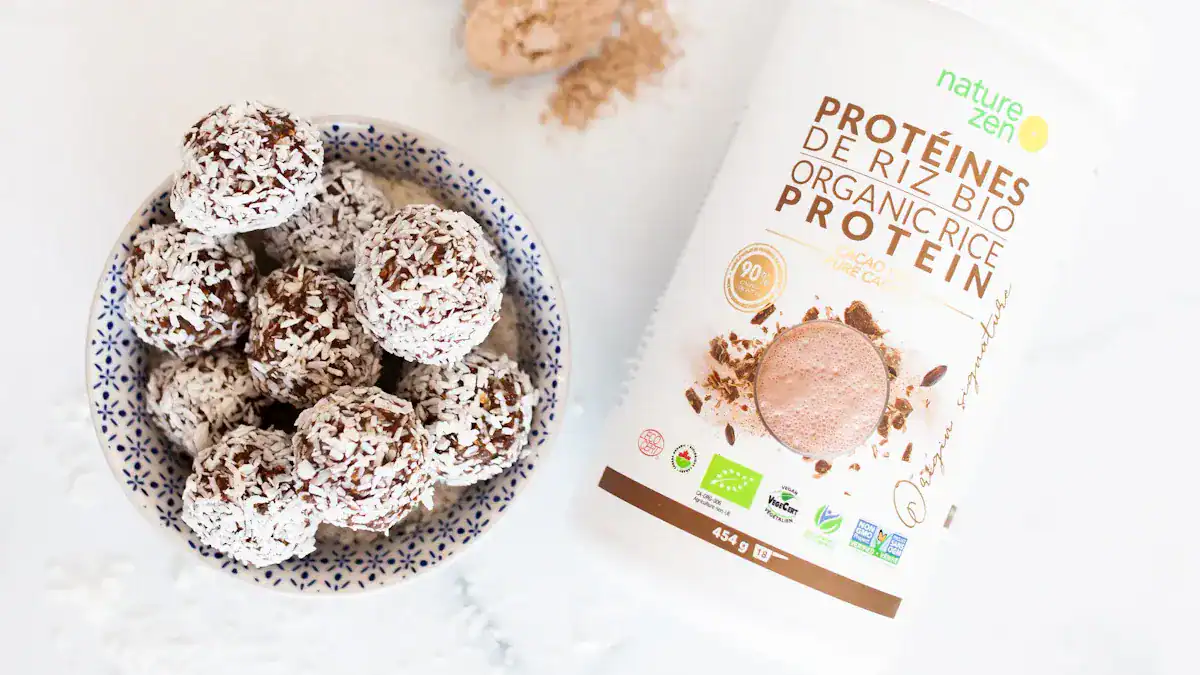
You need to fuel your body throughout the day. This helps support muscle growth. High-protein snacks are excellent for this purpose. They offer quick and convenient ways to boost your protein intake. Experts suggest you consume 20-40 grams of high-quality protein after your workout. This maximizes muscle protein synthesis. Regular protein intake supports the natural process of muscle breakdown and rebuilding. This happens even when you are not working out. Your muscles require protein to increase and maintain their mass. Eating a high-protein snack within 30 to 60 minutes after strength training can maximize muscle growth. It also enhances your recovery. Research shows your body can process about 20 to 40 grams of protein at one time. You benefit more by spreading protein intake throughout the day. Include meals and snacks with at least five grams of protein. This is better than eating all your protein in one or two large meals.
Nuts
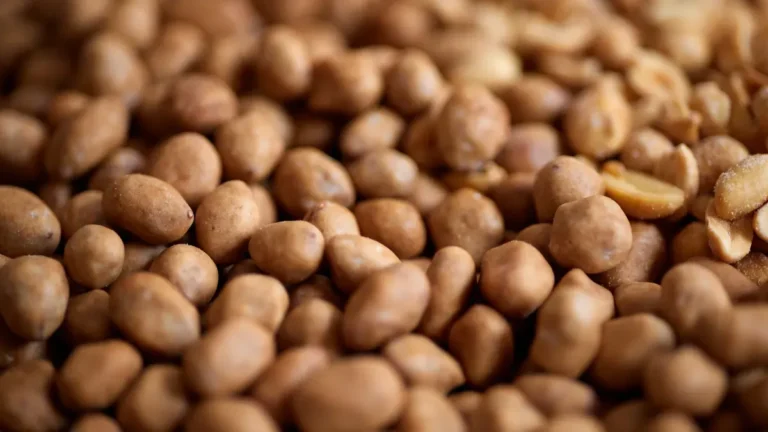
Nuts are a fantastic choice for a quick and easy high-protein snack. They are portable and packed with nutrients. You get about 2 to 7 grams of protein per ounce (30 grams) from nuts. A serving of 33.5 grams of mixed nuts contains 7 grams of protein. This translates to about 5.93 grams of protein per ounce. Beyond protein, nuts provide healthy fats. These fats are a major source of energy for your body. Healthy fats also help regulate your hormones. Monounsaturated fats are found in large amounts in nuts like almonds and pecans. Walnuts contain high concentrations of polyunsaturated fats. Walnuts are also an excellent source of copper. Copper is a mineral your body needs to produce enzymes for energy production. You can grab a handful of nuts between meals. Add them to your yogurt or oatmeal. They make a satisfying and nutritious snack.
Roasted Chickpeas
Roasted chickpeas offer a crunchy and delicious alternative for your high-protein snacks. They are easy to prepare and very satisfying. You can enjoy them as a savory treat.
Nutrient | Amount per 100g |
|---|---|
Calories | 355 |
Fat | 7.51g |
Carbs | 70.29g |
Protein | 22.37g |
As you can see, 100 grams of roasted chickpeas provides 22.37 grams of protein. This makes them a powerful protein source. Roasted chickpeas are a perfect, protein-packed snack. They are salty, smoky, and notably crunchy. They maintain their crunch for days. They serve as a fantastic high-fiber and high-protein substitute for potato chips. You can take them to work as a great mid-day snack. This highlights their convenience. You can season them with various spices. Try paprika, garlic powder, or chili powder. Enjoy them on their own. Add them to salads for extra crunch and protein.
You now know 15 natural high-protein foods. Consistently eating these high-protein foods helps you build muscle and supports your overall health. Remember, a balanced diet is key. Include these protein sources with complex carbohydrates and healthy fats. This gives you optimal energy, recovery, and muscle development. Experiment with these options. Find enjoyable ways to add them to your meals and high-protein snacks. Listen to your body’s needs. Proper nutrition and consistent training form the foundation. You will achieve your muscle mass goals.
FAQ
What is the ideal daily protein intake for muscle building?
You should aim for about 1.6 grams of protein per kilogram of body weight daily. This amount supports muscle growth and repair. Spread your protein intake throughout the day. Include it in your meals and snacks for the best results.
Can you build muscle effectively with only plant-based protein?
Yes, you can build muscle with plant-based protein. Combine various plant foods like lentils, beans, and grains. This ensures you get all essential amino acids. Plant-based protein powders can also help you meet higher protein goals.
When should you consume protein to maximize muscle growth?
You should eat protein throughout your day. Aim for 20-40 grams after your workouts. This maximizes muscle protein synthesis. Regular protein intake supports muscle repair and growth. Include protein in all your meals and snacks.
What does “complete protein” mean?
A complete protein contains all nine essential amino acids. Your body cannot make these amino acids. You must get them from food. Animal products like meat, eggs, and dairy are complete proteins. Some plant foods, like quinoa, are also complete.
Are protein supplements essential for muscle building?
Protein supplements are not always essential. You can meet your protein needs through natural, whole foods. Whole foods offer more nutrients and fiber. Supplements can be convenient. Use them if you struggle to get enough protein from your diet.