You want to know the normal range for creatinine in urine and what it means for your health. Creatinine is a waste product from your muscles. Your kidneys remove this creatinine from your body. Measuring creatinine helps assess your kidney function. Understanding these normal creatinine levels is important for your personal health awareness.
Chronic kidney disease affects 10% of the global population, and creatinine testing aids in early detection.
Key Takeaways
- Creatinine is a waste product from your muscles. Your kidneys remove it from your body. Measuring creatinine helps doctors check how well your kidneys work.
- Normal creatinine levels in urine change. They depend on your age, sex, and muscle size. Doctors use different ranges for men and women, and for 24-hour collections.
- Many things can change your creatinine levels. Your diet, how much water you drink, medicines, and exercise all play a role. Older people usually have lower levels because they have less muscle.
- High or low creatinine levels can mean different things. High levels might mean you have a lot of muscle. Low levels could mean less muscle or possibly kidney problems. A doctor must explain your results.
- Collecting your urine sample correctly is very important. Follow all instructions for a 24-hour collection. This helps ensure your test results are accurate.
Creatinine in Urine
What Creatinine Is
Creatinine is a waste product your muscles produce. It comes from the normal breakdown of creatine. Creatine is an amino acid derivative. Your body naturally produces creatine from other amino acids like glycine and arginine. This process starts in your kidneys, small intestine, and pancreas.
Then, it moves to your liver. In your liver, enzymes help convert it into creatine. Your muscle cells take up this creatine. There, it becomes creatine phosphate, which stores energy. Creatinine forms when creatine and creatine phosphate spontaneously convert in your muscle tissue. This conversion is a continuous process. Therefore, your body constantly produces creatinine.
Why Urine Creatinine Matters
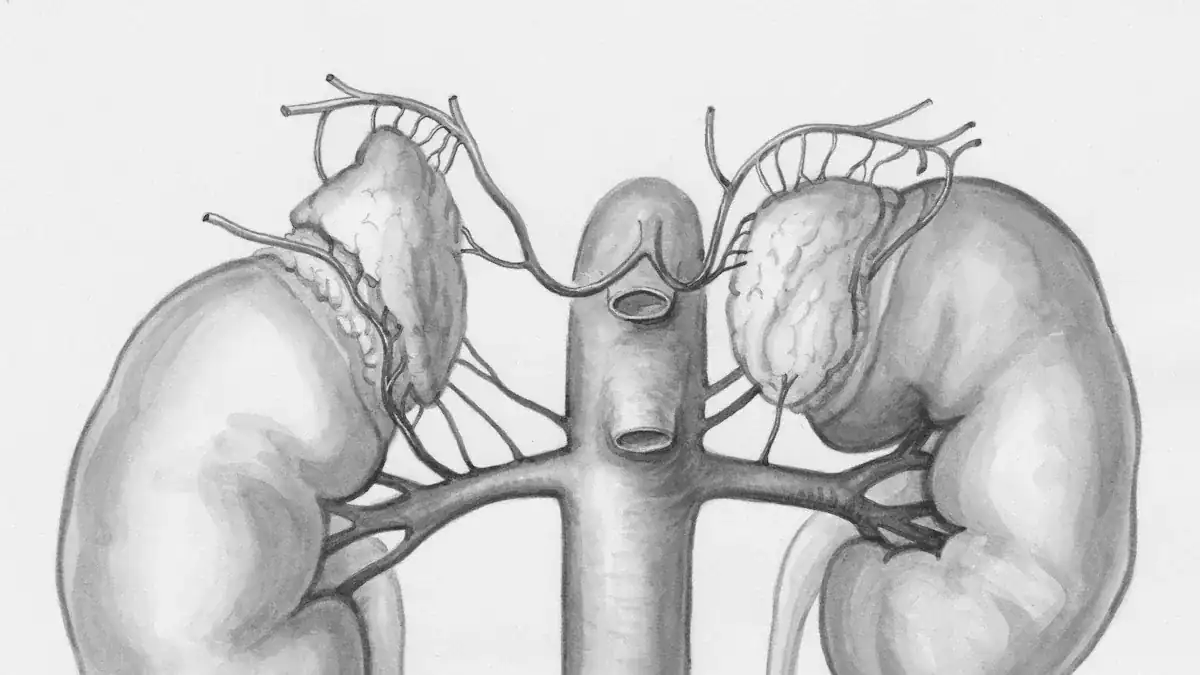
Measuring creatinine in urine helps doctors check your kidney function. Your kidneys are responsible for filtering waste products from your blood. Creatinine is one of these waste products. Your kidneys primarily remove creatinine from your blood through a process called glomerular filtration.
Some creatinine also leaves your body through proximal tubular secretion. Your kidneys do not reabsorb much creatinine back into your blood. If your kidney filtration is not working well, creatinine levels in your blood will rise.
Doctors use creatinine concentrations in your blood and urine to calculate creatinine clearance. Creatinine clearance helps estimate your estimated glomerular filtration rate (eGFR). The estimated glomerular filtration rate shows how well your kidneys filter blood. Under normal conditions, your body excretes all the creatinine it produces in your urine.
While urinary creatinine clearance is a good way to check kidney function, it can sometimes overestimate your actual GFR. This happens because of tubular secretion of creatinine. Other tests, like the urine albumin-to-creatinine ratio and urine protein-to-creatinine ratio, also provide important information about your kidney health.
Normal Creatinine Ranges
Normal creatinine levels in urine vary. They depend on your sex, age, and muscle mass. Different labs might also have slightly different normal ranges.
Here are some general normal ranges for creatinine in urine:
- For adult men: A normal urine creatinine level is generally less than 17 mg/g.
- For adult women: A normal urine creatinine level is generally less than 25 mg/g.
When doctors measure creatinine over a 24-hour period, the ranges are different:
- For adult males: Normal urine creatinine values typically range from 955 to 2,936 milligrams (mg) per 24 hours. This is about 0.8 to 1.8 grams per day.
- For adult females: Normal urine creatinine values typically range from 601 to 1,689 mg per 24 hours. This is about 0.6 to 1.6 grams per day.
You can also look at the average creatinine levels excreted per kilogram of body weight each day:
- The total creatinine excretion in a normal man averages 14 to 26 mg/kg/day.
- The total creatinine excretion in a normal woman averages 11 to 20 mg/kg/day.
Remember, children and older adults usually have less muscle mass than active adults. This means their urinary creatinine concentrations are often lower. Therefore, normal ranges for creatinine in urine can differ significantly for children and adolescents compared to adults. Your doctor will consider these factors when interpreting your creatinine levels.
Factors Affecting Creatinine Levels
Your urine creatinine levels can change due to many factors. These factors can cause variations even if your kidney function is normal. You should understand these influences.
Age and Muscle Mass
Your age and muscle mass significantly impact your creatinine excretion. As you get older, your muscle mass naturally decreases. This process is called muscle wasting. Since your muscles produce creatinine, less muscle means less creatinine production. This leads to lower creatinine excretion rates.
For example, studies show a decrease in creatinine excretion over time:
| Participant Group | Estimated Mean Decrease in CER Index (mmol/24 h per meter) over 10 years |
|---|---|
| Male Participants | 0.19 (SD 0.26) |
| Female Participants | 0.24 (SD 0.19) |
This reduction in creatinine production directly affects your creatinine in urine. Sarcopenia, which is age-related muscle loss, also leads to decreased urine creatinine levels. Research shows that people with sarcopenia have significantly lower 24-hour urine creatinine compared to those without it. This confirms the link between muscle mass and creatinine excretion.
Diet and Hydration
What you eat and drink also influences your creatinine levels. A high-protein diet can raise your creatinine levels. This happens because protein intake affects the body’s protein stores.
- Increased protein intake elevates creatinine and urea excretion.
- Your total protein intake, especially animal protein, correlates strongly with urinary creatinine excretion.
- Eating protein-rich foods can increase creatinine excretion by about 50%.
Your hydration status also plays a role. If you are dehydrated, your urine becomes more concentrated. This can affect the measurement of creatinine in urine. Increased water intake can decrease your urine creatinine concentration.
| Hydration Status | Sample Type | Creatinine Change | P-value |
|---|---|---|---|
| Increased water intake | 24-hour collection | Decreased by 20% | < 0.001 |
| Increased water intake (low habitual intake) | 24-hour collection | Decreased by 17% | < 0.02 |
| Increased water intake (high habitual intake) | 24-hour collection | Decreased by 23% | < 0.003 |
| Increased water intake | Morning urine | Not significantly changed | N/A |
This shows that more water intake generally lowers creatinine in urine.
Exercise and Activity
Your physical activity level also affects your creatinine levels. If you engage in moderate to intense physical activity, you likely have higher urinary creatinine levels. This is often due to having more muscle mass. Active individuals also tend to consume more protein and meat. These foods are precursors to creatinine production. This increased intake contributes to a larger muscular creatinine pool. Consequently, you will have greater urinary excretion of creatinine.
Interpreting Abnormal Creatinine Test Results
You receive your creatinine test results. Sometimes, your creatinine levels fall outside the normal range. This section explains what these abnormal results might mean for you.
High Urine Creatinine
If your urine creatinine is high, it often means you have a large muscle mass. Athletes or very muscular individuals often show high creatinine levels. You might also see high creatinine levels if you are dehydrated. Dehydration makes your urine more concentrated. Certain medical conditions can also cause high creatinine levels. These include some muscle disorders or conditions that increase muscle breakdown. However, high urine creatinine alone does not always indicate a problem. Your doctor will consider other factors.
Low Urine Creatinine
You might find you have low creatinine levels in your urine. This can happen for several reasons. If you have less muscle mass, you will naturally produce less creatinine. Older adults or people with muscle wasting conditions often have low creatinine levels.
Poor nutrition can also lead to low creatinine levels. If you have a very low protein diet, your body produces less creatinine. Sometimes, low creatinine levels can signal a problem with your kidneys. Your kidneys might not be filtering waste properly. This could indicate early kidney disease. A diluted urine sample can also show low creatinine levels. This happens if you drink a lot of fluids before your creatinine test.
Health Implications
Abnormal creatinine levels in your urine are important. They can be a sign of underlying health issues. For example, consistently low creatinine levels might suggest kidney disease.
Your doctor will look at your overall health. They will consider other blood and urine tests. They will also review your medical history. This helps them understand why your creatinine in urine is abnormal. Do not try to interpret these results yourself. Always consult a healthcare professional. They provide an accurate diagnosis and the right medical advice.
The Creatinine Test Process
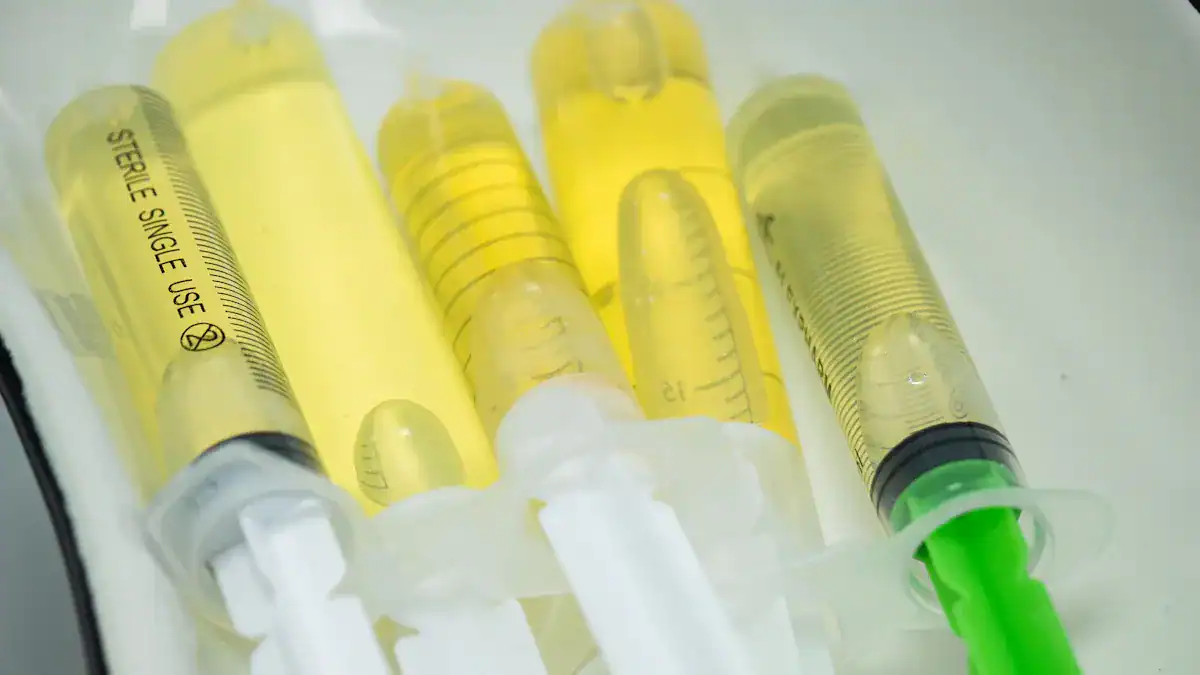
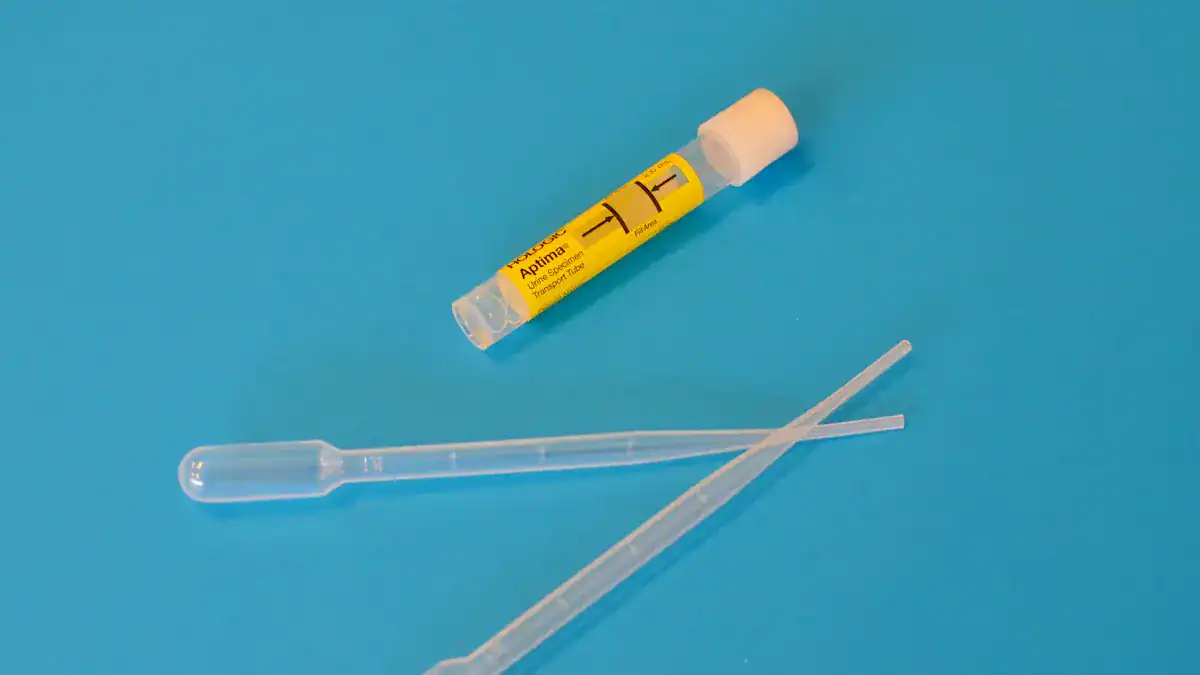
You need to understand how to collect a urine sample for creatinine measurement. This is especially true for a 24-hour collection. Proper collection ensures accurate results.
Preparing for Collection
Before you start your urine collection, you must prepare. Inform your doctor about all medications you take. This includes prescription drugs, over-the-counter medicines, and any dietary supplements. Some substances can change your creatinine levels. Your doctor will tell you if you need to avoid any of them. They might also suggest avoiding certain foods or drinks before your creatinine test. This step is crucial for accurate testing creatinine levels.
Accurate Sample Collection
A 24-hour urine collection requires careful steps. You will receive a special container for collection.
- Start Time: In the morning, urinate into the toilet and flush it away. This marks the beginning of your 24-hour collection. Record the exact date and time.
- Collect All Urine: For the next 24 hours, collect all urine you pass. Use the provided container. Do this day and night.
- Avoid Contaminants: Do not let toilet paper, stool, or other materials get into the sample.
- Maintain Routine: Keep your usual diet and fluid intake. Do not drink alcohol before or during the collection. Avoid exercising before this test. Tell your healthcare provider if you are pregnant.
- Keep It Cool: Store the collected urine in a refrigerator. You can also use a cooler with ice. The urine must stay cold at all times. This helps preserve the sample.
- End Time: Collect your final urine sample exactly 24 hours after you started. Record this date and time.
Why Proper Collection Matters
Collecting your urine sample correctly is very important. Incomplete collection, or undercollection, is a common problem. When you do not collect all your urine, the measured creatinine values will be too low. This means the results will not show your true creatinine excretion. This inaccuracy affects calculations like creatinine clearance. An incomplete sample can lead to misleading results about your kidney function. Therefore, follow all instructions carefully for your creatinine test.
You now understand normal creatinine ranges. They are important for your kidney function. Your age, diet, and activity affect your creatinine. A creatinine test is just one tool. It helps assess your overall kidney function. Always talk to a doctor about your creatinine levels. They interpret your creatinine test results. Take charge of your health. Monitor your creatinine.
FAQ
What is the main reason doctors measure creatinine in your urine?
Doctors measure creatinine in your urine to check how well your kidneys filter waste. Your kidneys remove creatinine from your blood. This test helps estimate your kidney function. It shows if your kidneys are working efficiently.
What does a high urine creatinine level usually indicate?
A high urine creatinine level often means you have more muscle mass. Athletes or very muscular people may show higher levels. Dehydration can also make your urine more concentrated, leading to higher readings. It does not always mean a health problem.
What does a low urine creatinine level usually indicate?
A low urine creatinine level can mean you have less muscle mass. Older adults or people with muscle wasting may have lower levels. Poor nutrition or a very low protein diet can also cause this. Sometimes, it can suggest kidney issues.
What is the difference between a 24-hour urine collection and a single urine sample for creatinine?
A 24-hour urine collection gathers all your urine over a full day. This gives a more accurate picture of your kidney function. A single urine sample measures creatinine at one moment. Doctors often use the 24-hour collection for a complete assessment.