


Right hand swelling can be a common and concerning issue. You might notice your hand looks swollen or feels puffy. This condition, also known as oedema, means fluid builds up in your tissues. The appearance of this hand swelling varies greatly. Understanding its causes helps you find effective relief. It also tells you when to seek medical advice for your swollen hands.
Key Takeaways
Right hand swelling happens when fluid builds up in your tissues. Injuries, inflammation, and body-wide health problems can cause it.
You can often reduce swelling at home. Use the RICE method: Rest, Ice, Compression, and Elevation. Gentle exercises and drinking water also help.
Some lifestyle choices can cause swelling. Eating too much salt or not moving enough can make your hands swell. Staying active and drinking water helps prevent this.
See a doctor if your hand swelling is severe, painful, or does not go away. Also, seek help if you have a fever or trouble moving your hand.
Common Causes of Right Hand Swelling
Injuries and Trauma
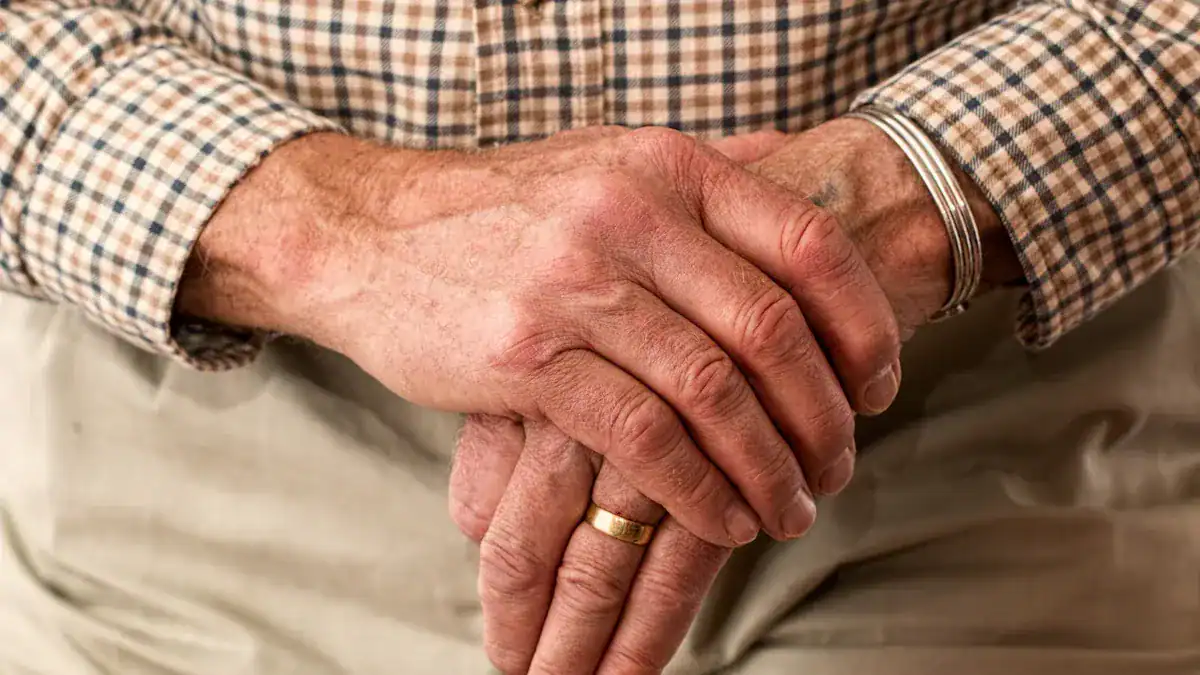
Right hand swelling often begins with an injury or trauma. These are common causes of hand swelling. You might experience a direct impact or repetitive stress. These events can lead to various types of trauma. For example, tendinitis, an inflammation of a tendon, causes swelling in the surrounding soft tissue.
De Quervain’s Tenosynovitis involves irritation and swelling of tendons from your wrist to your thumb. This often happens from repetitive movements. Stenosing Tenosynovitis, also known as Trigger Finger, causes swelling of flexor tendons in your fingers. Activities like playing instruments or using hand tools can cause this. Capsulitis, an inflammation of the joint capsule, especially in your thumb from overuse like texting, leads to pain and stiffness. Muscle or tendon strains, which are overstretching or tearing, also result in swelling. Traumatic injuries, such as crushing injuries or broken bones, cause fluid to rush to the area as your body heals.
If you experience right hand swelling due to trauma, immediate first aid helps. You should rest the injured hand. Apply ice packs for 15-20 minutes periodically. Do not place ice directly on your skin. Elevate your hand above the level of your heart. This minimizes blood pooling and reduces swelling. You can prop your hand on pillows. Immediately remove any jewelry, like rings and bracelets.
This prevents them from restricting blood flow if more swelling occurs. Compression with a bandage or hand brace can also stabilize the hand and reduce swelling. Non-steroidal anti-inflammatory drugs (NSAIDs) like ibuprofen can help with pain and inflammation. Always consult a doctor before taking medication.
Inflammatory Conditions
Inflammatory conditions are another significant cause of hand swelling. Arthritis of the hand is a common example. It often presents with pain, stiffness, and sometimes deformity.
You might notice this swelling more in the morning. Inflammatory Osteoarthritis of the Hands affects about 10% of the general population. Rheumatoid Arthritis affects about 1% to 2% of the population worldwide. For women over 55, this rate can be approximately 5%. These conditions are important causes of hand swelling.
Diagnosing these conditions involves looking for specific signs. Palpation helps identify soft tissue swelling and fluid around joint capsules. This indicates edema and inflammatory cell influx. You need to differentiate this from noninflammatory bony hypertrophy, like Heberden’s and Bouchard’s nodes in osteoarthritis. Morning stiffness and a history of swelling suggest an inflammatory process. However, noninflammatory conditions like fibromyalgia can also have these symptoms. In fibromyalgia, swelling is often subjective; you won’t see objective signs of synovitis.
Rheumatoid extensor tenosynovitis is often clear in established cases of rheumatoid arthritis. It can look like a dorsal ganglion but is usually broader and flatter. The ‘Tuck’ sign, where maximal digital extension causes an infolding at the swelling’s distal edge, helps tell them apart.
Rheumatoid nodules are specific to rheumatoid disease. You often find them over the olecranon or at other pressure points like finger and thumb pulps. Gout is another inflammatory condition. It involves high uric acid levels and crystal deposits. In acute phases, this causes an inflammatory reaction, leading to pain and swelling in finger joints. This might resemble an infection. Chronic cases can develop large deposits called tophi in finger pulps. Your hands can become quite swollen.
Systemic Conditions Causing Swollen Arms and Hands
Systemic conditions can also cause swollen arms and hands. These conditions affect your entire body.
They often involve your heart, kidneys, or liver. When your heart pumps ineffectively, fluid can build up in your extremities. Kidney or liver disease impairs fluid balance, leading to fluid retention. Low protein levels, known as Hypoalbuminemia, cause fluid to leak into tissues. These issues can result in significant puffiness.
Hyponatremia is a serious condition. It involves low sodium levels in your blood. If you experience hand swelling during exercise, especially with other symptoms, hyponatremia requires immediate medical treatment. Some fluid retention, or oedema, can resolve on its own. However, if you have persistent or concerning swollen arms and hands, you should seek medical advice. These are common causes of swollen arms and hands.
Lifestyle and Environmental Factors
Your lifestyle and environment also contribute to right hand swelling. Heat edema is one example. Warm or hot temperatures cause your blood vessels to dilate. This results in fluid pooling in your body, including your hands. Hot weather can cause finger puffiness. This fluid retention typically subsides as your body gets used to the heat. High salt intake also increases the risk of heat edema. It draws fluids into your legs and hands. A diet rich in salt causes your body to retain water to dilute the salt. This leads to puffiness in your hands and fingers, which can last for a day or two. Reducing dietary sodium is a primary management step.
Exercise-related hand swelling is another common occurrence. During exercise, your blood vessels expand due to increased body temperature. This is similar to what happens in hot weather. There is no proven method to prevent most exercise-related fluid retention.
Unhealthy eating behaviors and low physical activity can induce inflammatory processes in your body. A diet high in sweets, especially sugary drinks, increases inflammatory markers like TNF-α and IL-6. High sugar intake promotes elevated levels of interleukin 6 (IL-6). Consumption of large amounts of fructose in processed foods links to an increased risk of coronary heart disease, obesity, insulin resistance, and type 2 diabetes. A low carbohydrate diet can reduce TNF-α levels. A low glycemic index anti-inflammatory diet can significantly reduce inflammatory markers.
Keeping your body active, avoiding prolonged sitting, and regular exercise encourage fluid circulation. This reduces fluid accumulation. Stretching your wrists and arms, raising your hands above your head, and resting your hands on a table can help. Drinking plenty of water helps maintain fluid balance. It aids circulation and prevents fluid retention. These lifestyle factors are important causes of hand swelling.
Relief for Swollen Hands: Home Remedies
You can often ease swelling yourself with simple home remedies. These methods help reduce discomfort and promote healing. Knowing how to apply these techniques correctly makes a big difference.
RICE Method and Elevation
The RICE method is a well-known first-aid approach for injuries that cause swelling. It stands for Rest, Ice, Compression, and Elevation. You can use this method to manage your hand swelling effectively.
Rest: Give your hand a break. Avoid activities that worsen the pain or swelling. Resting helps your body begin the healing process.
Ice: Apply ice to the swollen area. This reduces inflammation and numbs pain. You should apply ice packs for 15 to 20 minutes at a time. During the first 48 hours after an injury, apply ice every 1 to 2 hours. Make sure your skin returns to normal temperature before you reapply ice. Aim for at least a 20-minute break between applications. You can also follow a schedule of 20 minutes on and 40 minutes off, repeating as needed. Continue applying ice several times each day until your pain and swelling subside. Wait two hours before your next session.
Compression: Gently wrap your swollen hand with a compression bandage. Do not wrap it too tightly. The bandage should provide support without cutting off circulation. Compression wraps or compression gloves are helpful tools. They reduce fluid buildup and offer gentle support.
Elevation: Keep your hand elevated above your heart. This helps drain excess fluid away from the swollen area. You can prop your arm and hand on pillows while you rest or sleep. This simple action significantly reduces swelling.
Over-the-Counter Solutions
You can find several over-the-counter (OTC) options to help with pain and swelling. These solutions offer temporary relief.
Nonsteroidal anti-inflammatory drugs (NSAIDs) are very effective. They help relieve hand pain by blocking enzymes that cause pain and swelling. Common OTC NSAIDs include ibuprofen (like Advil or Motrin) and naproxen (like Aleve). These medications reduce inflammation. Acetaminophen (like Tylenol) primarily blocks pain messages in your brain. It is less effective when inflammation is a major cause of your swelling.
Topical NSAIDs are also available. These are creams or gels you apply directly to your skin. Diclofenac (like Voltaren) is an effective topical NSAID. It calms inflammation and relieves pain. Topical NSAIDs often pose fewer risks for long-term use compared to oral NSAIDs.
Other topical creams can also help.
Anti-inflammatory creams use ingredients like arnica to reduce swelling.
Counterirritating creams use menthol and camphor to cool your skin. Bengay’s Ultra Strength Pain Relief Cream contains salicylates, camphor, and menthol.
Salicylates are a type of NSAID found in some creams. They block enzymes in the inflammation process.
Numbing creams use lidocaine, a local anesthetic, to numb pain.
Gentle Exercises and Massage
Gentle movement and massage can help reduce stiffness and improve circulation in your swollen hands. These actions alleviate pain and swelling.
Gentle Hand Exercises: Slowly open and close your hand. Make a fist and then straighten your fingers. Repeat these movements several times.
Finger Stretches: Gently stretch each finger individually. Extend your fingers as far as comfortable. Hold the stretch for a few seconds.
Strengthening Movements: Squeeze a soft ball or a stress ball. This helps strengthen your hand muscles. Do not overdo it if you feel pain.
Gentle Massage: You can gently massage your swollen hand. Use light strokes to move fluid away from the swollen area. Always massage towards your heart. For swollen thumbs, try joint distraction. Grasp the base of your painful thumb with your opposite hand. Gently pull your thumb. Hold the pull for 30 seconds, then release. This can help ease swelling.
Hydration and Temperature Control
Proper hydration and temperature management play a role in reducing hand swelling.
Drinking enough water influences the amount of fluid your body retains. Your lymph fluid is mostly water. A well-hydrated body maintains thinner lymph. This allows tiny vessel pumps to contract efficiently. Adequate water intake signals your kidneys to reduce sodium. This prevents more fluid from entering your tissues. Water is also crucial for cellular repair. Modern studies show that drinking enough water can help reduce extracellular fluid.
You can also use temperature changes to ease swelling.
Cold Water: Run your hands under cold water. This can help reduce inflammation and numb discomfort.
Ice Packs: As mentioned with the RICE method, ice packs are effective. They reduce swelling and pain.
Warm Shower: Sometimes, a warm shower can help. The warmth can improve circulation and relax muscles. However, if your swelling is due to acute inflammation, cold is usually more effective.
When to Seek Medical Attention for Hand Swelling
Sometimes, your right hand swelling needs more than home remedies. You must know when to seek professional medical help. Recognizing serious signs helps you get the right care.
Recognizing Red Flag Symptoms
You need immediate medical attention if you notice certain red flag symptoms with your swollen hands. Look for sudden or severe swelling that develops quickly. Pain or tenderness in the swollen area is a warning sign. Redness or warmth over the skin can mean an infection. Fever or chills also signal a possible infection. You might feel numbness, tingling, or weakness in your hand or arm. Difficulty moving your fingers or arm is concerning. Watch if the swelling spreads beyond your hand or does not improve. Shortness of breath or chest pain are very serious. These could suggest a blood clot has traveled to your lungs.
If you are pregnant and experience hand swelling, watch for other signs. Abdominal pain, severe headaches, seeing spots, vomiting, or blood in your urine could indicate preeclampsia. You need immediate medical care for these symptoms. Serious underlying conditions can cause these red flags.
Infections like cellulitis or deep abscesses cause rapid swelling. Blood clots, though less common in the hand, can cause swelling and pain. Autoimmune diseases like rheumatoid arthritis cause persistent hand swelling. Lymphedema, heart, kidney, or liver disease can also cause swelling. Severe allergic reactions cause rapid swelling of your hands and face.
Persistent or Unknown Origin of Hand Swelling
If your hand swelling persists, causes you concern, or its origin is unknown, you should consult a doctor. You might have tried home remedies, but the swelling remains. Perhaps you do not know why your hands are swollen. A general practitioner (GP) can assess your condition. They can help find the cause of your right hand swelling. They will guide you to the correct treatment for swelling.
Professional Treatment for Swelling
Doctors offer various professional treatments for swelling. They might prescribe diuretics, also known as water pills. These medications help your body remove excess fluid. Anti-inflammatory medications, like ibuprofen, reduce inflammation and pain. For arthritis-related swelling, you might receive specific medications. Braces or splints can support your hand. In some cases, surgery might be necessary. Apixaban (Eliquis) is a prescription anticoagulant. Doctors use it for peripheral edema, including hand swelling, if blood clotting is the cause. This medication helps prevent blood clots.
It comes in 2.5-mg and 5-mg tablets. Your doctor determines the specific dose. Common side effects include increased bleeding. More severe side effects, like bleeding gums or chest pain, need immediate medical attention. Compression aids, such as specialized gloves, can also help reduce swelling. Lifestyle adjustments, like a low-sodium diet, are also suggested.
Long-Term Management and Prevention
Managing recurrent hand swelling involves several strategies. You can combine elevation, exercise, and compression for subacute hand edema after trauma. Manual Edema Mobilization (MEM) techniques can help with excessive swelling. Compression gloves, exerting gentle pressure, improve circulation.
Elevating your hand helps gravity drain fluid. Applying heat for 10-15 minutes softens hard swelling and increases blood flow. Gentle, non-painful active range of motion exercises create a natural pump for lymphatic drainage. Wear compression garments. Contrast baths (alternating hot and cold) reduce chronic inflammation. You can use NSAIDs for pain relief. Reduce salt intake to prevent water retention. Make ergonomic changes and lifestyle adjustments. Adjust chair height, change hand positions, and use splints. Practice good posture and take frequent breaks from repetitive motions. Elevating your hand above your heart helps reduce fluid pooling. Wearing compression gloves minimizes fluid buildup. Gentle hand exercises maintain flexibility. Staying hydrated helps your body maintain fluid balance. These steps help prevent future episodes of swollen hands.
You now understand the diverse reasons for right hand swelling. Identifying these underlying causes is crucial for effective management. For minor swelling, home remedies like RICE and gentle exercises often provide relief. However, if your swelling is persistent, concerning, or has an unknown origin, you must seek medical advice. Be proactive about your health. Consult a doctor for timely guidance and appropriate treatment.