

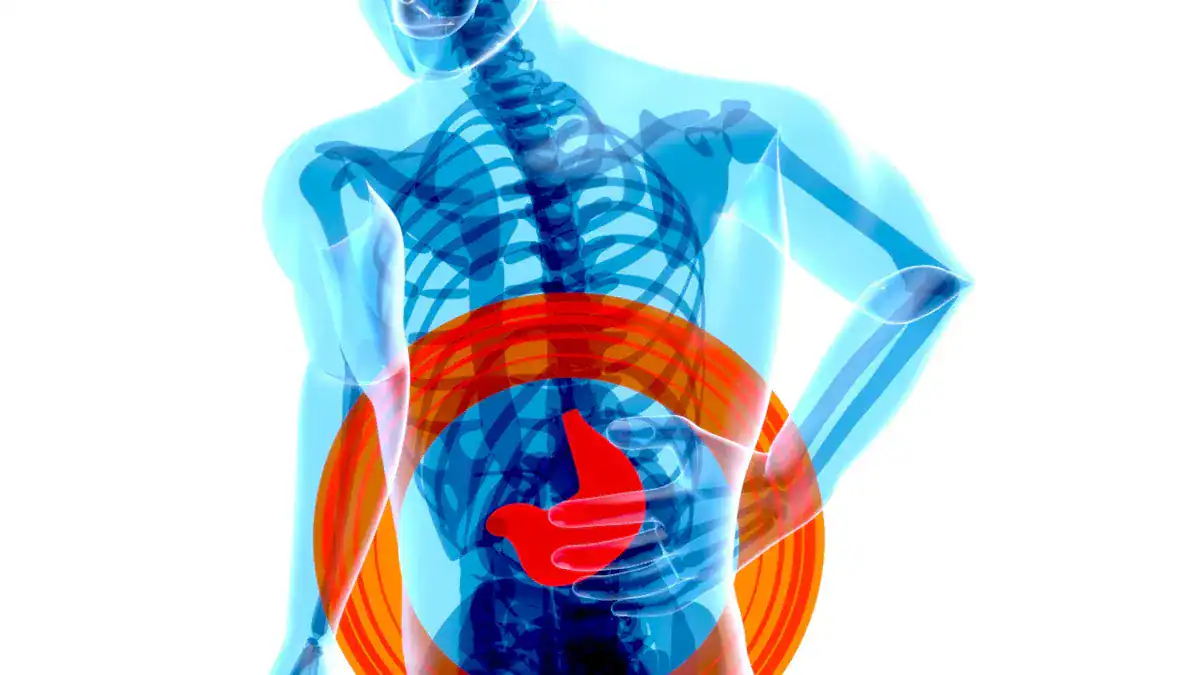
You may experience belly button pain, also known as periumbilical pain, as a common symptom. This pain can stem from many causes, ranging from minor issues to serious conditions. For example, common causes of periumbilical pain include gastroenteritis, peptic ulcers, or an umbilical hernia.
When you feel pain around the belly button, understanding its location, intensity, and any accompanying symptoms is crucial. This information helps identify the underlying issue.
Pain around the navel area, or any abdominal pain, requires careful attention. This post will explore various causes of belly button pain based on where you feel the pain in the abdomen and guide you on when to seek medical advice for your periumbilical symptoms.
Key Takeaways
Belly button pain can come from many places. It can be from simple issues like gas or serious problems like appendicitis.
Pay attention to where your pain is. Pain above the belly button can mean stomach problems. Pain below can mean issues with your bladder or female organs.
Seek medical help right away for severe pain. Also get help for fever, vomiting, or blood in your stool. These are important warning signs.
Do not try to figure out the problem yourself. A doctor can find the real cause of your pain. They can also give you the right treatment.
Pain Around the Belly Button (Periumbilical Pain)
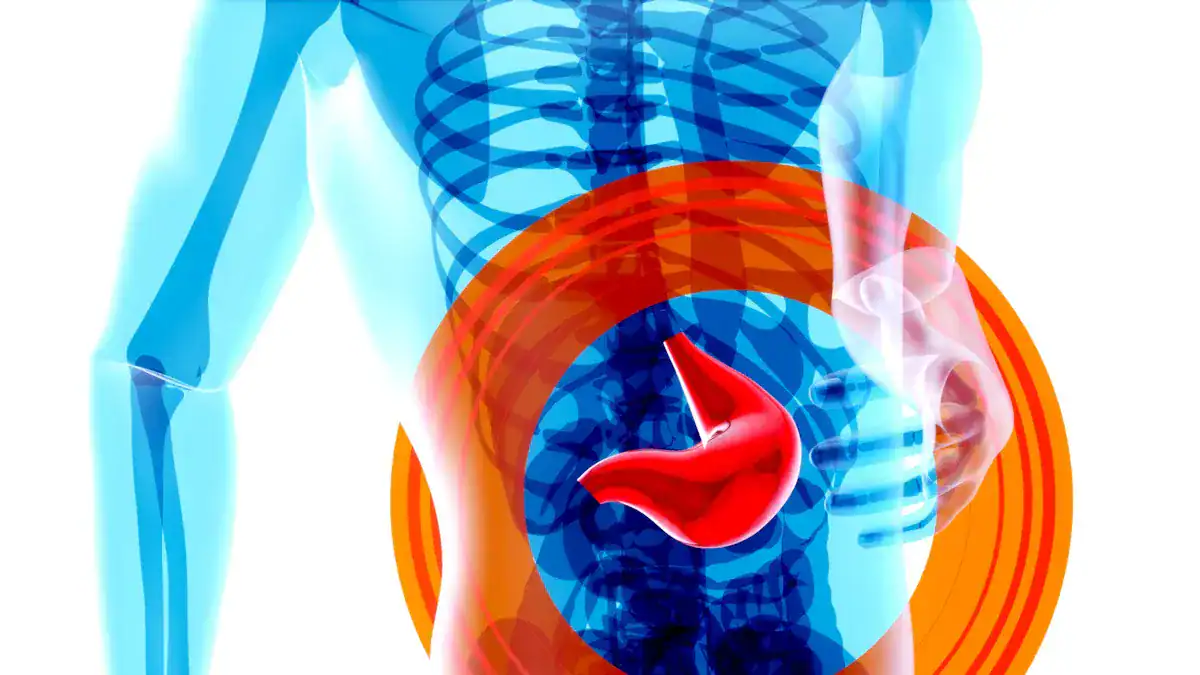
When you feel pain around the belly button, also known as periumbilical pain, it can signal various conditions. This type of abdominal pain often originates from issues within the small intestine, colon, or appendix. Understanding the specific characteristics of this periumbilical pain helps you identify its cause.
Common Digestive Issues
Many common digestive problems cause periumbilical pain. You might experience general stomachaches, which often present as diffuse pain around the belly button. Gastroenteritis, commonly known as the stomach flu, is a frequent culprit. This condition causes inflammation of your stomach and intestines. It leads to periumbilical pain, nausea, vomiting, and diarrhea.
Constipation also causes periumbilical pain. When stool builds up in your intestines, it creates pressure and discomfort. Gas trapped in your digestive tract can also lead to sharp or cramping pain around the belly button.
Irritable Bowel Syndrome (IBS) is another common condition causing periumbilical pain. IBS is a functional disorder. It affects how your digestive system works without causing lasting physical damage. You might experience abdominal pain, bloating, gas, and changes in bowel habits. These symptoms often come and go.
It is important to differentiate IBS from more serious conditions.
Feature | IBS | Other Conditions (e.g., Colon Cancer, IBD) |
|---|---|---|
Rectal Bleeding | Absent | Present (warning sign) |
Unexplained Weight Loss | Absent | Present (warning sign) |
Symptom Triggers | Stress, diet, hormonal changes | Persistent inflammation, immune system dysfunction |
Gluten Reaction | Not an autoimmune reaction | Autoimmune reaction (Celiac Disease) |
You should watch for certain warning signs that suggest a condition more serious than IBS:
Excessive, sudden weight loss
Intestinal bleeding or blood in stool
Constant and severe bouts of pain that start suddenly
Fever
Unexplained iron deficiency anemia
Swollen abdominal masses or lymph nodes
Onset of symptoms after the age of 50
In some cases, severe periumbilical pain can indicate a small bowel obstruction. This serious condition occurs when something blocks your small intestine. It prevents food and liquid from passing through. A small bowel obstruction requires immediate medical attention.
Umbilical Hernia
An umbilical hernia occurs when a part of your intestine pushes through the muscle wall near your belly button. This creates a bulge or lump around the navel. You might feel pain around the belly button, especially when you cough, strain, or lift heavy objects.
Umbilical hernias are common in newborns, babies, and young children. They are also common in adults. About 14% of all hernias are umbilical hernias. In children, umbilical hernias occur in about one out of every six infants. Most of these close on their own by the first year of life. The incidence in children older than one year is only 2-10%. Umbilical hernias are three times more frequent in adult females than in adult males. This results in an overall female-to-male ratio of 1.7:1. Only 1 in 10 adults with umbilical hernias carry the condition from childhood. About 90% of adults acquire them later in life due to issues with abdominal muscles.
Several factors increase your risk of developing an umbilical hernia:
Being overweight or obese increases pressure on your abdominal muscles.
Multiple pregnancies can weaken the abdominal wall.
Liver cirrhosis, which causes fluid buildup in the abdomen (ascites).
Chronic cough or chronic constipation, which involve frequent straining.
Lifting heavy objects regularly.
Older age, due to weakening muscles.
A family history of hernias.
If the hernia becomes trapped or loses its blood supply, it can cause severe periumbilical pain, nausea, vomiting, and a tender, discolored bulge. This is a medical emergency.
Early Appendicitis Symptoms
Appendicitis is an inflammation of your appendix. This condition often begins with periumbilical pain. The pain around the belly button can be dull and achy at first. It might come and go. This classic presentation of appendicitis, which includes periumbilical pain, occurs in about 50% of cases.
The pain typically shifts over time. Initially, appendicitis pain often starts around the belly button. It might fluctuate for several hours. Subsequently, the pain intensifies. After a few hours, it moves to the lower right abdomen. There, it becomes more focused and severe. This shift and intensification of appendicitis pain usually occurs over a period of 12 to 24 hours. However, this is not a strict rule. You might also experience other symptoms like loss of appetite, nausea, vomiting, and a low-grade fever. If you suspect appendicitis, seek immediate medical attention.
Causes of Pain Above the Belly Button
Pain above your belly button often points to issues in your upper digestive system. This area includes your stomach, pancreas, and gallbladder. Understanding these conditions helps you identify the source of your discomfort.
Stomach and Pancreatic Conditions
Conditions affecting your stomach can cause pain in this region. Gastritis, an inflammation of your stomach lining, often leads to a burning or aching sensation. You might also feel discomfort after eating.
When you experience severe abdominal pain, doctors might suspect pancreatitis. This is an inflammation of your pancreas. For a diagnosis of acute pancreatitis, doctors look for specific signs. They check your serum amylase and/or lipase levels. These levels must be at least three times the normal level. Imaging tests also show characteristic findings. Doctors use blood tests to diagnose acute pancreatitis. They also use ultrasound, CT, or MR imaging. These tests evaluate for complications and identify causes like gallstones.
Gallbladder Issues
Your gallbladder sits just below your liver. Problems with this small organ can cause significant pain above the belly button. Gallstones are a common culprit. These hard deposits can block bile ducts. This blockage leads to sharp, intense pain. You might feel this pain radiate to your back or right shoulder. Inflammation of the gallbladder, called cholecystitis, also causes similar pain. This pain often worsens after you eat fatty foods.
Acid Reflux and Ulcers
Acid reflux, or GERD (Gastroesophageal Reflux Disease), is a common cause of upper abdominal pain. It happens when stomach acid flows back into your esophagus. This causes a burning sensation, often called heartburn. You might feel this burning pain above your belly button. Globally, GERD impacts about 13.98% of adults. In North America, the prevalence is even higher, ranging from 18% to 28%.
Stomach ulcers are open sores that develop on the lining of your stomach. They cause a dull, burning pain. This pain often gets worse between meals or at night. Several factors cause stomach ulcers.
A common cause is Helicobacter pylori (H. pylori) infection. This bacterium can increase stomach acid and damage the stomach lining. Overusing nonsteroidal anti-inflammatory drugs (NSAIDs) also causes ulcers. Common pain relievers like aspirin or ibuprofen can block enzymes that protect your stomach.
This makes your stomach vulnerable to acid damage. Rare conditions like Zollinger-Ellison Syndrome also cause excessive stomach acid. Extreme physiological stress can also disrupt your stomach’s pH balance.
Lower Abdominal Pain Below the Belly Button

When you feel pain below your belly button, it often indicates issues within your lower digestive tract, urinary system, or reproductive organs. This type of abdominal pain requires careful attention to its specific characteristics.
Appendicitis and Diverticulitis
Both appendicitis and diverticulitis can cause significant lower abdominal pain. You might experience appendicitis pain that has shifted from around your belly button to your lower right abdomen. Diverticulitis, on the other hand, typically causes pain in your lower left abdomen.
Consider these differences in symptoms:
Pain Onset: Appendicitis pain often starts mild and worsens over hours. Diverticulitis pain can begin suddenly and severely.
Pain Location: You commonly feel appendicitis pain on the right side of your abdomen. Diverticulitis usually causes pain on the left side of your abdomen or pelvis.
Other Symptoms: With appendicitis, you might have abdominal swelling, constipation, or nausea. Diverticulitis can bring abdominal tenderness, fever, and chills. The incidence of nausea and vomiting is significantly less in diverticulitis (16.3%) compared to appendicitis (32.0% and 33.3% in different groups).
Urinary Tract and Kidney Concerns
Problems with your urinary system can also cause lower abdominal pain. Urinary tract infections (UTIs) are common. Bacteria, especially E. coli, cause most UTIs. This bacterium is responsible for over 90% of bladder infections. You might feel a burning sensation when you urinate or a frequent urge to pee.
Kidney stones can also cause severe pain. You might experience sharp, severe pain in your lower back, belly, or side. This pain often comes in waves. You could also feel sick to your stomach or throw up. Sometimes, you might see blood in your urine.
Gynecological and Pelvic Conditions
For women, several gynecological conditions can cause lower abdominal pain. Endometriosis affects 5-15% of women of reproductive age. This condition occurs when tissue similar to the lining of your uterus grows outside it. Ovarian cysts are also common. Nearly all premenopausal women have ovarian cysts. Up to 18% of postmenopausal women also have them. These cysts can cause discomfort or sharp pain if they rupture.
Pelvic inflammatory disease (PID) is another cause. This infection of your reproductive organs can lead to chronic pelvic pain. Doctors diagnose PID through medical history, pelvic exams, and various lab tests like blood and urine tests.
Inflammatory Bowel Disease
Inflammatory bowel disease (IBD) includes conditions like Crohn’s disease and ulcerative colitis. These conditions cause chronic inflammation in your digestive tract. The global incidence of IBD is 9.7 per 100,000 person-years.
Here are key differences between the two:
Feature | Ulcerative Colitis | Crohn’s Disease |
|---|---|---|
Location | Limited to the colon and rectum | Can affect any part of the digestive tract |
Pattern of Inflammation | Continuous inflammation | Patchy inflammation |
Depth of Inflammation | Affects only the innermost lining of the colon | Can impact all layers of the bowel wall |
You might experience persistent abdominal pain, diarrhea, weight loss, and fatigue with IBD.
Deeper Pain Behind the Belly Button
Sometimes, the source of your discomfort lies deeper within your body. This can cause a profound, often unsettling, sensation behind your belly button. You should pay close attention to these types of pain.
Aortic Aneurysm
An aortic aneurysm is a serious condition. It happens when a weak spot in your aorta bulges. The aorta is the main artery that carries blood from your heart to the rest of your body. An abdominal aortic aneurysm (AAA) can cause deep, throbbing pain behind your belly button. You might also feel this pain in your back or side.
Several factors increase your risk of developing an AAA:
History of tobacco use: Smoking significantly damages aortic walls.
Older age: Risk increases, especially if you are over 50 for males or over 65 for females.
Sex at birth: Males are more likely to develop AAAs.
Family history of AAA: A close relative with an AAA increases your personal risk.
High blood pressure: Chronic high blood pressure stresses artery walls.
Atherosclerosis: Hardening of the arteries weakens vessel walls.
A ruptured AAA is a medical emergency. The overall mortality rate for a ruptured abdominal aortic aneurysm is about 48.5%. This rate has remained high over the years. You need immediate medical attention if you suspect a rupture.
Kidney Stones and Referred Pain
Kidney stones are hard deposits that form in your kidneys. They can cause intense pain as they move through your urinary tract. This pain often starts in your back or side. It can then travel to other areas. This is called referred pain.
You might feel referred pain from kidney stones in several places:
Flank pain: This is common. You feel it just below your ribs on your back. This pain can extend to your lower abdomen and groin.
Side and back pain: You might feel pain directly above your hip bone.
Lower abdomen and groin discomfort: As the stone moves closer to your bladder, the pain shifts. Men might feel testicular pain. Women might feel pain in the labial area.
Many kidney stones can pass on their own. Stones measuring between 2 and 4 mm are very likely to pass without intervention. For stones larger than 5 mm, you might need medical help in about half of the cases.
When to Seek Medical Help for Belly Button Pain
Understanding when to seek medical help for belly button pain is very important. While many causes are minor, some situations require immediate medical attention. You should always pay close attention to your body’s signals.
Urgent Symptoms and Red Flags
Certain signs mean you need immediate medical attention. These are often called “red flag” symptoms. They point to a potential medical emergency. Do not ignore these signs.
Sudden, Severe Pain: You might feel abdominal pain that starts very suddenly. It can be intense, piercing, extreme, or unbearable. This kind of pain might make you double over.
Vomiting: If your abdominal pain comes with vomiting, especially if it is intense or lasts a long time, seek help. Vomiting blood is also a serious sign.
High Fever: Intense or persistent abdominal pain combined with a fever above 100.4 degrees Fahrenheit (38 degrees Celsius) needs urgent care. A fever over 99°F, along with severe pain in your lower right abdomen, a swollen stomach, loss of appetite, nausea, and vomiting, suggests appendicitis. This requires prompt medical evaluation.
Bloody Stools: If you see dark brown, black, or bright red streaks in your stool along with abdominal pain, get help right away.
Unexplained Weight Loss: Abdominal pain that lasts for a while, comes and goes, and includes unexpected weight loss is a red flag.
Inability to Keep Fluids Down: If you cannot keep fluids down due to vomiting, you need medical attention.
Abdominal Rigidity or Tenderness: If your stomach feels hard or very tender when touched, this is a sign of an emergency.
Difficulty Breathing or Chest Pain: These symptoms with abdominal pain also signal a medical emergency. Delaying treatment for such conditions can lead to life-threatening complications.
Persistent or Worsening Belly Button Pain
Sometimes, pain does not start as an emergency but gets worse or does not go away. This also means you need to see a doctor.
Pain That Increases Over Time: Severe abdominal pain near your belly button that gets worse over time is a concern. This is especially true if you also have a fever, nausea, and vomiting. These are classic symptoms of appendicitis.
Difficulty Moving, Eating, or Drinking: If your pain is so severe that you find it hard to move, eat, or drink, you need medical attention.
Unrelenting Pain: Pain that is severe and does not stop is a sign to seek help.
Pain with Movement: If your abdomen hurts any time you move, you should see a doctor.
Other Accompanying Symptoms: Pain near your belly button that comes with nausea, vomiting, constipation, a bulge in your abdominal wall, or bloating needs evaluation.
Pain During Pregnancy: Any unusual or severe abdominal pain during pregnancy requires immediate medical attention.
If your belly button pain becomes more than occasional, a professional evaluation is warranted. Do not ignore consistent discomfort, especially if it interferes with your daily life. Trust your instincts.
Seek evaluation if your symptoms persist. Any persistent pain in the belly button area should be evaluated by a healthcare provider. Medical attention is also necessary for any sign of infection or ongoing pain. These could point to conditions like UTIs or ulcers that need treatment.
Consulting a Healthcare Professional
When you experience concerning belly button pain, you might wonder when to see a healthcare provider. It is always best to consult a doctor if you have any of the symptoms mentioned above.
Gastroenterologists are medical specialists. They diagnose and treat abdominal pain. These doctors, also called GI specialists or abdominal pain specialists, have much experience. They can help find the cause of your pain.
They conduct examinations and order tests. These tests might include blood, urine, stool, imaging (like X-rays or ultrasounds), or endoscopy. After finding the cause, they determine your treatment options. These options may include medication, changes to your lifestyle, or surgery. Do not try to diagnose yourself. A healthcare professional can give you an accurate diagnosis and the right treatment plan.
Belly button pain, or periumbilical pain, comes from many sources. Its severity varies greatly. You must pay close attention to the pain’s location, intensity, and any accompanying symptoms. While many causes of periumbilical pain are minor, persistent or severe periumbilical pain needs medical evaluation. Red flag symptoms like fever, vomiting, or severe tenderness warrant prompt medical treatment.
Do not self-diagnose your abdominal pain or periumbilical discomfort. Consult a healthcare professional for accurate diagnosis and appropriate treatment plan for your pain around the belly button. They will guide your treatment and manage your periumbilical pain. This ensures proper care for any pain around your navel. Early treatment is key for many conditions causing periumbilical symptoms.