You have certainly experienced stomach gurgling. This common occurrence often causes no alarm. Scientists call these normal abdominal sounds “borborygmi.” In fact, a study showed that 60.5% of people reported hearing their stomach gurgling or rumbling within 24 hours. You might wonder what causes these abdominal noises.
You also want to know how to find relief. Crucially, you need to understand when this gurgling might signal something serious. This post gives you clear, actionable information. Many normal bowel sounds are perfectly harmless.
Key Takeaways
Stomach gurgling is usually normal. It happens when gas and food move through your digestive system.
Hunger, fast eating, and certain foods can make your stomach gurgle more. Eating slowly and avoiding gassy foods can help.
Sometimes, gurgling can mean a medical problem. Watch for pain, weight loss, or blood in your stool.
You can reduce gurgling. Eat regular meals, chew food well, and manage stress.
See a doctor if gurgling comes with severe pain, fever, or changes in bowel habits. These are important warning signs.
Stomach Gurgling
What is Borborygmi
You hear a rumbling or gurgling sound from your stomach. Scientists call this term borborygmi. This term describes the noise you hear. It comes from the movement of gas in your intestines. These are the same abdominal noises you might call stomach rumbling. The plural form is borborygmi. These abdominal sounds are often a normal part of your body working.
Digestion’s Role in Stomach Gurgling
Your digestive system constantly works. Muscular contractions of your intestinal wall push food, gas, and liquids through your stomach and small intestine. This movement creates rumbling sounds. Gas within your intestines also plays a role. You swallow air when you eat or talk.
This air contributes to the gurgling. Bacteria in your lower gut also ferment undigested food. This chemical process releases gases like hydrogen and carbon dioxide. These gases, along with fluids and muscle movements, amplify the gurgling. When your stomach is empty, no food dampens the noise. This makes the gurgling sounds more noticeable. Stronger contractions of your stomach wall, combined with compressed gas, create these sounds during digestion.
Normal Stomach Sounds
You might wonder if your gurgling stomach is normal. Most of the time, it is. Normal bowel sounds show your gastrointestinal tract functions properly. Your intestines are hollow.
This causes sounds to echo inside your abdomen. Think of it like sounds from water pipes. These bowel sounds simply mean your digestive system is active. They are a result of normal digestion. You do not need to worry about most gurgling.
Common Causes of Stomach Gurgling

Many everyday things can cause your stomach gurgling. These reasons are usually harmless.
Hunger and Stomach Growling
When you feel hungry, your stomach often makes noises. This is your body’s way of telling you it needs food. Your stomach muscles contract rhythmically. These contractions, called peristalsis, move liquids and gas.
This creates rumbling sounds. When your stomach is empty, no food muffles these sounds. This makes the stomach growling louder. Hormones like ghrelin signal hunger. This hormonal feedback is a key reason your gurgling stomach makes noise when you are hungry. You might notice this stomach growling more before meals. This type of stomach growling is very common.
Food and Drink Digestion
Your digestive system works hard after you eat. As food and liquids move through your stomach and intestines, they create sounds. This normal digestion process involves muscle contractions and fluid movement. These actions can lead to a gurgling stomach. The sounds simply show your digestive tract is active.
Swallowing Air
You might swallow air without realizing it. This happens when you eat, drink, or even talk. This swallowed air travels to your stomach and intestines. As this air moves through your digestive system, it can cause more bowel sounds. This extra gas contributes to the gurgling.
Fast Eating Habits
Eating too quickly can also make your stomach gurgle. When you rush your meals, you tend to swallow more air. This extra air increases the amount of gas in your stomach. This leads to louder and more frequent gurgling. Slow down your eating to reduce these noises.
Specific Foods and Beverages
Certain foods and drinks are more likely to cause a gurgling stomach. These items often produce more gas during digestion.
Sugars: Raffinose, found in beans, cabbage, and whole grains, can cause gas. Lactose, in milk products, also causes gas for some people. Fructose, in fruits like pears and onions, and sorbitol, in apples and diet foods, are other common culprits.
Fizzy Drinks: Carbonated beverages contain carbon dioxide bubbles. These bubbles increase gas in your digestive system. Artificial sweeteners in diet drinks can also cause bloating and gas.
Dairy and Protein Shakes: Milk and dairy products contain lactose. If you are lactose intolerant, these cause gas and bloating. Whey-based protein powders, a milk byproduct, can also cause gas.
Other Foods: Broccoli, Brussels sprouts, onions, mushrooms, and whole grains are common foods that cause gas. Chewing gum and certain cruciferous vegetables like cauliflower and kale also contribute to intestinal gas and increased bowel sounds.
Medical Conditions Affecting a Gurgling Stomach
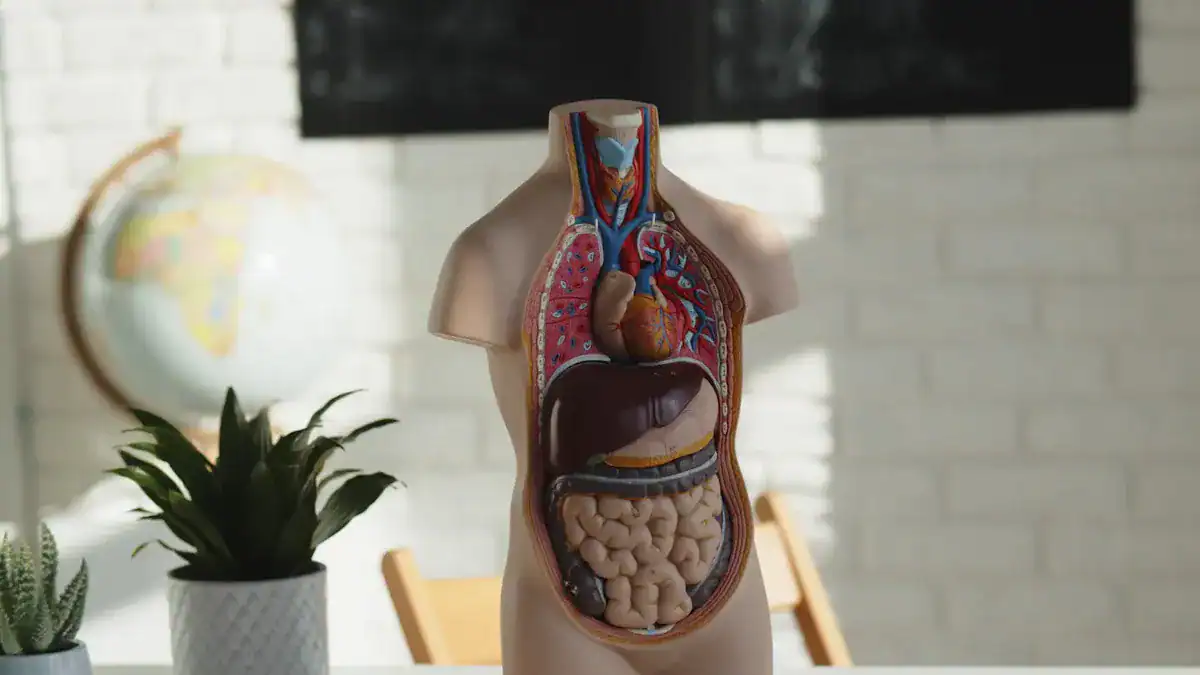
Sometimes, your gurgling stomach signals more than just hunger or digestion. Several medical conditions can cause increased bowel sounds.
Irritable Bowel Syndrome (IBS)
Irritable Bowel Syndrome (IBS) is a common condition affecting your digestive system. You might experience a gurgling stomach often with IBS. Your gut gurgles and churns. IBS causes abdominal cramps, which often feel better after you empty your bowels. You may notice changes in your bowel habits, like diarrhea, constipation, or switching between the two. Bloating and a swollen abdomen are also common.
You might feel an urgent need to go to the toilet or a feeling that you did not completely empty your bowels. Excessive wind and passing mucus can also occur. These symptoms, including increased intestinal gurgling, show your digestive system is not working as smoothly as it should.
Food Intolerances and Allergies
Food intolerances can make your stomach gurgle more. Your body might lack specific enzymes to digest certain foods. For example, if you have lactose intolerance, your body does not make enough lactase. Undigested lactose then travels to your large intestine.
Bacteria there break it down, producing gas and acid. This leads to gurgling, diarrhea, abdominal pain, and flatulence. Similarly, fructans in wheat or barley can be poorly absorbed. When these reach your large intestine, bacteria ferment them. This process creates gas, causing bloating, wind, and gurgling. Food allergies involve your immune system and can also cause digestive upset and gurgling.
Small Intestinal Bacterial Overgrowth (SIBO)
Small Intestinal Bacterial Overgrowth (SIBO) happens when too many bacteria grow in your small intestine. These bacteria produce extra gas as they digest food. This gas causes more stomach growling and other bowel sounds. You might also experience bloating and abdominal discomfort. Doctors can diagnose SIBO with a breath test. This test measures gases like hydrogen or methane that bacteria produce.
Indigestion and Dyspepsia
Indigestion, also called dyspepsia, can cause a gurgling stomach. This condition involves digestive discomfort in your upper abdomen. You might hear loud stomach growling or gurgling. Other symptoms include bloating, burping, gas, nausea, and acid reflux. These issues often happen after you eat.
Gastroenteritis
Gastroenteritis is an inflammation of your stomach and intestines. Infections from bacteria, viruses, or parasites cause it. When you have gastroenteritis, your gurgling stomach often comes with diarrhea. This condition speeds up the movement of contents through your digestive tract, leading to more audible gurgling.
Inflammatory Bowel Disease (IBD)
Inflammatory Bowel Disease (IBD) includes conditions like Crohn’s disease and ulcerative colitis. These are chronic inflammations of your digestive tract. IBD can cause excessive gurgling due to inflammation and altered digestion. You might also experience abdominal pain, diarrhea, and weight loss.
Other Gastrointestinal Issues
Other issues can also cause unusual bowel sounds. Conditions like celiac disease, where you cannot digest gluten, can lead to digestive problems and gurgling. Sometimes, a partial blockage in your intestines can also change how your bowel sounds.
When to Worry: Gurgling Stomach Red Flags
You often hear your stomach gurgling. Most times, this is normal. However, certain accompanying symptoms act as “red flags.” These signals indicate you should seek medical attention. They point to potentially serious underlying health problems. Pay close attention to these signs.
Persistent Abdominal Pain
You might experience a gurgling stomach. If this comes with persistent or severe abdominal pain, you need to act quickly. This type of pain can signal infection or inflammation.
Persistent or severe abdominal pain: This pain, with a gurgling stomach, needs quick attention. It can indicate infection or inflammation.
Pain that is getting worse: Worsening abdominal pain, especially with gurgling, requires immediate medical attention.
Presence of blood in the stool: This severe symptom, combined with abdominal pain and gurgling, necessitates immediate medical help.
Other severe symptoms: Any other severe symptoms alongside abdominal pain and gurgling warrant immediate medical consultation.
Gurgling with Diarrhea or Constipation
Your gurgling stomach might occur with changes in your bowel habits. This includes new or worsening diarrhea or constipation.
Changes in Bowel Habits such as diarrhea, constipation, or incomplete evacuation that occur for several weeks are concerning.
You should consult a doctor if these changes persist. This is especially true if they last for several weeks.
Unexplained Weight Loss
You should never ignore unexplained weight loss. If you lose weight without trying, and your stomach gurgles more, this is a red flag. This symptom, combined with other digestive issues, needs medical evaluation. It can indicate a more serious condition affecting your stomach or intestines.
Blood in Stool or Vomit
Seeing blood in your stool or vomit is always a serious sign. This symptom, even with mild gurgling, requires immediate medical attention. Blood indicates bleeding within your digestive tract. This can stem from various serious conditions. Do not delay seeking help.
Fever, Chills, or Fatigue
A gurgling stomach accompanied by fever, chills, or unusual fatigue is a cause for concern. A fever indicates your body is fighting an infection.
Seek medical attention if your fever rises above 102°F (39°C) when experiencing gastroenteritis.
A fever higher than 102°F (39°C) is a sign to see a doctor for gastroenteritis.
More serious illness may be indicated by… high—meaning greater than 102-degree—fever.
These symptoms together suggest a systemic issue, not just simple digestion.
Abdominal Swelling or Distension
You might notice your abdomen looks visibly swollen. This is abdominal distension. It can come with a gurgling stomach.
Visible Swelling: You might see a significant increase in your belly circumference. This can worsen throughout the day.
Bloating: You feel a sensation of fullness, constriction, or discomfort in your lower belly.
Ache or Discomfort: You might experience sharp pain or cramps in your belly.
Shortness of Breath: You could have difficulty breathing, especially if severe distension presses on your diaphragm.
Abdominal distension means your abdomen swells beyond its normal size. You might also feel bloating due to trapped gas or digestive contents. This can be sudden or recurring. You need medical care if the distension worsens or does not go away. Also seek help if it comes with severe abdominal pain, vomiting, weight loss, or jaundice. If distension leads to breathing difficulties, it could indicate serious conditions.
Excessive Flatulence and Bloating
You might experience excessive gurgling along with persistent flatulence and bloating. This combination can be a red flag.
You feel bloated or gassy most days.
You experience painful bloating or cramps.
You hear constant rumbling or gurgling sounds.
These symptoms disrupt your work, sleep, or social life.
You notice changes in bowel habits, unexplained weight loss, or blood/mucus in your stool.
You feel full quickly or lose your appetite.
Persistent bloating or gurgling, especially with weight loss or changes in bowel habits, could indicate more serious conditions. These include inflammatory bowel disease (IBD) or bowel cancer. You should consult a doctor if these abdominal noises become disruptive or concerning.
Seeking Medical Advice for Stomach Issues
When to Consult a Doctor
You should consult a doctor when to see a doctor if your stomach gurgling is persistent. It might also significantly affect your quality of life. Seek medical advice if you frequently rely on over-the-counter products for relief. Look for these specific symptoms:
Persistent Pain: Especially if it localizes to one area, feels severe, or wakes you up at night.
Noticeable Abdominal Distention: You see visible and uncomfortable swelling of your abdominal area.
Changes in Bowel Habits: You experience chronic diarrhea, persistent constipation, or an alternating pattern lasting several weeks.
Blood in Stool: This can appear as bright red blood or black, tarry stools.
Unexplained Weight Loss: You lose weight without trying. This can signal a more serious underlying issue.
Difficulty Swallowing: You find it hard to swallow food or liquids.
Vomiting: You experience frequent or severe vomiting.
Emergency Symptoms
Some symptoms demand immediate medical care. If your gurgling stomach comes with severe, sudden abdominal pain, seek help right away. Any blood in your vomit or stool is an emergency. High fever, severe dehydration, or signs of shock also require urgent attention. Do not delay if you experience these critical signs.
Diagnostic Approaches
When you visit a doctor, they will discuss your family medical history and symptoms. A stethoscope will likely be used to listen for abnormal bowel sounds. Your doctor might suggest additional tests. These can include a CT scan, X-ray, endoscopy, or blood tests.
For a closer look, doctors use specialized procedures. An Upper Endoscopy examines your esophagus, stomach, and upper small intestine for issues. Impedance–pH Testing measures acidity and liquid movement in your esophagus. Bravo pH Monitoring uses a wireless capsule to measure pH levels for up to 96 hours. A Barium Swallow Test is an X-ray where you drink liquid barium. This coats your digestive lining. It helps examine your esophagus, stomach, and intestines.
Working with Healthcare Professionals
You play a key role in your health. Be open and honest with your doctor about all your symptoms. Keep a symptom diary. Note when gurgling occurs, what you ate, and any other symptoms. This information helps your doctor make an accurate diagnosis. Work together to find the best treatment plan for your specific needs.
How to Stop Stomach Growling: Relief Strategies
You can take many practical steps to manage and reduce a gurgling stomach. These strategies focus on your diet, lifestyle, and how you handle stress. You can often quiet your stomach growling with simple changes.
Dietary Adjustments for a Quieter Stomach
What you eat directly impacts your digestive system. Making smart food choices can significantly reduce stomach gurgling.
Identify Food Intolerances: You might have specific foods that cause discomfort. Keep a food diary to track what you eat and when your stomach gurgles. This helps you pinpoint triggers. You can also consider a food sensitivity test. Once you know your triggers, remove them from your diet. For example, if you have lactose intolerance, avoid dairy products. If you have celiac disease or non-celiac gluten sensitivity, you must avoid gluten. Gluten is a protein in grains like wheat, barley, and rye.
Eat a Bland Diet for Upset Stomachs: If you have food poisoning or viral gastroenteritis, eat bland foods. These are gentle on your stomach. For food poisoning, drink fluids with electrolytes. Consider probiotic supplements. For viral gastroenteritis, ensure you drink enough fluids and get plenty of rest.
Manage GERD Symptoms: If you have GERD, eat smaller meals. Avoid too much caffeine, alcohol, and fried foods. These can worsen your symptoms.
Address Hunger: If hunger causes your stomach growling, eat a small meal or snack. This can quickly quiet your stomach.
Support IBS: If you have Irritable Bowel Syndrome, increase your fiber intake. Eat regularly. Eliminate foods that cause you stomach pain.
Incorporate Beneficial Foods:
Ginger: Add ginger to your diet. It has antiviral, antibacterial, and anti-inflammatory properties. Ginger can reduce gas and improve digestion.
Probiotics: Eat probiotics. You find them in fermented foods like yogurt, kimchi, and sauerkraut. You can also take probiotic supplements. They improve your overall gut health.
Lifestyle Changes to Reduce Gurgling
Your daily habits play a big role in how your stomach behaves. Simple lifestyle adjustments can make a difference.
Eat Regularly: Eat regular meals and snacks. This prevents an empty stomach, which often causes stomach growling.
Track Your Food: Keep a food diary. This helps you identify and avoid foods that trigger gurgling.
Eat Slowly and Chew Thoroughly: When you eat too fast, you swallow more air. This increases gas in your stomach. Chew your food well and eat slowly. This prevents indigestion and reduces swallowed air.
Limit Gas-Producing Foods: Avoid foods and drinks that create a lot of gas. These include carbonated drinks, beans, lentils, broccoli, and other cruciferous vegetables.
Avoid Artificial Sweeteners: Limit or avoid artificial sweeteners like sorbitol and xylitol. They can cause bloating and gurgling.
Stay Hydrated: Drink plenty of water. Water supports healthy digestion and helps fill your stomach.
Practice Portion Control: Be mindful of your portion sizes. This is especially true for large meals rich in fats, sugars, and red meats.
Stay Active: Move your body. Walking after meals can aid digestion and speed up stomach emptying. If your stomach makes noise, stand up or shift your position. This can help reduce the sounds.
Seek Medical Advice When Needed: If your gurgling is bothersome and comes with other symptoms, see a doctor. You need an accurate diagnosis and treatment plan. Underlying gastrointestinal issues like infection, intestinal blockage, or IBS could be the cause.
Over-the-Counter Remedies
You can find several over-the-counter options to help with a gurgling stomach. These remedies often target gas or indigestion. Antacids can help if acid reflux contributes to your gurgling. Anti-gas medications, like simethicone, break down gas bubbles in your digestive tract. This can reduce bloating and gurgling. Always follow the directions on the package.
Stress Management for Gut Health
Your gut and brain have a strong connection. Stress can significantly impact your digestive system. Managing stress can lead to a quieter stomach and better gut health.
Practice Relaxation Techniques: Use deep breathing and meditation. These techniques can calm you during stressful situations.
Engage in Physical Activities: Work out, take a bath, walk, or garden. These activities help calm your mind and body.
Reframe Your Response to Stress: You cannot avoid all stress. Changing how you react to stress can improve your health and gut function.
Consider Therapy: Cognitive behavioral therapy (CBT) and other stress reduction techniques can help manage pain and improve symptoms. These therapies reduce anxiety. They encourage healthy behaviors. They also help you cope with pain and discomfort. This positively impacts your gut health.
Prioritize Sleep: Aim for 7-9 hours of quality sleep each night. Good sleep manages stress and supports gut health. Lack of sleep can raise cortisol levels and worsen digestion.
Stay Hydrated: Drinking plenty of water helps your digestive system function well. It can also reduce stress, especially if you experience constipation.
Seek Professional Help: If you have persistent gut issues or unmanageable stress, talk to a healthcare provider or therapist. They can offer tailored strategies, including medication or therapy. This will improve your digestion and help you manage stress.
When Medications are Needed
Sometimes, lifestyle changes and over-the-counter remedies are not enough. If your gurgling stomach is due to an underlying medical condition, your doctor might prescribe medication. For example, if you have severe IBS, your doctor might prescribe specific drugs to manage symptoms. If you have SIBO, antibiotics might be necessary to reduce bacterial overgrowth. Always consult your doctor before starting any new medication. They can determine the best course of action for your specific situation.
You now understand that stomach gurgling is often a normal body function. However, it can sometimes point to an underlying issue. Listen to your body. Recognize concerning symptoms. Implement the relief strategies for benign gurgling.
Always seek professional medical advice for persistent, severe, or accompanied symptoms.
Proactive health management helps you maintain a healthy digestive system.
FAQ
What is the scientific term for stomach gurgling?
The scientific term for stomach gurgling is borborygmi. This word describes the sounds your digestive system makes. It comes from the movement of gas and fluids through your intestines. You hear these normal abdominal noises often.
What causes my stomach to gurgle when I am hungry?
When you are hungry, your stomach muscles contract. These contractions, called peristalsis, move liquids and gas. No food is present to muffle these sounds. This makes the gurgling louder. Hormones also signal hunger, increasing these noises.
What foods can make my stomach gurgle more?
Certain foods and drinks increase stomach gurgling. Carbonated beverages add gas. Foods high in specific sugars, like beans or dairy for lactose-intolerant people, produce more gas. Artificial sweeteners and some vegetables also contribute to increased bowel sounds.
What are some red flags for stomach gurgling?
You should worry if gurgling comes with persistent abdominal pain. Unexplained weight loss is also a red flag. Blood in your stool or vomit needs immediate attention. Fever, chills, or severe abdominal swelling also signal a serious issue.
What can I do to reduce stomach gurgling?
You can eat smaller, regular meals. Chew your food slowly. Avoid gas-producing foods and carbonated drinks. Stay hydrated. Manage stress through relaxation techniques. These actions help quiet your stomach.