Your bladder is an amazing organ. It can comfortably hold a significant amount of liquid. For most adults, the average bladder capacity ranges from 400 to 500 milliliters, or about two cups. You typically feel the urge to urinate when your bladder contains 300-400 ml of urine.
However, how much can bladder hold varies greatly among individuals. Many factors influence your personal bladder capacity. This blog explores these crucial facts about your bladder and what constitutes normal or abnormal function regarding how much pee it can hold. Understanding your bladder health is key.
Key Takeaways
An adult bladder usually holds 400 to 500 milliliters of urine. You feel the need to pee when it has 300-400 ml.
Many things change how much your bladder can hold. These include how much you drink, your body’s structure, health problems, and medicines.
Your bladder changes as you get older. It becomes stiffer and holds less urine. This means you might need to pee more often.
See a doctor if you have bladder problems. Watch for signs like a sudden strong urge to pee, trouble emptying your bladder, or pain when you pee.
You can improve your bladder health. Try bladder training, do pelvic floor exercises, and make good food and drink choices.
Normal Bladder Capacity: How Much Urine Can the Bladder Hold?
Understanding how much pee your bladder can hold is key to knowing what is normal. Your bladder capacity changes throughout your life. It also has typical ranges for adults and children.
Adult Bladder Capacity Ranges
For most healthy adults, your bladder can comfortably hold about 500 milliliters (ml) of urine. This is roughly two cups. You typically feel the urge to urinate when your bladder contains around 200 to 300 ml of pee. This is your body’s signal that it is time to find a restroom. You can usually hold more pee than this initial signal suggests. The maximum bladder capacity observed in healthy adults is about 600 ml. This range, from 300 to 600 ml, shows your typical functional bladder capacity. So, while you might feel the need to go at 200 ml, your bladder can often hold more. This is how much can bladder hold for most adults.
Childhood Bladder Development
Your bladder capacity grows significantly from birth through adolescence. A newborn’s bladder is very small, holding only about 10 ml of urine. By the time a baby is 9 months old, their bladder capacity increases to 48–60 ml. During your third year of life, your bladder experiences a big growth spurt. It can then hold between 123–150 ml of pee.
You can estimate a child’s normal bladder capacity in ounces using a simple formula:
For children less than 2 years old:
2 x age (years) + 2 = capacity (ounces)For children 2 years old or older:
age (years) / 2 + 6 = capacity (ounces)
Another common way to estimate how much urine can the bladder hold in milliliters for children is the ABC formula: (Age (A) x 30) / 2 = Bladder Capacity (ml). This formula helps predict the volume of pee a child’s bladder can comfortably manage.
Here is a table showing typical micturition volumes and frequencies for children based on age:
Age | Micturition frequency | Micturition vol. (ml) (acc. ABC-formula) | Daily amount of urine (ml) |
|---|---|---|---|
5 | 6-7x/d | 75 | 450-525 |
6 | 90 | 540-630 | |
7 | 105 | 630-735 | |
8 | 5-6x/d | 120 | 600-720 |
9 | 135 | 675-810 | |
10 | 150 | 750-900 | |
11 | 4-5x/d | 165 | 660-825 |
12 | 180 | 720-900 | |
13 | 195 | 780-975 | |
14 | 210 | 840-1050 | |
15 | 225 | 900-1125 |
This chart also illustrates how the volume of pee a child can hold increases with age:
Sometimes, bladder issues can start early. A child might have a small bladder that contracts too much. This can change as they get older.
Gender Differences in Bladder Size
You might wonder if there are differences in bladder size between men and women.
The maximum capacity of an adult bladder is generally around 500 ml for everyone. While the shape and position of your bladder can vary based on your age, sex, and how much urine it holds, these differences do not mean a significant difference in overall bladder size or capacity between adult males and females.
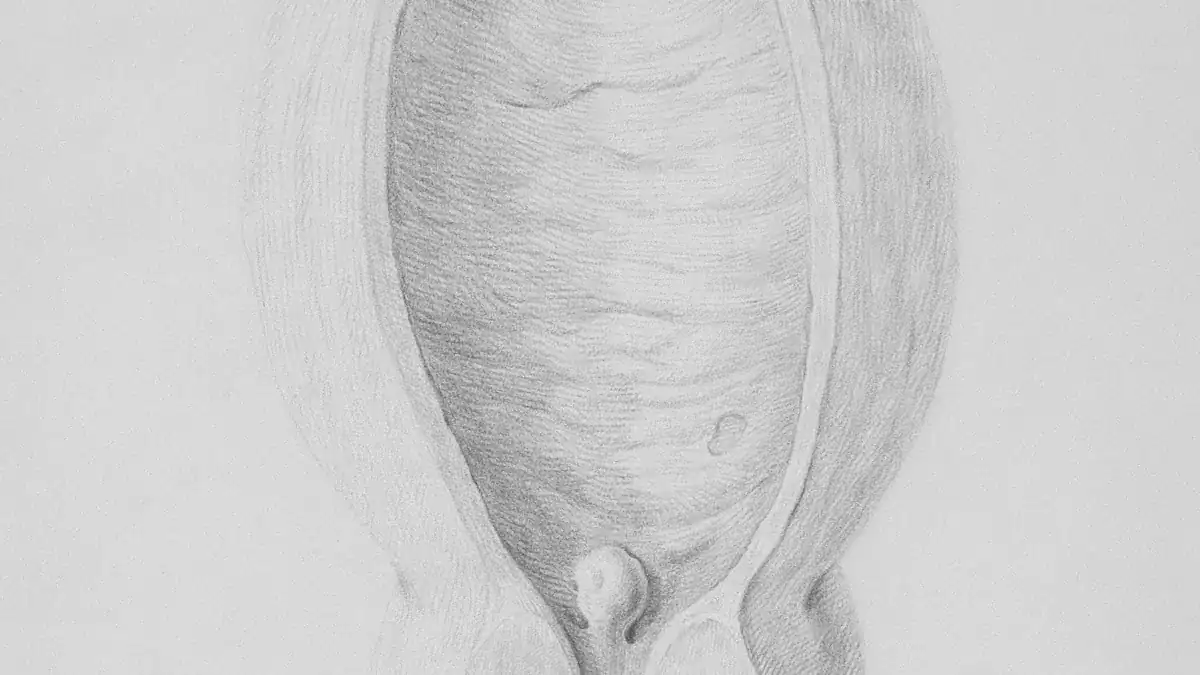
For example, a woman’s bladder might appear larger in its width. However, this does not change how much pee it can hold. Your bladder forms a cup shape when empty. It becomes more oval when full, extending into your belly area. Experts agree that there is likely no real difference in how much can bladder hold between adult men and women. The physiological capacity for both is typically 500 ml.
Factors Influencing Bladder Capacity

Many different things can affect how much your bladder can hold. These factors range from your daily habits to your body’s unique makeup and any health conditions you might have. Understanding these influences helps you better understand your bladder health.
Fluid Intake and Hydration
Your daily fluid intake directly affects your bladder’s capacity and how often you need to urinate. The amount of fluid you should drink is unique to you. It depends on your weight, how active you are, your diet, and even the temperature around you.
You should not severely limit your fluid intake just to reduce how often you go to the bathroom or to prevent leaks. This can lead to dehydration and other health problems.
Defining what is “normal” for your bladder function is complex. It relies on many internal and external factors. These include how much fluid you drink and what types of fluids you consume. Your age and gender also play a role.
The frequency of your urination directly links to the amount of fluid you drink each day. While everyone urinates at different rates, your daily fluid intake consistently influences this frequency. Your bladder works hard to manage all the liquids you consume.
Individual Anatomy and Physiology
Your body’s unique structure and how it works greatly influence your bladder’s capacity. The bladder’s ability to stretch and hold pee comes from its special tissues. These include collagen, elastin, and resting smooth muscle. These are the main parts responsible for your bladder’s passive properties.
Elasticity: This is how well a material returns to its original shape after stretching. Your bladder needs good elasticity to expand and then shrink back.
Viscosity: This describes a material’s resistance to changing shape when pressure is applied.
Plasticity: This refers to a substance’s ability to permanently change shape if it stretches too much.
Accommodation: This is your bladder’s amazing ability to hold more and more urine without a big increase in internal pressure.
The tension in your bladder wall is vital for its function. This tension depends on both active and passive properties. These include components like actin, myosin, collagen, and elastic tissue. If your bladder wall becomes stiffer, perhaps from thickening, its tension increases for a given volume.
This leads to higher pressure inside your bladder. Bladder compliance also matters. This is the change in the volume-pressure relationship. It shows how easily your bladder stretches. However, measuring compliance accurately in people is hard. It depends on how fast your bladder fills, how long it stays full, and your smooth muscle activity.
Medical Conditions Affecting Bladder
Many medical conditions can change your bladder’s capacity and function. These conditions can make your bladder hold too much or or too little pee.
Urge Incontinence: This happens when your bladder contracts abnormally. Conditions like diabetes, stroke, multiple sclerosis, Parkinson’s disease, bladder irritation, or spinal cord damage can trigger these contractions.
Bladder Atrophy: Your bladder can become small and contracted if it does not stretch and contract regularly. This often happens from long-term catheter use.
Bladder Enlargement (Hypertrophy): Your bladder muscle wall can thicken from constant overfilling and overstretching. Blockages or nerve issues often cause this. It leads to difficulty emptying your bladder and frequent urination.
Underactive Bladder (Detrusor Underactivity): Your bladder contractions might be too weak or too short. This leads to prolonged or incomplete emptying. Interestingly, this can sometimes happen even if you also have an overactive bladder.
Diabetes: This medical condition directly links to altered bladder capacity. Diabetic bladder dysfunction (DBD) is common, affecting an estimated 25% to 87% of people with diabetes. Diabetic cystopathy, a type of DBD, often means you have an enhanced bladder capacity. However, overactive bladder, which involves changes in bladder sensation and capacity, affects 36.2% of diabetics in some studies. It affects nearly 14% of type 2 diabetes patients in China. More than half (about 55%) of diabetic patients show detrusor hyperreflexia. This means your bladder muscles contract too much. Also, 23% have reduced detrusor contractility, and 10% show detrusor areflexia, meaning your bladder muscles do not contract at all.
Chronic Overdistension: Your bladder can stretch too much for too long. Blockages, like an enlarged prostate in men or severe pelvic organ prolapse in women, often cause this.
Age-Related Changes
As you get older, your bladder undergoes significant changes. The elastic tissue in your bladder becomes stiffer. This stiffening reduces your bladder’s stretchiness. Consequently, it holds less urine compared to when you were younger. This elasticity is crucial for good bladder control and for you to pee when you want to. Its decline directly affects these functions.
The elastic wall around your bladder becomes tougher and less stretchy as you age. This reduction in elasticity means your bladder cannot hold as much pee as it once could.
This often leads to more frequent trips to the bathroom. This decreased stretchiness also makes it harder for your bladder to empty completely. Studies show that the elastic properties of various bladder parts and the urethra change with age. This highlights that age-related changes in tissue elasticity are a factor in how your bladder works. The decreased flexibility of your bladder walls prevents it from expanding enough. This makes you feel full more quickly and increases how often you need to urinate.
When to Be Concerned About Bladder Capacity
You should pay attention to your bladder’s signals. Sometimes, your bladder might not work as it should. Knowing when to seek help is important for your health.
Signs of Overactive Bladder
You might have an overactive bladder (OAB) if you experience certain symptoms. OAB means you have a sudden, strong urge to urinate that is hard to ignore. This often comes with frequent voiding and needing to wake up at night to pee. Doctors define frequent voiding as going to the bathroom eight or more times in 24 hours. Nocturia means you wake up one or more times at night to pee. These symptoms usually happen without an infection or other clear cause. You should see a doctor if you notice these signs.
Signs of Underactive Bladder
An underactive bladder also shows specific signs. You might notice a slow or interrupted stream of urine. You may also feel like you do not empty your bladder completely. Other signs include straining to pee, hesitancy, or a reduced sensation of fullness in your bladder. You might also experience increased daytime voiding frequency or needing to pee at night. Sometimes, you might even have incontinence or dribbling after you finish.
Pain or Discomfort During Urination
Pain or discomfort when you pee is a clear sign to see a doctor. You should seek medical help if you have drainage or discharge from your penis or vagina. If you are pregnant and have painful urination, you need to see a doctor. Painful urination lasting more than one day also warrants a visit. Look for blood in your urine or a fever. These symptoms can point to a more serious issue with your bladder.
Sudden Changes in Urination Patterns
Your urination patterns can change. Some changes mean you should talk to a doctor. For example, if your urge to urinate interferes with your work or daily activities, you should get it checked. If you find yourself always looking for bathrooms when you run errands, this is a sign. Incontinence affecting your sex life also indicates a problem. Other concerning changes include being unable to pass urine or empty your bladder. Frequent urination, meaning eight or more bathroom visits a day, or painful urination also need attention.
Improving Bladder Health and Capacity
You can take many steps to improve your bladder health. These actions help your bladder work better. They can also increase how much pee your bladder can hold. Developing good bladder habits is key.
Bladder Training Techniques
Bladder training helps you regain control over your bladder. It teaches your bladder to hold more pee for longer times. You can work with a health professional to create a personal program. First, keep a bladder diary for a few days. Record when you pee, how much, and any leaks. You can measure urine volume by peeing into a container. Then, transfer it to a measuring jug. Learn to use your pelvic floor muscles to hold back the urge to pee. Also, understand how diet and lifestyle changes, like managing constipation, can help.
To start training, record your urination times for a day or two. Find your average time between bathroom visits. Choose a starting interval 15 minutes longer than this average. Empty your bladder first thing in the morning. Then, wait for your set interval. If you feel the urge before then, use pelvic floor exercises. Try to wait an extra five minutes. Gradually increase your interval by 15 minutes. Do this over several weeks or months. Bladder training shows a 35.5% success rate for improving bladder control in women with urgency urinary incontinence. Younger age and higher education levels predict greater success.
Pelvic Floor Exercises
Pelvic floor exercises strengthen the muscles that support your bladder. These exercises improve bladder control. They help if your muscles are weak or too tight. Weak muscles can cause leaks when you cough or sneeze. Tight muscles can lead to a sudden urge to pee. Targeted exercises correct these muscle problems. This improves your bladder health and reduces leaks.
To do Kegel exercises correctly, imagine stopping urine flow. Squeeze these muscles. Hold the squeeze for 8 to 10 seconds. Release completely. Repeat this 8 to 12 times. Aim for three sessions daily. You can also do other exercises. Try bridges, squats, or pelvic tilts. Start slowly and be consistent. Regular practice is important.
Dietary and Lifestyle Adjustments
What you eat and drink affects your bladder health. Some foods and drinks can irritate your bladder. These include artificial sweeteners, caffeine, and citrus products. Carbonated sodas and spicy foods can also cause irritation. Alcoholic beverages, coffee, and certain fruits like cranberries and tomatoes are common irritants. Sugar and sugar substitutes can also bother your bladder.
You can make good bladder habits by changing your diet. Drink enough water, but spread it out. Avoid large amounts before bed. Maintain a healthy weight. Exercise regularly. Quit smoking. Do not wait too long to pee. Empty your bladder fully each time. Urinate after sex. Avoid constipation. These healthy bladder habits support overall bladder health.
Your bladder’s capacity is dynamic, typically holding 400-500 ml of urine in adults. Many factors influence how much can bladder hold. You now understand normal function, key influencing factors, and signs of concern for your bladder health. Prioritize your bladder health. Seek professional advice for persistent issues or significant changes in how much can bladder hold. Understanding your bladder helps you maintain good bladder health.