Many vegetarians often worry about getting enough protein and all essential amino acids. You can easily achieve complete protein on a plant-based diet. This guide explores the concept of complementary protein combinations. This is a key solution. We will provide a complete protein combinations chart. This chart offers clear, actionable strategies for protein for vegans. You will learn about essential combinations to meet your daily protein needs.
Key Takeaways
Your body needs nine essential amino acids. You must get these from food. Complete proteins have all nine.
You can combine different plant foods to get all essential amino acids. For example, eat grains with legumes.
You do not need to eat complementary proteins in the same meal. Your body uses amino acids from foods eaten throughout the day.
Some plant foods are naturally complete proteins. These include quinoa, soy products, and hemp seeds.
A well-planned plant-based diet easily provides all the protein you need for good health.
Understanding Essential Amino Acids and Complete Proteins
What Are Essential Amino Acids
Your body needs many building blocks to function well. Amino acids are these building blocks. Your body makes some amino acids on its own. However, nine specific amino acids, called essential amino acids, your body cannot produce. You must get these essential amino acids from the foods you eat. They are vital for many body processes.
Why Complete Proteins Are Crucial for Vegetarians
You need all nine essential amino acids for good health. When a food contains all nine essential amino acids in sufficient amounts, we call it a source of complete proteins. For vegetarians, understanding how to get these complete proteins is very important. These essential building blocks support your entire body.
Here are some key benefits you get from consuming all essential amino acids:
Energy Provision: Isoleucine and valine give you energy.
Muscle Health: Leucine helps repair muscles. Isoleucine and valine support strong muscle function.
Bone Strength: Lysine helps your body absorb calcium for bone growth.
Good Digestion: Histidine helps produce histamine, which aids your digestive system.
Better Sleep: Histidine and tryptophan help you maintain healthy sleep cycles.
Strong Immunity: Histidine, lysine, and threonine boost your immune system to fight sickness.
Mood and Brain Function: Phenylalanine helps make neurotransmitters. These chemicals regulate your mood and appetite.
The Concept of Complementary Proteins
Many plant foods do not contain all nine essential amino acids in large amounts by themselves. This is where the idea of complementary proteins comes in. Complementary proteins are two or more plant foods you combine. Together, they provide all the essential amino acids your body needs. You do not need to eat these complementary foods in the same meal. As long as you eat all the necessary amino acids throughout your day, your body gets what it needs.
Early ideas about plant-based protein suggested you had to carefully combine foods at every meal. However, modern research shows this is not true.
Most whole plant foods, when you eat enough calories, provide all essential amino acids. For example, Frances Moore Lappé, who wrote “Diet for a Small Planet,” later clarified this point. She stated that all common plant protein sources contain all essential amino acids. A well-planned vegan diet easily provides enough protein.
Crafting Plant-Based Protein Combinations
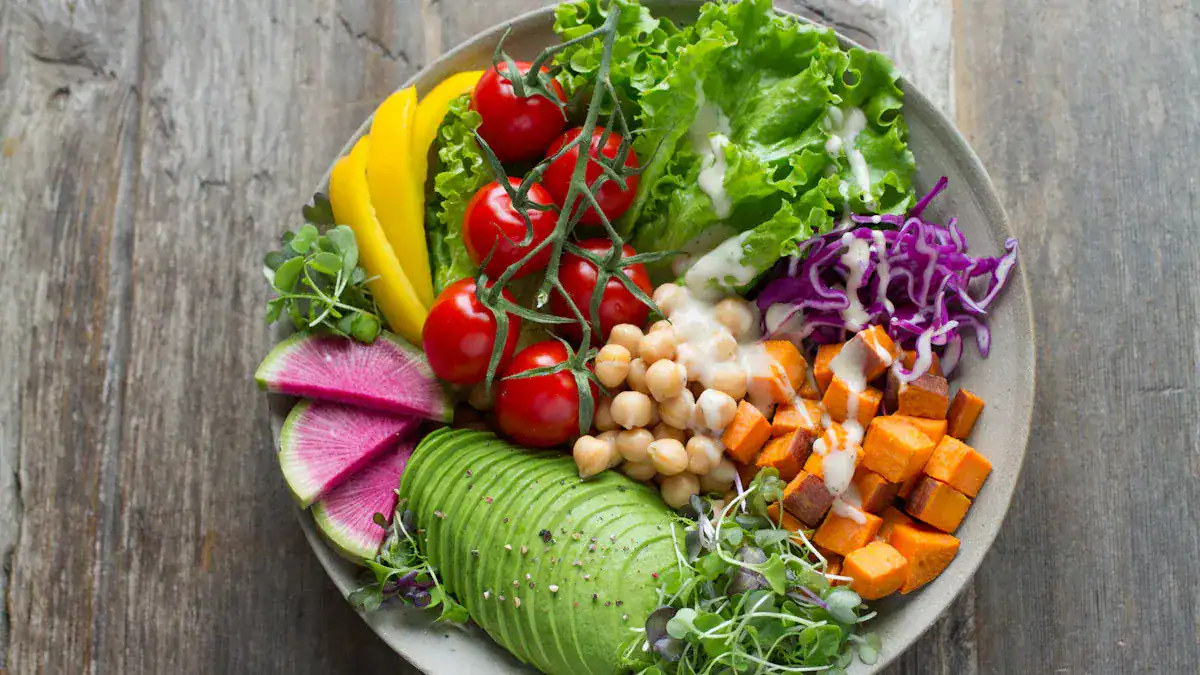
You can easily create complete protein meals from plant-based foods. This is especially helpful for a vegan diet. You combine different food groups. These combinations give you all essential amino acids. Remember, you do not need to eat these foods in the same meal. Your body uses amino acids from foods eaten throughout the day. This section shows you how to craft these protein combinations.
Grains and Legumes Pairings
This is a classic way to get complete proteins. Grains often lack lysine. Legumes provide plenty of lysine. Together, they form complementary protein sources.
You can enjoy beans and rice. This is a perfect match.
Hummus with pita bread offers great protein.
Lentil soup with whole-grain bread is a hearty meal.
Tacos filled with beans or lentils are another option.
Brown rice and black beans or lentils give you full protein.
Peanut butter on whole-wheat bread is a simple, effective protein source.
Pasta and peas also work well.
Chili with crackers provides good protein.
Nuts, Seeds, and Legumes
Nuts and seeds also complement legumes. They offer different amino acid profiles. You get diverse protein options.
Whole wheat bread with peanut butter is a classic.
You can make dips like avocado and black bean dip.
Hummus, made with chickpeas and tahini (ground sesame seeds), is a great example of complementary proteins.
A snack mix with roasted chickpeas and mixed nuts and seeds gives you diverse protein.
Legumes with Vegetables
Vegetables can also enhance the protein quality of legumes.
You can add spinach and corn to black beans in a breakfast wrap.
Soups with beans and various vegetables offer good protein options.
Salads with chickpeas and sunflower seeds provide a good protein combination.
Optional: Dairy and Eggs for Lacto-Ovo Vegetarians
If you are a lacto-ovo vegetarian, you include dairy and eggs. These are complete protein sources. You can easily add them to your meals. They offer more protein options.
Your Complete Protein Combinations Chart: Key Pairings
This section gives you a practical guide. It is your complete protein combinations chart. You will find easy-to-implement examples here. You can use these examples in your daily meals. This complete protein combinations chart helps you plan your plant-based diet.
Classic Grain and Legume Combinations
Grains and legumes are a powerful team. They work together to give you all essential amino acids. Grains often lack lysine. Legumes provide plenty of lysine. This makes them perfect complementary proteins. You can easily combine them for full protein.
Here are some classic pairings:
Rice and Beans: This is a staple in many cultures. You get all the protein you need.
Hummus and Pita Bread: Hummus uses chickpeas (a legume). Pita bread is a grain. This combination offers great protein.
Lentil Soup with Whole-Grain Bread: A warm bowl of lentil soup with a slice of whole-grain bread makes a hearty meal. It provides excellent protein.
Peanut Butter on Whole-Wheat Toast: This simple snack is a complete protein source. Peanuts are legumes. Whole-wheat toast is a grain.
Corn and Black Beans: You can add these to tacos or salads. They create a balanced protein.
These combinations are delicious and provide excellent protein sources.
Nut and Seed Enhanced Protein Combinations
Nuts and seeds are small but mighty. They boost the protein quality of your meals. You can combine nuts with other plant-based foods. This includes legumes, grains, or other seeds. This creates complete proteins.
Consider these ideas:
Almonds with Quinoa: You can eat almonds with quinoa. This combination provides all the essential amino acids your body needs.
Peanuts with Rice: You can eat peanuts with rice. This also gives you all the essential amino acids.
Sunflower Seeds and Chickpeas: Add sunflower seeds to a spinach salad with chickpeas. You get a great mix of protein.
Tahini in Hummus: Tahini is ground sesame seeds. When you mix it with chickpeas to make hummus, you create a complete protein combination.
These additions make your meals richer in protein.
Everyday Meal Ideas for Complete Protein
You can easily create meals that give you complete proteins. These ideas use different protein combinations. They are tasty and nutritious.
Here are some practical meal ideas:
Almond Butter Tofu Stir-Fry: Marinate tofu in an almond-tamari sauce. Serve it with colorful vegetables and rice. This meal is packed with protein.
Curried Kale, Potato & Lentil Soup: This is a hearty, one-pot soup. It features lentils, potatoes, and kale with a rich curry flavor. It is a great source of protein.
Smoky Tempeh Burrito Bowls: Serve tempeh in a chipotle sauce. Put it over brown rice, black beans, and fresh vegetables. This bowl offers diverse protein.
Quinoa Chickpea Buddha Bowl: This nutrient-rich bowl includes steamed kale, chickpeas, quinoa, and a creamy tahini sauce. It is a complete protein meal.
Scrambled Tofu Breakfast Burrito: Make a tofu scramble with roasted vegetables, avocado, kale, and salsa. Wrap it in a tortilla for a protein-filled breakfast.
Roasted Vegetable & Quinoa Harvest Bowls: Combine quinoa and roasted vegetables. Top them with a creamy tahini dressing. This makes a satisfying and complete protein meal.
You can enjoy these meals knowing you get all the protein your body needs.
| Food Group 1 | Food Group 2 | Examples of Complete-Protein Meals/Snacks |
|---|---|---|
| Legumes (beans, lentils, peas, soy, peanuts) | Whole Grains (rice, wheat, oats, corn, barley, quinoa)* | • Rice + beans• Lentil soup with whole-grain bread• Peanut butter on whole-grain toast |
| Legumes | Nuts & Seeds | • Hummus with sesame seeds (tahini)• Bean salad with sunflower seeds• Peanut sauce with crushed peanuts & chickpeas |
| Legumes | Vegetables (especially leafy greens, potatoes, squash) | • Bean & veggie chili• Lentils with spinach or kale• Black beans with roasted sweet potatoes |
| Grains | Nuts & Seeds | • Oatmeal with almonds or pumpkin seeds• Whole-grain granola with nuts• Quinoa salad with sunflower seeds |
| Grains | Dairy (milk, cheese, yogurt) | • Cheese sandwich on whole-grain bread• Yogurt with granola• Whole-grain cereal with milk |
| Vegetables | Dairy | • Broccoli & cheddar• Baked potato with cheese• Spinach with feta |
| Vegetables | Nuts & Seeds | • Spinach salad with walnuts• Stir-fry veggies with sesame seeds• Zucchini with pumpkin seeds |
| Corn | Legumes | • Tortillas (corn) + beans (classic complete protein combo)• Corn chowder with lentils |
| Soy | — | Soy is already a complete protein by itself. Examples: tofu, tempeh, edamame |
Top Plant-Based Complete Proteins
You can find many plant-based foods that naturally contain all nine essential amino acids. These foods are complete protein sources. You do not need to combine them with other foods to get all your essential amino acids. They offer convenience and excellent nutrition.
Quinoa and Amaranth
Quinoa and amaranth are ancient grains. They stand out as naturally complete protein sources. This means they provide all nine essential amino acids your body needs. You can use them in many dishes.
Quinoa cooks quickly. You can use it as a base for salads or a side dish. Amaranth has a slightly nutty flavor. You can pop it like popcorn or use it in porridges. Both grains offer fiber and other nutrients. They make excellent additions to your plant-based diet.
Soy Products: Tofu, Tempeh, Edamame
Soy products are versatile and widely available. They are excellent sources of protein. These foods are complete protein sources. They contain all nine essential amino acids your body requires. Their chemical makeup is similar to animal proteins. They also give you fiber and healthy fats.
Here is a look at the protein content of some common soy products:
Product | Protein per ½ cup |
|---|---|
Firm Tofu | 10 g |
Edamame Beans | 8.5 g |
Tempeh | 15 g |
You can see the protein amounts in this chart:
One cup of boiled soybeans gives you about 31 grams of protein. One cup of tofu contains about 20 grams of protein. Tempeh, tofu, and edamame are all sources of complete plant protein. They contain all essential amino acids.
Hemp and Chia Seeds
Hemp seeds and chia seeds are tiny powerhouses. They offer significant nutritional benefits.
Hemp seeds are among the rare foods that contain all nine essential amino acids. This makes them a complete protein source. You can sprinkle them on salads or blend them into smoothies. They add a nutty flavor and a boost of protein.
Chia seeds also contain essential amino acids. However, they do not have the same complete profile as hemp seeds. You can use chia seeds to thicken puddings or as an egg substitute. They are rich in fiber and omega-3 fatty acids.
Here is a comparison of their amino acid content:
Seed Type | Essential Amino Acid Content |
|---|---|
Hemp Seeds | Complete protein source with all 9 essential amino acids |
Chia Seeds | Contains essential amino acids, but not in the same complete profile as hemp |
Other Notable Plant-Based Complete Proteins
Several other plant-based foods also provide all essential amino acids. You can easily include them in your diet. They offer diverse flavors and textures.
Soy-based foods: This category includes tofu, tempeh, textured vegetable protein (TVP), edamame, and soy milk. You can use them in many recipes.
Hemp seeds: As mentioned, these are a fantastic complete protein.
Quinoa: This grain is a versatile and complete protein.
Amaranth: Another ancient grain, it offers complete protein.
Seitan: This is a wheat-based product. It is a good source of protein.
These options expand your choices for getting all the protein you need. You can enjoy a varied and nutritious plant-based diet.