


Forearm tendonitis is simply inflammation or irritation of the tendons in your forearm. This common condition causes pain, weakness, and stiffness, limiting your daily activities. You experience frustration when simple tasks become difficult due to this persistent tendonitis. This guide provides a comprehensive resource for understanding, treating, and recovering from forearm tendonitis. You can find solutions for quick relief and lasting recovery from tendonitis here.
Key Takeaways
Forearm tendonitis is pain from overworked tendons in your arm. Repetitive motions, bad posture, or sudden injuries often cause it.
You can find relief with home remedies like rest, ice, and pain medicine. Physical therapy helps strengthen your arm and improve movement.
Eating healthy foods and getting enough sleep helps your body heal. These actions support tendon repair and reduce swelling.
Prevent tendonitis from coming back. Take breaks, adjust your workspace, and do regular stretches. This keeps your forearms healthy.
Understanding Forearm Tendonitis
What is Forearm Tendonitis
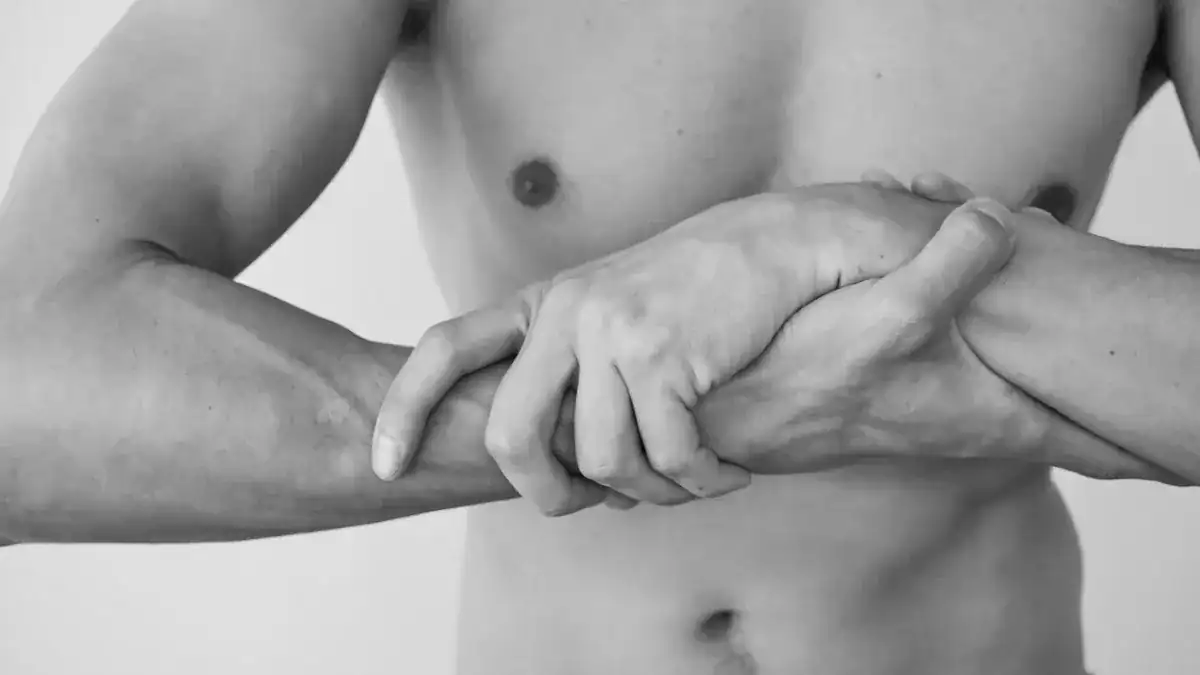
Forearm tendonitis means you have inflammation or irritation in the tendons of your forearm. Tendons are strong cords. They connect your muscles to your bones. When these tendons get overworked, they can become painful. This condition often affects specific areas.
For example, the lateral epicondyle is a bone on the outside of your elbow. The common extensor tendon attaches here. Inflammation in this area is called “tennis elbow.” It affects muscles that extend your wrist. Another area is the medial epicondyle, on the inside of your elbow. The common flexor tendon attaches here. Inflammation in this spot is “golfer’s elbow.” It impacts muscles that flex your wrist. Understanding these parts helps you know where your forearm tendonitis comes from.
Recognizing Symptoms of Tendonitis
You can recognize the symptoms of tendonitis in several ways. You might notice pain starting 24 to 72 hours after an activity that uses your wrist a lot. This pain can travel down your forearm to your wrist and hand. You may find it hard to lift things or grip objects.
This happens because of pain or weakness. When a doctor checks you, they often find tenderness over the affected area, like the lateral epicondyle. You might also feel pain and weakness when you try to extend your wrist against resistance. Your grip strength might also be weaker. These are clear signs you have tendonitis.
Types of Forearm Tendonitis
Forearm tendonitis comes in different forms. The two most common types are lateral epicondylitis and medial epicondylitis.
Characteristic | Lateral Epicondylitis (Tennis Elbow) | Medial Epicondylitis (Golfer’s Elbow) |
|---|---|---|
Common Name | Tennis Elbow | Golfer’s Elbow |
Affected Area | Outside of the elbow joint; tendons connecting forearm muscles | Inside of the elbow; tendons connecting forearm muscles |
Primary Tendon | Extensor Carpi Radialis Brevis tendon | Tendons connecting forearm muscles to the bony joint of the elbow |
Cause | Repetitive motion straining tendons on the outside of the elbow | Repetitive stress on tendons at the inside of the elbow |
Pain Location | Outer elbow | Inner part of the elbow |
Symptoms | Soreness and tenderness at the outer elbow, pain worsens with activity | Soreness and tenderness at the inner elbow, pain worsens with activity |
Lateral epicondylitis, or “tennis elbow,” affects the outside of your elbow. It is much more common than the other type. It involves the extensor carpi radialis brevis tendon. You feel pain and less strength when you grip things or extend your wrist.
Medial epicondylitis, or “golfer’s elbow,” affects the inside of your elbow. It involves the common flexor tendon. This type of tendonitis often occurs in people who do activities with repetitive wrist flexion.
Causes of Forearm Tendonitis
Understanding why you develop forearm tendonitis helps you prevent it. Several factors can contribute to this painful condition.
Repetitive Strain and Overuse
Repetitive strain is a major cause of forearm tendonitis. You often perform the same movements over and over. This stresses your tendons. Many jobs and activities involve these repeated motions.
For example, nurses, construction workers, and musicians often use their hands and arms repetitively. Office workers who type a lot can also develop tendonitis. Athletes, like tennis players or golfers, put great strain on their forearms. These repeated actions cause tiny tears in your tendons. Your body cannot repair these tears fast enough. This leads to inflammation and pain.
Poor Ergonomics and Posture
Your posture and how you set up your workspace also play a big role. Poor ergonomics can lead to forearm tendonitis. When you use a computer, you might extend your wrist too much.
Your keyboard might sit too high. These awkward positions put extra stress on your forearm tendons. Repetitive actions like typing or gripping a mouse in these positions cause microtrauma. This overloads your extensor tendons. Over time, this leads to tendon degeneration. Maintaining neutral postures helps prevent these injuries. You should work within a “comfort zone” to minimize stress on your muscles and tendons.
Sudden Injury or Trauma
Sometimes, forearm tendonitis starts with a sudden injury. You might fall and land on your arm. A direct blow to your forearm can also damage tendons. These events can cause immediate inflammation. Even a single, forceful movement can strain a tendon beyond its limit. This sudden trauma can trigger the onset of tendonitis.
Underlying Medical Conditions
Certain medical conditions can increase your risk of developing tendonitis. You might be more prone to it if you have diabetes. Rheumatoid arthritis also makes you more susceptible. Other conditions like gout, pseudo gout, osteoarthritis, or even an infection can contribute. These systemic issues affect your body’s tissues. They make your tendons more vulnerable to inflammation and damage.
Relief and Treatment for Forearm Tendonitis

You can find many ways to ease the pain and help your forearm tendonitis heal. This section details various methods for alleviating pain and promoting healing. You have options from home remedies to professional medical care.
Immediate Home Remedies
When you first feel pain from forearm tendonitis, you can start with immediate home remedies. The RICE method (Rest, Ice, Compression, Elevation) is a common approach for injuries like tendonitis. It aims to reduce acute inflammation and pain. When you use these steps together, they can provide immediate pain relief. They also control swelling and bleeding. This is helpful when your pain, swelling, or bleeding is severe.
Rest: You should avoid stress or strain for a few days after an injury. Then, you can gradually increase movement. Stop if you feel pain. Complete rest for too long is not recommended.
Ice: Apply ice only in the first eight hours after your injury. This helps with pain relief and bleeding control. Use a skin barrier and apply ice for 10-20 minute intervals every 1-2 hours. Be aware that ice can interrupt healing if used excessively.
Compression: You can use compression to help with significant swelling or bleeding. Avoid wrapping too tightly. This prevents inhibiting blood flow.
Elevation: Elevating the injured part above your heart level can help. It aids in draining swelling. It can also slow blood flow to relieve throbbing and bleeding.
While rice therapy offers immediate relief, some experts debate its long-term effectiveness. Too much reduction of inflammation might delay healing. Inflammation is a normal and necessary part of your body’s healing cycle. The fluid causing swelling must accumulate and drain before healing can begin. Preventing swelling could prevent this drainage. Some doctors now suggest modified guidelines.
They emphasize some movement over total rest for better recovery. You might hear of MICE (Motion, Ice, Compression, Elevation) or RACE (Recover Actively, Compress and Elevate). Still, rice therapy remains a standard, recommended approach for self-care after minor injuries like tendonitis.
You can also modify your activities. Avoid movements that cause pain. Over-the-counter anti-inflammatory medications, like ibuprofen, can help reduce pain and swelling. For mild cases, you might manage your tendonitis with self-treatment for two to three weeks.
When to Seek Professional Help
You should seek professional help if your pain does not improve with home remedies. If your symptoms worsen or persist beyond a few weeks, a doctor can provide a proper diagnosis. They can also recommend a more targeted treatment plan. Severe pain, numbness, or weakness also warrant a visit to a healthcare provider. Early intervention can prevent your condition from becoming chronic.
Physical Therapy and Rehabilitation
Physical therapy is a cornerstone of effective treatment for tendonitis. A physical therapist designs a personalized program for you. This program includes targeted stretching and strengthening exercises. These exercises strengthen your forearm muscles. They also improve flexibility and enhance proprioception (your body’s sense of position).
Physical therapy for tendonitis often includes:
Manual Therapy: Your therapist uses hands-on techniques. This improves flexibility, reduces tension, and promotes healing.
Soft Tissue Mobilization: They gently knead and stroke your forearm tissue. This loosens muscles, improves circulation, and reduces inflammation.
Joint Mobilization: Gentle gliding or stretching techniques for your wrist and elbow joints improve range of motion. This reduces stress on your tendons.
Therapeutic Exercises: You will do specific stretches like Wrist Flexor Stretches and Forearm Stretches. These reduce tension on your tendons. Strengthening exercises, such as Wrist Curls with light weights, rebuild strength in affected tendons and surrounding muscles.
Modalities: Your therapist might use ultrasound therapy, electrical stimulation, or ice/heat therapy. These alleviate pain and promote healing.
Myofascial Release: This involves applying sustained pressure to smooth out fascial restrictions. It releases trigger points, improving range of motion and reducing pain.
Instrument-Assisted Soft Tissue Mobilization (IASTM): Specialized tools apply pressure and glide over affected tissue. This breaks down scar tissue, promotes healing, boosts circulation, and reduces inflammation and pain.
Dry Needling: This involves inserting thin, sterile needles into trigger points. It relieves pain and improves muscle function.
Nonsurgical treatments, including physical therapy, are successful for forearm tendonitis (tennis elbow) in about 80% to 95% of patients. Studies show that while corticosteroid injections might offer quicker initial relief, physical therapy often leads to better long-term outcomes.
Medical Interventions
When conservative methods are not enough, your doctor might suggest medical interventions.
Corticosteroid Injections: These injections can provide rapid inflammation and pain reduction. Doctors commonly use them for chronic tendon disorders. They can be useful for prolonged cases that have not responded to conventional treatments. Corticosteroid injections can offer a pain-free window for rehabilitative therapy. They also provide episodic pain and symptom relief. For conditions like epicondylitis (a type of forearm tendonitis) and tenosynovitis, these injections are considered. However, injecting directly into the tendon substance should be avoided due to potential adverse effects. There is also a lack of strong evidence for their long-term efficacy.
Here is a summary of risks and long-term outcomes for various treatments:
Treatment | Risks | Long-term Outcomes/Effectiveness |
|---|---|---|
Rest | Few risks; time required may not be acceptable | First-line treatment; used as control in some studies |
Bracing | Prolonged immobilization can lead to stiffness and atrophy | Evidence varies for location and type of brace |
Corticosteroid injections | Local pain and atrophy, skin depigmentation, rare risk of tendon rupture; repeated injections are more harmful | Better than rest alone and equal to NSAIDs for short-term treatment; short-term benefit (less than six months) |
Cryotherapy/icing | Few risks | Few studies for chronic tendinopathy |
Eccentric exercises | Few risks; if guided by a physical therapist, barriers may include cost, transportation, and time off work | Good evidence of benefit for lateral epicondylitis |
Extracorporeal shock wave therapy | Therapeutic mechanism unknown | Good evidence for some conditions, but not noncalcific rotator cuff tendinopathy or lateral epicondylitis |
Your doctor will discuss the best treatment options for your specific condition.
Quick Recovery and Prevention
You can speed up your healing and stop your forearm tendonitis from coming back. This section gives you strategies for quick recovery and lasting prevention.
Targeted Exercises and Stretches
Specific exercises and stretches are very important for your recovery. They help you regain strength and flexibility. They also reduce strain on your tendons.
Wrist Flexor Stretch: This stretch targets the muscles on the underside of your forearm. These muscles connect to your elbow. It helps prevent tendonitis and irritation from overuse. To do this stretch, raise your arm straight out. Keep your elbow straight and your palm facing the floor. Use your other hand to gently pull your palm up towards the ceiling. Keep your fingers relaxed and slightly bent.
Wrist Extensor Stretch: This stretch works the muscles on the top side of your forearm. It helps ensure your wrist moves smoothly. Raise your arm with a straight elbow and your palm facing the floor. Gently push on the back of your raised hand until your fingers point down. Keep your fingers relaxed and mostly straight.
Wrist Rotations: This is an active stretch for the muscles that turn your palm up and down. Bend your elbow to 90 degrees. Keep your hand open with your thumb pointing up. Rotate your hand so your palm faces the ceiling. Then return to the start. Next, rotate so your palm faces the floor.
Wrist Side Bends: This stretch targets muscles along the sides of your forearm. These muscles connect over your wrist to your hand. Sit with your forearm on a table. Let your hand hang off the edge with your palm down. Move your hand sideways, first with your pinky side away, then your thumb side in.
Down Dog to High Plank: This exercise deepens your wrist stretch. It loads your wrist and moves it through both bending and extending. Start in a high plank position. Raise your hips to shoulder height. Move your chest towards your feet (downward dog). Then return to the high plank.
Hand Tendon Glides: This stretches your finger muscles. Many of these muscles connect to your forearm muscles. This reduces strain and improves flexibility. Rest your elbow on a table. Keep your hand, wrist, and fingers straight. Bend your fingers in a sequence:
At the large knuckles (like a tabletop).
At the middle of your fingers (like a straight fist).
At the tips (like a hook fist).
Finally, make a full fist.
These forearm stretches offer many benefits:
Relax overworked muscles: They help your muscles regain their full range of motion. Repetitive use can make muscles contract and tighten.
Boost forearm balance: They make sure all your forearm muscles are equally flexible. This prevents restricted movement.
Increase fine-motor skills: Loose and flexible forearm muscles make daily tasks easier. You can grab keys or write more easily.
Prevent injury: They loosen your forearm muscles. This makes you less likely to get conditions like forearm tendonitis or carpal tunnel syndrome. They also increase blood flow to reduce inflammation.
You can also use a foam roller for your forearm. This technique, combined with stretching, helps your recovery. It increases blood flow, reduces tension, and realigns muscle fibers. It also improves flexibility and lowers your risk of repetitive strain injuries. To do this, place the palm side of your forearm on a foam roller. Gently rest your other hand on top. Slowly roll your forearm for 30 seconds. Repeat on the other side.
Lifestyle Adjustments for Healing
Your daily habits greatly affect how well you heal. You can make changes to support your body’s recovery.
Your diet plays a role in tendon healing and reducing inflammation. Consider these nutrients:
Ascorbic acid (Vitamin C): This vitamin is crucial for maintaining tendon cells. High doses can stimulate healing by improving blood vessel growth and collagen production.
Hydrolyzed type 1 collagen peptides: These can improve the structure of your tendons. They may also make your tendons stronger.
L-arginine: This amino acid helps your body produce nitric oxide. Nitric oxide is very important for tendon healing.
MSM (Methyl-sulfonyl-methane): This compound can increase your body’s antioxidant capacity. It also lowers markers of oxidative stress, which can happen in tendon disorders.
Bromelain and Curcumin: These have anti-inflammatory properties. They can help reduce pain.
Essential fatty acids (Omega 3 PUFA): These may help reduce pain and improve function, though more research is needed.
Adequate intake of all macronutrients and micronutrients is essential for healthy tendons.
Sleep is also vital for healing. It helps your body repair itself.
Cellular Repair: Deep sleep increases growth hormone production. This hormone is essential for growing and repairing tissues, including muscles and tendons.
Reduced Inflammation: Sleep helps your immune system work better. This reduces inflammation and supports healing.
Pain Reduction: Enough sleep can lower how much pain you feel. This is very helpful when you have tendonitis.
During deep sleep, your body releases growth hormones. These hormones promote tissue repair and muscle regeneration. Sleep also boosts your immune function. It increases cytokine production, which fights inflammation. You need 7-9 hours of sleep each night. This allows for long periods of tissue repair. Not enough sleep can make healing take longer. Sleep also helps you manage pain. Poor sleep can make pain feel worse.
Preventing Recurrence
You want to prevent your tendonitis from coming back. You can make changes to your environment and habits.
Regular Movement Breaks: Do not stay in the same position for too long. Take breaks often. Step away from your work. Stretch and do light exercises. This prevents your arms from staying in one position for too long.
Adjusting Arm Usage: If you use one arm a lot, try to switch hands for some tasks. For example, you can temporarily switch your mouse to your non-dominant hand. This gives your dominant forearm a rest. It also breaks repetitive motion.
Ergonomic Adjustments: Look at your workspace. Readjust your equipment. This includes your monitors, keyboards, mice, chairs, and desks. Good ergonomics improve your posture. They reduce strain on your body.
Maintain proper posture: Keep your elbows at a 90-degree angle. Your wrists and forearms should be straight and parallel to the floor. Your feet should be flat on the floor when you type.
Utilize height-adjustable desks: These desks let you switch between sitting and standing. This reduces long periods of sitting. It also improves your overall health.
Wearing a Brace: Sometimes, wearing a brace can help. For tennis elbow, a brace worn over the back of your forearm can reduce stress on the affected tendons.
When Pain Persists
Most cases of tendonitis improve with rest, physical therapy, and medication. However, sometimes your pain does not go away. You need to know when to seek further medical help.
You should re-evaluate your condition if:
You have “red flags” like trauma, swelling, or fever. These might point to other conditions.
You notice new symptoms. These include numbness, tingling, or a pins-and-needles feeling in your fingers or palm. These could mean nerve compression.
Your symptoms are not typical for tendonitis. For example, new fever, new point tenderness, or new deformity.
You experience changes in pain or numbness. You might also have weakness, like dropping things or decreased grip strength.
If your pain continues, your doctor might suggest advanced diagnostic imaging. These techniques help investigate persistent tendonitis.
T2 mapping: This is an advanced imaging technique for tendon diseases.
Sonoelastography: This is an ultrasound method. It measures tissue stiffness and elasticity. It helps evaluate lesions and assess the biomechanical properties of your tendons. It includes:
Quasi-static elastography (QSE): This involves applying mechanical stress with an ultrasound probe. It estimates tissue displacement and stiffness.
Shear wave elastography (SWE): This generates high-intensity shear waves. It calculates color elastograms in real-time. This gives a quantitative analysis of tissue stiffness.
These tools help your doctor understand why your pain persists. They can then create a more targeted treatment plan for you.
You can manage forearm tendonitis, and recovery is achievable with the right approach. Remember these key steps for relief and recovery:
Early intervention
Proper treatment
Preventive measures
Consistent self-care
Patience and consistency are vital in your recovery process. Most tendonitis cases improve with rest, physical therapy, and medication. Take proactive steps towards healing and maintaining your forearm health. You can overcome tendonitis! 💪
FAQ
What is the main cause of forearm tendonitis?
Repetitive strain and overuse are the main causes. You perform the same arm movements repeatedly. This stresses your tendons. Over time, these actions lead to inflammation and pain in your forearm.
What is the fastest way to relieve forearm tendonitis pain?
You can use the RICE method for quick relief. Rest your arm. Apply ice for 10-20 minutes. Use compression if you have swelling. Elevate your arm above your heart. Over-the-counter pain relievers also help.
What exercises help forearm tendonitis?
Gentle stretches and strengthening exercises help. You can do wrist flexor and extensor stretches. Wrist rotations and side bends also improve flexibility. These exercises reduce tension and build strength in your forearm.
What happens if you ignore forearm tendonitis?
Ignoring forearm tendonitis can make it worse. Your pain might become chronic. You could develop scar tissue. This limits your arm’s movement. Seek treatment early to prevent long-term problems and ensure a full recovery.