
The MCV blood test measures the average size of your red blood cells. MCV stands for mean corpuscular volume. This crucial test helps doctors understand your overall blood health. It provides important insights into potential health issues. Your red blood cells carry oxygen throughout your body. Understanding your MCV results helps identify problems with these vital cells.
In a healthcare setting, when a provider orders a complete blood count (CBC), the MCV test is often included as part of the panel. An MCV is routinely performed by an automated machine on all CBCs. It’s included on the portion of the CBC that provides information on your red blood cells in particular, called the RBC (red blood cell) indices. An MCV blood test is routinely performed during a CBC.
This routine part of many blood checks gives you a clear picture of your blood’s condition.
Key Takeaways
The MCV blood test measures the average size of your red blood cells. This test helps doctors understand your blood health.
Normal MCV levels mean your red blood cells are a healthy size. This helps your body carry oxygen well.
Low MCV means your red blood cells are too small. This can be due to iron deficiency or other health issues.
High MCV means your red blood cells are too large. This can be due to a lack of vitamins B12 or folate, or liver problems.
Always talk to your doctor about your MCV results. They can explain what the numbers mean for your health.
Understanding Your MCV Blood Test
What MCV Measures
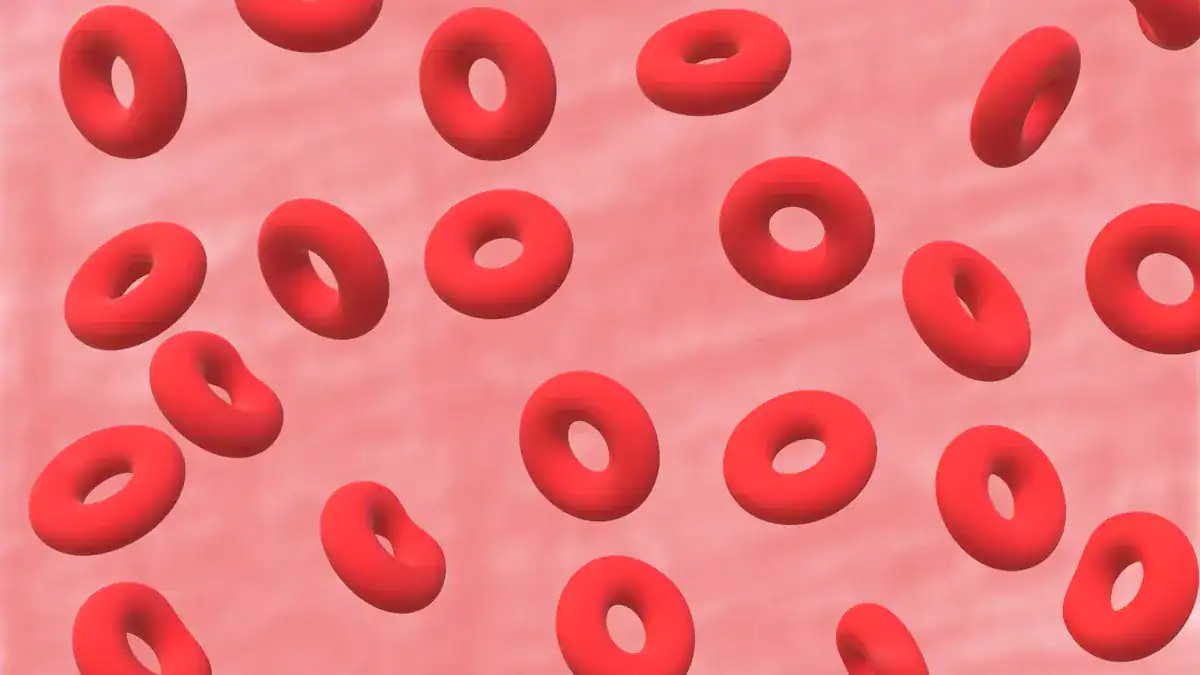
Your MCV blood test provides important information about your blood. MCV stands for Mean Corpuscular Volume. This test measures the average size of your red blood cells. These tiny red blood cells are vital. They carry oxygen from your lungs to every part of your body.
Doctors use the MCV to understand your overall blood health. They often include the MCV test as part of a complete blood count, or CBC.
You measure MCV in femtoliters (fL). One femtoliter is an incredibly small unit, equal to one quadrillionth of a liter (10^-15 liters). This unit precisely measures the volume of your red blood cells. The calculation for MCV involves converting an initial red blood cell index, then multiplying it by your hematocrit. This accounts for the proportion of red cells in your blood.
Finally, the units convert to fL, giving you a clear number like 80 fL/cell. This specific measurement helps your doctor assess your red blood cell count and overall blood condition.
Normal MCV Levels
You want to know what a normal MCV level means for you. For adults, a normal MCV level typically falls between 80 and 100 femtoliters (fL). This range indicates your red blood cells are a normal size.
If your MCV is below 80 fL, your red blood cells are microcytic, meaning they are smaller than normal. If your MCV is above 100 fL, your red blood cells are macrocytic, meaning they are larger than normal.
A normal MCV helps your doctor understand your blood picture. When your MCV is within the normal range, it suggests your red blood cells are healthy. This normal mcv is a good sign for your blood.
Your doctor looks at your normal mcv to ensure your blood is functioning well. The CBC provides this crucial data. A normal MCV level is a key indicator of your blood’s health.
Low MCV Results: Causes & Impact
When your MCV results show a low value, it means your red blood cells are smaller than average. Doctors call this microcytosis. A low MCV level often indicates a type of anemia. Anemia is a condition where your blood lacks healthy red blood cells. Your body needs these cells to carry oxygen. Understanding your MCV is critical for identifying the underlying cause of your anemia.
Causes of Low MCV
Several factors can lead to a low MCV. The most common cause is often a nutritional deficiency.
Iron deficiency: This is a primary reason for small red blood cells. Your body needs iron to make hemoglobin, the protein in red blood cells that carries oxygen. When you have iron deficiency, your body cannot produce enough hemoglobin. This leads to smaller red blood cells. An iron-poor diet, lacking sufficient meat, beans, and leafy greens, can contribute to this deficiency. Low MCV with low ferritin often indicates iron deficiency.
Impaired iron absorption: Sometimes, you consume enough iron, but your digestive system does not absorb it properly. This also leads to iron deficiency.
Blood loss: Heavy menstrual periods or internal bleeding can cause you to lose iron over time. This continuous loss depletes your body’s iron stores.
Conditions Linked to Low MCV
Low MCV results are strongly linked to specific health conditions. These conditions often cause microcytic anemia.
Iron deficiency anemia: This is the most frequent type of anemia associated with low MCV. It accounts for 50% of all anemias in humans. When you have iron deficiency anemia, your red blood cells are small and pale.
Thalassemia: This is an inherited blood disorder. Your body does not produce enough of a specific protein found in hemoglobin. Abnormal genes cause this deficiency. This deficiency prevents red blood cells from forming or functioning correctly. Thalassemia leads to anemia that varies in severity. MCV levels help diagnose thalassemia. For example, beta-thalassemia major often shows MCV levels between 50-70 fL. Beta-thalassemia intermedia shows MCV levels between 50-80 fL. The Mentzer Index, which is MCV divided by your red blood cell count, can also help. A value less than 13 favors beta-thalassemia trait. A value greater than 13 favors iron deficiency anemia. Thalassemia typically shows a markedly decreased MCV.
Anemia of chronic disease: Also known as anemia of inflammation, this condition often links to chronic inflammation, infection, or other diseases. Conditions like autoimmune diseases (e.g., rheumatoid arthritis), cancer, Crohn’s disease, diabetes, HIV/AIDS, and kidney disease can cause this type of anemia. These illnesses can interfere with red blood cell production and iron metabolism. This results in microcytic or normocytic anemia.
You can remember the typical causes of microcytic anemia using the acronym TAILS: Thalassemia, Anemia of chronic disease, Iron deficiency, Lead poisoning, and Sideroblastic anemia.
Symptoms of Low MCV
When your MCV is low, your body struggles to deliver enough oxygen. This can cause various symptoms. You might experience:
Fatigue: You feel unusually tired and lack energy.
Weakness: Your muscles may feel weak.
Pale skin: Your skin might look paler than usual. This is due to fewer red blood cells.
Shortness of breath: You may find it hard to breathe, especially during physical activity.
Dizziness: You might feel lightheaded or dizzy.
Rapid heartbeat: Your heart may beat faster to try and compensate for the lack of oxygen.
Pica: If your low MCV is due to severe iron deficiency, you might crave non-food items like ice or dirt.
These symptoms indicate your body needs more healthy red blood cells. If you notice these symptoms, you should talk to your doctor. They can help you understand your blood test results.
High MCV Results: Causes & Impact
When your MCV results show a high value, it means your red blood cells are larger than average. Doctors call this macrocytosis. A high MCV level can indicate changes in your body’s nutrient levels. It can also point to a type of anemia or other blood disorders. Understanding why your MCV is high helps you and your doctor find the right path forward.
Causes of High MCV
Several factors can lead to a high MCV. Often, these relate to how your body produces red blood cells.
Vitamin Deficiencies: This is a common reason for large red blood cells.
Vitamin B12 Deficiency: You need vitamin B12 for healthy red blood cell development. Low B12 levels impair DNA synthesis in developing red blood cells. This leads to larger but less functional cells.
Folate Deficiency (Vitamin B9): Inadequate folate can also result in macrocytic anemia. This often comes from a poor diet, alcohol use, or problems with absorption. Insufficient intake or absorption of vitamin B12 and folate can prevent your red blood cells from developing normally. This leads to macrocytic anemia.
Alcoholism: Alcohol commonly causes macrocytosis. It can affect how your body uses nutrients.
Liver Disease: Chronic liver failure can lead to higher MCV levels. Advanced liver damage increases the likelihood of vitamin B12 or folate deficiencies. These deficiencies directly cause macrocytic anemia. They impair DNA synthesis, which then leads to macrocytic anemia.
Hypothyroidism: This condition, where your thyroid gland does not produce enough hormones, can also cause a high MCV.
Certain Medications: Some drugs can inhibit DNA replication. These include methotrexate, zidovudine, and heavy metals. They can lead to larger red blood cells.
Conditions Linked to High MCV
High MCV results are often linked to specific health conditions. These conditions cause your bone marrow to produce unusually large red blood cells.
Megaloblastic Anemia: This is the most common cause of high MCV. It results from a deficiency of vitamin B12, folic acid, or both. These deficiencies can come from not getting enough in your diet or not absorbing them well.
Pernicious Anemia: This is a specific type of megaloblastic anemia. It happens when your body lacks intrinsic factor. Intrinsic factor is essential for vitamin B12 absorption. An autoimmune condition can cause this. It targets cells in your stomach or the intrinsic factor itself. Pernicious anemia is an autoimmune condition. It prevents your body from absorbing vitamin B12. This makes it a cause of vitamin B12 deficiency.
Pernicious anemia affects different groups. You can see its prevalence in the table below:
Group
Prevalence
Elderly (overall)
1.9%
Elderly Women
2.7%
Elderly Men
1.4%
Elderly Black Women
4.3%
Elderly White Women
4.0%
The chart also shows how common pernicious anemia is among older adults:
Gastric Bypass Surgery: If you have had this surgery, it can lead to reduced vitamin B12 or folate absorption. This happens because the surgery removes a functional part of your stomach.
Liver Diseases: Patients with chronic liver failure show markedly higher MCV levels. This is compared to healthy individuals. Patients with HBV-related decompensated cirrhosis who have macrocytic anemia are more likely to experience worse liver conditions. Elevated MCV is also associated with increased liver cancer mortality in men.
Symptoms of High MCV
When your MCV is high, your body struggles to deliver oxygen efficiently. This can cause various symptoms. You might experience:
Fatigue and Weakness: Your larger red blood cells are less efficient at oxygen transport. This often causes you to feel tired and weak.
Shortness of Breath: Inefficient oxygen transport makes it harder for your body to meet oxygen demands. You may find it hard to breathe.
Dizziness and Lightheadedness: Your brain may not receive enough oxygen. This can make you feel dizzy or lightheaded.
Pale or Jaundiced Skin: Your skin might look pale or yellow. This happens when your body struggles to produce and manage healthy red blood cells.
Tingling or Numbness: You might feel tingling or numbness in your hands and feet. This is commonly seen with vitamin B12 deficiency.
Irritability or Difficulty Concentrating: You might feel irritable or have trouble focusing.
Glossitis: Your tongue might appear smooth or swollen.
Gastrointestinal Issues: You might have digestive problems like frequent diarrhea or constipation. These can link to underlying conditions affecting nutrient absorption.
Unexplained Weight Loss: This can be linked to high MCV, especially if it relates to an underlying condition like thyroid disease.
If you notice these symptoms, you should talk to your doctor. They can help you understand your blood test results.
When to Consult a Doctor About Your MCV Level Blood Test

You might see your mcv blood test numbers fluctuate slightly. These small changes in your mcv values do not always mean a serious health problem. Your body constantly adjusts. Many factors can influence your blood test results. However, you should understand when to seek professional medical advice.
Interpreting Abnormal MCV Results
An abnormal mcv result is an indicator. It is not a diagnosis. Your doctor uses your mcv results along with other blood tests. They look at your overall health picture. This helps them understand what your mcv level blood test means for you. Do not try to self-diagnose based on one number. Your healthcare provider has the expertise to interpret your full blood panel.
Specific Symptoms Warranting Attention
You should consult a doctor if you have an abnormal mcv and experience certain symptoms. These signs suggest your body needs attention. Pay close attention to these symptoms:
Severe fatigue: You feel extremely tired all the time.
Shortness of breath: You have trouble breathing, even with light activity.
Rapid heartbeat: Your heart beats very fast.
Unexplained weight loss: You lose weight without trying.
These symptoms indicate your body might not get enough oxygen. This can happen with issues affecting your red blood cells.
You now understand the MCV blood test measures your red blood cell size. This crucial blood test offers vital insights into your overall blood health. Abnormal MCV results are important indicators, not final diagnoses. They point to potential issues within your blood. Your MCV level helps doctors assess your red blood cell health. Always consult a healthcare professional to interpret your MCV results. They provide personalized medical advice based on your complete blood picture.
FAQ
What is an MCV blood test?
An MCV blood test measures the average size of your red blood cells. This test helps doctors assess your overall blood health. It is often part of a complete blood count. This helps identify potential issues with oxygen transport in your body.
What do normal MCV levels mean?
Normal MCV levels mean your red blood cells are an average size. For adults, this range is typically 80 to 100 femtoliters. This indicates your red blood cells are healthy. They can efficiently carry oxygen throughout your body.
What does a low MCV indicate?
A low MCV means your red blood cells are smaller than average. This often suggests microcytic anemia. Iron deficiency is a common cause. Other conditions like thalassemia can also lead to low MCV.
What does a high MCV indicate?
A high MCV means your red blood cells are larger than average. This often points to macrocytic anemia. Vitamin B12 or folate deficiencies are common causes. Liver disease or certain medications can also cause high MCV.
Why are these mcv blood test faqs important?
These mcv blood test faqs help you understand your results. Knowing what your MCV means empowers you. You can then discuss any concerns with your doctor. This ensures you get proper medical guidance.