

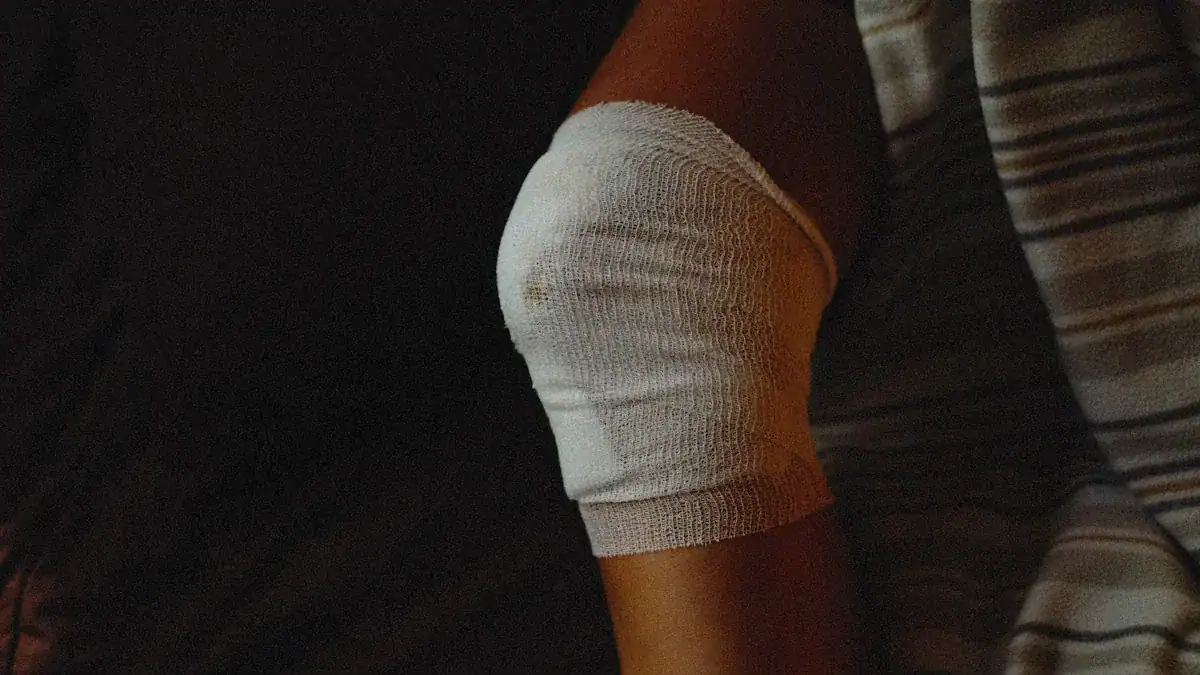
A twisted knee results from a sudden, forceful rotation or hyperextension of your knee joint. This action can damage ligaments, cartilage, or other structures within your knee. You might experience this injury during sports or from a simple fall. Often, a twisted knee leads to a knee sprain. Recognizing your symptoms helps ensure a timely diagnosis and effective treatment. This prevents long-term issues from the sprain.
Key Takeaways
A twisted knee happens when your knee moves in an unnatural way. This can damage important parts inside your knee, like ligaments.
Look for signs like sudden pain, swelling, or if your knee feels unstable. You might also hear a ‘pop’ sound.
If you cannot put weight on your leg, have severe pain, or rapid swelling, see a doctor right away. These are serious signs.
Use R.I.C.E. (Rest, Ice, Compression, Elevation) right after the injury. Physical therapy helps your knee heal and get strong again.
Wear good shoes and do exercises to improve balance. This helps prevent future knee injuries.
Understanding a Twisted Knee
What is a Twisted Knee Injury?
A twisted knee happens when your knee joint moves in an unnatural way. This often involves a sudden, forceful rotation. You might twist your knee during sports or from a fall. This type of movement can stretch or tear the tissues inside your knee. A twisted knee often results in a knee sprain. A sprain means you have damaged the tough bands of tissue called ligaments. These ligaments connect your bones. A ligament sprain can range from mild stretching to a complete tear.
Knee Anatomy Involved
Your knee is a complex joint. It relies on several strong ligaments for stability. When you twist your knee, these ligaments are often the first to suffer. The Anterior Cruciate Ligament (ACL) is a common site for a knee injury. This ligament can tear if your lower leg extends too far forward.
It can also tear if your leg twists while your foot stays planted. The ACL is the most commonly injured knee ligament. The Posterior Cruciate Ligament (PCL) can also tear from a twisting motion. However, this is less common than an ACL injury. These injuries happen when your knee extends beyond its normal range.
Twisted Knee Symptoms
When you twist your knee, your body often sends clear signals that something is wrong. Recognizing these signs helps you understand the injury. Here are the common symptoms of knee sprains you might experience.
Immediate Pain and Swelling
You will likely feel immediate pain right after you twist your knee. This pain can range from a dull ache to a sharp, intense feeling. Soon after the injury, your knee will start to swell. Swelling happens because fluid builds up around the injured area. This is your body’s natural response to protect the knee. The swelling can make your knee look larger than normal.
Instability or Giving Way
You might feel like your knee cannot support your weight. This feeling is called instability. Your knee might “give way” or buckle when you try to stand or walk. The amount of instability you feel often shows how bad your injury is. For example, a larger gap when your knee is gently opened can mean significant damage to the ligaments. If your knee opens too much even when straight, it suggests damage to multiple ligaments. This could include the main ligaments inside your knee. If you have a big difference in how much your knee moves from side to side, like 7mm or more, you have a higher chance of needing more treatment. This is especially true if you play sports.
Limited Knee Movement
Moving your knee can become difficult. You might find it hard to bend or straighten your leg fully. The pain and swelling often restrict your range of motion. You may also feel stiffness in the joint. This limited movement makes everyday tasks challenging.
Audible Pop or Snap
Some people hear or feel a distinct “pop” or “snap” at the moment of injury. This sound often means a ligament or cartilage has torn. Not everyone hears this sound, but if you do, it usually points to a more serious injury.
Tenderness and Bruising
Your knee will likely feel tender to the touch. Pressing on certain spots around the knee might cause more pain. You may also notice bruising appear around the injured area. Bruising happens when small blood vessels under your skin break. The bruise might show up a few hours or a day after the injury.
Urgent Care for Your Twisted Knee
Sometimes, a twisted knee injury needs immediate medical attention. If you experience significant pain or cannot walk, seek help right away. These signs often point to a more serious problem.
Inability to Bear Weight
You might find you cannot put any weight on your injured leg. This is a serious sign. Intense knee pain can make walking unbearable. You might even feel faint or unsteady when you try to stand. If you cannot bear weight on your affected knee, this indicates a serious injury or infection. You need immediate medical evaluation.
Severe or Persistent Pain
Your pain level matters. If you have severe pain that rest or common pain relievers do not help, seek medical care. Also, watch for swelling that appears suddenly and largely within hours of your injury. If your symptoms last more than a few weeks or get worse over time, you need a doctor’s visit. Persistent instability or frequent falls also warrant medical attention.
Rapid Swelling or Deformity
Rapid swelling in your knee after a twisting injury is a red flag. This swelling often means bleeding inside your joint. This bleeding usually comes from damaged ligaments or bone. Such rapid swelling can develop immediately. It often points to severe issues like torn cartilage or major ligament tears. You might also notice your knee looks misshapen. This is a deformity and requires urgent care.
Numbness or Tingling
You might feel numbness or tingling in your leg or foot below the injured knee. This can mean nerve damage or issues with blood flow. Do not ignore these sensations. They require prompt medical assessment.
Persistent Locking or Catching
Your knee might get stuck in one position. This is called locking. You might also feel a catching sensation when you try to move your knee. This happens when something physically blocks your knee’s movement. A torn piece of cartilage, like a meniscus tear, can get stuck. Loose pieces of bone or cartilage can also cause locking. Ligament damage can also lead to these sensations.
Signs of Infection
Look for signs of infection around your knee. These include redness, warmth, increased pain, or pus. You might also develop a fever. Staph bacteria often cause knee infections, especially if you have an open wound. These bacteria can enter your joint through the skin.
Diagnosing a Twisted Knee
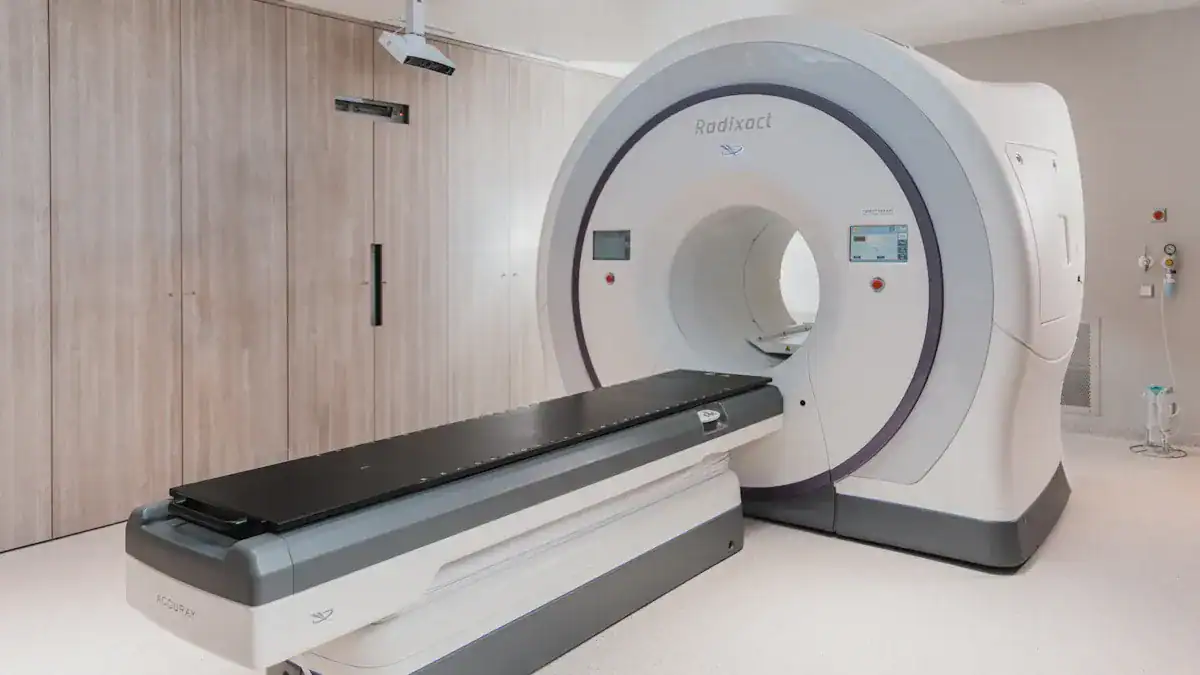
When you experience a twisted knee, getting an accurate diagnosis is crucial. A doctor will use several methods to understand your injury. This helps them create the best treatment plan for you.
Physical Examination
Your doctor will carefully examine your injured knee. They will look for swelling, bruising, and tenderness. They will also check your range of motion. Doctors use specific tests to check your ligament stability. For example, they perform stress tests. These tests apply controlled force to your knee. They look for abnormal movement.
The Lachman Test checks your ACL. Your doctor bends your knee slightly. They then pull your lower leg forward. Too much forward movement suggests an ACL injury.
The Pivot Shift Test also assesses ACL function. It observes how your shin bone rotates.
The Drawer Test checks your PCL. Your doctor looks for backward movement of your shin bone.
Valgus and Varus Stress Tests check your MCL and LCL. Your doctor applies force to the side of your knee. This helps determine if these ligaments are damaged. These tests are key for diagnosing knee sprains.
Imaging Tests
Sometimes, a physical exam is not enough. Your doctor might order imaging tests. X-rays can show bone fractures. They do not show soft tissues like ligaments. An MRI (Magnetic Resonance Imaging) provides detailed pictures of soft tissues. It can show tears in ligaments, cartilage, and tendons. This imaging helps confirm the extent of your injury. It also rules out other problems. Sometimes, an ultrasound is used for certain soft tissue injuries. This type of imaging uses sound waves.
Medical History Review
Your doctor will ask you many questions about your injury and health. This helps them understand what happened.
Previous History: Have you had past knee injuries or surgeries? What treatments did you try before? Do you have other joint conditions?
Pain Characteristics: When did the pain start? Where is it located? How severe is it? What makes it better or worse? Could you continue activity after the injury?
Mechanical Symptoms: Does your knee lock, pop, or give way?
Effusion: When did your knee swell, and how much?
Mechanism of Injury: How did the injury happen? Was there a direct blow? Did your foot stay planted while you twisted? Did you land from a jump?
Twisted Knee Treatment Options
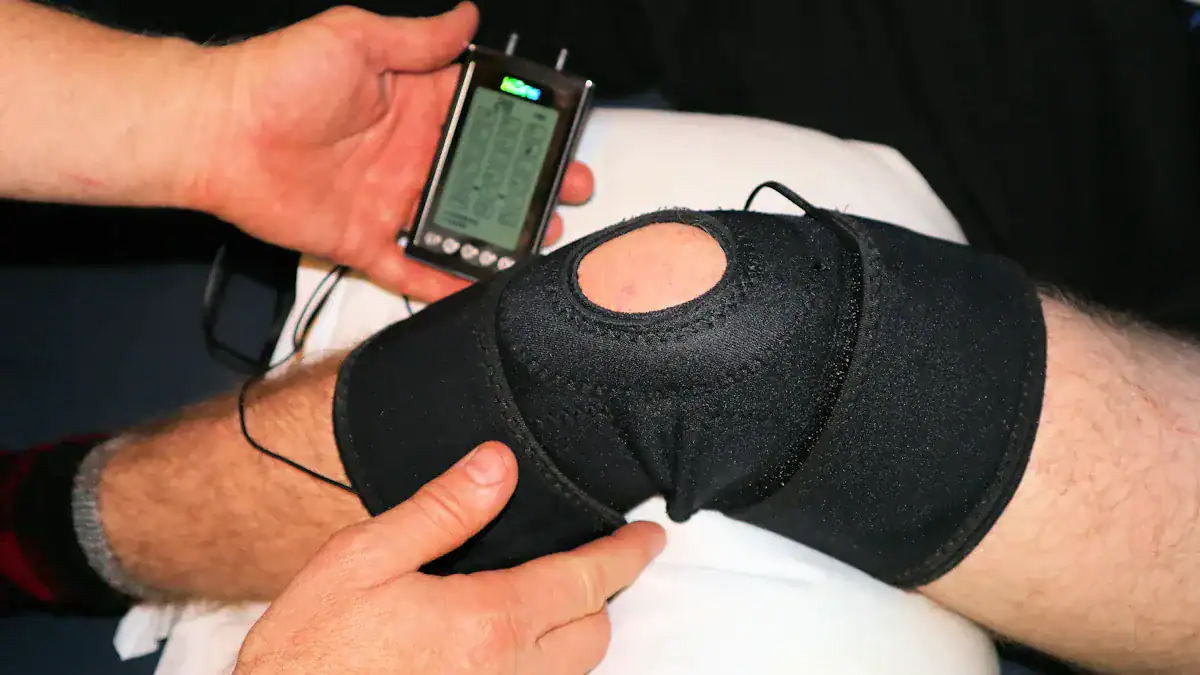
When you experience a twisted knee, several treatment options can help you recover. Your doctor will recommend the best approach based on your injury’s severity.
Immediate First Aid
Right after you twist your knee, you can take immediate steps to reduce pain and swelling. Doctors often recommend the R.I.C.E. protocol. This stands for Rest, Ice, Compression, and Elevation.
Rest: You should avoid putting weight on your injured knee. Stop any activities that cause pain. Resting helps prevent further damage and allows your body to start healing.
Ice: Apply ice to your injured knee. This helps reduce swelling and pain. For a twisted knee, apply ice for about 20 minutes. Then, take a 30 to 40-minute break. This break prevents blood vessels from widening too much. You should repeat this process every two hours during the first 48 to 72 hours after your injury. A realistic approach involves icing for 15 to 20 minutes a couple of times daily. This typical icing schedule does not delay healing.
Compression: Wrap your knee with an elastic bandage. Make sure the bandage is snug but not too tight. It should not cut off your circulation. Compression helps control swelling.
Elevation: Keep your injured knee raised above your heart. You can do this by propping your leg up with pillows. Elevating your knee also helps reduce swelling.
Non-Surgical Treatments
Many twisted knee injuries do not require surgery. Your doctor might suggest several non-surgical approaches.
Pain Management: You can manage pain with over-the-counter medications. Nonsteroidal anti-inflammatory drugs (NSAIDs) like ibuprofen can reduce pain and swelling. However, these medications can have side effects. Common issues include gas, bloating, heartburn, and stomach pain. Ibuprofen specifically has links to kidney problems. More serious side effects, like black stools or severe stomach pain, need immediate medical attention.
Physical Therapy: A physical therapist can guide you through exercises. These exercises strengthen the muscles around your knee. They also improve your knee’s flexibility and range of motion. Physical therapy is crucial for regaining full function.
Bracing: Your doctor might recommend a knee brace. A brace provides support and stability to your injured knee. It can help protect your knee as it heals.
Activity Modification: You will need to change your activities. Avoid movements that put stress on your knee. Gradually return to your normal activities as your knee heals.
Surgical Interventions
Sometimes, a twisted knee injury is severe enough to require surgery. Your doctor will discuss surgical options if non-surgical treatments are not enough. Surgery is often considered in specific situations.
Your knee might buckle, give way, or lock. You may also be unable to straighten your knee. These are mechanical symptoms. They often lead to immediate knee arthroscopy.
You might have a meniscus tear that is at the root of the meniscus. Surgery can prevent arthritis from getting worse.
Younger, active people with traumatic meniscus tears often need knee arthroscopy. This also applies to people who do heavy labor.
Repairing the meniscus is very important for younger patients. It helps preserve cartilage.
You might have other injuries along with your twisted knee. These include an ACL tear, other ligament tears, cartilage damage, or loose bone fragments. These additional injuries can increase the need for surgery.
Your knee might be unstable.
Non-surgical treatments like medications, injections, or physical therapy might not have worked.
Recovery and Preventing Future Knee Injuries
Recovering from a twisted knee takes time. The exact time depends on how severe your injury is. A mild knee sprain usually takes a few weeks to heal.
Rehabilitation Timeline
Your recovery timeline varies greatly. If you have a Grade 1 MCL sprain, you can expect to recover quickly. This type of sprain involves only a slight overstretching of the ligament. You usually recover within a few days to a couple of weeks. For a Grade 1 MCL sprain, recovery often takes about 1 to 3 weeks. This time allows inflammation and irritation to go down. However, a more serious knee injury, like an ACL tear needing surgery, takes much longer. You can usually walk and climb stairs within 4 to 6 weeks after ACL surgery. Athletes in competitive sports might need 9 to 12 months for full recovery. It is important to wait until your ACL reconstruction fully heals before you return to sports. This prevents reinjury.
Importance of Physical Therapy
Physical therapy is very important for your recovery. A physical therapist creates a plan just for you. This plan helps you manage pain and reduce swelling. They use techniques like ice, compression, and manual therapy. You will do exercises and stretches to get your full knee movement back. This improves joint mobility and reduces stiffness. Therapists also give you exercises to strengthen the muscles around your knee. These include your quadriceps, hamstrings, and calf muscles. Strong muscles help your knee stay stable and lower your risk of another injury. Finally, physical therapy includes functional exercises and sport-specific training. This prepares you to safely return to your daily activities or sports.
Prevention Strategies
You can take steps to prevent future knee injuries. Proprioceptive training is very helpful. This training improves your balance, stability, and muscle control. It significantly reduces the chance of lower limb injuries, including knee injuries. Neuromuscular and proprioceptive training can lower your risk of knee injury by a lot.
Choosing the right footwear also plays a big role. Proper athletic shoes give you stability for movements like jumping, stepping, or twisting. They also offer cushioning to absorb impact. This reduces force on your foot and knee. Shoes that do not fit well or lack support increase your risk of athletic injuries. For example, if your feet roll inward, it can twist your lower leg and stress your knee. Good shoes can correct this. Always pick shoes with proper cushioning and arch support. Replace them regularly to keep your knees aligned and prevent injuries.
A twisted knee, often a knee sprain, can range from mild to severe. You need a prompt and accurate diagnosis. This guides your appropriate treatment. Consistent rehabilitation helps you achieve a full recovery. It also prevents another sprain. You can return to your normal activities safely with proper care. Remember, understanding your injury and following medical advice is key to healing.