

You might experience pain below the ribs, also known as epigastric pain. This common discomfort varies greatly in its nature and cause. Sometimes, simple issues like indigestion or overeating cause it. Other times, conditions such as acid reflux, peptic ulcer disease, or even gallbladder problems are responsible. Understanding what triggers your discomfort is crucial.
You need to know when to take action and when to seek medical attention. This post explores the potential causes of pain below the ribs, how medical professionals diagnose it, and various strategies for relief.
Key Takeaways
Pain below your ribs has many causes. These include digestive problems like acid reflux, muscle strains, or issues with organs like your gallbladder or spleen.
Doctors find the cause of rib pain by asking about your symptoms and doing a physical exam. They may also use X-rays, ultrasounds, or CT scans to see inside your body.
You can relieve mild rib pain at home with ice or heat. Over-the-counter pain medicine also helps. For severe pain, doctors may prescribe stronger medicine or special treatments.
Changing daily habits like posture and exercise can help manage rib pain. Avoid smoking and practice deep breathing to support healing.
See a doctor right away if you have severe rib pain with trouble breathing, chest pressure, or pain spreading to your arm. These could be signs of a serious problem.
Understanding Pain Below The Ribs: Causes
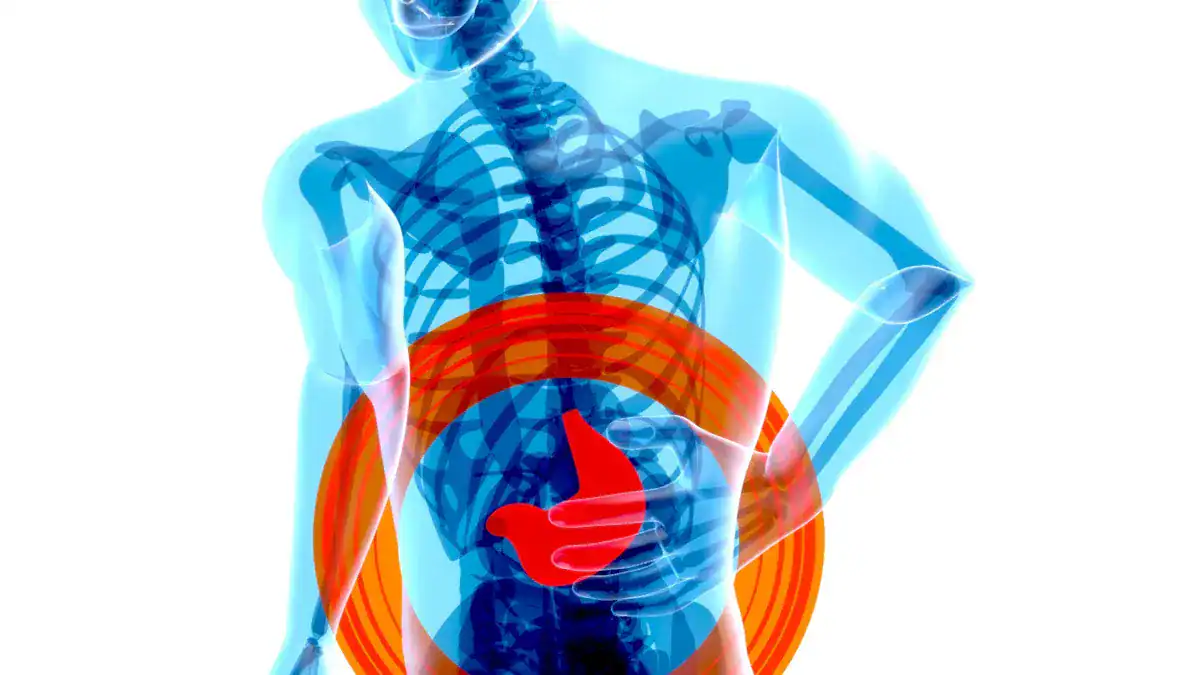
Pain below the ribs can stem from many different sources. You might feel this discomfort in various ways, depending on the underlying issue. Understanding the specific causes of rib cage pain helps you know what steps to take next.
Common Digestive Causes
Many times, your pain below the ribs comes from your digestive system. You might experience a burning sensation or a dull ache.
Acid Reflux (GERD): This is a very common cause of epigastric pain. Stomach acid flows back into your esophagus. This causes heartburn and chest pain. This pain can even extend to the area under your left rib cage. You might feel a sharp, stabbing pain. Sometimes, this intense chest pain can be severe. It can even make you think you are having a heart attack. You may notice a sharp, burning sensation just below your breastbone or ribs. This chest pain often comes with an acidic taste in your mouth. You might also experience food regurgitation or a burning sensation in your throat.
Overeating and Indigestion: Eating too much or too quickly can lead to indigestion. This causes discomfort, bloating, and pain below the ribs. Certain foods, like greasy or spicy items, can also trigger this epigastric pain.
Ulcers: An ulcer is a sore in your stomach lining or small intestine. Digestive acids erode the lining. This can cause upper abdominal pain, bloating, heartburn, and nausea. You might also find you cannot tolerate fatty foods. This condition is also known as peptic ulcer disease.
Gastritis: This means your stomach lining is inflamed. Excessive alcohol use can increase your risk. You might experience vomiting and nausea along with epigastric pain.
Constipation: Difficulty passing stools can cause abdominal pain and bloating. This discomfort can sometimes feel like pain below the ribs.
Musculoskeletal Rib Cage Pain
Sometimes, the pain you feel comes from the structures around your ribs. These are your muscles, bones, and cartilage. These causes of rib cage pain often worsen with movement or deep breaths.
Rib Injuries: You can experience pain from broken ribs, bruised ribs, or fractured ribs. These injuries often result from falls, car accidents, or contact sports. The pain in the rib cage will usually be sharp and worsen with breathing or movement.
Pulled Muscle: You might pull a muscle in your chest wall or between your ribs. This can happen from heavy lifting or strenuous exercise. This muscle strain causes localized rib cage pain.
Costochondritis: This is an inflammation of the cartilage that joins your ribs to your breastbone. It causes sharp, aching, or pressure-like chest wall pain. This pain often gets worse with upper body movement, deep breathing, and exertion. Doctors diagnose costochondritis mainly through your history and a physical exam. They will check if pressing on the costochondral junctions reproduces your pain. This is a key indicator. You might feel pain at multiple sites on the same side of your chest. Ribs three and four are often affected, but any of the seven costochondral junctions can be involved.
Fibromyalgia: This chronic condition causes widespread pain throughout your body. This can include pain in your chest and around your ribs.
Right Rib Pain Causes
Pain below your right ribs can point to issues with organs on that side of your body.
Gallbladder Issues: Conditions like gallstones or inflammation of the gallbladder (cholecystitis) often cause pain under your right ribs. This pain is often sharp or a dull ache. It can get worse after you eat fatty foods. The pain may also radiate to your right shoulder or back.
Liver Conditions: Your liver is on your right side. Conditions like hepatitis (liver inflammation) or fatty liver disease can lead to discomfort in this area. You might feel persistent pain under the right side of your ribs.
Kidney Issues: Your right kidney sits under your lower ribs in your back. Kidney stones or infections can cause pain in your right flank. This pain can extend from your lower rib cage to the front of your abdomen.
Colon Problems: Sometimes, issues like Irritable Bowel Syndrome (IBS) can cause pain that you feel in your lower right abdomen. This can sometimes extend up towards your ribs.
Injuries: Trauma to your right ribs, such as a pulled muscle, bruise, or fracture, can cause sharp pain. This pain often comes from accidents or sports.
Left Rib Pain Causes
Pain below your left ribs can indicate problems with organs located on your left side.
Enlarged Spleen: Your spleen is on your upper left side, near your rib cage. Infections or blood/liver diseases can cause it to enlarge. This leads to pain or a feeling of fullness in your upper left abdomen. This discomfort can extend to your left shoulder or back.
Pancreatitis: This is inflammation of your pancreas. Your pancreas sits on the left side of your belly. Heavy alcohol use or gallstones can cause it. You might experience fever, a fast heart rate, nausea, vomiting, and weight loss.
Irritable Bowel Syndrome (IBS) and Inflammatory Bowel Disease (IBD): These digestive conditions cause persistent abdominal pain. This pain can extend under your left ribs. You might also have symptoms like constipation, diarrhea, and gas.
Costochondritis: As mentioned, this inflammation can cause sharp, stabbing pain on the left side of your rib cage. Coughing, sneezing, or pressure can worsen it.
Causes of Lower Back Rib Pain
When you feel pain below your ribs in your back, it often points to different causes. This lower back rib pain can be quite distinct.
Kidney Stones: These can cause severe pain along your side and back, below your ribs. This pain, called renal colic, may radiate to your belly and groin. The pain often comes and goes in waves. You might also experience painful urination, an urgent need to urinate, or blood in your urine.
Muscle Strain: Overstretching, heavy lifting, or strenuous activities can strain the muscles and ligaments connected to your rib cage. This causes lower back rib pain.
Osteoporosis: This condition weakens your bones. It can lead to tiny fractures in your ribs. This causes pain in your chest or back region.
Pulmonary Embolism: This is a serious condition where blood clots block arteries in your lungs. It can cause severe chest pain. You might feel a sharp, stabbing sensation around your rib cage and back area. This pain intensifies with deep breaths or coughing.
Slipping Rib Syndrome: This happens when your lower ribs move too much. Weakened or damaged connections cause this. It can lead to pain in your lower chest or upper abdomen. This pain can radiate to your back by putting pressure on nerves and tissues.
Other Medical Conditions
Several other conditions can cause pain below the ribs. These might not fit neatly into one category.
Fibromyalgia: This chronic pain condition can cause widespread body pain, including around your ribs.
Shingles: This viral infection can cause a painful rash. If it affects the nerves around your ribs, you will feel pain in that area.
Lung Conditions: Pneumonia or pleurisy (inflammation of the lung lining) can cause pain in the rib cage. This pain often worsens with breathing or coughing.
Relief And Treatment For Rib Pain
You have many ways to find relief from rib pain. These include simple home remedies, medical interventions, and changes to your daily life. Understanding these treatment options helps you manage your discomfort effectively.
At-Home Relief Strategies
You can often manage mild epigastric pain or rib cage pain at home. These simple steps help reduce inflammation and ease your discomfort.
Cold Therapy: Apply an ice pack to the painful area. Wrap the ice pack in a thin towel. Keep it on for 15 to 20 minutes. Do this several times a day, especially in the first 48 hours. This reduces inflammation and numbs the pain.
Heat Therapy: After 48 hours, switch to heat. Use a heating pad, a warm towel, or take a warm bath. Apply heat for 15 to 20 minutes. Heat increases blood flow, relaxes muscles, and helps healing.
Diaphragmatic Breathing: Practice deep breathing. Inhale through your nose. Let your abdomen rise. Then, exhale slowly through your mouth. This technique helps your lungs expand. It also reduces strain on your rib cage pain.
Good Posture: Maintain proper posture. Keep your shoulders back and down. Align your head with your spine. This reduces pressure on your ribs.
Avoid Aggravating Activities: Do not do activities that involve heavy lifting, twisting, or repetitive strain on your rib cage. This allows your body to heal.
Always talk with your healthcare provider before using ibuprofen or naproxen. This is important if you have heart disease, high blood pressure, kidney disease, liver disease, or a history of stomach ulcers or internal bleeding. Never take more than the recommended amount of any medication. Do not take acetaminophen if you have liver disease or reduced liver function.
Lifestyle Adjustments For Pain Management
Making changes to your daily habits can greatly help with pain management. These adjustments support your body’s healing and reduce future discomfort.
Deep Breathing Exercises: These exercises help your lungs fill and empty more easily. They also keep your rib cage flexible.
Regular Exercise: Staying active promotes mobility, flexibility, and healthy posture. This can ease your symptoms. Choose low-impact activities like swimming or biking.
Hot Showers or Baths: These can loosen joints. They reduce pain and inflammation. They also help manage your pain levels.
Sleeping Position: Sleep on a firm mattress in a straight position. Avoid curling up. This can reduce epigastric pain. If you sleep on your stomach, avoid using a pillow. If you sleep on your back, use a thin pillow.
Posture: Maintain good posture when standing, walking, or sitting. This reduces symptoms. Regular exercise and proper sleep positions help you achieve healthy posture.
Ice Packs: Apply ice to the painful area for short periods. This reduces pain and inflammation.
Avoid Smoking: Quitting smoking can lessen symptoms like breathing difficulties. These difficulties can worsen epigastric pain.
How To Treat Lower Back Rib Pain Naturally
Lower back rib pain needs specific attention. You can do certain exercises and stretches to relieve this discomfort. These movements target the muscles and joints in your back and rib area.
Thoracic Self-Mobilization: Lie with your arms outstretched. Place a rolled towel lengthwise on your spine. Make sure your neck has support. Hold this position.
Trunk Rotation Stretch: Lie on your side. Keep your bottom leg straight. Bend your top leg. Place your hands together in front of your chest. Roll back with your top arm. Reach to the floor. Open your chest. Keep your bottom arm on the floor. Hold this stretch.
Thoracic and Pec Mobility: Start by lying on your side. Stack your knees at hip height. Keep your arms straight. Slowly move your top arm overhead. Work your fingertips towards the ground. Rotate through your shoulder and mid-back. Reverse slowly. Breathe deeply at stretchy spots.
Half Cobra Stretch: Start on your stomach and elbows. Place your hands in front. Lift yourself up on your elbows. Pull up one vertebra at a time. This stretches your spine.
Spine Extension: Lie on your stomach. Place your hands together behind your back. Keep your arms straight. Lift your head and trunk as high as possible. Pull your shoulders back. Tuck your chin. Hold, then exhale and lower.
Side Trunk Stretch: Sit in a tailor posture. Raise one arm overhead. Bend to one side. Do not compress that side. Lengthen your spine. Use your opposite hand to apply light pressure on your ribs. This prevents compression. Hold the stretch.
Thoracic Extension Mobility: Place a foam roller on the floor. Get into a kneeling four-point position. Place your wrists on the foam roll. Roll it forward. Stretch your spine. Lower your chest towards the floor.
Trunk/Shoulder Mobility: Get into a quadruped position. Keep your knees together. Place your hands under your shoulders. Reach under with one hand. Then come back. Rotate your trunk to raise your hand towards the ceiling. Increase your range of motion progressively. Keep your knees on the floor. These exercises help with lower back rib pain.
When To Seek Medical Help
You need to know when to seek medical help for pain below your ribs. Some symptoms require immediate attention. Other signs mean you should see a doctor soon.
Urgent Symptoms Requiring Care
Certain symptoms mean you need urgent medical care. Do not delay seeking help if you experience these.
You suspect broken or fractured ribs. This can happen from injuries like car accidents, falls, or sports.
You have difficulty breathing.
You cough up blood.
You have a fever or feel hot and shivery.
You cough up yellow or green mucus.
These signs suggest a serious problem. A fractured rib, for example, needs quick medical review.
Persistent Or Worsening Pain
Sometimes, pain does not go away. You should see a doctor if your rib pain continues.
The pain does not improve with home care.
The pain slowly gets worse.
It affects your daily activities.
Your sleep is interrupted.
Over-the-counter medications do not work.
The pain lasts for weeks after an injury.
Pain persists for no clear reason.
Even intermittent pain, like discomfort lasting for months, needs medical evaluation. For example, pain that comes and goes for 10 months warrants a doctor’s visit.
Accompanying Warning Signs
Rib pain with other symptoms can signal a serious condition. Seek immediate medical treatment if you have severe, unexplained rib pain with these warning signs:
Sudden shortness of breath or trouble breathing.
Heart palpitations.
Chest pressure or tightening.
Sweating.
Feeling lightheaded or dizzy.
Confusion or a change in consciousness.
Difficulty swallowing.
Pain that spreads into your jaw, arm, or back.
Numbness or tingling in your arms or legs.
These symptoms can point to a heart attack. Call 911 immediately if you experience these signs. Nausea, lightheadedness, and fatigue can also be subtle signs of a heart attack. This is especially true for older adults, women, and people with diabetes.
Pain below the ribs can come from many different sources, ranging from minor issues to serious conditions. You must get an accurate diagnosis. This helps you find the right relief. Many diverse options exist for managing your discomfort. If your pain is severe or does not go away, you should always talk to a healthcare professional. They ensure you get proper evaluation and treatment.