

The spleen is often overlooked, yet it plays a crucial role in the body. This small organ performs vital tasks. It sits in the upper left abdomen. The spleen is a key part of the lymphatic system. It also acts as an essential part of the immune system. This guide explores the spleen anatomy, its precise location, and the many functions of the spleen. We will also discuss common spleen conditions and living without a spleen. Understanding spleen function is important for overall health.
Key Takeaways
The spleen is a small organ in your upper left belly. It cleans your blood and helps your body fight off sickness.
The spleen has two main parts: red pulp cleans blood, and white pulp fights germs.
An enlarged spleen can happen from infections or other health problems. A ruptured spleen is a serious injury.
You can live without a spleen, but you need special shots. Other body parts take over some of its jobs.
Protecting your spleen is important for your overall health. It plays a big role in keeping you well.
Spleen Location and Anatomy
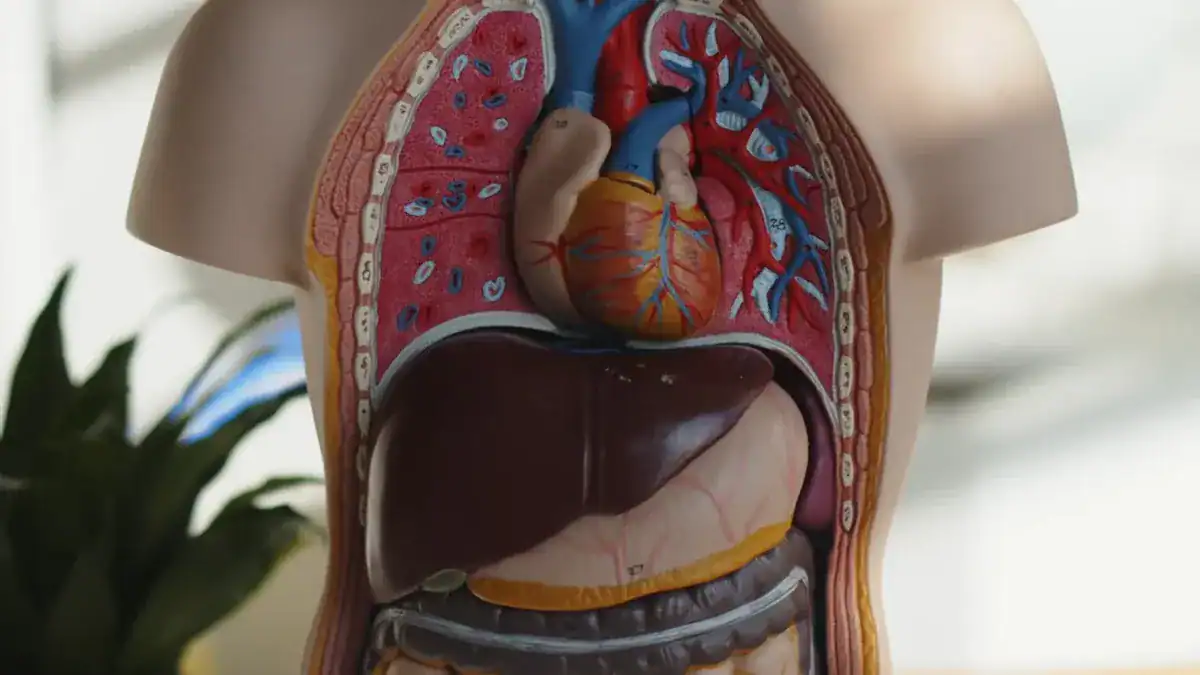
The spleen is a fascinating organ. Its specific placement and structure allow it to perform its many vital roles. Understanding the spleen anatomy helps us appreciate its importance.
The Spleen’s Exact Position
The spleen sits in the upper left part of the abdomen. It rests just under the diaphragm, the muscle that helps you breathe. You can find the spleen behind the stomach. It is tucked away safely under the left rib cage. Doctors often refer to this area as the left hypochondriac region, or the left upper quadrant. The spleen typically lies between the 9th and 11th ribs. This protected location helps shield it from injury.
Size and Shape of the Spleen
The spleen has a soft, purplish appearance. It is an intraperitoneal lymphoid organ. This means it is covered by peritoneum, a membrane lining the abdominal cavity. The spleen is also the largest organ of the lymphatic system. Its size can vary slightly among individuals.
A healthy adult spleen typically measures about 5 inches in length.
It weighs approximately 6 ounces.
In metric terms, its mean length is about 10.68 ± 1.28 centimeters.
Its weight is around 150 grams, with a normal range between 50 and 250 grams.
The size of the spleen is important for its function.
Internal Spleen Structures
The spleen contains two main types of tissue: red pulp and white pulp. These tissues give the spleen its distinct internal structure.
Red Pulp: This part makes up most of the spleen. It acts like a filter for blood. The red pulp removes old, damaged, or abnormal red blood cells. It also stores platelets and red blood cells.
White Pulp: This tissue contains immune cells, such as lymphocytes. The white pulp plays a key role in the immune system. It identifies and fights off infections.
These internal structures work together to keep the blood clean and the body healthy.
Supporting Ligaments and Blood Supply
Several ligaments hold the spleen in its precise location. These ligaments connect the spleen to other organs, like the stomach and the kidney. They provide stability for the spleen.
The spleen requires a rich blood supply to perform its functions. The splenic artery delivers oxygenated blood to the spleen. This artery is also known as the lienal artery. It branches off from the celiac artery. The splenic artery is the longest branch of the celiac trunk. After the spleen processes the blood, the splenic vein carries it away. This vein accompanies the splenic artery. It then drains into the hepatic portal vein, which carries blood to the liver. This efficient blood flow is crucial for the spleen’s continuous operation.
Functions of the Spleen
The spleen performs many vital tasks. It acts as a central hub for blood maintenance and immune defense. The functions of the spleen are crucial for overall health. It primarily works as a blood filter and fights infections.
Blood Filtration and Purification
The spleen constantly filters blood. It removes unwanted materials from the bloodstream. This process helps keep the body healthy. The spleen filters blood-borne pathogens and antigens. It targets specific types of pathogens. These include those causing mononucleosis (mono), syphilis, malaria, and endocarditis. The spleen also removes various bacteria and viruses. This makes the spleen an essential blood filter. It ensures clean blood circulates throughout the body.
Immune System Response
The spleen is a crucial secondary lymphoid organ. It plays a significant role in both innate and adaptive immunity. It acts as a blood filter, removing antigen-antibody complexes and damaged cells. The spleen is the only organ capable of mounting an appropriate immune response to encapsulated bacteria. It houses various immune cells. These include different types of macrophages and specific dendritic cells. These cells help regulate immune tolerance. This counteracts autoimmunity. The spleen is vital for generating specific immune responses and regulating them. It clears antigens from the blood.
It possesses unique and irreplaceable functions among secondary lymphoid organs. Research shows a direct brain-spleen pathway influences adaptive immune responses. The splenic nerve positively modulates the production of spleen cell populations. This happens in response to immunization. The spleen is a critical part of the immune system.
Blood Storage and Recycling
The spleen also stores blood. It holds a reserve of red blood cells and platelets. This reserve can be released into the bloodstream when the body needs it. For example, during times of stress or blood loss, the spleen releases these stored cells. This helps maintain blood volume and oxygen delivery. In humans, the spleen typically stores up to a cup (240 ml) of red blood cells. This ability to store blood makes it a vital organ for emergency situations.
Red Blood Cell Management
The spleen manages red blood cells throughout their lifespan. Red cells have an average life span of about 120 days. After this time, they are cleared by macrophages. These macrophages are specialized immune cells. They engulf old or damaged red blood cells. The spleen is essential for remodeling erythrocytes. It also clears defective red cells. As red cells age, they lose hemoglobin and membrane. This loss occurs due to shedding of hemoglobin-containing microvesicles. The spleen facilitates this “pitting” action. This process removes old or abnormal red blood cells from circulation. It ensures only healthy cells transport oxygen.
Common Spleen Conditions
The spleen, though small, can face various health issues. Understanding these common spleen diseases helps recognize potential problems.
Splenomegaly: Enlarged Spleen
Splenomegaly means an enlarged spleen. Many conditions can cause this.
Infections like mononucleosis or malaria often lead to an enlarged spleen.
Liver problems, such as cirrhosis, can also cause it.
Blood disorders like sickle cell disease or leukemia are common causes.
Inflammatory diseases, including lupus, may also enlarge the spleen.
Doctors diagnose splenomegaly in several ways. A physical exam can suggest it if the spleen is 2-3 times larger than normal. Imaging tests confirm the diagnosis. Ultrasonography is often the first step. A spleen diameter larger than 10 cm generally indicates enlargement.
Spleen Rupture and Trauma
A spleen rupture is a serious condition. It happens when the spleen tears or breaks. Blunt trauma to the abdomen is the most common cause. This can occur from car crashes or sports injuries. Sometimes, an enlarged spleen can rupture more easily from minor trauma. This causes severe spleen pain.
If a spleen ruptures, immediate medical help is necessary. Doctors monitor vital signs. They may perform surgery to repair the organ or remove it. Blood transfusions can stabilize the patient. Embolization is a non-surgical treatment option for some injuries. This procedure stops bleeding.
Functional Asplenia
Functional asplenia means the spleen does not work correctly, even if it is still present. The spleen loses its ability to filter blood and fight infections. Several medical conditions cause this.
Sickle cell disease is a common cause.
Celiac disease can also lead to functional asplenia.
Lupus and advanced HIV infection are other potential causes.
Spleen Cysts and Tumors
Problems with the spleen can include cysts and tumors. Spleen cysts are usually benign, meaning they are not cancerous. Hemangiomas are the most common benign tumors of the spleen. They originate from blood vessels. Malignant tumors, or cancers, in the spleen are rare. Primary malignant lymphoma of the spleen is uncommon. Cancers from other parts of the body can sometimes spread to the spleen, but this is also not very common.
Living Without a Spleen
People can live without a spleen, but they must take certain precautions. A surgical procedure called a splenectomy removes the spleen. This happens for various medical reasons.
Reasons for Splenectomy
Doctors perform a splenectomy when the spleen is damaged or diseased. Traumatic splenic rupture is a common reason. This occurs from injuries like car accidents. Blood disorders also often require spleen removal. These include idiopathic (immune) thrombocytopenic purpura (ITP), which is the most common reason for elective splenectomy. Other blood conditions like thrombotic thrombocytopenic purpura (TTP), hereditary spherocytosis, thalassemia, and sickle cell anemia can also lead to this surgery. The spleen in these cases may destroy too many blood cells.
Body’s Compensatory Mechanisms
The body has ways to cope without the spleen. Other organs take over some of its functions. The liver and bone marrow become more active. They help filter the blood and produce immune cells. The liver also helps remove old red blood cells. The bone marrow continues to make new blood cells. These organs cannot fully replace all functions of the spleen, especially its role in fighting certain infections.
Post-Splenectomy Precautions
Individuals without a spleen need to be careful about infections. Doctors recommend specific vaccinations. These include the pneumococcal vaccine (PCV20), Haemophilus influenzae vaccine (HiB), and meningococcal vaccines (MenACWY and MenB-4C). People should also get vaccinated against S. pneumoniae, N. meningitidis, H. influenzae type b, and the influenza virus. For those without immunity, two doses of live attenuated vaccines for measles-mumps-rubella and varicella are necessary. A booster dose of tetanus, diphtheria, and pertussis vaccine is also important. These vaccinations help protect against serious illnesses.
Long-Term Health Considerations
Living without a spleen increases the risk of certain infections. Bacterial infections, especially from encapsulated organisms, are a known complication. These include bacteria like Streptococcus pneumoniae, Haemophilus influenza, and Neisseria meningitidis.
The spleen normally filters these pathogens. Without it, the body is more vulnerable. Overwhelming postsplenectomy infection (OPSI) is a serious risk. It can be fatal, particularly in younger patients. Individuals also face a higher risk of parasitic infections like malaria. The overall ability to fight any infection is somewhat diminished. Regular medical check-ups and prompt medical attention for any signs of infection are crucial for long-term health.
The spleen plays critical roles in immunity, blood health, and overall well-being. This vital organ filters blood and fights infections. Understanding its precise location and complex spleen anatomy helps appreciate its importance. While one can live without a spleen, knowing its functions and potential issues is crucial. Consult a healthcare professional for any concerns about spleen health or symptoms. Proactive health management and awareness of this vital organ are essential.
FAQ
What is the primary function of the spleen?
The spleen mainly filters blood. It removes old or damaged red blood cells. The spleen also helps fight infections. It produces immune cells that protect the body from germs.
What happens if your spleen is removed?
You can live without a spleen. Other organs, like the liver, take over some of its jobs. However, you become more vulnerable to certain infections. Doctors recommend specific vaccinations after spleen removal.
What are common symptoms of an enlarged spleen?
An enlarged spleen often causes no symptoms. When symptoms appear, they include pain or fullness in the upper left abdomen. You might also feel tired, have easy bleeding, or get frequent infections.
What is the difference between red and white pulp in the spleen?
The spleen has two main parts. Red pulp filters blood and removes old red blood cells. White pulp contains immune cells. It helps the body fight off infections.


