

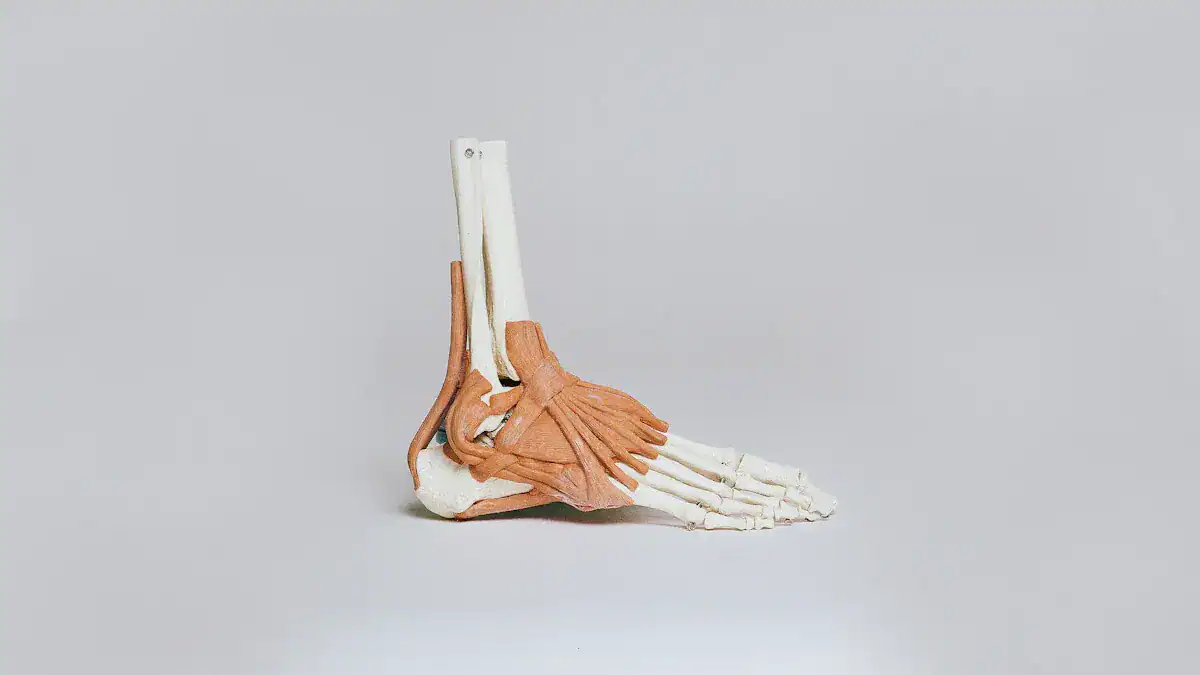
You might hear about a plantar calcaneal enthesophyte, commonly known as a heel spur. This is an abnormal bony outgrowth or calcium deposit on the inferior part of your heel bone.
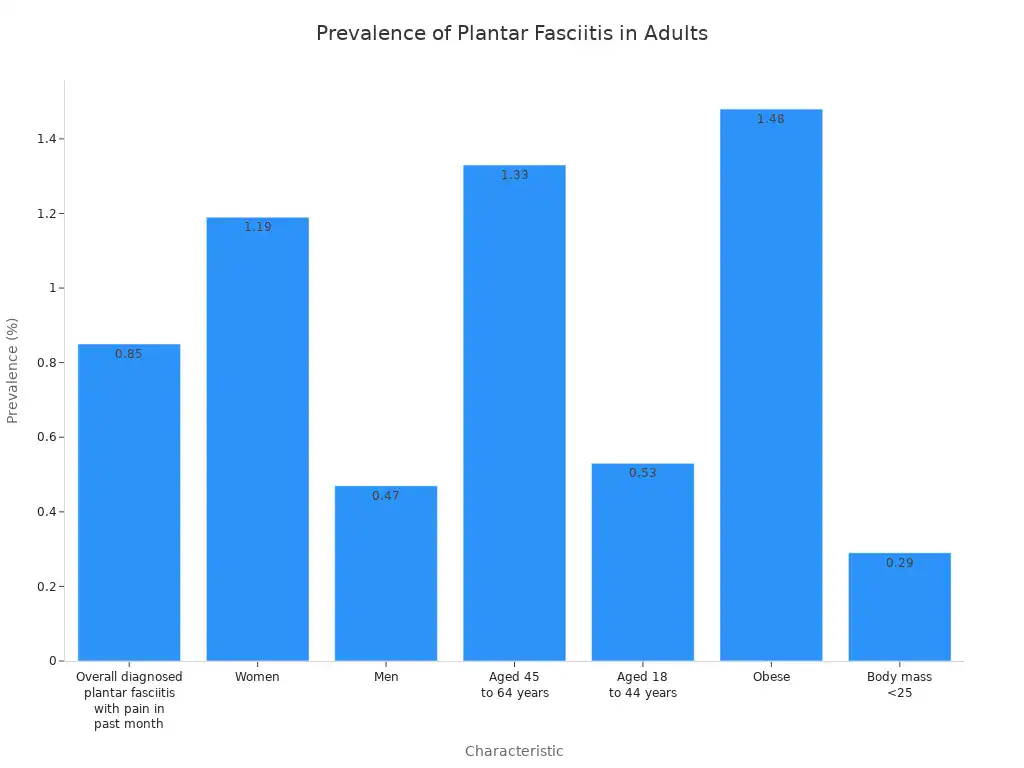
Many believe these heel spurs always cause heel pain. However, you might be surprised to learn that up to 61% of individuals have heel spurs without experiencing any pain. Often, the pain you feel comes from conditions like plantar fasciitis or from soft tissue inflammation around the spur. Plantar fasciitis affects about 1 in 10 people, and its prevalence varies:
This blog will demystify heel spurs, explore their causes, and provide effective relief strategies.
Key Takeaways
Heel spurs are bony growths on your heel bone. They do not always cause pain.
Pain from heel spurs often comes from inflamed soft tissues, like plantar fasciitis.
You can relieve heel pain with rest, ice, supportive shoes, and stretches.
Physical therapy and exercises help strengthen your foot and improve flexibility.
Surgery is a last option if other treatments do not work after a year.
Understanding Heel Spurs & Pain
What is a Plantar Calcaneal Enthesophyte
A plantar calcaneal enthesophyte is a bony growth on your heel bone. You might also call it a plantar calcaneal spur. This bony outgrowth forms on the calcaneal tuberosity, which is the bottom part of your heel. These enthesophytes are often found where your plantar aponeurosis connects to the medial tuber calcanei. They can also appear where your Achilles tendon inserts at the back of your heel. For a bony growth to be a true heel spur, it must be larger than 2 mm. This size helps distinguish it from simple irregularities on the bone’s surface.
Heel Spurs vs. Plantar Fasciitis
Many people confuse heel spurs with plantar fasciitis, but they are different conditions. Plantar fasciitis is an inflammation of the plantar fascia, a thick band of tissue running along the bottom of your foot. This tissue connects your heel bone to your toes. Heel spurs often develop as a result of long-term stress on the plantar fascia.
When you have plantar fasciitis, the constant pulling and tension on the fascia can cause your body to lay down extra bone material, forming a spur. So, while you might have calcaneal spurs, the primary source of your heel pain is often the inflamed plantar fascia itself.
When Heel Spurs Cause Pain
You might wonder when a heel spur actually causes pain. Most of the time, heel spurs do not cause pain directly. They become problematic and painful when they press on sensitive soft tissues around your heel.
This pressure leads to irritation and inflammation in your heel and the sole of your foot. You feel pain when excessive pressure is applied to your heel. Pain also arises when you place weight on your feet, causing the bony spur to impact surrounding bones and tissues. This constant irritation and inflammation around the spur are what cause your heel pain, not the spur itself in many cases.
Causes & Risk Factors of Heel Spurs
Understanding the causes of heel spurs helps you prevent them. Several factors contribute to heel spur formation. These factors often involve long-term stress on your foot structures.
Biomechanical Stress & Foot Structure
Your foot’s structure and how it moves play a big role in heel spur formation. Long-term stress on your plantar fascia and foot muscles can lead to these bony growths. Repeated tearing of the membrane covering your heel bone also contributes. Constant tension on the plantar fascia insertion point is a key factor.
Excessive tension from the plantar fascia can cause tiny tears where it connects to your heel bone. These micro-tears, along with the ongoing pull of the fascia, trigger the formation of a spur on the bottom of your heel. This spur is a secondary development from this excessive tension. Chronic stress on the plantar fascia causes it to pull on its attachment point on the heel bone. This continuous tension stimulates your body’s natural bone-forming response. It leads to the deposition of calcium. Over time, this calcium accumulation forms a heel spur.
Certain foot biomechanical issues increase your risk. You might have:
Flat feet.
Overpronation, where your foot rolls inward too much.
Rigid feet with poor mobility and flexibility. These feet cannot absorb shock well.
Excessive pronation of your ankle and feet. Other biomechanical issues also contribute.
Muscle imbalances and dysfunction. These can lead to overuse.
Abnormal walking and running patterns. These patterns place extra stress on your heel bone and ligaments. Your Achilles tendon and other tendon structures can also be affected.
Activity & Lifestyle Factors
Your daily activities and lifestyle choices significantly impact your risk of developing heel spurs. Certain activities put more strain on your feet.
Activities involving repetitive impact or prolonged standing increase your risk. These include:
Running 🏃♀️
Gymnastics 🤸
Any activities involving repetitive jumping ⛹️
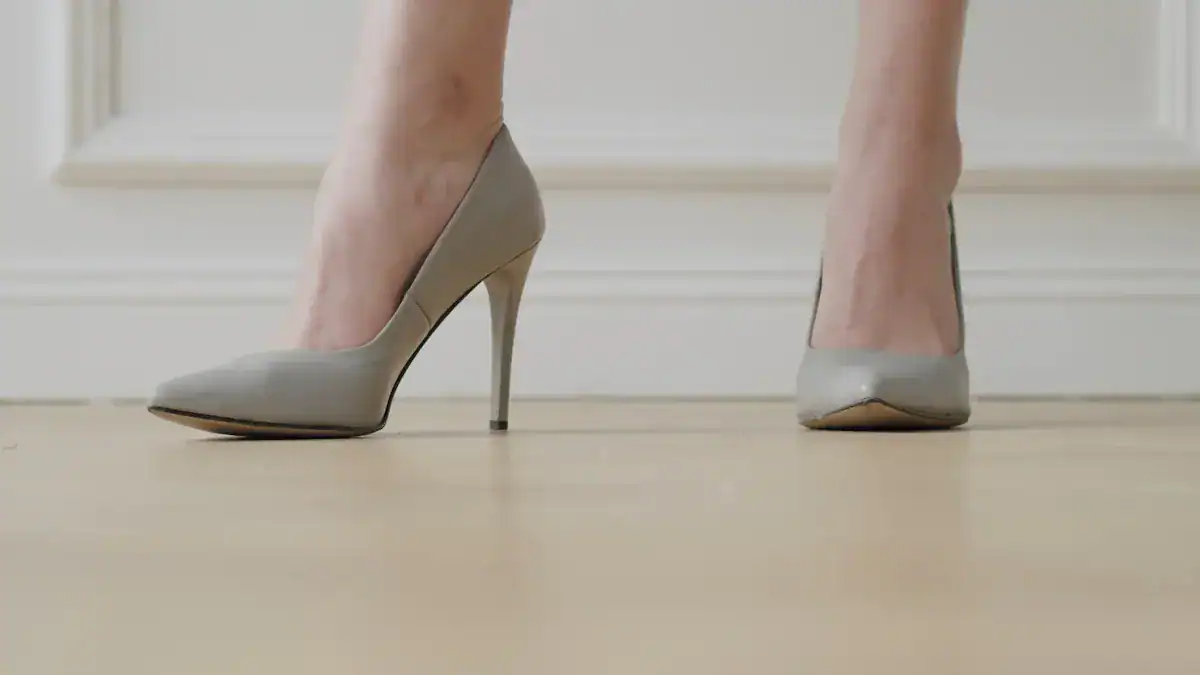
If your job requires you to stand for many hours, you also face a higher risk. Poor footwear choices, like shoes without proper arch support or cushioning, also contribute to the causes of heel spurs. These choices increase stress on your plantar fascia and tendon attachments. This constant stress can lead to heel spur formation.
Age, Weight & Other Factors
Several other factors can increase your likelihood of developing calcaneal spurs. Age is one factor. As you get older, the tissues in your feet, including the plantar fascia and various tendon structures, can lose elasticity. This makes them more prone to injury and stress.
Your body weight also plays a crucial role. Obesity is a significant factor in the development of calcaneal spurs. Studies consistently show a positive correlation between body weight and spur formation.
A high Body Mass Index (BMI) contributes to heel spur development through several mechanisms. These include increased vertical loading, altered gait biomechanics, and degenerative changes in foot structure. Obesity-related chronic inflammation also plays a part. A study by Menz et al. (2008) showed that individuals with plantar calcaneal spurs were 6.9 times more likely to be obese. This was true even after adjusting for age and gender. A high BMI is an independent predictor for painful heel spurs.
Other factors include certain medical conditions, such as arthritis or diabetes. These conditions can affect foot health and increase your susceptibility to heel spurs.
Symptoms & Diagnosis
Understanding the symptoms of heel spurs helps you seek proper care. Knowing how doctors diagnose heel spurs is also important.
Common Heel Spur Symptoms
You might experience various symptoms associated with heel spurs. The most common complaint is heel pain. This pain often feels sharp, especially with your first steps in the morning. This happens because your plantar fascia tightens overnight. It then stretches suddenly when you stand. You may also feel persistent heel pain centered at the bottom of your heel. This pain can last for weeks or months. It often worsens after physical activity or standing for a long time. Your heel area might also feel tender to the touch. You could notice mild swelling due to inflammation in the surrounding tissues. These are typical symptoms of heel spurs.
Diagnostic Process
When you visit a doctor for heel pain, they will start with a physical exam. They will ask about your symptoms. They will also check your foot for tenderness and swelling. The doctor will press on different parts of your heel to pinpoint the exact location of your pain. They will also assess your foot’s flexibility and strength. This helps them understand the cause of your chronic plantar heel pain. This process helps them diagnose heel spurs or other related conditions.
Imaging for Confirmation
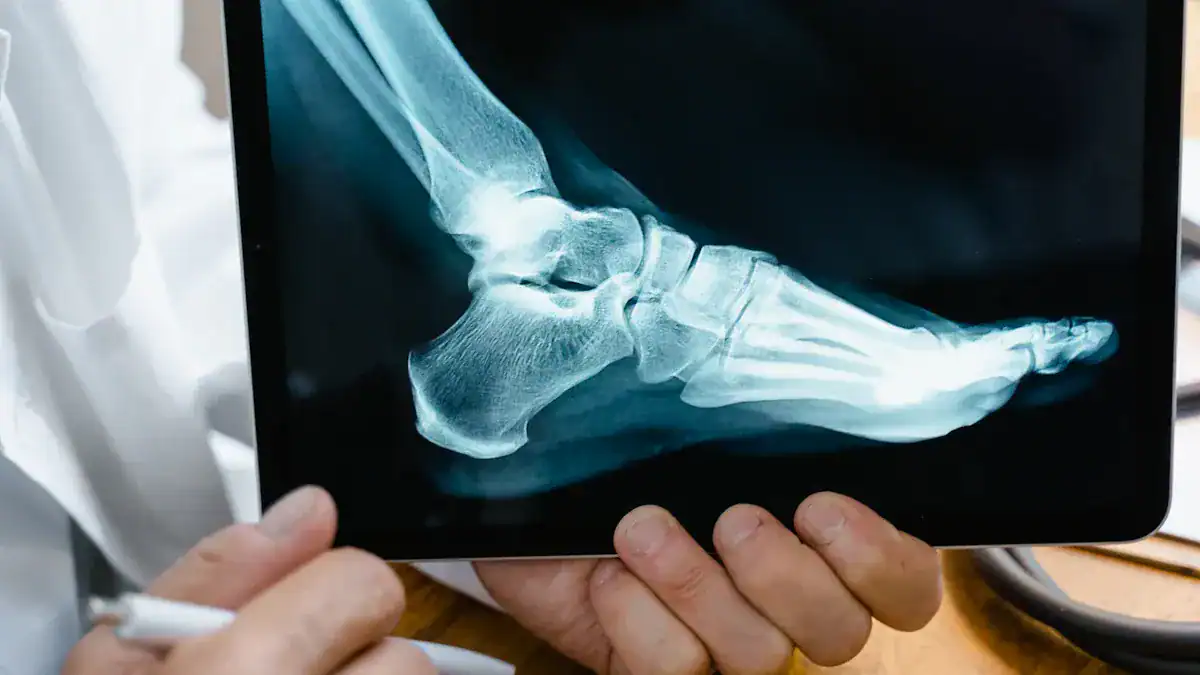
To confirm the presence of a heel spur, your doctor may order imaging tests. Plain radiography, or X-rays, can clearly show calcaneal spurs. X-rays provide a good overview of any bone changes in your heel.
Magnetic Resonance Imaging (MRI) can also confirm a heel spur. An MRI can show bone marrow edema within the spur. This indicates localized inflammation. Ultrasound is another tool doctors use. It helps assess plantar fascia disorders. While useful for soft tissues, X-rays and MRIs are often more direct for confirming the bony spur itself.
Heel Spur Relief Strategies
You have many options to find relief from heel pain caused by heel spurs. These strategies range from simple home remedies to more advanced medical interventions. You can often manage your symptoms effectively with a combination of approaches.
Home Remedies & Self-Care
You can start your journey to relief right at home. Consistency is key with these methods, and healing often takes several weeks to a few months.
Rest, Ice, Compression, Elevation (RICE): This method helps reduce inflammation and pain.
Rest: Avoid activities that make your pain worse.
Ice: Apply an ice pack to your heel for 10-15 minutes several times a day. You can also roll your foot over a cold or frozen water bottle. This helps alleviate inflammation and pain.
Compression: Use a bandage to gently compress the area if it helps.
Elevation: Raise your foot above your heart when resting.
Epsom Salt Soaks: Add one cup of Epsom salt to warm water. Soak your feet twice daily for 20-30 minutes. The magnesium sulfate in Epsom salt helps reduce inflammation.
Flaxseed Oil Application: Soak a towel in warm water mixed with flaxseed oil. Wrap it around your heel. Place a heating pad over it for up to an hour. Flaxseed oil contains omega-3 fatty acids that fight inflammation.
Massage: Roll a tennis ball or foam roller under your foot. Apply pressure to increase blood flow and promote healing.
Supportive Footwear: Always wear comfortable shoes with firm heel support. Look for moderate flexibility and a slightly elevated heel (no more than 1 inch). This is important even when you are at home.
Over-the-Counter (OTC) Pain Relievers: Medications like aspirin, ibuprofen (Advil, Motrin), and naproxen sodium (Aleve) can reduce inflammation and pain. Acetaminophen can relieve pain but does not reduce inflammation. Talk to a doctor if you have kidney problems or a history of stomach bleeding.
Non-Surgical Treatments
If home remedies do not fully relieve your pain, your doctor might suggest other non-surgical options.
Orthotic Inserts: These devices fit into your shoes to provide extra support and cushioning.
Gel Inserts: These offer soft cushioning and absorb shock to ease pain.
Foam Inserts: These provide firm support and help spread pressure evenly.
Custom Orthotics: A podiatrist designs these specifically for your foot structure. They give targeted support and correct alignment. Custom-fitted orthotics are highly beneficial for optimal results.
Nonsteroidal Anti-inflammatory Drugs (NSAIDs): Your doctor might recommend a course of NSAIDs, such as naproxen or ibuprofen. You can take these for 10 to 14 days. They help reduce inflammation and pain associated with plantar fasciitis, a common cause of heel pain. Do not use NSAIDs for more than 10 consecutive days without talking to a healthcare provider.
Corticosteroid Injections: Your doctor can inject corticosteroids directly into the affected area. These injections can offer better short-term results for heel spurs compared to other conservative treatment methods. For example, in one study, 62.5% of patients experienced complete or near-complete pain relief after an injection. Another study showed 40.9% of individuals had favorable outcomes. However, their effectiveness often decreases after about 36 months. You should combine injections with other therapy like stretching and weight management for lasting benefits.
Physical Therapy & Exercises
Physical therapy is a crucial part of your treatment for heel spurs. It helps strengthen your foot and calf muscles and improves flexibility. Both strengthening and stretching exercise programs, including Achilles tendon stretching, can greatly reduce pain and improve walking.
Here are some exercises you can do:
Plantar Fascia Stretch: Sit in a chair and cross your injured heel over your opposite leg. Pull your toes toward your shin to create tension in the arch of your foot. Hold for 10 seconds and repeat 2-3 times.
Calf Stretch (Wall Lean): Lean your hands against a wall. Straighten the knee of your affected leg and bend the other knee in front. Keep both feet flat on the ground. Hold the stretch for 10 seconds and repeat 2-3 times. This reduces tension in your Achilles tendon and calf.
Towel Curls: Sit on a chair with both feet flat. Place a small towel in front of your feet. Grasp the center of the towel with your toes. Curl the towel toward your heel. Relax your foot and repeat five times. This strengthens your foot and arch muscles.
Ball Roll: Sit tall on a chair. Place a ball or another rollable object under your foot. Roll the object back and forth for 2 minutes. A frozen water bottle works well here, as the ice helps reduce inflammation.
Heel Drops: Stand with the balls of your feet at the edge of a bottom step. With your heels hanging off the edge, slowly lower your heels just below the edge. You will feel a stretch in your calf muscle. Slowly rise onto the balls of your feet. Repeat this 10 times for two sets.
Toe Towel Grab: Place a small towel under your foot. Curl your toes to grip it. Raise the front of your foot, hold, then release and spread your toes. This strengthens and stretches your foot arches.
When Surgery is Considered
You might wonder if you will need surgery for heel spurs. Doctors consider surgical intervention a last resort. This means you would only consider it after 12 months of unsuccessful non-surgical treatment.
When Surgery is Necessary: Your doctor may recommend surgery for heel spurs if your heel pain does not improve or worsens after a year of other treatment methods. Surgery might also be an option if your heel spur is very large.
Success Rates: Heel spur surgery generally has a high success rate. About 85-90% of patients experience significant pain relief. One study reported that 97.5% of patients were satisfied with the procedure. Bone spur surgeries have an outstanding success rate of approximately 95%.
Recovery Time: Recovery from heel spur surgery varies. It typically takes 6-10 weeks before you can fully bear weight and walk without assistance. It can take 3-6 months before you return to regular exercise routines. You will likely wear a bandage for about two weeks and may need crutches. Physical therapy is vital during recovery. It involves gentle exercises to improve range of motion and prevent stiffness. Full recovery can sometimes extend up to three months.
Preventing Heel Spurs & Recurrence
You can take proactive steps to prevent the formation of new heel spurs or stop existing ones from returning. These strategies focus on supporting your feet and managing stress.
Proper Footwear Choices
Choosing the right shoes is crucial for preventing heel spurs. You need footwear that provides comfort and support. Look for shoes with deep heel cushioning and gel inserts.
These features absorb impact and relieve sharp heel pain. Contoured heel cups cradle and support your heel, reducing morning stiffness. You also benefit from pressure redistribution technology. This shifts weight away from the spur site, helping with chronic inflammation.
Advanced arch support systems maintain proper foot alignment. This relieves pain that worsens during extended standing. Shock-absorbing midsoles and stability features protect against jarring movements during high-impact activities. A deep heel cup design enhances stability and prevents overpronation. This minimizes direct impact on your heel.
Stretching & Strengthening
Regular stretching and strengthening exercises help prevent heel spurs. You should focus on your plantar fascia and Achilles tendon. Stretching your plantar fascia keeps it flexible. This reduces tension on your heel bone. Strengthening the muscles in your feet and lower legs provides better support. This also improves your foot mechanics. A flexible Achilles tendon is also important. It reduces strain on your heel.
Lifestyle Adjustments
Your lifestyle choices significantly impact your risk of heel spur development. Maintaining a healthy weight is crucial. Excess weight increases strain on your heel and foot.
This raises the likelihood of spur formation. Reducing this pressure through weight management improves foot health. You can also alleviate discomfort. Consider reducing physical activities that place excessive strain on your feet. Take more breaks during activities. Switch to low-impact exercises like swimming or cycling. These changes reduce stress on your heel.
You now understand that a plantar calcaneal enthesophyte, also known as a heel spur, is a bony growth.
This enthesophyte often forms due to underlying issues like plantar fasciitis, not always causing direct pain. The true causes of your heel pain often stem from soft tissue inflammation. Early intervention and a multi-faceted treatment approach are important. Consistent preventive measures help manage your heel. Consult a healthcare professional for personalized diagnosis and treatment plans. Effective relief and management of your plantar calcaneal enthesophyte are achievable.