


Noticing the swelling of one arm can certainly alarm you. Your arm may look larger or feel different. While some causes are minor, like bug bites, bruises, or a simple injury, others require medical attention. You might experience swelling due to an infection or an allergic reaction.
Understanding the potential causes behind unilateral arm swelling is crucial. You also need to recognize associated symptoms. This knowledge helps you take appropriate steps for relief or seek medical consultation.
Key Takeaways
Many things can make one arm swell, like injuries, bug bites, or infections. Medical problems like blood clots or issues with your body’s fluid system can also cause swelling.
Watch for other signs with a swollen arm, such as pain, redness, warmth, or trouble moving it. These signs help you know what might be wrong.
You can help a swollen arm at home by lifting it up, using cold or warm packs, and doing gentle exercises. Take off tight clothes or jewelry.
See a doctor if your arm swelling does not go away, gets worse, or comes with fever or trouble breathing. These signs mean you need medical help right away.
Common Causes of Swelling of One Arm
When you notice swelling of one arm, many everyday reasons can explain it. These common causes of swollen arms often result from your daily activities or minor incidents. Understanding these causes helps you know when to manage the issue yourself or seek help.
Injury or Trauma
A physical injury or trauma is a very common reason for swelling in the arms. When you hurt your arm, your body sends fluid and immune cells to the injured area. This process helps with healing but also causes swelling. You might experience this after a fall, a direct hit, or even a minor accident.
Specific types of injuries can lead to significant swelling. These include:
Acute musculoskeletal injuries, like sprains or fractures.
Orthopedic injuries, which affect your bones, joints, ligaments, and muscles.
Compartment syndrome, a serious condition where pressure builds up inside a muscle compartment.
Vascular injuries, which damage blood vessels.
Arteriovenous fistulas (AVFs), especially those from penetrating trauma or after surgery. These can also form due to inflammation.
Sometimes, arm swelling can be part of a larger issue called superior vena cava (SVC) syndrome. This condition can also cause facial swelling or make the veins in your neck look larger.
Insect Bites and Stings
An insect bite or sting can easily cause swelling of one arm. Your body reacts to the insect’s venom or saliva. This reaction often leads to localized swelling, redness, and itching.
Some insect stings are known to cause a large local reaction. For example, a sting on your forearm can make your entire arm swell. Stings from honeybees, hornets, wasps, yellow jackets, and fire ants often cause allergic reactions. These reactions can include swelling that spreads beyond the sting site.
A large local reaction means the swelling is generally more than three inches around the sting. This type of swelling can peak two to three days after the sting. It might even last a week or more.
Allergic Reactions
Beyond insect stings, other allergic reactions can cause swelling in one arm. You might touch something you are allergic to, like certain plants or chemicals. Your body’s immune system overreacts, releasing chemicals that cause blood vessels to leak fluid. This leakage leads to swelling.
Food allergies or reactions to medications can also cause localized swelling, though this is less common for only one arm.
Infection or Cellulitis
An infection in your arm can cause significant swelling. Cellulitis is a common type of bacterial skin infection.
It makes the affected area red, warm, tender, and swollen. You might get cellulitis if bacteria enter your skin through a cut, scrape, or insect bite. The infection causes inflammation, and this inflammation leads to the swelling. Without treatment, the infection can spread.
Overuse or Strain
Repetitive movements or too much physical activity can strain your arm muscles and tendons. This strain can lead to inflammation and swelling. This is a common issue for many people.
Many activities and jobs can cause this type of swelling:
Workers with physically demanding jobs often experience this.
Athletes who use their arms a lot, like tennis players or baseball players.
Musicians who play instruments for long periods.
People who sit at a desk or use a computer often, especially with repetitive typing.
Specific actions that cause overuse or strain include:
Playing sports like tennis, golf, or baseball, which require repetitive movements.
Typing for extended periods.
Lifting a baby, especially for new mothers, which can cause de Quervain’s tenosynovitis (a type of tendon inflammation).
Knitting and needlepoint.
Jobs that involve twisting the wrist, such as using a screwdriver.
Excessive video game playing with small thumb movements.
Playing an instrument, which can cause finger tendon swelling.
Using hand tools frequently.
Operating a machine often.
Starting a new exercise routine without proper warm-up, which can lead to muscle strains.
Other common activities include:
Swinging a hammer.
Swinging a tennis racquet.
Working at a computer (keyboarding).
Playing a musical instrument.
Repetitive work.
Chasing after children.
These activities put stress on your arm, leading to inflammation and swelling.
Medical Causes of Arm Swelling
Sometimes, the reasons for arm swelling are more serious. These medical conditions require a doctor’s diagnosis and treatment. You should understand these potential causes.
Lymphedema
Lymphedema happens when your lymphatic system does not work correctly. This system helps drain fluid from your body. If lymph nodes or vessels are damaged or blocked, fluid builds up.
This causes chronic swelling. You might develop lymphedema after cancer treatment, especially if you had lymph nodes removed or radiation therapy. The swelling can be mild or severe.
Deep Vein Thrombosis (DVT)
Deep Vein Thrombosis (DVT) means a blood clot forms in a deep vein. When this happens in your arm, it can cause sudden and painful swelling. Several factors increase your risk for DVT.
A central venous catheter (CVC) is a very strong risk factor. Other risks include prothrombotic mutations, surgery, and immobilization of your arm, like in a plaster cast.
Oral contraceptive use and a family history of DVT also increase your risk. Injury to a vein, such as from a bone fracture or severe muscle injury, can also lead to DVT. Conditions that make your blood clot more easily, like cancer or autoimmune disorders, also raise your risk.
Peripheral Edema
Peripheral edema means fluid retention in your body’s tissues. When it affects only one arm, you might notice specific symptoms. Your affected arm may appear swollen and puffy. It can feel heavy, achy, or stiff.
The skin in the swollen area might feel tight or warm. You might also see pitting, where a dent stays after you press the skin. If an injury caused the edema, your arm may appear bruised or discolored.
Cysts or Tumors
Growths like cysts or tumors can also cause swelling of one arm. Ganglion cysts are common. They are fluid-filled lumps often found near joints like your wrist or elbow. They usually cause no symptoms other than the lump itself.
Other growths include dermatofibromas, which are hard skin tumors, and angiolipomas, which contain blood vessels and fat. More serious causes include soft tissue sarcomas. These are rare cancers that can start in your arm’s soft tissues. Examples include adult fibrosarcoma or leiomyosarcoma. These growths can cause noticeable swelling.
Thoracic Outlet Syndrome (TOS)
Thoracic Outlet Syndrome (TOS) occurs when blood vessels or nerves between your collarbone and first rib get compressed. Venous TOS (VTOS) specifically affects the veins. You might experience deep pain in your upper limb, chest, or shoulder. This pain often worsens with activity. You will also notice swelling and a bluish discoloration (cyanosis) in your arm. These signs are important indicators of VTOS.
Heart or Kidney Conditions
Heart or kidney conditions can lead to fluid buildup in your body. While these conditions usually cause swelling in both arms or legs, they can sometimes contribute to unilateral swelling if other factors are present. Your heart or kidneys may not effectively remove excess fluid. This leads to general fluid retention.
Key Symptoms of Arm Swelling
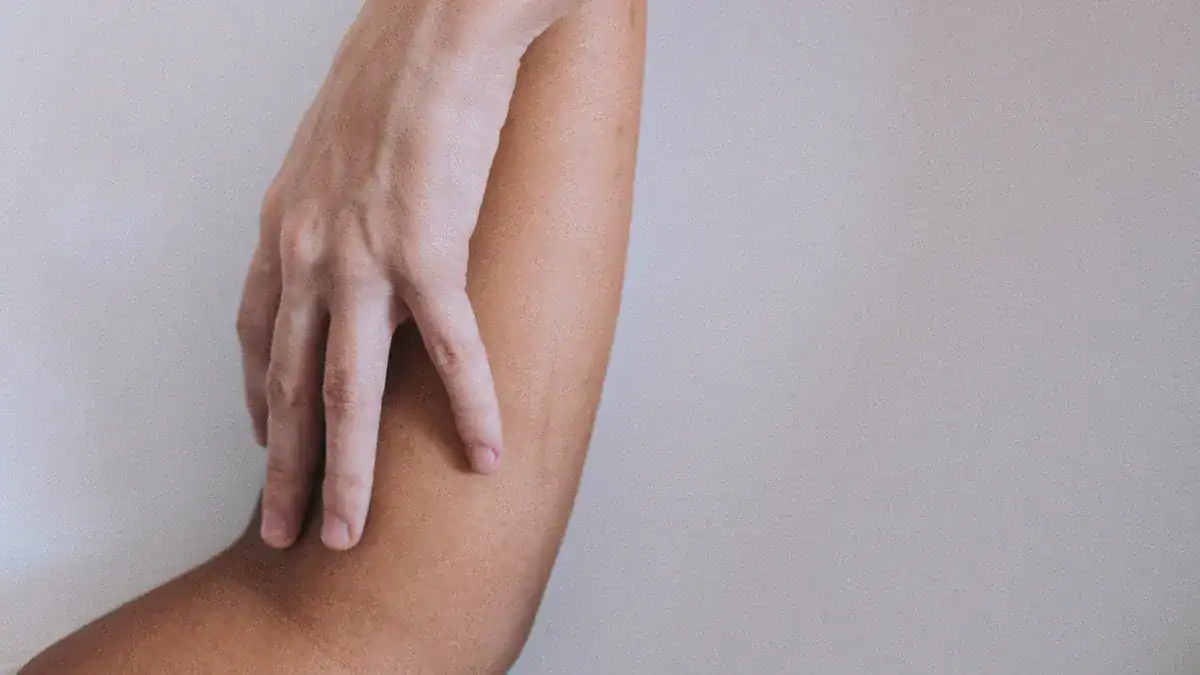
When you notice one arm is swollen, you might also experience other signs. These accompanying symptoms help you understand the cause. Paying attention to these details is important.
Pain or Tenderness
You might feel pain or tenderness in your arm. This pain can vary. For example, an injury like a sprain or fracture causes pain and swelling.
Infections such as cellulitis or abscesses lead to soreness, redness, warmth, and swelling. Inflammation, like bursitis or tendonitis, also brings soreness and swelling. Blood clots, or deep vein thrombosis, result in pain and swelling. Lymphedema, which is fluid buildup, causes discomfort and swelling. Blocked veins can also make your arm sore and swollen.
Redness or Warmth
Your arm may look red or feel warm to the touch. These signs often point to inflammation or infection. If you see redness, warmth, and pain in your skin, it can mean you have an infection. You should contact a healthcare team right away if you notice these symptoms.
Itching or Rash
Sometimes, you will see a rash or feel itchy. Different types of rashes can appear with arm swelling. Chronic hives cause raised red welts that itch and swell. Eczema rashes make your skin itchy, swollen, red, and sometimes scaly. A drug allergy can also cause hives and swelling. Flea bites can lead to a significant rash with blisters and swelling if you are allergic.
Skin Changes and Discoloration
You might notice changes in your skin’s appearance. The skin on your swollen arm can look stretched or shiny. It might also appear discolored, perhaps redder or even bluish, depending on the cause. Pressing on the skin might leave a temporary dent, which doctors call pitting edema.
Restricted Movement
Arm swelling can limit how you move your arm. You might find it hard to bend your elbow or lift your arm. Long-term arm swelling can lead to more serious problems. For example, prolonged swelling can affect your shoulder joints. It can even cause issues like rotator cuff tears. Restricted movement can also make swelling worse. This happens because muscle movement helps drain fluid.
Fever or Chills
If you have an infection, you might also experience fever or chills. These are signs your body is fighting off an illness. For instance, lymphangitis, an infection of the lymphatic vessels, often comes with fever and chills. These systemic symptoms mean the infection is more severe.
Home Relief for Arm Swelling
You can take immediate steps at home to ease arm swelling. These practical actions often provide quick relief. Remember to stay hydrated. Drinking enough water supports your body’s overall wellness. It can sometimes help reduce fluid retention.
Elevation of the Arm
Elevating your arm helps reduce swelling. You can elevate your arm at a 90-degree angle for 5 minutes. This helps drain excess fluid. Keeping your arm above your heart uses gravity. This improves circulation. It helps your body reabsorb fluid.
Consistent elevation throughout the day enhances these benefits. It promotes quicker recovery. Even a 30-degree elevation can significantly reduce forearm and hand volume in just 2 hours.
Cold or Warm Compresses
Applying compresses can also help. For cold therapy, wrap an ice pack or ice cubes in a thin cloth. Apply ice for 15-20 minutes at a time. Avoid prolonged contact to prevent tissue damage. Allow your skin to return to normal temperature before reapplying ice.
Aim for at least a 20-minute break. Elevate the injured area while applying ice. Apply ice every 1 to 2 hours during the initial 48 hours after an injury. For warm therapy, ensure the heat source is not too hot. Use a warm, not hot, setting on heating pads or warm towels. Always use a cloth between the heat source and your skin. Apply heat for 15-20 minutes. Give your skin time to cool down between applications. Do not use heat on a swollen, red, or hot area.
Gentle Movement and Exercise
Gentle movement can improve circulation and reduce fluid buildup. Try deep breaths. Place your hands on your belly. Press inward. Feel your belly expand with a deep breath. Repeat this 4-5 times.
Do neck rotations. Stand straight. Look over each shoulder. Return to the center. Repeat 8-10 times in each direction. Perform shoulder rolls. Bring your shoulders up to your ears. Then roll them back down in a circular motion. Repeat 8-10 times in each direction. These movements are a simple treatment for swelling.
Avoiding Tight Clothing or Jewelry
Tight clothing or jewelry can restrict blood flow. This can make swelling worse. Remove any rings, bracelets, or tight sleeves from your affected arm. This simple step helps improve circulation. It allows fluid to move more freely.
When to See a Doctor for Swelling
You might wonder when to seek professional medical help for swelling in your arm. While some causes are minor, others require a doctor’s attention. Knowing the difference helps you get the right care.
Signs Indicating a Doctor’s Visit
You should contact your doctor if you notice certain signs with your arm swelling. These signs suggest you need a medical evaluation.
Persistent Swelling: If the swelling does not go down after a few days, even with home care, you should see a doctor. Any limb that stays swollen, like a constantly swollen arm, needs checking.
Sudden or Unexplained Swelling: If you experience sudden or severe swelling of one arm without a clear reason, get it checked. This is especially true if the swelling is only in one limb.
Pain, Warmth, or Redness: If the swollen area feels painful, warm, or looks red, you might have an infection or a blood clot. These conditions need prompt medical attention.
Recent Injury or Event: You should see a doctor if you have swelling after a recent injury, surgery, or an insect bite.
Changes in Sensation: If you feel weakness, numbness, or tingling in your arm, this can be a sign of a more serious issue.
Systemic Symptoms:
Fever: Swelling combined with a fever often points to an infection.
Shortness of Breath: If you have swelling and also feel short of breath, this can be serious. It might mean a blood clot has traveled to your lungs.
Fainting or Dizziness: Swelling along with fainting or dizziness also requires medical review.
Pre-existing Conditions: If you have heart or liver problems and notice swelling, you should consult your doctor. These conditions can affect fluid balance in your body.
Pregnancy: A sudden increase in swelling during pregnancy needs immediate medical advice from your healthcare provider.
Emergency Symptoms Requiring Immediate Care
Some symptoms mean you need emergency medical help right away. Do not wait to see if these improve. Seek immediate medical care if you experience any of the following:
Rapid, Severe Swelling: If the swelling develops very quickly and is severe, it is an emergency.
Chest Pain or Breathing Trouble: Swelling of one arm combined with chest pain, trouble breathing, or coughing up blood can signal a life-threatening condition. This might be a blood clot in your lungs, known as a pulmonary embolism.
Spreading Swelling: If the swelling spreads beyond your arm or gets worse quickly, you need urgent advice.
Severe Pain: Intense pain or tenderness in the swollen area is a warning sign.
Signs of Infection: Redness, warmth, fever, or chills with the swelling suggest a serious infection that needs immediate treatment.
Loss of Function: If you have numbness, tingling, weakness, or difficulty moving your arm or fingers, get emergency help.
Anaphylaxis: Rapid and life-threatening swelling of your face, lips, tongue, and throat is an allergic reaction called anaphylaxis. This requires immediate medical attention.
Physical Therapy and Lymphedema Management
Physical therapy is an important treatment. It helps you regain movement and reduce fluid buildup. For lymphedema, specialized care is available. This includes:
Compression garments: You wear these to help move fluid out of your arm. They apply gentle pressure.
Manual lymphatic drainage: A therapist uses gentle massage techniques. This guides lymph fluid away from the swollen area.
Pneumatic compression devices: These machines use air pressure. They inflate and deflate to help reduce swelling.
Targeted exercises: Specific movements help your lymphatic system work better. These exercises improve circulation.
Surgical Interventions
Sometimes, surgery is the best treatment for swelling. This happens when other treatments do not work or the cause is severe. Advances in surgery offer new options, especially for lymphedema:
Lymphovenous bypass: Surgeons connect tiny lymphatic vessels to nearby veins. This lets excess lymph fluid drain more freely.
Vascularized lymph node transplant: Doctors move healthy lymph nodes with a good blood supply to an area of lymphatic injury. This helps re-establish lymphatic connections.
Swelling of one arm can stem from many causes, ranging from benign to serious. You must pay close attention to any accompanying symptoms. This helps you determine your next steps. Use self-care for minor issues. However, always seek professional medical evaluation for persistent, worsening, or concerning swelling. This ensures you receive a proper diagnosis and effective treatment.