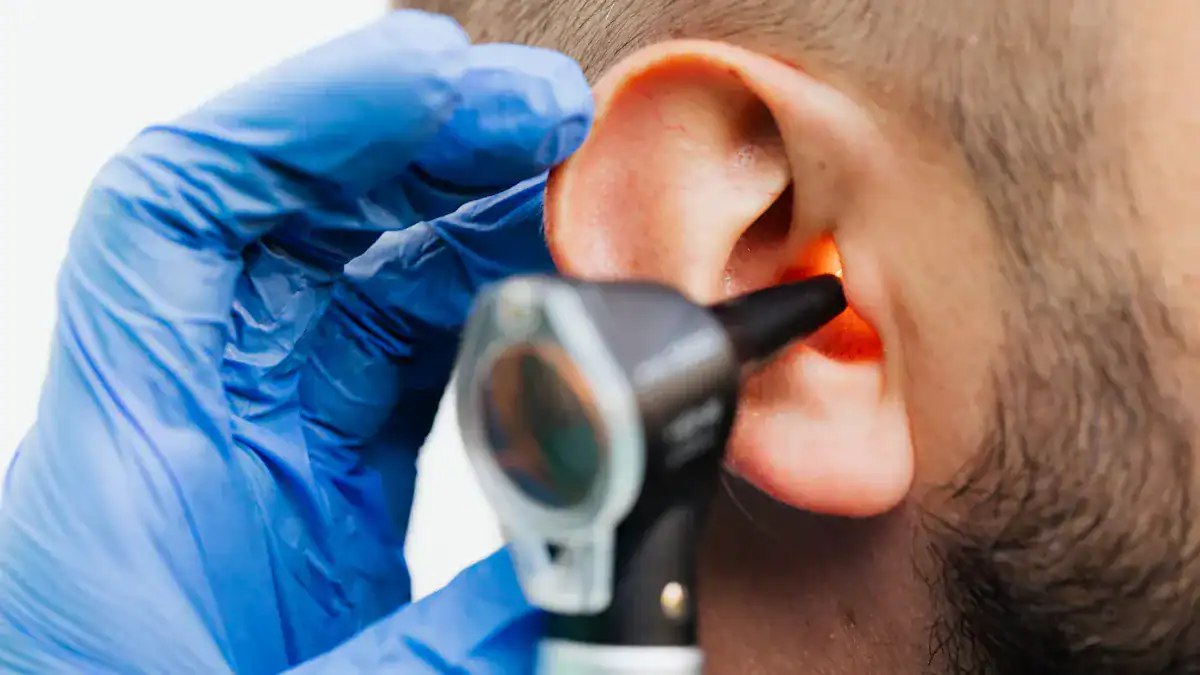
You might wonder, “Can you use hydrogen peroxide in ear?” Yes, you can use it to soften earwax. This common household antiseptic helps loosen stubborn earwax.
Many people face earwax problems; for example, 18.6% of Americans aged 12 and older experience earwax impaction. Globally, about 6% of people deal with earwax issues. This guide provides clear, safe, and effective steps for earwax removal using hydrogen peroxide. It also covers proper usage, potential risks, and available alternatives.
Key Takeaways
You can use hydrogen peroxide to soften earwax. It helps loosen earwax so it can come out easily.
Always mix 3% hydrogen peroxide with an equal amount of warm water. This makes it safe to use in your ear.
Do not use hydrogen peroxide if you have an ear infection or a damaged eardrum. This can cause serious harm.
If you feel pain or other bad symptoms after using it, stop right away. See a doctor for help.
There are other ways to clean your ears, like using baking soda, oils, or a bulb syringe. A doctor can also remove earwax safely.
Understanding Hydrogen Peroxide for Earwax
What is Hydrogen Peroxide for Earwax?
Hydrogen peroxide is a common chemical compound. It has the formula H₂O₂. You often find it in your home as an antiseptic. For ear care, you use it to soften and remove earwax.
Sometimes, you might see it as carbamide peroxide. This is a common form found in many over-the-counter ear drops. Carbamide peroxide releases hydrogen peroxide when it enters your ear. This makes it effective for earwax removal.
How Hydrogen Peroxide Breaks Down Earwax
The effectiveness of hydrogen peroxide comes from its unique action. When you put hydrogen peroxide-based eardrops into your ear, the hydrogen peroxide reacts with the earwax. This reaction creates oxygen.
The oxygen then causes a foaming action inside your ear canal. This foam works like tiny bubbles. It mechanically dislodges and breaks up the earwax. This makes the earwax softer and easier for your body to remove naturally. It also helps you rinse it out.
Common Hydrogen Peroxide Ear Drops and Strengths
You will find different strengths of hydrogen peroxide for earwax. Most over-the-counter (OTC) hydrogen peroxide solutions contain 3% hydrogen peroxide. This is the strength you typically have in your medicine cabinet.
For ear drops specifically designed for earwax removal, you often see carbamide peroxide. Many OTC ear drops contain 6.5% carbamide peroxide. This is a common active ingredient. Brands like Debrox®, Auro, ERO, and Murine use carbamide peroxide otic (ear) as their main ingredient. These ear drops work by softening and loosening earwax effectively.
Safe Use of Hydrogen Peroxide in Ear
You can safely use hydrogen peroxide in ear for softening earwax. This section provides clear instructions. It helps you understand how to apply it correctly. You will also learn important safety measures.
When to Consider Hydrogen Peroxide to Treat Earwax
You should consider hydrogen peroxide to treat earwax when you experience mild to moderate earwax buildup. This often causes symptoms like a feeling of fullness in your ear. You might also notice a slight decrease in your hearing. Hydrogen peroxide helps soften this excess earwax.
It prepares the wax for natural removal or easier flushing. You can use it if you have a history of earwax buildup. It is a good first step for ear cleaning at home. Remember, it works best for softening, not for removing deeply impacted earwax.
Step-by-Step Guide for Earwax Softening
Follow these steps for safe and effective ear drop treatment:
Prepare Your Solution: You need to dilute 3% hydrogen peroxide. Mix equal parts of 3% hydrogen peroxide and body temperature water. This creates a solution of approximately 1.5% hydrogen peroxide. If you find 3% hydrogen peroxide causes irritation, you can dilute it further. Mix it by half using equal parts hydrogen peroxide and cool boiled or sterile water. This makes it gentler.
Warm the Solution: Do not use cold drops. Cold liquid in your ear can cause dizziness. Warm the diluted solution to body temperature. You can do this by holding the bottle in your hand for a few minutes.
Position Yourself: Lie on your side. The ear you want to treat should face upwards. You can place a towel under your head to catch any drips.
Apply the Drops: Gently pull your earlobe up and back. This straightens your ear canal. Use a dropper to place 5 to 10 drops of the hydrogen peroxide ear drops into your ear.
Wait for It to Work: You will hear bubbling or fizzing. This means the hydrogen peroxide is working. It breaks down the earwax. Initially, allow the solution to bubble and fizz for 1 minute before you tip it out. Once you get used to the sensation, you can leave the solution in your ear for up to 1 minute at a time. For more stubborn wax, you can keep it in for 5 minutes. Some guidelines suggest staying in position for 5 to 10 minutes. This allows the hydrogen peroxide to penetrate and soften earwax thoroughly.
Drain the Ear: After the waiting period, tilt your head to the side. Let the solution drain out onto a tissue or towel. You can gently wipe away any softened earwax.
Repeat if Necessary: You can repeat this process twice a day for up to three to seven days. This helps to remove earwax effectively.
Key Precautions Before Using Hydrogen Peroxide
Before using hydrogen peroxide in the ears, you must take important precautions. You should never use hydrogen peroxide if you suspect an ear infection.
Also, avoid it if you have a damaged eardrum. Using it in these situations can cause serious harm. You should always consult a doctor if you are unsure about your ear health. They can check for any underlying conditions. If you experience pain, increased discharge, or worsening hearing after using ear drops, stop immediately. Seek medical advice. Knowing how to use hydrogen peroxide safely protects your ears.
Risks and When to Avoid Hydrogen Peroxide in Ear
Using hydrogen peroxide for earwax can be helpful. However, you must understand the risks. You also need to know when to avoid it. Improper use can cause problems.
Potential Side Effects and Irritations
You might experience some side effects when you use hydrogen peroxide in ear. These are usually temporary. You may feel a temporary fizzing or bubbling sensation. This means the solution is working. Some people report a bitter taste. You might also have temporary ear pain or temporary hearing loss. Dizziness can occur. You might also hear ringing in your ears, called tinnitus.
Using hydrogen peroxide to clean earwax may also lead to other issues. You might feel a temporary sensation of increased ear fullness or blockage. Irritation or discomfort in the ear canal can happen.
You might notice itching or redness in your ear. In some cases, you risk an ear infection if you have pre-existing damage in your ear canal. It could also worsen existing ear pain or discomfort. High concentrations, over 10%, can cause skin irritation and blistering. Excessive use can lead to inflammation and earaches.
Serious Risks and Contraindications
You must know when to avoid hydrogen peroxide. Do not use hydrogen peroxide in your ear if you suspect an ear infection. You should also avoid it if you have a damaged eardrum.
Using it with a perforated eardrum is not recommended. It can be more harmful. It may worsen existing ear conditions, including a perforated eardrum. It can lead to irritation. It could potentially worsen the condition if you have a perforated eardrum. Applying large amounts of hydrogen peroxide to a dry, perforated ear can adversely affect cochlear and vestibular function. This means it could harm your hearing and balance.
Recognizing When to Stop Use
You need to recognize signs of an adverse reaction. Stop using hydrogen peroxide immediately if you experience any of these symptoms:
Ear pain
Inflammation
Skin irritation
Rashes
Burns (at concentrations over 10 percent)
Blistering (at concentrations over 10 percent)
Dizziness
Hearing loss (often temporary)
Ringing in the ears (tinnitus)
Bitter taste
Ear discharge
If you notice any of these signs, stop using the drops. Seek medical advice from a doctor. Your ear health is important.
When to See a Doctor and Alternatives for Earwax
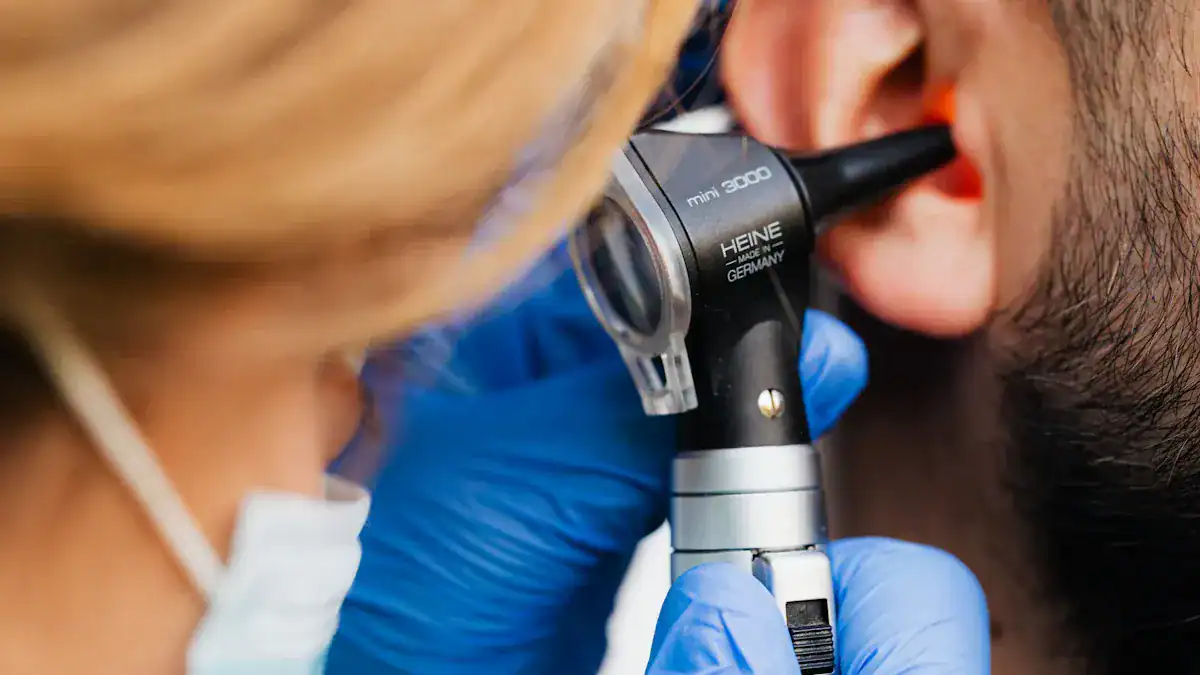
You need to know when to seek professional help for earwax. You also have other options beyond hydrogen peroxide. This section guides you through these choices.
Signs You Need Professional Medical Advice
You should see a doctor if you experience certain symptoms. These signs suggest you need professional medical advice for earwax removal:
Persistent Symptoms: You have tried home remedies like over-the-counter ear drops or warm water irrigation. Still, you experience ongoing earache, hearing loss, or a feeling of fullness or blockage.
Severe Ear Pain: You feel intense pain that stops you from doing daily activities or causes significant distress.
Signs of Infection or Injury: You have symptoms like fever, drainage from your ear, increased pain, or you suspect an ear injury.
Common Symptoms of Excessive Ear Wax: These can indicate a need for professional help if they are severe or do not go away:
Earache
Feeling of fullness or blockage in your ear
Decreased hearing
Tinnitus (ringing or buzzing in your ears)
Dizziness (in rare, severe cases)
Professional Earwax Removal Options
Doctors use several methods to remove earwax safely. These professional ear cleaning techniques are effective:
Microsuction Ear Cleaning: A specialist uses a microscope to guide a small suction device. This removes earwax precisely without water or irrigation.
Manual Removal: Specialists use special tools for careful manual extraction. This works well for people who cannot have irrigation.
Ear Irrigation: This technique gently flushes your ear canal with a warm stream of water. It softens and removes excess earwax.
A systematic review found limited high-quality evidence to compare all methods. However, specific success rates exist for some techniques:
Method | Adults (Success Rate) | Children (Success Rate) |
|---|---|---|
Microsuction | 87% | 92% |
Ear Syringing | 62% | 68% |
Other Home Remedies and Over-the-Counter Solutions
You have other options for earwax buildup besides hydrogen peroxide. These can help you remove earwax:
Baking Soda Solution:
Dissolve 1/2 teaspoon of baking soda in 2 ounces of warm water.
Pour this into a dropper bottle.
Tilt your head and drip 5 to 10 drops into your ear.
Leave it for up to 1 hour, then flush with water.
Repeat daily for up to 2 weeks.
Oil Softening: Use baby oil, coconut oil, glycerin, mineral oil, or olive oil.
Warm your chosen oil slightly (do not microwave).
Tilt your head and place a few drops into your ear.
Keep your head tilted for 5 minutes.
Repeat once or twice per day.
Irrigation:
Buy a soft rubber bulb syringe. Fill it with warm water.
Tilt your head over a towel or basin.
Gently squeeze the bulb to shoot warm water into your ear.
Let the water drain out.
Many over-the-counter eardrops also help. They contain ingredients like:
Mineral oil
Glycerin
Carbamide peroxide
Saline solution
Baking soda
Acetic acid
Olive oil
You now understand how to safely use hydrogen peroxide in ear for earwax removal. Always apply it correctly, understand the potential risks, and know when to seek professional medical advice, especially if a doctor has not cleared its use. While hydrogen peroxide can help soften earwax, it is not suitable for everyone. Use it with caution and always be aware of your ear health. Prioritize your ear health and consult healthcare professionals for persistent issues or concerns.