


You might often find yourself dealing with persistent neck sweating. This common issue can cause discomfort or embarrassment. While normal sweating helps regulate your body temperature, sometimes excessive sweating, also known as hyperhidrosis, signals an underlying concern.
This blog will explore the various causes behind why is my neck sweating, its diagnosis, and potential treatment. Understanding the reasons for your sweating is the first step toward finding relief from this type of hyperhidrosis. Many people experience hyperhidrosis, and effective solutions for your specific sweating pattern are available.
Key Takeaways
Neck sweating can be normal, but too much sweat might mean you have a condition called hyperhidrosis.
Many things can cause neck sweating, like hot weather, exercise, stress, certain foods, or medical problems.
If your neck sweats a lot without a clear reason, or if you have other symptoms, see a doctor for help.
You can try simple changes like wearing cool clothes, drinking water, or using special antiperspirants to reduce neck sweating.
Doctors can offer stronger medicines or treatments if other methods do not work for your sweating.
Common Causes of Neck Sweating
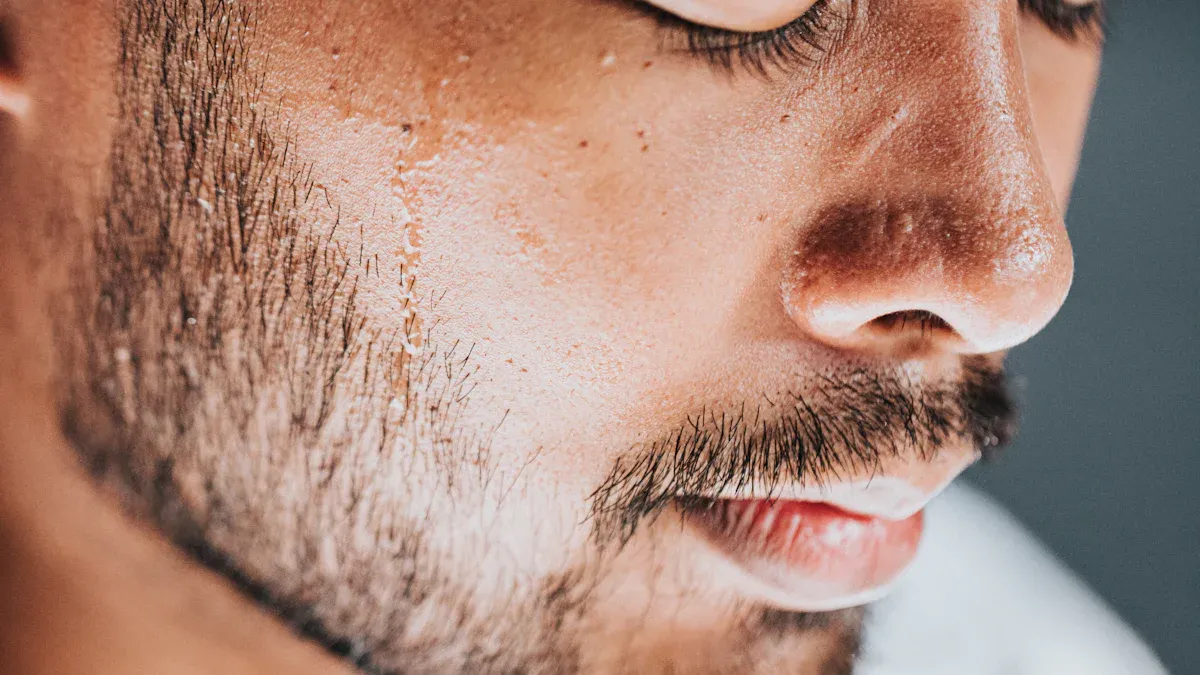
You might wonder, “why is my neck sweating?” Many everyday factors can cause sweating. Understanding these common causes helps you manage the issue.
Environmental Factors
Your environment plays a big role in how much you sweat. High temperatures, like those you experience in summer, naturally make your body sweat more. This is your body’s way of cooling down. Humidity also traps moisture, making you feel hotter and increasing sweating. Wearing tight clothing, especially around your neck, can also trap heat and moisture. This prevents air circulation and leads to more sweating of the head and neck. Certain foods and drinks can also trigger what is called gustatory sweating. This type of sweating often affects your face, scalp, and neck.
Physical Activity and Exertion
When you exercise or do any strenuous activity, your body temperature rises. Your sweat glands activate to release sweat. This is a natural and healthy response. It helps cool your body down. This type of sweating is normal and expected. It shows your body is working hard and regulating its temperature effectively.
Stress and Anxiety
Emotional responses can also trigger your sweat glands. When you feel stressed or anxious, your body releases hormones that prepare you for a “fight or flight” response. This can increase your heart rate and body temperature, leading to sweating. You might notice this excessive sweating in your neck, hands, or armpits. Studies show that stress and anxiety can lead to elevated temperatures in areas like the neck, indicating increased sweat gland activity. This type of sweating is a common symptom of stress.
Dietary Triggers
Certain foods and drinks can make you sweat more. Spicy foods, for example, contain capsaicin. This compound tricks your body into thinking it is hot, causing you to sweat. Hot beverages also raise your internal body temperature. Caffeine and alcohol can also stimulate your nervous system, leading to increased sweating. This is a normal reaction. However, if you experience excessive sweating around your face, neck, or chest after eating, especially with other symptoms, it could be a sign of gustatory sweating linked to other medical causes.
Medical Conditions Causing Excessive Neck Sweating
Sometimes, your neck sweating goes beyond normal responses to heat or activity. Medical conditions can cause excessive sweating, known as hyperhidrosis. You might experience this type of sweating even when you are cool or at rest. Understanding these underlying causes helps you find the right treatment.
Primary Focal Hyperhidrosis
You might experience primary focal hyperhidrosis. This condition causes localized excessive sweating without an obvious underlying medical reason. It often affects specific body parts, including your neck, face, palms, or feet. Doctors believe this type of hyperhidrosis relates to your nervous system’s control over sweat glands. Your body produces too much sweat, even when it does not need to cool down.
To diagnose primary focal hyperhidrosis, doctors look for specific signs. You typically notice symptoms starting in childhood or adolescence. However, facial sweating might appear later in life. The sweating affects both sides of your body equally. For example, if your left neck sweats, your right neck will also sweat. This excessive sweating stops when you sleep. You experience episodes of sweating, not continuous sweating. These episodes vary in how often they happen, how long they last, and how intense they are. Your symptoms should have been present for at least six months, with episodes occurring two or more times each week. Many people with primary hyperhidrosis also have family members who experience the condition. This type of hyperhidrosis significantly interferes with your daily life, affecting school, work, and social interactions.
Secondary Hyperhidrosis
Secondary hyperhidrosis occurs when another medical condition or medication causes your excessive sweating. This type of hyperhidrosis is often generalized, meaning it affects your whole body, but it can also be localized. Unlike primary hyperhidrosis, this excessive sweating is often unrelated to heat or exercise. Many different medical conditions can be the causes of this type of hyperhidrosis.
For example, thyroid issues, like hyperthyroidism, can make you sweat more. Diabetes, menopause, and certain infections also lead to increased sweating. Metabolic problems or some types of cancer can also cause this kind of hyperhidrosis. You might also experience excessive sweating if you have degenerative disc disease in your cervical spine. This condition can injure the cranial part of your sympathetic chain. This injury can lead to hyperhidrosis on your face, neck, and shoulder. Some syndromes or new medications can also trigger secondary hyperhidrosis. For instance, if you have a cervical spine injury, orthostatic hypotension can cause an exaggerated sympathetic discharge. This leads to hyperhidrosis in your face, neck, and upper trunk. Some people who undergo thoracic sympathectomy for other types of hyperhidrosis might experience compensatory sweating, often affecting the neck. This happens in a significant number of patients after this procedure.
Hormonal Fluctuations
Hormonal changes can also lead to increased neck sweating. You might notice this during specific life stages, such as menopause or pregnancy. These fluctuations can cause hot flashes, which are a sudden sensation of warmth and sweating. This sweating often affects your upper body, especially your neck, face, and chest. You might also feel weak, faint, or have heart palpitations during these episodes.
During perimenopause, 35% to 50% of women experience hot flashes. These episodes typically last 5 to 10 minutes and can happen day or night. They often start in your scalp, face, neck, or chest. The intensity of these hot flashes varies greatly. You might feel slightly warm, or you might become completely drenched in sweat. Declining levels of hormones like estrogen, progesterone, and testosterone, along with changes in androgen levels, cause these symptoms during the menopause transition.
Pregnancy also involves significant hormonal shifts. Increases in hormones like estrogen, progesterone, cortisol, and oxytocin contribute to hot flashes. You might also experience night sweats during pregnancy. These are more common in your first and third trimesters. This sweating can continue for several weeks after childbirth as your hormone levels return to normal.
When to Seek Medical Diagnosis for Neck Sweating
Identifying Red Flags
You might wonder why is my neck sweating or when it becomes a concern. You should see a doctor if you notice certain red flags. For example, if your excessive sweating starts suddenly, without a clear reason, you need medical advice. This sudden onset could indicate secondary hyperhidrosis. Night sweats are another important symptom. This means you wake up drenched in sweating, even in a cool room. If your sweating comes with other concerning symptoms, you should also seek help. These symptoms might include unexplained weight loss, fever, chills, chest pain, or a rapid heartbeat. These signs can point to an underlying medical condition causing secondary hyperhidrosis. Persistent, unexplained excessive sweating, especially if it disrupts your daily life or causes significant distress, always warrants a medical evaluation. A proper diagnosis helps you understand the cause of your hyperhidrosis. This understanding is key for effective treatment.
Diagnostic Process
When you visit the doctor for your neck sweating, they will follow a specific diagnostic process. First, your doctor will ask about your medical history. They will want to know when your excessive sweating started, how often it occurs, and what makes it worse. You will also have a thorough physical examination. This helps rule out visible causes of hyperhidrosis. Your doctor might order blood tests. These tests check for conditions like thyroid problems, diabetes, or other metabolic issues, which can cause hyperhidrosis. They might also perform sweat tests. For example, the starch-iodine test shows areas of active sweating by turning dark. Another test, the gravimetric method, measures the exact amount of sweat produced over a specific time. These tests help your doctor determine if you have primary or secondary hyperhidrosis. A clear diagnosis is the first step toward finding an effective treatment for your excessive sweating. This thorough diagnosis ensures you get the right care for your hyperhidrosis.
Fixes and Management for Neck Sweating

You can find many ways to manage neck sweating. These solutions range from simple daily changes to medical interventions. Finding the right approach helps you reduce discomfort and improve your quality of life.
Lifestyle Adjustments
You can make several changes in your daily life to reduce neck sweating. These adjustments often provide significant relief.
Choose breathable fabrics: Wear clothes made from cotton or mesh. These materials help keep your body cool. Avoid synthetic fabrics like nylon, acrylic, and spandex. They trap moisture and prevent your skin from breathing. Loose-fitting clothes also minimize visible signs of sweating.
Adjust your diet: Certain foods and drinks can trigger sweating. Try to limit or avoid spicy foods, processed foods, alcohol, caffeine, sugary foods, and high-sodium foods. These items can raise your body temperature or make your digestive system work harder, increasing sweating. Instead, incorporate foods like almonds, milk, bananas, whey proteins, leafy greens, watermelon, and grapes into your diet. These foods may help reduce sweating.
Stay hydrated: Drink plenty of water throughout the day. This helps regulate your body temperature and can prevent your body from overheating, which reduces the need for excessive sweating.
Manage stress: Stress and anxiety can trigger sweating. Practice relaxation techniques like deep breathing, meditation, or yoga. These methods help calm your nervous system and reduce stress-induced sweating.
Use antiperspirant correctly: Choose antiperspirant over deodorant. Antiperspirants actively reduce sweating by blocking sweat glands. Deodorants only mask odor.
Keep a sweat journal: Document when your sweating occurs. Note what activities or foods preceded it. This helps you identify your personal triggers. Common triggers include heat, spicy foods, caffeine, fatty or sugary foods, alcohol, and emotional states like anxiety. Once you identify your triggers, you can try to avoid them.
Addressing Underlying Conditions
If you have secondary hyperhidrosis, treating the root cause is essential. This approach often resolves the excessive sweating. For example, if a thyroid issue causes your hyperhidrosis, treating the thyroid problem will likely reduce your sweating. Your doctor will work to diagnose and treat any underlying medical conditions. This is a crucial part of the treatment of hyperhidrosis. Addressing these conditions is the most effective treatment of hyperhidrosis when an underlying cause exists. This direct approach to the treatment of hyperhidrosis ensures long-term relief.
Understanding why is my neck sweating helps you find relief. Neck sweating has diverse causes, from benign factors to medical conditions like hyperhidrosis. Accurate diagnosis is crucial for effective treatment. Try lifestyle changes and over-the-counter solutions for your sweating first. If your excessive sweating is persistent or concerning, seek professional diagnosis. This ensures proper diagnosis and treatment for your hyperhidrosis. Your doctor can provide a clear diagnosis. This helps manage your sweating and improve your quality of life. Addressing the causes of your sweating is important. You can find effective treatment for your hyperhidrosis.
FAQ
What is the difference between normal sweating and hyperhidrosis?
Normal sweating helps cool your body. You sweat when you are hot or active. Hyperhidrosis means you sweat excessively. You sweat even when you are cool or at rest. This excessive sweating can affect specific body parts.
Can diet really affect my neck sweating?
Yes, your diet can affect your neck sweating. Spicy foods, caffeine, and alcohol can trigger sweating. These items raise your body temperature. Avoiding these triggers can help reduce your sweating.
How do doctors diagnose hyperhidrosis?
Doctors diagnose hyperhidrosis by reviewing your medical history. They perform a physical exam. They might also use sweat tests. These tests measure how much you sweat. This helps them determine the type of hyperhidrosis you have.
Is there a permanent treatment for hyperhidrosis?
Some treatments for hyperhidrosis offer long-term relief. Botox injections can reduce sweating for several months. Surgery, like sympathectomy, can be a permanent treatment for hyperhidrosis. You should discuss these options with your doctor.
What is the most effective treatment for hyperhidrosis?
The most effective treatment for hyperhidrosis depends on its cause. For primary hyperhidrosis, prescription antiperspirants or oral medications often work well. For secondary hyperhidrosis, treating the underlying condition is the most effective treatment of hyperhidrosis.