

Groin pain in women refers to discomfort where the abdomen meets the inner thigh. This common symptom has many varied origins. Groin pain can range from mild annoyance to severe, debilitating discomfort. Importantly, female groin pain is not always reproductive in nature. This article explores the diverse causes of groin pain, recognizes key symptoms, and outlines effective treatment options. It empowers women to seek appropriate care.
Key Takeaways
Groin pain in women has many causes. It is not always about reproductive organs. It can come from muscles, bones, or other body systems.
Recognize different symptoms of groin pain. Some pain is mild, but some needs quick medical help. Look for fever, severe pain, or a lump.
Doctors use different ways to find the cause of groin pain. They ask about your health and do exams. They might use tests like ultrasound or blood tests.
Treatment for groin pain depends on its cause. It can include rest, physical therapy, or medicine. Sometimes, surgery is needed.
Do not try to figure out groin pain by yourself. See a doctor if your pain is bad or does not go away. A doctor can help you get the right treatment.
What is Groin Pain in Women?
Defining Groin Pain
Groin pain is discomfort in the area where the abdomen meets the inner thigh. The groin contains muscles, ligaments, and tendons. These structures are crucial for hip and leg movement and stability.
Groin pain typically results from injuries. These injuries include sprains, strains, overstretching, or tears in the tissues. These tissues connect the legs to the groin. They include tendons, ligaments, and adductor muscles. However, many other conditions can also cause groin pain.
Why Groin Pain is Common for Women
Groin pain is common for women due to several unique anatomical and physiological factors. Women often have a wider pelvis. They also have a wider rectus abdominis muscle. This anatomy increases the frequency of femoral hernias in women.
These hernias occur when internal organs or abdominal tissue push through the femoral canal in the groin area. Other causes of female groin pain include ovarian cysts, which are fluid-filled sacs that can cause pain on the affected side. Urinary tract infections (UTIs) can also cause moderate to severe groin pain.
A wider pelvis in women creates a more oblique angle for the short adductor muscles. These muscles include the gracilis, adductor brevis, and pectineus. This angle may reduce traction force at their origin. This anatomical aspect can protect against overuse and traumatic injuries of the short adductor muscle-tendon complex. However, women are still susceptible to various other causes of groin pain. These include conditions like enlarged lymph nodes, kidney stones, or osteitis pubis. This wide range of potential causes highlights why groin pain in women requires careful evaluation.
Causes of Groin Pain in Women
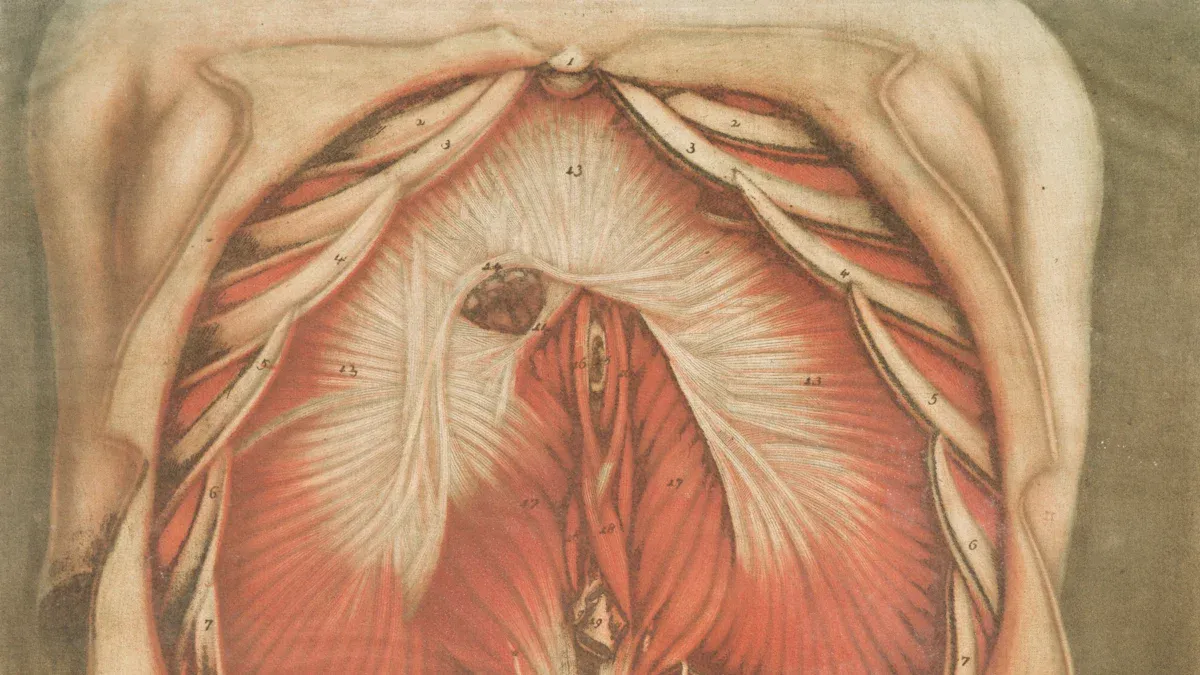
Groin pain in women stems from many different sources. These causes range from simple muscle strains to complex gynecological conditions. Understanding these various causes of groin pain helps women seek the right diagnosis and treatment.
Musculoskeletal Issues
Musculoskeletal problems are common causes of groin pain. These issues involve muscles, bones, joints, and connective tissues.
Muscle Strain or Tendinopathy
Muscle strain is the most frequent cause of groin pain in women. This happens when muscles or tendons in the groin area stretch or tear. Athletes and active individuals often experience these injuries. Overstretching or sudden movements can cause them. Common examples include:
Athletic pubalgia (sports hernia)
Groin strain
Osteitis pubis
Tendinopathy refers to damage to a tendon. This damage often results from overuse. The tendons connecting to the hip and groin can become inflamed or degenerated.
Hip Joint Conditions
Problems within the hip joint itself can cause groin pain. The hip is a ball-and-socket joint. Issues here often lead to pain that radiates to the groin. Conditions include:
Bursitis: Inflammation of the fluid-filled sacs cushioning the hip joint.
Hip labral tear: A tear in the cartilage surrounding the hip socket.
Osteoarthritis: Degeneration of the cartilage in the hip joint. This is another possible cause of hip and groin pain.
Hip fracture: A break in the upper part of the thigh bone near the hip.
Pubic Symphysis Dysfunction
The pubic symphysis is a joint at the front of the pelvis. It connects the left and right pubic bones. Dysfunction occurs when this joint becomes unstable or inflamed. This condition often causes pain in the groin and pelvis. It is particularly common during pregnancy.
Stress Fractures
Stress fractures are tiny cracks in a bone. Repetitive stress or overuse causes them. A femoral neck stress fracture, for example, occurs in the upper part of the thigh bone. This type of fracture can cause significant hip and groin pain. Pelvic fractures can also lead to groin pain.
Hernias
A hernia occurs when an organ or tissue pushes through a weak spot in the muscle wall. This can cause a bulge and pain in the groin area. Common hernia types affecting women include:
Inguinal hernia: This occurs when tissue pushes through the abdominal wall in the groin.
Femoral hernia: This type of hernia is more common in women. It happens when tissue pushes into the femoral canal, located in the upper thigh near the groin. A groin hernia often presents as a noticeable bulge and causes discomfort.
Reproductive & Gynecological Causes
Many conditions related to the female reproductive system can cause female groin pain.
Ovarian Cysts
Ovarian cysts are fluid-filled sacs on an ovary. Most cysts are harmless. However, large cysts or those that rupture can cause sharp, sudden pain in the lower abdomen and groin. Right-side groin pain in females can specifically point to certain ovarian issues.
Endometriosis
Endometriosis is a condition where tissue similar to the uterine lining grows outside the uterus. This tissue can grow on ovaries, fallopian tubes, or other pelvic organs. It causes chronic pelvic pain, which often radiates to the groin.
Pelvic Inflammatory Disease (PID)
PID is an infection of the female reproductive organs. It usually results from sexually transmitted bacteria. PID can cause lower abdominal pain, fever, and pain in the groin area.
Uterine Fibroids
Uterine fibroids are non-cancerous growths in the uterus. They can vary in size. Large fibroids can cause pressure, pain, and a feeling of heaviness in the pelvis and groin.
Ectopic Pregnancy
An ectopic pregnancy occurs when a fertilized egg implants outside the uterus. This is a medical emergency. It causes severe abdominal pain, often on one side, which can extend to the groin.
Pelvic Congestion Syndrome
This condition involves chronic pelvic pain. It results from enlarged veins in the pelvis. These veins become swollen with blood. The pain often worsens with standing and can radiate to the groin.
Urinary Tract & Kidney Issues
Problems with the urinary system can also manifest as groin pain.
Urinary Tract Infections (UTIs)
UTIs are infections in any part of the urinary system. They commonly affect the bladder. A severe UTI can cause lower abdominal pain and discomfort that spreads to the groin.
Kidney Stones
Kidney stones are hard deposits of minerals and salts. They form inside the kidneys. A kidney stone entering a ureter can cause severe, crampy pain. This pain is known as renal or ureteral colic. It typically occurs in the flank or lower back and often radiates to the groin. Kidney pain, also known as renal or flank pain, can originate in the back muscles. It can extend to the groin or abdominal area.
Interstitial Cystitis
Interstitial cystitis is a chronic condition. It causes bladder pressure and bladder pain. This pain can also affect the pelvis and groin.
Gastrointestinal Conditions
Gastrointestinal issues can sometimes cause referred pain to the groin.
Irritable Bowel Syndrome (IBS)
IBS is a common disorder. It affects the large intestine. Symptoms include cramping, abdominal pain, bloating, gas, diarrhea, or constipation. This abdominal pain can sometimes be felt in the groin area. Digestive conditions such as bloating, constipation, and abdominal pain are noted as symptoms of fibromyalgia. Fibromyalgia can lead to pelvic pain radiating to the groin and leg.
Diverticulitis
Diverticulitis occurs when small, bulging pouches in the digestive tract become inflamed or infected. This condition causes severe abdominal pain. The pain can sometimes radiate to the groin. Intestinal inflammation is a less common cause of groin pain.
Appendicitis
Appendicitis is an inflammation of the appendix. The appendix is a small, finger-shaped pouch projecting from the large intestine. It causes sudden pain that begins around the navel and often shifts to the lower right abdomen. This pain can extend to the right-side groin in females.
Neurological Factors
Nerve issues can also contribute to groin pain.
Nerve Entrapment
Nerve entrapment happens when a nerve becomes compressed or irritated. This compression causes pain, numbness, or tingling. Pectineo-femoral pinch syndrome (PFPS) is a condition where nerve bundles become compressed. These include the femoral, lateral femoral cutaneous, genitofemoral, and ilioinguinal nerves, as well as the obturator nerves.
Tight upper adductor complexes cause this compression. It can lead to lumbar plexopathic-like pain, particularly in women. The symptoms are often positional. They occur during or after provocative hip flexion. Lower back and spinal cord injuries can compress nerves or groin tissues, leading to pinched groin nerves.
Radiculopathy
Radiculopathy occurs when a nerve root in the spine becomes pinched. This can cause pain that radiates along the nerve’s path. Sciatica, commonly associated with pain radiating down the leg, can also manifest as groin pain. This occurs when the sciatic nerve becomes compressed or irritated. The nerve’s extensive reach means that compression from conditions like herniated discs can send pain signals to unexpected areas, including the groin.
Pregnancy-Related Pain
Pregnancy brings unique physiological changes. These changes can lead to specific types of groin pain.
Round Ligament Pain
Round ligament pain is a common complaint during pregnancy. The round ligaments support the uterus. As the uterus grows, these ligaments stretch. This stretching causes sharp, jabbing pain in the lower abdomen or groin. This pain often occurs on the right side. It is a common form of groin pain during pregnancy.
Pelvic Girdle Pain (PGP)
PGP is a collection of symptoms. It results from stiffness or instability of the pelvic joints. This condition causes pain in the pelvic area, hips, and groin. Pregnancy-related groin pain often includes PGP.
Symptoms of Groin Pain
General Pain Characteristics
Groin pain can feel different for each person. It often presents as a dull ache or a sharp, stabbing sensation. The pain might be constant or come and go. It can worsen with movement, activity, or specific positions. Left-sided groin pain often comes from overuse of groin muscles.
This leads to inflammation. The pain worsens with movement. Right-sided groin pain can also result from overuse. It can also point to issues with reproductive organs or the lower gut. These include torn, sprained, or strained groin ligaments, muscles, or tendons.
Specific Symptoms by Cause
Musculoskeletal Symptoms
Musculoskeletal issues often cause pain that increases with physical activity. For example, osteitis pubis causes sharp groin pain. This pain worsens with coughing, climbing stairs, sneezing, and walking. It can also cause a waddling gait. Sometimes, a fever is present. A femoral hernia, more common in women, causes pain. It happens when internal organs push through the femoral canal.
Gynecological Symptoms
Ovarian cysts can cause groin pain on the same side as the affected ovary. This pain sometimes comes with bloating, pressure, or swelling. A ruptured cyst can cause sudden, sharp pain. This is a common cause of female groin pain.
Urinary Symptoms
Urinary tract infections (UTIs) can lead to moderate to severe groin pain. This pain intensifies during urination. Other UTI symptoms include cloudy, discolored, or strong-smelling urine. Frequent urination in small amounts is also common.
Gastrointestinal Symptoms
Gastrointestinal problems can cause referred pain to the groin. For instance, appendicitis pain can start around the navel. It then shifts to the lower right abdomen and can extend to the right groin.
Neurological Symptoms
Nerve entrapment can cause pain, numbness, or tingling in the groin area. This happens when a nerve gets compressed.
Red Flag Symptoms
Certain symptoms with groin pain require immediate medical attention. These are “red flag” symptoms.
Sudden and excruciating groin pain.
Pain radiating to the lower back, abdomen, or chest.
Pain accompanied by fever, nausea, chills, or blood in the urine.
Chronic or persistent groin pain that does not improve with home treatment within a few days.
Groin pain along with a swollen, tender lump or lumps.
Severe one-sided groin pain due to ovarian cysts (especially if twisted or ruptured) or ectopic pregnancy. These conditions can also cause nausea or bleeding. They are potentially life-threatening.
A femoral hernia where tissue gets stuck and blood flow is cut off. This causes severe pain and needs urgent medical help.
Lifestyle & Self-Care
Lifestyle adjustments and self-care practices support overall well-being. They can also help manage groin pain.
Posture & Ergonomics
Maintaining good posture reduces strain on the back, pelvis, and hip joints. Ergonomic adjustments at work or home can prevent pain. These adjustments include proper chair support and desk height. They help align the body correctly.
Weight Management
Excess body weight puts additional stress on the hip joints and pelvic area. Losing weight can reduce this strain. It can alleviate groin pain. It also improves overall mobility.
Stress Reduction
Stress can worsen pain perception. Techniques like mindfulness, meditation, and deep breathing exercises help manage stress. Reducing stress can indirectly help manage chronic groin pain. Encouraging physical activity and exercise is crucial. This is especially true for women with pelvic pain. It helps prevent the transition to chronic pain.
Physical activity promotes self-efficacy. It improves sleep. It reduces stress. It also has anti-inflammatory effects. These factors are all relevant for optimal pain management.
When to Seek Medical Help
Knowing when to seek medical help for groin pain is very important. Some symptoms need immediate attention. Others suggest it is time to see a specialist.
Urgent Symptoms
Certain symptoms with groin pain require immediate medical attention. These are “red flag” symptoms. Seek immediate medical help for severe pain. Also, look for persistent pain. Pain associated with swelling or numbness needs urgent care. Difficulty moving also signals an urgent issue.
Intense or unmanageable pain is a serious sign. Pain accompanied by vaginal bleeding in pregnant individuals requires immediate attention. Fever, chills, or muscle aches with pain are also concerning. Vomiting or diarrhea alongside pain needs quick evaluation. Intense, persistent pain from a ruptured or twisted ovarian cyst or appendicitis is a medical emergency.
Consulting a Specialist
Sometimes, general care is not enough. If symptoms suggest something beyond a simple strain, request to see a sports medicine physician. If the pain lasts more than two weeks, an evaluation is recommended.
Do not put off seeing a doctor for sudden and severe groin pain, or pain that persists. This avoids delayed diagnosis of stress fractures or other non-orthopedic causes. Consult a specialist if groin pain interferes with daily life. Also, see a doctor if the pain does not ease within a few days. If doctors rule out other potential causes of pelvic pain, it is time to visit a vein specialist for vein-related groin pain.
Groin pain in women is complex. It is a symptom, not a diagnosis. Understanding the many causes of groin pain and recognizing symptoms is important. Professional medical evaluation is critical for accurate diagnosis and personalized treatment.
Do not self-diagnose. Seek timely medical advice for persistent or severe female groin pain.
FAQ
What hip conditions commonly cause groin pain in women?
Many hip conditions cause groin pain. Hip labral tears, hip osteoarthritis, and hip bursitis are common. A hip fracture can also lead to severe hip and groin pain. Problems within the hip joint often radiate to the groin.
What is the relationship between hip movement and groin pain?
Hip movement often aggravates groin pain. Activities like hip flexion, rotation, or abduction can worsen discomfort. This happens when the pain originates from the hip joint or surrounding hip muscles. Limited hip mobility can also contribute to pain.
What role does physical therapy play in treating hip-related groin pain?
Physical therapy is crucial for hip-related groin pain. Therapists design exercises to strengthen hip muscles. They also improve hip joint mobility. This helps reduce pain and restore normal hip function. Therapy addresses underlying hip issues.
What are some red flag symptoms for hip-related groin pain?
Red flag symptoms include severe hip pain. Inability to bear weight on the hip is another. Pain accompanied by fever or chills also needs attention. These signs suggest a serious hip problem. Seek immediate medical help for such hip pain.


