

Food poisoning is an illness. You get it from eating contaminated food or water. Common symptoms include nausea, vomiting, diarrhea, and stomach cramps. Almost 1 in 10 people globally fall ill each year from contaminated food. This broad issue is also known as foodborne illness. Approximately 75% of all food poisoning cases come from known pathogens.
These pathogens are in contaminated food and liquids. Recognizing the signs of food poisoning early is important. You need to know when to seek medical attention for this poisoning. Understanding these symptoms protects your health.
Key Takeaways
Food poisoning makes you sick from bad food or water. You might feel sick to your stomach, throw up, or have diarrhea.
Many things cause food poisoning, like germs (bacteria, viruses), chemicals, or even tiny bugs called parasites.
Watch for serious signs like throwing up a lot, bloody poop, or a high fever. If you see these, get help from a doctor right away.
You can stop food poisoning. Wash your hands, cook food well, and keep raw meats away from other foods.
Some people get sicker from food poisoning. These include young kids, older people, and pregnant women.
Understanding Foodborne Illness
What is Food Poisoning
Food poisoning happens when you eat food or drink water that contains harmful germs or toxins. These harmful substances make you sick. This condition is also known as a foodborne illness. You might feel symptoms like an upset stomach, vomiting, or diarrhea. The severity of your symptoms can depend on the type of germ and how much you consumed. This type of poisoning can affect anyone, but some people are more at risk.
How Contamination Occurs
Food becomes contaminated in several ways. This contamination leads to foodborne diseases. Understanding these methods helps you prevent illness.
Physical Contamination: This happens when foreign objects get into your food. These objects can cause injury or carry germs. Examples include hair, pieces of glass, metal shards, or even pest droppings. You might accidentally find a bandage or jewelry in your meal.
Chemical Contamination: Food can also become tainted by toxic chemicals. These chemicals can be artificial or natural. Cleaning products like detergents or sanitizers are common artificial examples. Pesticides and herbicides used on crops can also contaminate food. Some natural toxins, like those in certain mushrooms or pufferfish, also cause poisoning.
Biological Contamination: This is the most common way food becomes unsafe. It involves harmful microorganisms like bacteria, viruses, parasites, and fungi. These tiny invaders can grow in food if it is not handled or stored correctly. For instance, bacteria like Salmonella or E. coli often cause food poisoning. Viruses such as Norovirus are also frequent culprits. These microbes can come from humans, rodents, or insects. They can also come from contaminated water or soil.
Common Food Poisoning Symptoms
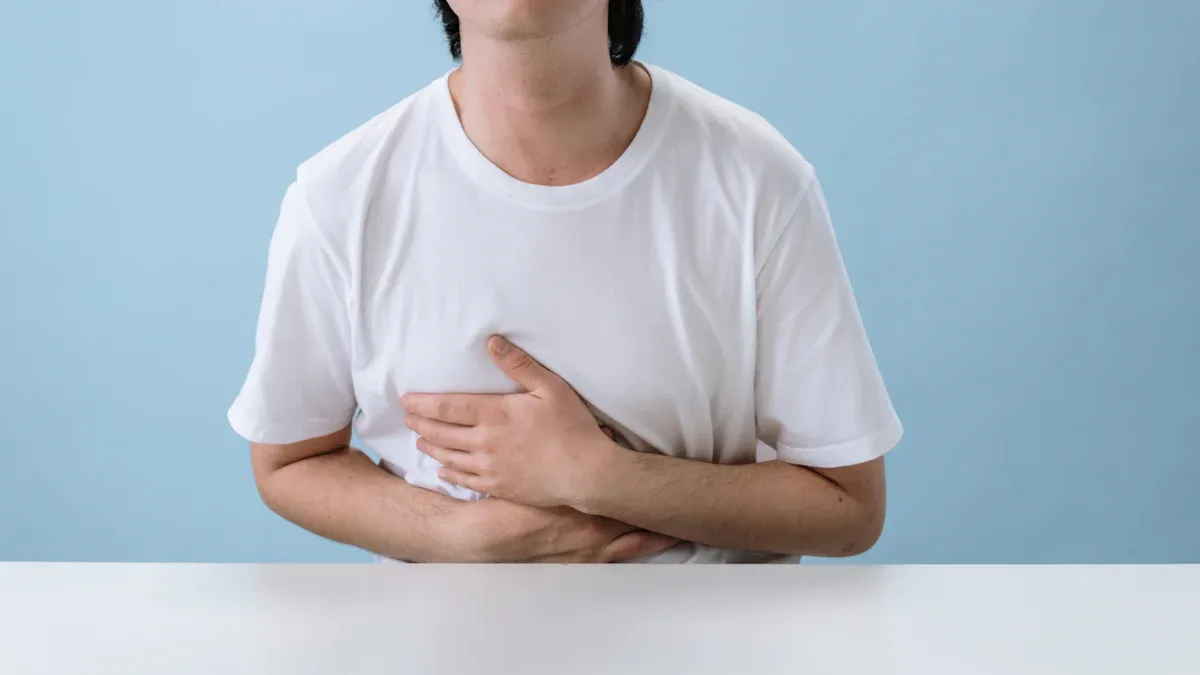
When you experience food poisoning, your body reacts to harmful substances. You will notice various signs of food poisoning. These symptoms often appear as your body tries to get rid of the contaminants.
Gastrointestinal Symptoms
The most common symptoms of food poisoning affect your digestive system. You might feel a sudden onset of discomfort.
Diarrhea
Stomach pain or cramps
Nausea
Vomiting
Fever
Your body often purges toxins through vomiting and diarrhea. This is a natural defense mechanism. For example, if you ingest Staphylococcus aureus, you will likely experience nausea, vomiting, stomach cramps, and diarrhea. Norovirus also causes diarrhea, vomiting, nausea, and stomach pain. E. coli can lead to severe stomach cramps, often bloody diarrhea, and vomiting. You might find that cramping abdominal pain accompanies diarrhea. This pain may temporarily lessen after a bowel movement or vomiting.
Other General Symptoms
Beyond digestive issues, food poisoning can cause other general symptoms. These signs of food poisoning indicate your body is fighting an infection.
Fever
Headache and overall weakness
Dizziness
Blurry vision
Tingling in the arms
Trouble breathing (in very rare cases due to weakness)
You might experience a low-grade fever or a headache. Loss of appetite is also a common symptom. For instance, Salmonella can cause fever and headache. Clostridium botulinum can lead to more severe non-gastrointestinal symptoms like vertigo, double or blurred vision, and difficulty swallowing. These are less common but important to recognize.
Symptom Onset and Timeline
The time it takes for food poisoning symptoms to appear varies. It depends on the type of contaminant you consumed. Typically, you will start feeling sick within hours of eating tainted food. Dr. Troy Madsen, an emergency room physician, states that food poisoning usually takes about six hours to affect an individual after consumption.
However, some symptoms of food poisoning can appear within a few hours. Sometimes, symptoms may not appear for a number of weeks. In most cases, your symptoms will clear up within 1 to 10 days. The severity and duration of your poisoning depend on the specific pathogen and your overall health.
Severe Symptoms: When to Seek Care
Most cases of food poisoning are mild. You can often recover at home. However, some situations demand immediate medical attention. Recognizing these severe symptoms is crucial. You need to know when to seek help to prevent serious health problems.
Red-Flag Symptoms for Adults
Your body usually fights off foodborne illness effectively. But certain symptoms signal a more serious problem. You should contact a doctor right away if you experience any of these:
Persistent Vomiting: You cannot keep fluids down for more than 12 to 24 hours. This can lead to severe dehydration.
Diarrhea that lasts more than 3 days: Prolonged diarrhea can indicate a bacterial infection. It also causes significant fluid loss.
High Fever: You have a temperature of 102°F (38.9°C) or higher. This suggests a systemic infection.
Signs of Dehydration: You feel dizzy or lightheaded. Your mouth is dry. You urinate very little, or your urine is dark. You feel extreme fatigue. These are all critical signs of dehydration.
Blood in Stool or Vomit: This is never normal. It can mean damage to your intestines or a serious condition. For example, some E. coli infections cause bloody stool.
Severe Abdominal Pain: Your stomach pain does not improve. It might even get worse.
Neurological Symptoms: You experience blurry vision, muscle weakness, tingling sensations, or difficulty swallowing. These can be signs of a rare but dangerous type of poisoning, like botulism.
Confusion or Fainting: These are serious signs that your body is struggling.
Warning Signs in Children
Children, especially infants and young children, are more vulnerable to complications from food poisoning. Their immune systems are still developing. You must seek immediate medical care if a child shows any of these warning signs:
Persistent Vomiting: The child cannot keep fluids down. This quickly leads to dehydration.
Signs of Dehydration: Look for a dry mouth, crying without tears, or fewer wet diapers than usual. The child might also seem unusually sleepy or dizzy.
High Fever: A fever higher than 101.5°F (38.6°C) in a child is a concern.
Severe Abdominal Pain: The child complains of intense stomach pain.
Bloody Diarrhea: Any blood in a child’s stool requires urgent medical attention.
Diarrhea that lasts more than 3 days: This is a serious concern for children.
Difficulty Seeing or Speaking: These are rare but very serious symptoms.
Bloody Urine: This is a critical sign that needs immediate medical evaluation.
Urgent Medical Attention
You should not delay when to seek help if you or someone you care for experiences these severe symptoms. Severe food poisoning can lead to life-threatening complications if left untreated. Always trust your instincts. If you feel that something is seriously wrong, contact a healthcare professional immediately. Early intervention can make a big difference in recovery from poisoning.
Causes of Food Poisoning
Understanding the specific causes of food poisoning helps you prevent it. Many different agents can contaminate food. These agents lead to illness.
Bacterial Contaminants
Bacteria are a major cause of food poisoning. They grow quickly in food if you do not handle it properly. You can get sick from many types of bacteria. Some common bacterial contaminants include:
Staphylococcus aureus
Salmonella
Clostridium perfringens
Campylobacter
Listeria monocytogenes
Vibrio parahaemolyticus
Bacillus cereus
Entero-pathogenic Escherichia coli
These bacteria can cause various symptoms. They often lead to gastrointestinal distress.
Viral Contaminants
Viruses are another significant source of foodborne illness. They spread easily from person to person or through contaminated food and water. Norovirus is the most common viral pathogen. It causes many outbreaks. Norovirus is frequently identified in food-borne and waterborne outbreaks. It causes a high number of illnesses. Hepatitis A virus is also a primary concern. Norovirus and Hepatitis A virus are the main two viruses involved in food-borne outbreaks. Other viral causes include Rotavirus.
Parasitic Contaminants
Parasites are organisms that live on or in a host. They can contaminate food and water. You can get food poisoning from these tiny creatures. Common parasitic contaminants include:
Cyclospora
Giardia
Cryptosporidium
Toxoplasma
Trichinella
These parasites often cause long-lasting symptoms.
Toxin-Producing Agents
Sometimes, the bacteria themselves do not cause illness directly. Instead, they produce toxins. These toxins cause the poisoning. Other natural toxins also exist. For example, certain mushrooms contain natural toxins. Seafood can also carry toxins. These include toxins from fin fish and shellfish.
Scombroid poisoning comes from histamine in decaying fish. Marine dinoflagellates produce toxins. Puffer fish poisoning comes from tetrodotoxin. These are common causes of severe reactions.
Chemical Contaminants
Chemicals can also make food unsafe. You might ingest harmful substances if food is not handled correctly. These are common causes of food poisoning. Examples of chemical causes include:
Heavy metals like lead
Pesticides used on crops
Other industrial chemicals
These contaminants can enter food at any stage. They can cause serious health problems.
Common Food Poisoning Culprits
You might wonder which foods cause the most trouble. Certain foods are more likely to carry harmful germs. Knowing these risky items helps you make safer choices.
Risky Foods and Sources
Some foods cause food poisoning more often than others. These foods include beef, chicken, eggs, fish, herbs, mollusks, pork, sprouts, seeded vegetables, and turkey. They often have a higher risk of contamination. Other foods like pasteurized dairy or fruits are generally safer.
Here are some specific foods that often lead to illness:
Sprouts: Raw sprouts, like alfalfa or clover, grow in warm, wet places. These conditions are perfect for germs like Salmonella, Listeria, and E. coli.
Raw Milk: This milk does not go through pasteurization. It can carry dangerous bacteria such as E. coli, Listeria, Campylobacter, and Salmonella.
Eggs: Salmonella can be inside eggs before the shell even forms. About 79,000 U.S. cases of food poisoning each year come from tainted eggs.
Chicken: Chicken is very popular. However, about a million people get sick from it every year. Pathogens like Campylobacter and Salmonella are common in chicken.
Bagged Lettuce: Fresh salads, especially romaine lettuce and spinach, are a top source of illness. Dirty water, soil, or hands can contaminate them. Germs then multiply on cut leaves.
Ground Beef: E. coli is a common problem in ground beef. You must cook ground beef thoroughly to kill these bacteria.
Specific Pathogen Associations
Different germs cause food poisoning in different ways. They also prefer different foods. You can often find specific pathogens linked to certain foods.
Salmonella: This germ often contaminates poultry, seafood, and eggs.
Campylobacter: You frequently find Campylobacter in poultry and seafood.
Listeria monocytogenes: This pathogen can be in deli meats, unpasteurized dairy products, and even fruits and vegetables.
Bacillus cereus: This bacterium is known for causing illness from rice, especially if you reheat it improperly. This is sometimes called “reheated rice syndrome.”
Risk Factors for Foodborne Illness
Some people face a higher chance of getting sick from contaminated food. Certain situations also make foodborne illness more likely. You need to understand these factors. This helps you protect yourself and others.
Vulnerable Populations
Some groups of people are more likely to get severe foodborne illness. Their bodies cannot fight off infections as well. You should pay extra attention to food safety if you are in one of these groups:
Children under 5 years old: Their immune systems are still developing. They need a smaller amount of germs to get sick.
Elderly individuals (60-65 years and older): Your immune system weakens with age. Chronic health problems can also make you more vulnerable.
Pregnant women: Your immune system changes during pregnancy. This makes you more susceptible.
Individuals with primary immunodeficiencies: Your immune system is not strong enough to fight infection.
Immunocompromised persons: This includes people undergoing chemotherapy or radiation. It also includes transplant recipients on certain medications. People with leukemia, immune system diseases, or AIDS also have weakened immune systems.
Individuals with excessive iron in the blood: High iron levels can help some germs grow.
Those with cirrhosis and other liver diseases, or kidney problems: These conditions can affect your immune system.
Individuals with nutritional deficiencies: Poor nutrition can weaken your immune system.
In countries like the United States, almost 20% of the population has an increased susceptibility to foodborne disease. These groups are more prone to infection. They often experience more severe problems, even from small amounts of germs.
Contributing Factors
Many things can increase your food poisoning risk factors. These factors allow harmful germs to get into food or grow there. You can prevent many cases of poisoning by understanding these issues.
Contributing factors to foodborne illness outbreaks fall into three main groups:
Contamination: Germs and other dangers get into food.
Proliferation: Germs already in food multiply.
Survival: Germs stay alive even after you try to kill them.
Many foodborne illness outbreaks happen when food gets contaminated before you even prepare it. This can come from animals or the environment. Sick food workers often spread viruses to food. Bacteria often grow when food stays out of proper temperature control for too long. Improper cooking also allows bacteria to survive. You must manage time and temperature correctly to keep food safe.
Here are the top five risk factors for foodborne illness outbreaks:
Improper cooling or heating of perishable food items.
Improper cooking temperatures of food.
Dirty and/or contaminated utensils and equipment.
Poor employee health and hygiene.
Food from unsafe sources.
Improper temperature control is a big problem. For example, holding foods between 41°F and 135°F (the ‘danger zone’) for too long helps bacteria grow. Not cooking food enough fails to kill bacteria like Salmonella in raw chicken. Contaminated utensils can spread illness. Poor employee hygiene, like not washing hands, can directly contaminate food. Getting food from unsafe sources also puts you at a higher risk of getting food poisoning. These sources may not meet safety standards.
Potential Complications of Food Poisoning
Most cases of food poisoning resolve quickly. However, you can face serious health problems if your illness is severe or prolonged. You need to understand these potential complications.
Dehydration and Electrolyte Imbalance
Vomiting and diarrhea are common symptoms of food poisoning. These actions cause your body to lose significant fluids. This fluid loss can lead to dehydration. Dr. Monisha Bhanote, a physician specializing in integrative lifestyle medicine, states that “Vomiting and diarrhea can lead to significant fluid loss, which can result in dehydration.” She also notes that “being dehydrated can make symptoms worse,” causing headaches, dizziness, and confusion. Diarrhea also disrupts your fluid and electrolyte balance. You lose essential salts and minerals. To counteract this, you should choose electrolyte-rich liquids like broths or sports drinks. Oral rehydration solutions are also good choices.
Long-Term Health Issues
Sometimes, food poisoning leaves lasting effects on your health. Over 200,000 Americans annually develop long-term ailments from foodborne illness. For example, E. coli infections can lead to kidney failure and Hemolytic Uremic Syndrome (HUS). This can cause chronic kidney disease or high blood pressure. Mari Tardiff developed Guillain-Barré Syndrome after consuming Campylobacter-contaminated raw milk. This led to long-term mobility issues. Alyssa Chrobuck, who suffered severe E. coli at age 5, now experiences high blood pressure and recurring colon inflammation. A small number of people with Campylobacter, Shigella, or Salmonella infections may develop reactive arthritis. This causes joint pain, eye irritation, and painful urination. Listeria infections can cause meningitis, leading to brain and nerve damage.
Severe Outcomes
In some cases, food poisoning can be fatal. Annually, an estimated 931 deaths occur from foodborne illnesses. Salmonella is the leading pathogen causing these deaths. Norovirus is the primary cause of hospitalizations, ranging from 9,600 to 39,900 annually. Other significant causes of hospitalization include Campylobacter, Salmonella, E. coli, and Toxoplasma. You face increased risks if you are pregnant, a young child, elderly, or have a compromised immune system. These vulnerable groups can experience severe complications from pathogens like Salmonella, E. coli, or Listeria.
Preventing Food Poisoning

You can take many steps to protect yourself and your family from foodborne illness. Following simple rules for food safety helps you avoid getting sick. This section gives you practical advice for the prevention of food poisoning.
Safe Food Handling Practices
Good safe food handling practices are your first line of defense. You must keep foods safe from the moment you buy them.
When you shop, keep raw meats separate from other foods. Use plastic bags to prevent drips onto fruits and vegetables.
Before you prepare food, wash your hands with warm water and soap. Do this after handling raw meats too.
Keep your kitchen clean. Sanitize cutting boards, knives, and countertops that touch raw meat. You can use a bleach water solution or an antibacterial cleaner. Do not reuse washcloths after wiping up raw meat juice.
Wash all produce under running cold water. Scrub tough-skinned items. Do not soak them.
Thaw meat completely before cooking. This prevents undercooking.
Refrigerate foods right away. Do not leave them on the counter to cool. Cut large foods into small pieces. Cool them in uncovered containers in the refrigerator. Cover them only after they are below 45°F.
When serving, do not let perishable food sit at room temperature for more than two hours. Refrigerate, reheat, or throw it away. Keep hot foods hot (above 140°F) and cold foods cold.
Proper Cooking and Storage
Cooking food to the right temperature kills harmful germs. Proper storage stops bacteria from growing. You need a food thermometer to check temperatures.
Food Type | Safe Internal Temperature |
|---|---|
Poultry (Chicken, Turkey, Duck) | 165°F (74°C) |
Ground Meats (Beef, Pork, Veal, Lamb) | 160°F (71°C) |
Beef, Veal, Lamb (Steaks, Roasts, Chops) | Medium-Rare: 135°F (57°C), Medium: 145°F (63°C), Medium-Well: 150°F (66°C), Well-Done: 160°F (71°C) |
Pork (Chops, Roasts, Tenderloin) | 145°F (63°C) with a 3-minute rest time |
Fish and Shellfish | 145°F (63°C) |
Eggs | 160°F (71°C) |
Leftovers and Casseroles | 165°F (74°C) |
Ham (Fresh) | 145°F (63°C) |
Ham (Pre-Cooked, to reheat) | 140°F (60°C) |
You must keep refrigerators at 40°F (5°C) or below. This prevents bacterial growth. Maintain freezers at 0°F (-17°C) or below. Do not leave perishable food out for more than two hours. Reduce this to one hour if the temperature is above 90°F. Thaw frozen food in the refrigerator, not on the counter. This stops bacteria from growing on the outer layers.
Hygiene and Cross-Contamination
Good hygiene prevents the spread of germs. Cross-contamination happens when germs move from one food to another. You must stop this.
Wash your hands thoroughly with soap and water. Do this for at least 20 seconds. Wash them after handling raw meat, eggs, or flour. Wash them after touching kitchen appliances, trash, or pets.
Clean kitchen counters and sinks often. Use a disinfectant cleaner daily and after cooking.
Use separate cutting boards for raw meat, poultry, or seafood. Use another one for fruits and vegetables. If you only have one, prepare vegetables first. Then prepare raw meat. Wash the board thoroughly with soap after each use.
Do not wash raw meat, fish, or poultry. This can spread harmful bacteria. Thorough cooking kills them.
Store raw meat, poultry, and seafood in containers or sealed bags. This prevents juices from dripping onto other foods. Keep them separate from ready-to-eat foods in your fridge.
You now understand the signs of food poisoning, its causes, and the importance of prevention. Recognizing symptoms quickly is vital for any foodborne illness. Seek medical care for severe symptoms or if you are vulnerable, as food poisoning can lead to serious illness. Understanding the causes of foodborne illness helps you protect your family. Most cases of poisoning are treatable with proper care.
FAQ
How long does food poisoning last?
Most food poisoning cases resolve within 1 to 10 days. The duration depends on the specific germ and your overall health. You usually feel better quickly.
Can food poisoning be contagious?
Yes, some types of food poisoning are contagious. Viruses like Norovirus spread easily from person to person. You should wash your hands often to prevent spreading germs.
What should you eat after food poisoning?
You should eat bland, easy-to-digest foods. Try toast, rice, bananas, or applesauce. Avoid spicy, fatty, or sugary foods. Drink plenty of clear fluids to stay hydrated.
Is food poisoning always from bacteria?
No, food poisoning is not always from bacteria. Viruses, parasites, and toxins can also cause it. Chemical contaminants can also make you sick. Bacteria are a common cause, but not the only one.