

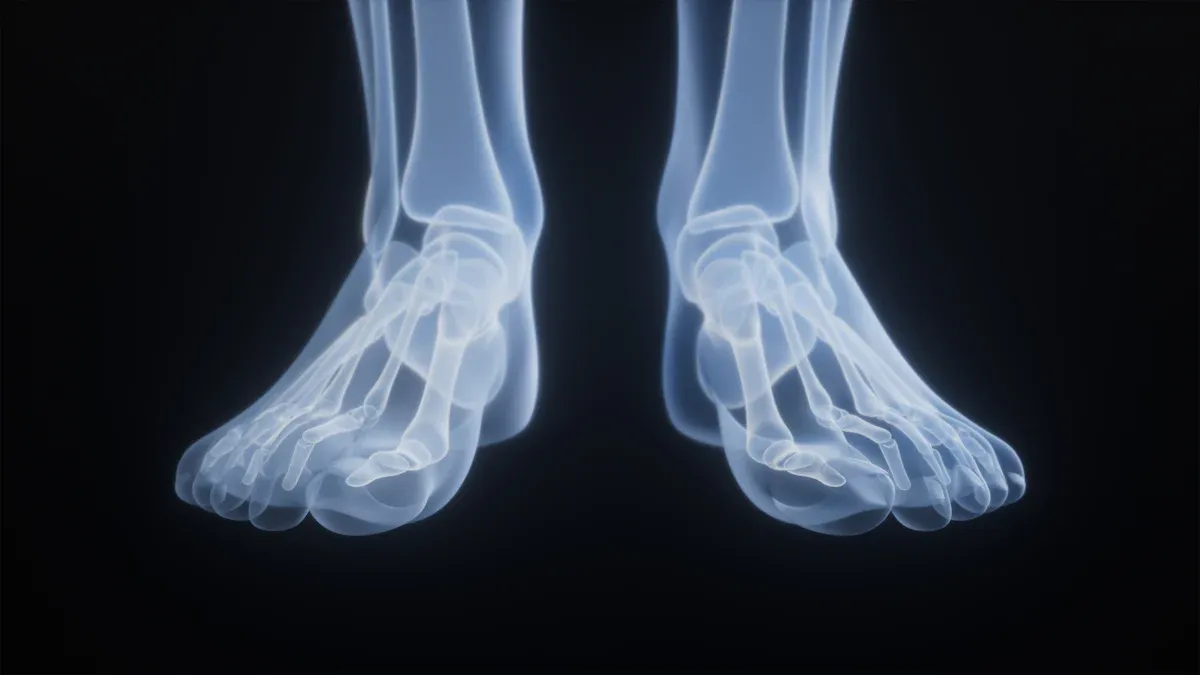
You might experience tingling, pins and needles, or a burning feeling in your foot. Sometimes, you have a complete loss of sensation. This numbness in one foot often signals a problem with your sensory nerve function. While temporary foot numbness is common, persistent or recurring numbness in the feet is not normal. It warrants early intervention.
This type of numbness indicates an underlying issue. You should understand these symptoms. This blog will explore common causes, guide you on when to seek medical help, explain diagnostic methods, and discuss various treatment options, especially those focusing on nerve health and effective treatment.
Key Takeaways
Foot numbness means your foot loses feeling. It often feels like pins and needles. This happens when nerves do not work right or your foot does not get enough blood.
Many things can cause foot numbness. These include pinched nerves, poor blood flow, or health problems like diabetes. Knowing the cause helps you get the right care.
See a doctor if your foot numbness lasts a long time or keeps coming back. Also, get help if you feel sudden weakness or have trouble walking. Early care can prevent bigger problems.
Doctors find the cause of numbness with exams, imaging tests, and nerve tests. These steps help them understand why your foot feels numb.
You can treat foot numbness. Treatments include medicines, physical therapy, and lifestyle changes. Managing health problems like diabetes also helps your nerves.
Understanding Foot Numbness
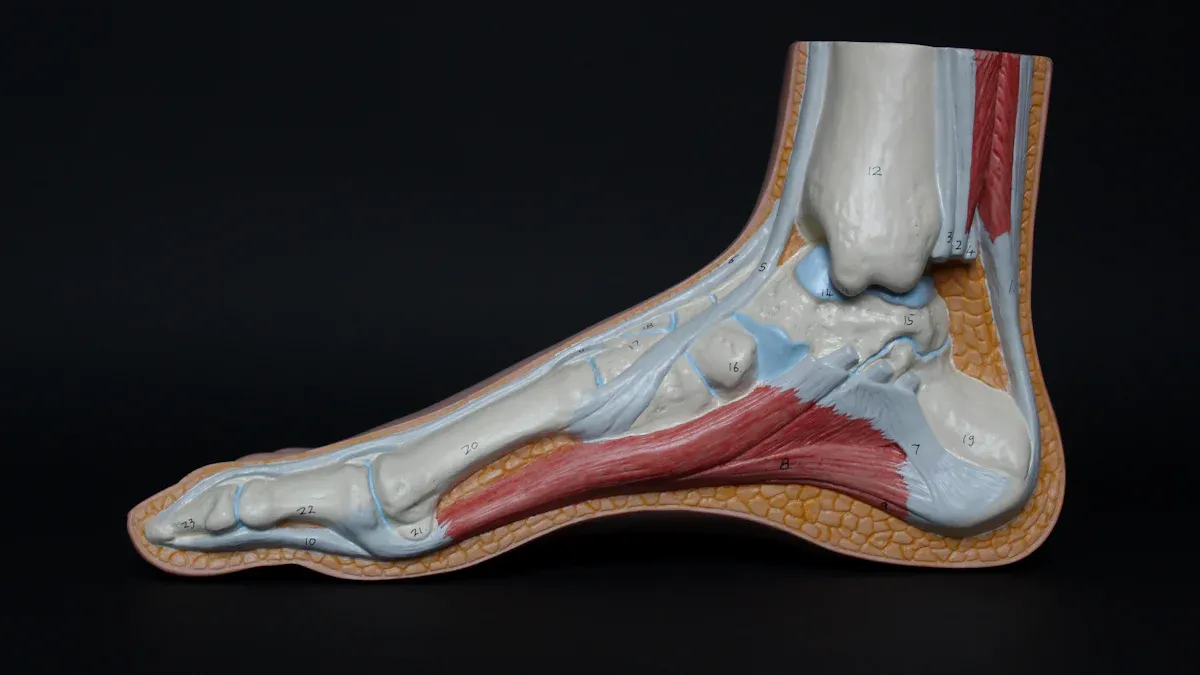
What Numbness Feels Like
You might describe numbness as a “pins and needles” feeling. It can also feel like your foot is asleep. Sometimes, you experience a complete loss of sensation. This means you cannot feel touch, temperature, or pain in your foot. This sensation is a loss of sensory nerve function.
It differs from temporary numbness. Temporary numbness happens when you sit in one position too long. Your foot “falls asleep.” It quickly goes away when you move. Persistent foot numbness, however, does not go away quickly. Numbness in the feet can last for hours, days, or even longer. This type of numbness in one foot signals an underlying problem. It needs attention.
Common Accompanying Sensations
Numbness often comes with other uncomfortable symptoms. You might feel a tingling sensation. This is like a mild electric shock. A burning feeling can also occur. Some people experience weakness in the affected foot. You may find it hard to lift your foot or move your toes.
These symptoms often point to nerve issues. They can also indicate problems with blood flow. When you have chronic foot numbness, these accompanying sensations can be constant. They can affect your daily activities. Recognizing these symptoms helps you understand the problem. It guides you to seek proper care for your foot.
Causes of Foot Numbness
Many different things can cause numbness in one foot. You can experience numbness from nerve problems, blood flow issues, or other health conditions. Understanding these potential causes of numbness helps you know when to seek help.
Nerve Compression & Damage
Nerves send signals between your brain and your body. When something presses on a nerve or damages it, you can feel numbness. This is a common reason for foot numbness.
Pinched Nerves
A pinched nerve happens when surrounding tissues press on a nerve. These tissues can be bone, cartilage, muscles, or tendons. This pressure stops the nerve from working correctly. You might feel tingling, pain, or loss of sensation in your foot.
Sciatica
Sciatica affects your sciatic nerve. This large nerve runs from your lower back down each leg. When something irritates or compresses this nerve, you feel pain, tingling, or numbness. These symptoms often go down one leg into your foot.
Herniated Disc
Your spine has soft discs between its bones. A herniated disc occurs when one of these discs bulges or ruptures. This can press on nearby nerves in your spine. If the affected nerve goes to your foot, you will feel numbness or other symptoms there.
Spinal Stenosis
Spinal stenosis means your spinal canal has narrowed. This narrowing puts pressure on your spinal cord and nerves. This pressure can cause numbness, weakness, or cramping in your legs and feet.
Spondylolisthesis
Spondylolisthesis happens when one of your vertebrae (spinal bones) slips out of place. This can pinch nerves as they exit the spine. You might feel pain, weakness, or numbness in your leg and foot.
Peroneal Nerve Dysfunction
The peroneal nerve runs down your leg. Damage to this nerve causes peroneal nerve dysfunction. This condition is a type of peripheral neuropathy. It affects movement or sensation in your foot and leg. You might experience decreased sensation, numbness, or tingling on the top of your foot. You can also feel it on the outer part of your leg. Causes include knee injury, fibula fractures, or even regularly crossing your legs. This nerve damage can lead to foot drop, where you cannot lift the front part of your foot.
Tarsal Tunnel Syndrome
Tarsal tunnel syndrome involves the tibial nerve. This nerve runs through a narrow space in your ankle called the tarsal tunnel. When this nerve gets compressed, you can feel numbness, tingling, or pain. These symptoms usually appear in your heel or the sole of your foot.
Morton’s Neuroma
Morton’s neuroma is a thickening of tissue around a nerve in your foot. This usually happens between your third and fourth toes. It causes sharp pain, burning, or numbness in your toes and the ball of your foot.
Poor Circulation & Vascular Issues
Your body needs good blood flow. Blood carries oxygen and nutrients to all your tissues. Poor circulation means your body parts do not get enough blood. This can lead to numbness. When blood flow to your foot is reduced, you can feel numbness, tingling, or pain. Your cells do not get the oxygen they need to work correctly.
Peripheral Artery Disease (PAD)
Peripheral Artery Disease (PAD) is a common cause of poor circulation. In PAD, arteries narrow. This decreases blood flow to your legs and feet. Your legs might not get enough blood. This can cause foot pain. If blood flow gets worse, you can experience numbness, tingling, or nerve damage in your feet. Your feet might also feel cold or look paler.
Deep Vein Thrombosis (DVT)
Deep Vein Thrombosis (DVT) is a blood clot in a deep vein. This usually happens in your leg. A DVT can block blood flow. This can cause swelling, pain, and sometimes numbness in the affected leg and foot.
Vascular Disorders
Vascular disorders affect your blood vessels. These conditions can restrict or block blood circulation. Peripheral vascular disease (PVD), also known as PAD, is one such disorder. It involves the thickening or hardening of blood vessels. This leads to restricted blood flow. Symptoms of PVD in your feet and legs include tingling and numbness. Your foot or lower leg might also feel cooler or look bluer.
Medical Conditions Causing Numbness
Several medical conditions can cause numbness in the feet. These conditions often affect your nerves or blood vessels.
Peripheral Neuropathy
Peripheral neuropathy is a general term. It means damage to your peripheral nerves. These nerves are outside your brain and spinal cord. This nerve damage can cause weakness, numbness, and pain. It often affects your hands and feet. Many different conditions can cause peripheral neuropathy.
Diabetic Neuropathy
Diabetic neuropathy is a type of peripheral neuropathy. It happens when high blood sugar levels damage nerves. This is common in people with diabetes. You might feel numbness, tingling, or burning in your feet. Untreated diabetes can also reduce circulation in your feet. This makes numbness worse.
Multiple Sclerosis
Multiple Sclerosis (MS) is an autoimmune disease. It affects your brain and spinal cord. MS damages the protective covering of your nerves. This can disrupt nerve signals. You might experience numbness, tingling, or weakness in various parts of your body, including your foot.
Vitamin Deficiencies
Your nerves need certain vitamins to stay healthy. Low levels of B vitamins, especially B12, B1, and B6, can cause nerve problems. These deficiencies can lead to reduced sensation, tingling, and burning in your feet.
Thyroid Disorders
An underactive thyroid, called hypothyroidism, can also cause nerve issues. This condition can lead to peripheral neuropathy. You might feel burning, tingling, and reduced sensation in your feet.
Alcoholism
Chronic alcohol use can damage peripheral nerve fibers. This is called alcoholic neuropathy. It can lead to numbness, tingling, and pain, especially in your feet and hands.
Other Factors for Numbness
Sometimes, other everyday factors can cause numbness.
Trauma or Injury
A direct injury to your foot or leg can damage nerves. This nerve damage can cause immediate numbness. A broken bone or a deep cut can affect nerve function.
Ill-Fitting Footwear
Shoes that are too tight can press on nerves in your foot. This pressure can cause temporary numbness or tingling. Always wear shoes that fit well.
Prolonged Pressure
Sitting or standing in one position for a long time can put pressure on nerves. This can make your foot “fall asleep.” This type of numbness usually goes away quickly once you move.
Certain Medications
Some medications can cause nerve damage as a side effect. Chemotherapy drugs are one example. If you experience numbness after starting a new medication, talk to your doctor.
When to Seek Medical Attention for Numbness
You need to know when to seek medical help for foot numbness. Sometimes, numbness is harmless. Other times, it signals a serious problem. Pay attention to your body’s signals.
Urgent Symptoms
Some symptoms mean you need immediate medical attention. Do not delay seeking help if you experience these:
Sudden numbness or weakness in your face, arm, or leg, especially on one side of your body.
Sudden confusion or trouble speaking.
Difficulty seeing in one or both eyes.
Sudden trouble walking.
A sudden, severe headache.
Loss of bladder or bowel control.
Numbness that comes on suddenly.
Numbness that affects an entire arm, an entire leg, or one entire side of your body.
Numbness that spreads quickly to other areas of your body.
Numbness that occurs after a recent head injury.
These urgent symptoms can point to serious conditions like a stroke or spinal cord injury.
Concerning Symptoms
You should consult a doctor if your foot numbness is persistent or concerning. Seek medical advice for numbness if:
Numbness lasts for extended periods.
It occurs regularly over time without clear reasons.
Numbness is a regular occurrence without apparent triggers.
Temporary numbness becomes a regular pattern.
Numbness is accompanied by weakness or pain.
It impacts your daily tasks.
The numbness in one foot does not improve.
These symptoms suggest an underlying issue that needs diagnosis.
Temporary vs. Persistent Numbness
You might experience temporary numbness when your foot “falls asleep.” This happens from prolonged pressure. It usually goes away quickly once you move. This type of numbness is generally not a concern. However, persistent foot numbness is different. If numbness lasts for more than a few minutes, or if it keeps coming back, you should see a doctor. This indicates a problem with your nerves or circulation. Do not ignore ongoing numbness. Early diagnosis helps you get the right treatment.
Diagnosis of Foot Numbness
Accurate diagnosis is crucial for effective treatment. You need to find the specific cause of your numbness. Doctors use several methods to diagnose the cause of numbness in your foot.
Medical History & Physical Exam
Your doctor starts by asking about your medical history. They inquire about the nature, severity, and duration of your symptoms. They also ask about any existing conditions, like diabetes. Your doctor asks about exposure to toxins or drugs. This helps identify underlying causes.
You will describe when and how any injury occurred. You explain the path of the pain or sensation. You tell them your body position when pain occurs. You describe the type of sensations you feel. You also mention how often you feel the sensation. You tell them what makes the pain better or worse.
Neurological Examination
Your doctor performs a neurological examination. This checks your nerve function. They assess your sense of touch. With your eyes closed, the examiner lightly touches your skin. They use a safety pin. You identify if they used the sharp or dull end. This test helps detect spinal cord lesions. Your doctor also evaluates proprioception. This is your sense of body position.
They move a toe or finger up or down while your eyes are closed. You state the direction of movement. Impaired proprioception can indicate certain neurological conditions. They also test vibratory sensation. A tuning fork is placed on bony prominences, like your ankle bone. You report if and when you feel it vibrate. They use a pin or cotton swab to test skin sensation. You describe what you feel. They check your ability to perceive hot and cold temperatures. They also assess your pain sensation.
Imaging Tests
Imaging tests help doctors see inside your body. They look for structural problems causing your numbness.
X-rays
X-rays show bones. They can identify bony abnormalities. These include bone spurs or fractures. X-rays help find issues that might press on a nerve.
MRI Scans
MRI scans are non-invasive. They detect peripheral nerve injury. MRI can reveal pathological changes. These include nerve compression, inflammation, or tumors. MRI excels at visualizing your spine and spinal cord. It identifies issues like herniated discs or spinal stenosis. These can press on nerve roots. MRI can pinpoint areas where nerves are compressed. This helps identify the source of conditions like sciatica. MRI is sensitive to inflammation. It detects swelling around nerves.
CT Scans
CT scans are useful for identifying bony abnormalities. These contribute to nerve injuries. They show bone spurs, fractures, or joint dislocations. A CT scan can locate nerve compression. This compression might be due to tumors or herniated discs. Specialized CT myelography can visualize nerves more clearly.
Nerve Function Tests
These tests measure how well your nerves work. They help differentiate between nerve damage or compression.
Electromyography (EMG)
EMG measures electrical activity in your muscles. It helps determine if your muscles respond correctly to nerve signals. This test can identify nerve damage.
Nerve Conduction Studies (NCS)
NCS evaluates peripheral nerve function. It detects the presence and extent of nerve damage. NCS helps diagnose issues like peripheral neuropathy. It also diagnoses nerve compression syndromes. The test measures how well electrical signals travel through your nerves. It assesses speed and strength. By stimulating nerves at various points, doctors pinpoint the specific location of nerve injury. This differentiates between generalized damage and localized compression. NCS assesses nerve conduction velocity, signal amplitude, and latency periods. This objective data helps doctors differentiate between various nerve disorders and muscle conditions.
Blood Tests
Blood tests check for systemic conditions. These conditions can cause numbness. They can suggest vitamin B12 deficiency. They can also indicate diabetes or pre-diabetes. Abnormal thyroid hormone levels link to peripheral neuropathy. Low vitamin B12 and high vitamin B6 levels can cause neuropathy. Tests for inflammation and autoimmunity are also done. These include Erythrocyte Sedimentation Rate (ESR) and Antinuclear Antibodies (ANA). These tests help identify conditions like lupus or rheumatoid arthritis.
Other Specialized Tests
Sometimes, doctors use other specialized tests. These might include ultrasound. Ultrasound is valuable for diagnosing peripheral nerve injuries. It distinguishes acute and chronic compression. It assesses injury extent and nerve severance.
Lifestyle & Home Remedies
You can make many changes at home. These help manage your numbness. They support nerve health and circulation.
Proper Footwear
Wearing the right shoes is important. Ill-fitting footwear can press on nerves. This causes temporary numbness. Choose comfortable, well-fitting shoes. They should have good arch support. This protects your feet from injury.
Regular Exercise
Regular exercise improves circulation. It also supports nerve health. Low-impact activities are best. Try walking, swimming, or cycling. These activities reduce pain intensity. They combat depression and anxiety. They also improve sleep. Gentle, regular movement, including targeted foot exercises and stretches, eases discomfort from neuropathy symptoms.
Nutritional Support
Your nerves need certain nutrients. Vitamin deficiencies can cause numbness. A lack of vitamin B12 can lead to peripheral neuropathy. You might feel tingling, numbness in the feet, and cold sensations. Adequate B12 intake can alleviate these symptoms. Good sources include fish, meat, eggs, dairy, and fortified cereals. Deficiencies in vitamins B1, B3, B5, and B6 also link to neuropathy. Severely low calcium can cause numb, tingling fingers. Adults need 1,000 mg daily. Magnesium deficiency can also lead to numbness and tingling. Eat magnesium-rich foods like almonds, spinach, and black beans.
Hot & Cold Therapy
Applying heat or cold can soothe nerve pain. Warm compresses relax muscles. They reduce discomfort. Warm baths with Epsom salts can also help. Cold packs can reduce inflammation.
Elevating the Foot
Elevating your foot can reduce swelling. This helps if swelling contributes to nerve compression. It improves blood flow back to your heart.
Managing Underlying Causes
Addressing the root cause of your numbness is key. This can significantly improve your symptoms.
Diabetes Management
If you have diabetic neuropathy, managing your blood sugar is critical. High blood sugar levels damage nerves. This worsens numbness. Regular exercise and a balanced diet help control blood sugar. Inspect your feet regularly for sores or cuts. Get regular foot exams.
Addressing Vitamin Deficiencies
Correcting vitamin deficiencies can reverse or improve neuropathic symptoms. If you lack B vitamins, calcium, or magnesium, your doctor might recommend supplements. Replenishing these levels can lead to symptom relief. This enhances your overall well-being. For example, if you have alcoholic neuropathy, stopping alcohol use and taking nutritional supplements can improve symptoms.
Preventing Foot Numbness
You can take proactive steps to prevent foot numbness. These actions help maintain healthy nerves and good circulation.
Ergonomic Practices
Good ergonomics protect your nerves. You should practice good posture. Avoid poor posture, especially when you sit. Set up an ergonomic workspace. This prevents nerve compression along your spine. This compression can extend to your legs and foot. Using a footrest is also helpful.
Perform targeted foot and leg exercises. Regular stretching and strengthening exercises improve circulation. They reduce nerve compression. Try calf stretches, ankle pumps and circles, and toe spreads. Balance exercises also help. Consider supportive products. Orthotic insoles, especially custom ones, can align your feet, ankles, and lower body. This reduces nerve compression. It also improves circulation.
Maintaining a Healthy Lifestyle
Your lifestyle choices greatly impact your nerve health. Regular physical activity, like walking, swimming, or cycling, improves blood flow. It strengthens muscles. This reduces nerve compression. Maintain correct posture during prolonged activities. This minimizes pressure on nerves in your legs and feet.
Include nerve-supporting nutrients in your diet. Essential nutrients for nerve health include B vitamins (especially B12), magnesium, omega-3 fatty acids, and antioxidants. Stay hydrated. Consistent water intake helps maintain blood volume and circulation. This can prevent numbness in the feet. Manage stress with techniques like meditation or yoga. Stress can increase nerve sensitivity. It can worsen numbness. Maintain a healthy weight. This alleviates pressure on nerves and blood vessels in your feet and legs.
Regular Medical Check-ups
Regular check-ups help catch issues early. If you experience chronic foot numbness, consider seeing a podiatrist at least annually. Individuals with diabetes should proactively request foot exams during their check-ups. This ensures early identification of potential issues.
The American Diabetes Association advises at least annual comprehensive foot exams for diabetic patients. You may need more frequent check-ups if you have peripheral neuropathy, peripheral artery disease (PAD), or a history of foot ulcers. Poorly managed diabetes also requires more frequent visits.
Numbness in one foot can stem from various causes. These range from benign to serious. They often involve nerve function or blood flow. Understanding these is crucial. You must not self-diagnose. Seek professional medical advice for persistent or concerning symptoms.