

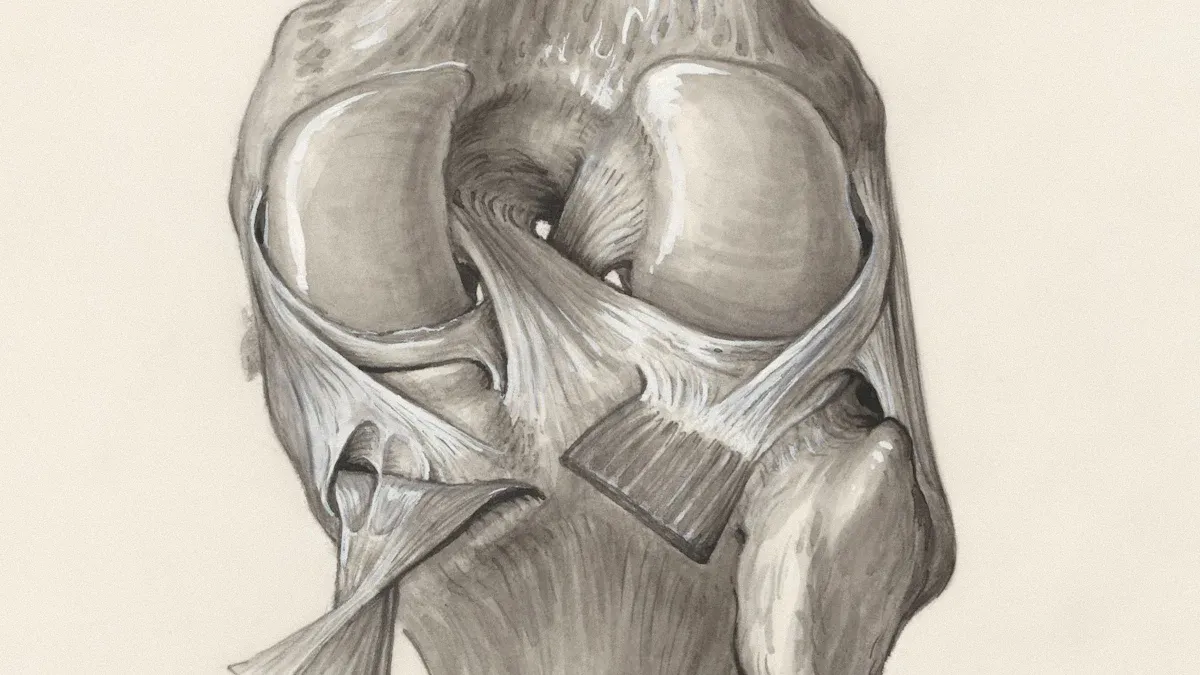
Lateral knee pain is discomfort you feel on the outer side of your knee. This common condition can significantly impact your daily activities and overall quality of life. Understanding the specific causes and symptoms of lateral knee pain is crucial for effective management. This blog provides a comprehensive guide to understanding, treating, and preventing outer knee pain, helping you find relief.
Key Takeaways
Outer knee pain comes from many causes. These include IT Band Syndrome, meniscus tears, and arthritis. Knowing the cause helps you get the right treatment.
Symptoms of outer knee pain include swelling, tenderness, and clicking. You might also feel instability or pain during certain activities. Pay attention to these signs.
You can treat outer knee pain at home. Use the RICE method: Rest, Ice, Compression, and Elevation. Over-the-counter pain relief also helps.
Physical therapy is important for recovery. It strengthens your knee muscles. It also improves how your knee moves. This helps prevent future pain.
Prevent outer knee pain with good habits. Warm up and cool down properly. Increase activity slowly. Wear good shoes. Keep a healthy weight.
What is Outer Knee Pain?
Defining Lateral Knee Pain
You feel lateral knee pain on the outside of your knee. This discomfort happens along the outer edge. It can range from a dull ache to a sharp, intense sensation. This pain often affects your ability to walk, run, or even stand comfortably. Understanding this specific location helps you pinpoint the problem.
Why the Outer Knee is Vulnerable
The outer part of your knee is a complex area. Many important structures work together there. These structures provide stability and allow movement. You have the lateral collateral ligament (LCL). It connects your thigh bone (femur) to your smaller lower leg bone (fibula). The LCL controls sideways motion. It also braces your knee against outward forces. Your outer meniscal cartilage also sits there. This C-shaped cartilage acts like a shock absorber. It cushions the space between your thigh bone and shin bone. This cartilage distributes load and provides stability during movement.
The lateral knee retinaculum is another key structure. It includes superficial and deep fibers. It also involves the iliotibial band, the LCL, the biceps tendon, and the fabellofibular ligament. These parts are the main restraints for your lateral knee. They help keep your knee stable. The fibula is the other bone of your lower leg. It forms a small joint with your tibia on the outside. The lateral tibial plateau is the outer part of your shin bone’s top surface.
All these parts make the outer knee vulnerable to injury. They work hard to stabilize your knee during various movements. They can experience stress from activities like running, jumping, or sudden twists. For example, repetitive bending and straightening of your knee can irritate the LCL or the meniscus. Overuse or improper form often leads to inflammation or tears in these delicate structures. The constant forces placed on this side of your knee during daily activities and sports make it a common site for problems. This stress frequently results in outer knee pain. Understanding these parts helps you see why this area often hurts.
Causes of Outer Knee Pain
Understanding the causes of outer knee pain helps you find the right treatment. Most instances of lateral knee pain come from injuries to ligaments and tendons. They can also result from gradual wear and tear. Iliotibial Band Syndrome (ITBS) is a frequent overuse injury. It is common in athletes, especially distance runners. People new to exercise also often experience it. Here are the main causes of outer knee pain you should know.
Iliotibial Band Syndrome (ITBS)
Iliotibial Band Syndrome (ITBS) is a common overuse injury. It affects the iliotibial band, a thick band of tissue running down the outside of your thigh. This band extends from your hip to just below your knee. When it becomes inflamed or irritated, you feel pain on the outside of your knee.
Several factors can lead to ITBS. Excessive foot pronation, where your foot rotates outward, stretches the IT band. Weak hip abductor muscles can also increase IT band tension. An inward twisting of your shinbone, called internal tibial torsion, pulls the IT band closer to your bones. Medial compartment arthritis, leading to bowed legs, also tightens the IT band. You might have a preexisting tightness of the iliotibial band. Cooling down or warming up too quickly before or after exercise can contribute. A lack of rest or insufficient stretching before exercise also increases your risk. Overexertion during physical activity is a common culprit. Running on tilted, curved, or downhill surfaces can also cause ITBS. Wearing worn-out shoes can make it worse. Rapid changes in workout intensity or poor running form are also factors. Quick transitions from treadmill to outdoor running can trigger it. Hereditary anatomical issues, like different leg lengths or an abnormal pelvic tilt, can also play a role. Poor training habits, lack of muscle flexibility, and inadequate stretching before exercise are common. Mechanical imbalances in your lower back, pelvis, and hips can also contribute.
Iliotibial Band Syndrome impacts between 5% and 14% of runners. It is a frequent cause of lateral knee pain. It accounts for about 22% of all leg and foot injuries. A study showed that 1.63% of distance runners in 21.1 km and 56 km races reported a history of iliotibial band syndrome over a 12-month period.
Lateral Meniscus Tears
Your lateral meniscus is a C-shaped piece of cartilage on the outer side of your knee. It acts as a shock absorber. It helps stabilize your knee joint. A tear in this meniscus can cause sharp outer knee pain. You might feel it when you twist your knee or squat. Tears often happen from sudden twisting movements or direct impact to the knee.
LCL Injuries
The Lateral Collateral Ligament (LCL) runs along the outside of your knee. It connects your thigh bone to your smaller lower leg bone. This ligament helps keep your knee stable. An LCL injury happens when this ligament stretches or tears. A hard hit to the inside or outside of your knee can cause an LCL injury. Twisting your knee can also lead to this injury to the knee.
Sports like basketball, football, or soccer, which involve cutting movements, increase your risk. Skiing is another common activity where LCL injuries occur. Any activity with bending, twisting, or quick changes of direction can strain your LCL. Being hit on the inside of your knee, common in contact sports, can also cause damage.
Lateral Compartment Arthritis
Arthritis is the breakdown of cartilage in a joint. Lateral compartment arthritis specifically affects the outer part of your knee joint. This condition causes pain, stiffness, and swelling. Valgus malalignment, or bowed legs, increases your risk of worsening osteoarthritis in the lateral knee compartment. This condition elevates the risk of early disease development.
It also increases the progression of the disease. This means you might see lateral cartilage or joint space loss on X-rays. Even mild malalignment can increase this risk, not just severe cases. For golfers, a less tibial medial tilt at address might help reduce risk. More research is needed on other factors like peak varus angle and knee abduction moment.
Biceps Femoris Tendinopathy
The biceps femoris is one of your hamstring muscles. Its tendon attaches near the outside of your knee. Tendinopathy means the tendon is irritated or damaged. This condition causes pain on the outer back side of your knee. Progressing too quickly in your training can cause this. This includes rapidly increasing mileage during race training.
Playing more golf than usual, especially after a break, can also be a factor. Repetitive motions and overuse, like running, jumping, or long walks, can irritate the tendon. Swinging a golf club also relies on the biceps femoris. Not warming up enough leaves your muscles and tendons stiff. This increases injury risk in sports with quick changes, like soccer or pickleball. Acute injuries from quick starts and stops, common in basketball or tennis, can also strain the tendon.
Popliteus Tendinopathy
The popliteus muscle is a small muscle located behind your knee. Its tendon helps unlock your knee when you bend it. Popliteus tendinopathy is inflammation or irritation of this tendon. You might experience nonspecific symptoms. Posterolateral knee pain is common. You might also feel instability in your knee. Tenderness in the popliteus area is another sign. A positive Garrick test can also indicate this condition. Overall, knee pain and posterolateral knee instability are typical symptoms.
Runner’s Knee (PFPS)
Patellofemoral Pain Syndrome (PFPS), often called Runner’s Knee, typically causes pain around or behind your kneecap. However, sometimes the pain can radiate to the outer side of your knee. This happens due to issues with how your kneecap tracks in its groove. Overuse, muscle imbalances, or poor biomechanics often cause it.
Other Contributing Factors
Beyond these common issues, several other factors can be possible causes of outer knee pain. Bursitis can also cause outer knee pain. This is an inflammation of the small fluid-filled sacs called bursae. These sacs cushion your bones, tendons, and muscles.
The bursa between your iliotibial band syndrome and the bone can become irritated or inflamed. Popliteal tendinitis is another possibility. This is inflammation of the tendon behind your knee. Overuse, running, jumping, and activities with sudden movements often cause it.
A lateral tibial plateau fracture is a break on the outer part of your shinbone at the knee. Vehicle accidents or direct impacts from falls often cause this. A posterolateral corner (PLC) injury involves damage to tendons and ligaments at the back and outside of your knee. Blows to the outside or back of your knee from falls, sports, or car accidents can cause it. Patellofemoral pain syndrome, also known as runner’s or jumper’s knee, usually causes pain around your kneecap. However, it can also show up as pain on the side of your knee or leg. Overuse, kneecap misalignment, arthritis behind the kneecap, or cartilage defects often cause it.
Symptoms of Outer Knee Pain
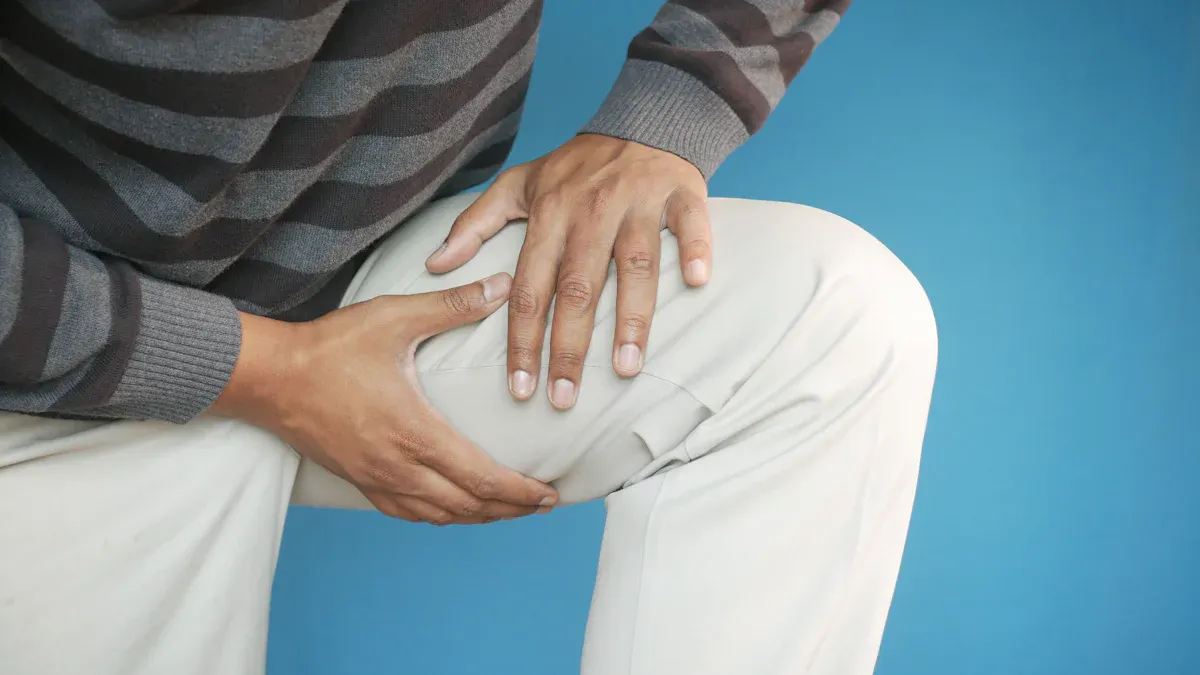
Understanding the symptoms of outer knee pain helps you describe your discomfort to a doctor. You can then get the right diagnosis. These symptoms can vary based on the cause.
Pain Characteristics and Location
You might feel different types of pain on the outside of your knee. If you have lateral collateral ligament damage, you might feel pain from trauma or a sprain. A lateral meniscus tear often causes sudden pain, followed by swelling and difficulty walking. A cyst pressing on your meniscus can cause a lump, pain, or a burning feeling. Osteoarthritis in the outer knee compartment brings pain, reduced movement, and instability.
If your superior tibiofibular joint dislocates, you might feel pain and instability. Damage to the peroneal nerve can also cause pins and needles or numbness on the outer side of your knee. A tibial plateau fracture causes pain and swelling, possibly with pins and needles or numbness. An injury to the posterolateral corner (PLC) often results from trauma. It can damage ligaments and tendons, affecting your knee’s stability.
Swelling and Tenderness
You might notice swelling of the knee and tenderness on the outer side. Iliotibial Band Syndrome (ITBS) often causes this. This condition inflames the lower part of your iliotibial band. Repetitive knee bending and straightening often trigger it. You will typically feel tenderness when someone touches the outer knee, about 2 cm above the joint line. This tenderness can worsen when you bend your knee to 30 degrees. You might also see swelling at the lower part of the iliotibial band.
Clicking, Popping, or Locking
Certain sensations in your knee can point to specific issues.
Condition | Sensations |
|---|---|
Torn Meniscus | Popping, clicking, locking, catching, instability |
Cartilage Damage (e.g., Osteoarthritis) | Clicking, popping, grinding |
Patellar Tracking Issues | Popping, clicking, discomfort, instability |
Meniscal Tears | Popping, clicking, catching, locking, instability |
Patellar Tendon Tear | Popping, tearing sensation |
These feelings can be alarming. They tell you something is not moving smoothly inside your knee. |
Instability or Weakness
Your knee might feel like it will give out. This is instability. You might also feel weakness in your leg. This can happen with injuries to ligaments or meniscal tears. Your knee might not feel strong enough to support your weight.
Pain with Specific Activities
Certain activities can make your outer knee pain worse.
Running or Cycling: Activities with repetitive knee bending and straightening, like running or cycling, often trigger Iliotibial Band Syndrome (ITBS).
Running, Walking, or Climbing Stairs: Runner’s Knee (Patellofemoral Pain Syndrome) causes pain around or behind your kneecap. Activities that bend your knee, such as running, walking, or climbing stairs, can worsen it.
Jumping Sports: Patellar Tendonitis, an inflammation of the tendon connecting your kneecap to your shinbone, often affects people in jumping sports like basketball or volleyball.
Hiking on Uneven Terrain: Steep inclines, rocky paths, and unstable ground stress your knee joint. Downhill walking is especially hard.
High-Impact Sports: Jumping, landing, pivoting, and quick side movements in sports like beach volleyball strain your ACL and menisci.
Running Outside: Repetitive impact on hard surfaces, like asphalt, can worsen conditions like runner’s knee.
Gardening and Yard Work: Repetitive kneeling, squatting, and lifting can stress your knee joints.
Prolonged Standing: Standing for long periods without moving can cause joint stiffness and pain.
Water Sports: Activities like jet skiing or wakeboarding, which involve squatting or bracing, can strain your knees.
Diagnosing Lateral Knee Pain
A proper diagnosis of outer knee pain helps you get the right treatment. Your doctor will use several methods to find out what is causing your discomfort.
Physical Examination
Your doctor starts with a physical examination. They compare your painful knee to your healthy one. They look for redness, swelling, bruising, or muscle differences. Then, they gently touch your knee to check for pain, warmth, or fluid buildup. They specifically look for tender spots on your joints and tendons.
Your doctor also checks how well your knee moves. They assess how much you can extend and bend it. They perform specific tests to check your ligaments and menisci:
Noble Test: You lie on your back with your knee slightly bent. Your doctor presses on your iliotibial band near your knee. They straighten your leg while pressing. Pain under their thumb means a positive test.
Ober Test: You lie on your side with your painful knee up. Your doctor moves your leg back. They try to lower it to the other leg’s level. If they cannot, your iliotibial band is tight. This suggests iliotibial band syndrome.
LCL Assessment: Your doctor applies pressure to the side of your knee. They do this with your leg straight and then slightly bent. A firm stop means your ligament is healthy. A soft stop means it might be torn.
Menisci Assessment: Your doctor uses the McMurray test. They hold your heel and knee. They twist your lower leg. A click, thud, or pain means a possible meniscus tear.
Imaging Tests: X-rays, MRI
X-rays are often the first imaging test for knee pain. They can show fractures, infections, and arthritis. However, X-rays do not clearly show soft tissues. These include ligaments, tendons, or the meniscus.
MRI is a valuable tool for knee injuries. It gives a detailed view of bones and soft tissues. Doctors use MRI to check for injuries to your meniscus, ligaments, and tendons. You might need an MRI if you have:
Persistent knee pain and swelling. This could mean meniscus tears or ligament sprains.
A knee that pops or gives way. This suggests major ligament or cartilage damage.
A knee that locks or catches. This often points to meniscus tears or loose cartilage.
Pain after an injury or surgery. This could be from hidden fractures or re-tears.
Unexplained stiffness and grinding in your knee.
Understanding Your Diagnosis
Your doctor will explain your diagnosis. You should ask questions. Make sure you understand what is causing your outer knee pain. A clear diagnosis helps you and your doctor choose the best treatment plan.
Effective Knee Pain Treatment
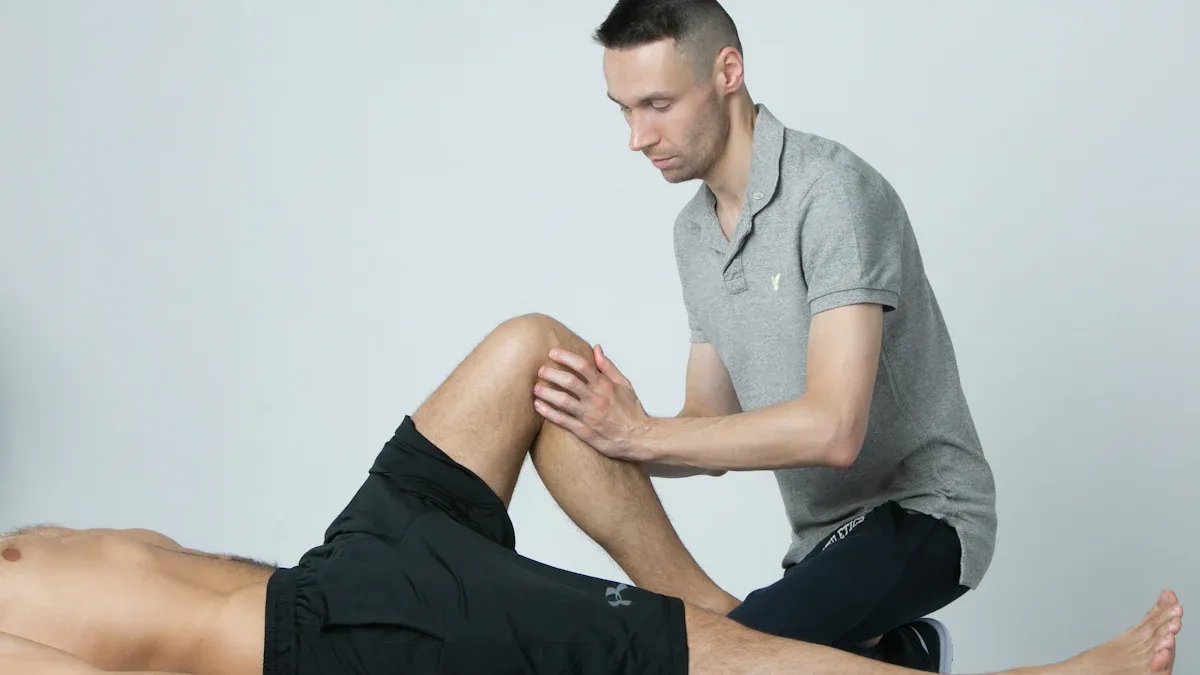
You can find effective knee pain treatment for outer knee pain. This often involves a combination of approaches. The right treatment plan helps you reduce discomfort and regain function.
Initial Self-Care for Relief
You can start treating outer knee pain at home. Applying ice to the affected area helps reduce swelling and inflammation. For sudden injuries, you should use the RICE method. This stands for Rest, Ice, Compression, and Elevation.
Rest: Avoid activities that make your pain worse. Still, allow for gentle movement.
Ice: Apply ice for 15 to 20 minutes every few hours. Do this during the first few days to reduce swelling.
Compression: Use an elastic bandage for compression. Make sure it feels snug but not too tight.
Elevation: Lift your leg above your heart when you sit or lie down. This uses gravity to help reduce swelling.
You can also explore topical remedies. Capsaicin creams or anti-inflammatory gels offer localized relief. These simple self-help for outer knee pain steps are important. They start your journey toward relief.
Physical Therapy and Rehab
Physical therapy is a key part of your knee pain treatment. A physical therapist creates a personalized treatment plan for you. This plan focuses on strengthening the muscles around your knee. It also improves your flexibility and range of motion. Your therapist uses various techniques. These include manual therapy, exercises, and modalities like ultrasound or electrical stimulation. They teach you proper body mechanics. This helps prevent future injuries. This care and treatment approach is vital for long-term recovery.
Targeted Exercises
Simple exercises can treat the causes of outer knee pain. These exercises strengthen the muscles that support your knee. Strong muscles provide better stability.
Hip Abduction Exercises: These exercises build strong hips. They also improve knee stability. You lie on your side with straight legs. Slowly lift your top leg upward, keeping it straight. Hold it briefly at the top. Then, lower it back down. Proper technique is essential. A physical therapist can help you correct your form.
Quad Sets: You tighten your thigh muscles.
Hamstring Stretches: These improve flexibility in the back of your thigh.
Tai Chi: This gentle exercise improves balance and flexibility.
These targeted exercises help you strengthen knee-supporting muscles. They also improve flexibility.
Bracing and Taping
Bracing and taping can offer support and stability for your outer knee. A brace can limit unwanted movements. It protects your knee during activity. Taping techniques, like Kinesio taping, can reduce pain and swelling. They also support your muscles. Your physical therapist can show you the best bracing or taping methods for your specific condition. This helps you manage your outer knee pain.
Injections for Pain
When other treatments do not provide enough relief, your doctor might suggest injections. These injections deliver medication directly into your knee joint.
Corticosteroid Injections: These reduce inflammation and pain. They offer temporary relief.
Hyaluronic Acid Injections: These lubricate the joint. They can improve comfort, especially for arthritis.
Platelet-Rich Plasma (PRP) Injections: These use your own blood components. They promote healing.
Your doctor will discuss the best option for your specific treatment plan.
Surgical Options
You might need knee surgery if you have structural damage to your knee. This is also true if your knee pain does not improve with other methods. This often happens with conditions like osteoarthritis. Common surgical procedures include:
Knee Arthroscopy: This is a minimally invasive procedure. Doctors use it to diagnose and treat many knee joint problems. It allows for quicker recovery. They use it for meniscal tears, ligament sprains, and cartilage loss.
Total Knee Replacement Surgery: This procedure replaces an arthritic knee joint with an artificial one. It is for severe arthritis or degenerative disorders.
ACL & PCL Surgery: This reconstructs torn anterior or posterior cruciate ligaments. It uses tissue grafts to restore knee joint stability.
Meniscus Repair: This fixes torn menisci.
Lateral Release: This surgery cuts the lateral retinaculum on the outside of your knee. It helps align your kneecap. This reduces outer knee pain and instability. Doctors use it for kneecap dislocation.
Lifestyle Adjustments
You can make lifestyle changes to help alleviate or prevent outer knee pain. These adjustments support your overall knee health.
Nutrition: Eat foods that support joint health. Include fruits, vegetables, low-fat dairy, and healthy oils. Consume calcium and vitamin D from dairy and leafy greens. Get sunlight. Eat antioxidant-rich foods like berries and spinach. Stay hydrated. Incorporate lean proteins like chicken and fish.
Balance Rest and Activity: Listen to your body. Schedule rest days. Modify activities to be low-impact. Consult a professional for personalized guidance. Rest your knee when you feel moderate pain.
Exercise: Engage in the right combination of strengthening and stretching exercises. This improves joint movement and function. Strengthen muscles around your hip joint. This alleviates strain on your knee. Weak hip muscles can intensify knee pain. Stretch tight muscles around your knee. This improves flexibility and ensures proper knee joint movement. It can address issues like patellofemoral pain.
Adapt Your Home: Place frequently used items within easy reach. This helps you avoid crouching.
These changes help you manage your condition. They also promote long-term knee health.
Preventing Lateral Knee Pain
You can prevent outer knee pain by taking proactive steps. Focus on proper form during activities. Increase your activity levels slowly. Avoid sudden jumps in intensity. These actions help prevent overuse injuries.
Proper Warm-up and Cool-down
Always prepare your body before exercise. A proper warm-up routine should last 10-15 minutes. It gradually increases intensity.
Dynamic Stretching: Do active movements like walking lunges or high knees. These warm up your muscles and improve movement.
Aerobic Exercise: Include activities like jogging or jumping jacks. These raise your heart rate and increase blood flow.
Sport-Specific Movements: Copy movements from your sport or activity.
After your workout, cool down properly. A cool-down should also last 10-15 minutes. It gradually decreases intensity.
Static Stretching: Hold stretches for 20-60 seconds. Focus on hamstrings and quads. This improves flexibility and prevents injury.
Low-Intensity Exercise: Walk or cycle lightly. This brings your body back to a resting state.
Foam Rolling: Roll over tight muscles for 30-60 seconds. This releases tension and helps recovery.
Gradual Activity Progression
Increase your activity levels slowly. Do not suddenly increase how much you do. This prevents your body from getting too much stress too fast. Your muscles and joints need time to adapt.
Strengthening and Flexibility
Strong muscles support your knee joint. Work on strengthening your hips, thighs, and calves. Good flexibility also helps. Stretch regularly to keep your muscles loose. This improves your knee’s range of motion.
Footwear and Orthotics
Wear the right shoes to prevent outer knee pain. Your shoes need good cushioning and arch support. They must fit comfortably. Worn-out shoes or those with poor arch support can worsen knee pain. They reduce shock absorption. Look for shoes with stability, good cushioning, and enough toe room. Replace your shoes every 300-500 miles or every 6-12 months.
Custom orthotics can also help. They improve foot alignment. They reduce too much pronation, which is when your foot rolls inward. Orthotics can change forces across your knee joint. This helps prevent problems like IT Band Syndrome. One person with long-term lateral knee pain found relief with special taping that mimicked an orthotic. This allowed them to run longer without pain. This shows how orthotics can reduce force on the outside of your knee.
Maintaining a Healthy Weight
Extra body weight puts more stress on your knees. Maintaining a healthy weight reduces this stress. It helps protect your knee joints from wear and tear.
Biomechanics and Ergonomics
Pay attention to how you move. Use proper form during exercise and daily activities. This means using your body efficiently. Good posture and movement patterns reduce strain on your knees.
When to Seek Medical Help
You need to know when to see a doctor for your knee. Some signs mean you should get medical advice. Do not ignore these signals.
Persistent or Worsening Pain
You should see a doctor if your outer knee pain does not get better. This is true even after you try home care. Your pain might also get worse over time. This means you need professional help. A doctor can find the cause.
Sudden, Severe Injury
You need immediate medical attention for a sudden, severe injury. This happens if you fall or get a direct hit to your knee. You might feel intense pain right away. This type of injury often needs quick care.
Inability to Bear Weight
You must see a doctor if you cannot put weight on your leg. This is a serious sign. It means your knee might have a significant injury. You should not try to walk on it.
Significant Swelling or Deformity
Look for changes in your knee’s appearance. You need to see a doctor if your knee swells a lot. A visible deformity also means you need help. This could be a sign of a fracture or severe ligament damage.
Numbness or Tingling
You should seek medical help if you feel numbness or tingling. These sensations can happen in your leg or foot. They might mean nerve damage. A doctor can check this for you.
Lateral knee pain is a common condition. You can manage it effectively. Identifying the cause of your outer knee pain is important. Seek appropriate treatment. Remember these key steps for long-term relief:
FAQ
What is the most common cause of outer knee pain?
Iliotibial Band Syndrome (ITBS) often causes outer knee pain. This overuse injury affects the IT band, a thick tissue running down your thigh. Runners and new exercisers frequently experience it. It results from repetitive knee bending and straightening.
What activities often cause outer knee pain?
Repetitive activities like running, cycling, and hiking on uneven terrain often cause outer knee pain. High-impact sports with jumping or quick turns also contribute. Prolonged standing or repetitive kneeling can also strain your knee.
What are the first steps to treat outer knee pain at home?
You can start with the RICE method. Rest your knee. Apply ice for 15-20 minutes. Use a compression bandage. Elevate your leg above your heart. Over-the-counter pain relievers like ibuprofen can also help reduce pain and swelling.
What does it mean if my knee clicks or locks?
Clicking, popping, or locking sensations in your knee can mean a few things. A torn meniscus or damaged cartilage often causes these feelings. Patellar tracking issues can also lead to such sensations. You should see a doctor for a proper diagnosis.
What is the role of physical therapy in treating outer knee pain?
Physical therapy is crucial. A therapist creates a plan to strengthen muscles around your knee. They improve your flexibility and range of motion. You learn proper body mechanics. This helps prevent future injuries and aids long-term recovery.