

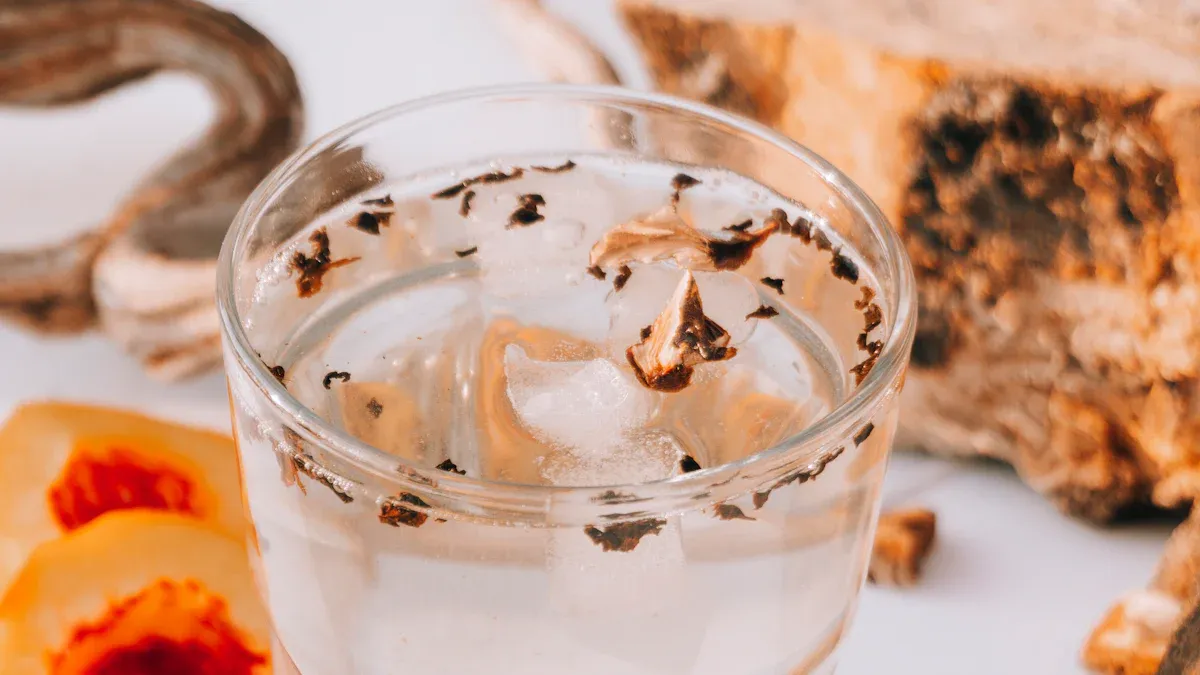
Clove water is an infusion of whole cloves in hot water. You steep these cloves to make a popular clove tea. This drink offers many health benefits. Many people worldwide use natural remedies. Approximately 80% of the global population relies on traditional medicines. Clove, a significant herbal remedy, is part of this tradition. You can easily prepare your own clove tea. This post helps you understand clove. You will learn its advantages and how to safely use this powerful spice in your wellness routine. The aromatic clove provides many benefits.
Key Takeaways
Clove water is a simple drink. You make it by steeping whole cloves in hot water. It offers many health benefits.
Clove water helps your digestion. It also boosts your immune system. It can improve oral health and regulate blood sugar.
You can easily make clove water at home. Use 1 to 2 whole cloves per cup of water. Simmer for 10 to 15 minutes.
Drink clove water in moderation. Too much clove can cause side effects. Always talk to a doctor before using it.
Clove water can interact with some medicines. Avoid it if you take blood thinners. Pregnant women and young children should not drink it.
Understanding Clove Water

What is Clove Water?
Clove water is a simple drink. You make it by steeping whole cloves in hot water. Many people call this drink clove tea. It is a natural infusion. This infusion captures the beneficial compounds from the clove spice. You can easily prepare clove water at home.
Historical Use of Clove
People have used clove for centuries. Its history is rich across many cultures. Traditionally, clove provided relief for dental pain. Its essential oil, which contains eugenol, acted as a pain reliever for toothaches. You might find it in old remedies for dental emergencies. People also used clove to enhance aromas. For example, they added cloves to betel quids for a better smell. In Indonesia, clove is a key ingredient in kretek cigarettes. Beyond personal use, clove essential oil helped preserve foods. It also protected wood for cultural heritage. Giving a pomander, made with clove and an orange, showed warmth in Victorian England. This shows how versatile clove has been.
Key Compounds in Clove
Clove contains powerful natural compounds. These compounds give clove its many benefits. Eugenol is the most important compound in clove. It has many known biological activities. Eugenol can fight insects. It also has antimicrobial properties. This means it can stop germs from growing. Eugenol helps reduce swelling, showing anti-inflammatory effects.
It also helps wounds heal. Studies show eugenol has antiviral and antioxidant actions. It may even have anticancer activity. Eugenol can also help with pain relief. It works like some local anesthetics. Other important compounds in clove include eugenyl acetate and beta-caryophyllene. These compounds all contribute to the health benefits you get from clove tea.
Health Benefits of Clove Water
Clove water offers many health benefits. You can gain these advantages by drinking clove tea regularly. This section explores the various ways clove supports your well-being.
Digestive Aid
Clove water can greatly help your digestion. It reduces bloating and soothes upset stomachs. It also helps with gas and indigestion. Modern scientific research supports clove’s traditional uses in digestion. Animal studies suggest clove may increase gastric mucus secretion.
This helps protect your stomach lining. Eugenol, a key compound in clove, has antimicrobial and anti-inflammatory properties. Clove extracts can stop the growth of harmful bacteria in your gut. Research published in the Journal of Agricultural and Food Chemistry shows eugenol enhances gastric mucus production. This mechanism protects your stomach lining. It eases indigestion and bloating by supporting digestive health.
Antioxidant Power
Clove is packed with antioxidants. These powerful compounds protect your body from damage caused by free radicals. Free radicals can harm your cells and lead to various diseases. Drinking clove tea gives you a boost of antioxidants. This helps keep your cells healthy. Clove contains many antioxidants, including eugenol. These antioxidants work to neutralize harmful substances in your body.
Anti-inflammatory Properties
Clove water has strong anti-inflammatory properties. This means it can help reduce inflammation throughout your body. Inflammation often causes pain and discomfort. Eugenol, a main compound in clove, plays a big role here. Studies show eugenol can decrease inflammatory markers like COX-2, TNF-α, and IL-6. It also improves your antioxidant status. Clove oil can stop the creation of pro-inflammatory cytokines such as IL-1β, TNF-α, and IL-6. These are made by inflammatory cells. Other compounds like humulene and caryophyllene also show anti-inflammatory benefits. They work similarly to some medications.
Immune System Support
Clove water can boost your immune system. It helps your body fight off infections and illnesses. Research shows clove essential oil and aqueous extracts affect immune cell activity. They also influence antibody production. In studies, clove essential oil increased white blood cell count. It enhanced immune responses. This means clove can help your T cells and B cells work better. Clove ingredients can suppress T cells and enhance B cell expansion.
This leads to a stronger immune response. Clove can also reduce certain inflammatory cytokines and increase anti-inflammatory ones. This helps modulate inflammation and speeds up humoral immunity.
Oral Health Benefits
Clove has been used for thousands of years to treat gum infections. It has strong antimicrobial activities against oral bacteria. Eugenol, the main compound in clove, has antibacterial, antifungal, anti-inflammatory, and antiviral effects. It acts as a disinfectant and pain reliever. Clove also shows antimicrobial activity against oral bacteria and helps with periodontal disease.
Studies have shown clove’s effectiveness against various bacteria. It can kill bacteria like Staphylococcus aureus, Escherichia coli, and Pseudomonas aeruginosa. A clinical trial even investigated clove mouthwash to reduce ventilator-associated pneumonia in ICU patients. This highlights its potential to kill bacteria and improve oral health.
Blood Sugar Regulation
Clove water may help regulate blood sugar levels. This is especially helpful for people managing their blood sugar. Research indicates that a polyphenol-rich clove extract (PCE) significantly reduced postprandial glucose levels.
This happened in both healthy and prediabetic volunteers. PCE’s early effects on blood sugar are likely due to its ability to inhibit α-glucosidase and α-amylase enzymes. These enzymes break down carbohydrates. Sustained improvements may involve increased insulin sensitivity and decreased hepatic glucose production. PCE enhanced glucose uptake in muscle cells. It also inhibited glucose production in liver cells. This shows how clove can help you regulate blood sugar.
Respiratory Relief
Clove has a long history in traditional medicine for relieving cold symptoms. These include coughs, sore throats, and minor respiratory ailments. Its warming and aromatic qualities help clear congestion and soothe irritated mucous membranes. Eugenol in clove has antimicrobial and anti-inflammatory properties. It can inhibit the growth of certain bacteria and viruses. It also reduces inflammation in your respiratory tract. Clove acts as an expectorant. It helps loosen and expel mucus from your respiratory tract. This relieves cough and congestion. For asthma sufferers, clove can reduce airway inflammation, making breathing easier. You can make clove tea by boiling 4-5 whole cloves in water. Drink this 2-3 times daily to help with respiratory issues.
Liver Health Promotion
Clove can also promote liver health. Studies have investigated the hepatoprotective effects of clove extract. This extract protects against liver damage and oxidative stress. Eugenol, found in clove, can reduce harmful effects on the liver when consumed with alcohol.
Using eugenol alone decreased total oxidant status and increased total antioxidant status. This shows improved antioxidant status. Japanese researchers found that clove has antioxidant properties. These antioxidants help prevent cell damage. This damage can contribute to serious diseases over time.
Potential for Weight Loss
Clove may also play a role in weight management. While direct studies on clove water for weight loss are limited, extracts of clove have shown promise. These extracts, along with other spices, can induce TGR5-mediated weight loss effects. This suggests a potential link between clove components and weight management. More research is needed to fully understand how clove can help with weight loss.
Mild Pain Relief
Clove is an excellent pain reliever. It has been used historically for this purpose. Dr. Sina Smith, a medical director, explains that clove oil acts directly on pain fibers.
It also influences inflammatory chemical messengers that change your pain response. For muscle soreness, you can use an ointment containing clove oil. You can also apply diluted clove oil to aching muscles and joints. A 2006 study found that clove gel significantly reduced pain. This suggests clove oil can be an effective topical anesthetic. Clove oil contains several pain-relieving ingredients. Beta-caryophyllene is one of them. It binds to CB2 receptors, which helps alleviate pain. These health benefits make drinking clove tea a good choice for mild pain.
Simple Clove Water Recipe

Making your own clove water is very easy. This simple recipe helps you create a beneficial drink. You will find this process straightforward.
Ingredients for Clove Tea
You need only a few items to make this healthy drink. The main ingredient is, of course, cloves.
Whole Cloves: Use 1 to 2 whole cloves per cup of water. This amount gives you a good flavor without being too strong. Avoid using more than 3 cloves per cup. Too many cloves can make your drink bitter.
Water: You need fresh, clean water.
Optional: Ground Cloves: If you do not have whole cloves, you can use ground cloves. Use about 1/8 teaspoon of ground cloves for your recipe. Ground clove is very potent. Remember, 1 whole clove equals about 1/15 teaspoon of ground cloves.
Essential Equipment
You likely have these items in your kitchen already.
Small Saucepan: You will use this to boil the water and cloves.
Mug or Cup: This is for serving your clove tea.
Strainer: A fine-mesh strainer helps remove the cloves from the water.
How to Make Clove Tea
Follow these simple steps to prepare your warm, aromatic clove tea. This is a basic recipe you can easily follow.
Measure Water: Pour 1 cup of water into your small saucepan.
Add Cloves: Add 3 to 5 whole cloves to the water. If you prefer a stronger taste, you can add a few more.
Boil: Place the saucepan on your stove. Bring the water to a boil over medium-high heat.
Simmer: Once the water boils, reduce the heat to low. Let the cloves simmer in the water for 10 to 15 minutes. This allows the beneficial compounds from the clove to infuse into the water.
Strain: Carefully pour the clove tea through a strainer into your mug. This removes the whole cloves.
Serve: Your fresh clove tea is now ready to drink. You have successfully learned how to make clove tea.
Customizing Your Clove Drink
You can easily change your clove drink to suit your taste. Adding other ingredients can also boost its health benefits.
Lemon: Squeeze in juice from half a fresh lemon. A medium-sized organic lemon works well. Lemon adds a bright, citrusy flavor. It also provides vitamin C.
Ginger: Add a thumb-sized piece of fresh ginger rhizome. You can slice it or grate it. Ginger clove tea is a very popular natural remedy. Both ginger and clove enhance your metabolic rate. Gingerols and shogaols in ginger stimulate digestion and calorie burning. Eugenol in clove helps regulate your metabolism.
Ginger also curbs appetite and reduces cravings. This helps you feel full. Both ginger and cloves aid digestion. Ginger relieves issues like bloating. Cloves stimulate digestive enzymes. Ginger improves insulin sensitivity. Cloves may lower blood sugar levels. This helps balance your blood sugar. Both ingredients have detoxifying properties. They support liver function and flush out toxins. Ginger has anti-inflammatory properties. Cloves are rich in antioxidants. They both reduce inflammation. The aroma of ginger and cloves can be uplifting. Ginger has mood-enhancing effects. This helps you manage stress. This simple recipe becomes even more powerful with these additions.
Incorporating Clove Water
You can easily add clove tea to your daily routine. This section gives you practical advice. You will learn how to best enjoy your clove tea.
Recommended Intake
There is no specific daily intake for clove water. This is because the eugenol content in clove water is unknown. Eugenol is a powerful compound in clove. Excessive intake can lead to problems like decreased blood clotting, vomiting, and diarrhea. For whole cloves, a safe daily consumption range for maximum health benefits is 2-6 pieces. You should always consult a doctor or nutritionist. They can give you personalized advice on safe clove consumption. This is especially important if you have liver disease, clotting disorders, or a weak immune system. Always seek professional guidance when consuming clove water.
Best Time to Drink
You can drink clove tea at different times of the day. Many people enjoy drinking clove tea in the morning. It can help kickstart your digestion. You might also drink it before meals. This can prepare your stomach for food. Some people find drinking clove tea warm before sleep very soothing. A video also discusses the benefits of consuming clove at night. This can help with relaxation. You can choose the time that works best for your routine.
Storing Prepared Clove Water
Proper storage helps maintain the freshness and potency of your clove tea. Store prepared clove water in a dark glass bottle. Keep it away from heat and sunlight. Refrigeration is recommended, especially for alcohol-free versions. If you make homemade clove tea, sterilize your equipment thoroughly. This prevents contamination. Discard your clove water if it becomes cloudy or foul-smelling. This indicates spoilage. Consume homemade clove water within 3–5 days. This minimizes contamination risks. The general shelf life for this type of clove drink is short.
Important Considerations
Moderation is Key
You must use clove in moderation. Too much clove can cause problems. An overdose of eugenol oil, found in clove, is serious. As little as 10 milliliters can cause an overdose in adults. Smaller amounts can harm children. If you consume too much clove tea, you might experience nervous system problems. These include agitation, dizziness, seizures, or even unconsciousness. You could also have breathing problems like shallow breathing or coughing up blood. Liver failure is a risk, especially for children. Your bladder and kidneys might show blood in the urine or no urine output. You could feel pain when you urinate. Burns in your mouth and throat are possible. Your stomach might hurt, and you could have diarrhea, nausea, or vomiting. Your heart rate might become rapid.
Medication Interactions
Clove can interact with some medications. You should be careful if you take drugs that slow blood clotting. Clove can also slow blood clotting. Taking clove with these medicines increases your risk of bruising and bleeding. These medications include aspirin, ibuprofen, and warfarin. Eugenol in clove can interact with warfarin. You should avoid clove oil and clove tea if you take this medication. Small amounts of clove as a spice are usually safe. Clove might also lower your blood sugar levels. If you take diabetes medications, combining them with clove tea could make your blood sugar drop too low. You need close monitoring in this case.
Who Should Avoid Clove Water
Certain people should avoid clove. If you are pregnant or breastfeeding, you should not drink clove tea. The American Pregnancy Association advises this. Clove might stimulate uterine contractions. Children under age 2 should also avoid clove. Their livers are not mature enough. This can lead to liver damage. If you have bleeding disorders or take blood thinners, avoid clove tea. Clove has anticoagulant properties. This increases your bleeding risk. People with existing liver conditions should be careful. Too much concentrated clove can harm your liver. If you have diabetes and take medication, clove tea might lower your blood sugar too much. If you have spice allergies, you might get a rash, swelling, or breathing problems from clove.
Consulting a Healthcare Professional
You should always talk to a healthcare professional. Do this before you add clove water to your routine. They can give you personalized advice. This ensures your health and safety.
Clove water is a simple, beneficial drink. It offers many health advantages, from digestion to immunity. You can easily make it. You can also incorporate it into your daily life. Always use moderation. Talk to a healthcare professional. This is especially true if you have existing health conditions or take medication. Explore clove water responsibly. It can be a natural addition to your wellness journey. You gain many benefits for your overall health.


