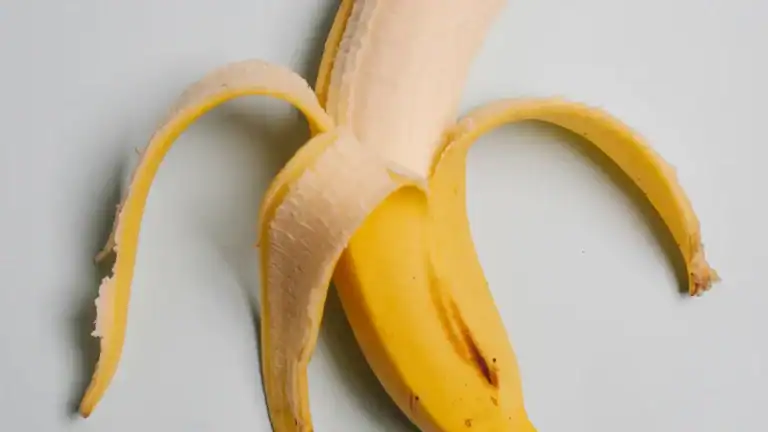
Carbs become sugar through digestion: enzymes and chewing break complex carbs into simple sugars. The small intestine finishes the job, producing glucose, fructose, and galactose. Those sugars enter the bloodstream via transport proteins and reach the liver for processing. Insulin and liver activity help decide whether sugar is used immediately or stored.
What Are Carbohydrates and Why They Matter
At the time people talk about carbohydrates, they mean the foods and molecules that give most of the body’s quick energy.
The writer explains that carbohydrates show up in many familiar foods and act as a shared fuel source people count on together.
Carbohydrates supply digestible calories that the body can turn into usable fuel, and recognizing this helps people make choices that fit their life and friendships around food.
The piece connects calories to overall dietary balance, so readers can feel included while planning meals that support activity and mood.
It keeps explanations simple, with gentle reassurance about learning steps.
The tone respects different needs, offers steady guidance, and invites questions without judgment so everyone feels welcome.
Types of Carbohydrates: Simple Vs Complex
People who learned that carbohydrates give quick energy next want to know that not all carbs act the same in the body. The simple carbohydrates decompose quickly into sugar. They are found in fruits, milk, and many sweets. The complex carbohydrates have longer chains and often take more time to digest. They include whole grains, beans, and vegetables. Together these types affect blood sugar differently, which is why the Glycemic Index can help people choose foods that keep energy steady.
Some complex carbs include Resistant Starch, which resists digestion and feeds friendly gut bacteria while slowing sugar release. This shared comprehension helps readers feel included whenever making food choices that support steady energy, digestion, and a sense of control over daily meals.
How Chewing and Saliva Begin Carb Breakdown
As soon as food enters the mouth, teeth and tongue work together to break it into smaller pieces through gentle chewing, making it easier to handle and taste.
At the same time saliva mixes in and supplies salivary amylase, an enzyme that begins turning some starch molecules into simpler sugars right away.
This softened, enzyme-coated mass forms a bolus that the person comfortably swallows, setting the stage for further digestion down the throat and into the stomach.
Mechanical Breakdown in Mouth
Inside the mouth, chewing starts a careful, hands-on process that turns big pieces of food into smaller, easier-to-use bits. Teeth cut and grind, tongue moves food, and saliva moistens it. This teamwork makes swallowing safe and helps oral microbiota mix in. Sensory signaling from taste and texture guides bite size and pressure. People feel cared for whenever their body works together like this.
| Action | Role | Feeling |
|---|---|---|
| Biting | Breaks tough edges | Secure |
| Grinding | Reduces size | Confident |
| Tongue shaping | Forms bolus | Comfortable |
| Saliva wetting | Makes smooth | Supported |
| Sensory cues | Adjust chewing | Connected |
These steps set the stage for enzymes to act, linking mechanical work to chemical change gently.
Salivary Amylase Action
With a few gentle chews and a splash of saliva, salivary amylase begins its quiet work, turning large starch molecules into smaller sugar pieces that the body can use.
The enzyme acts right away, sliced into starch chains while the oral microbiome hums nearby. Gentle mixing lets amylase access food surfaces, and slight pH effects influence how well it works. People feel comfort in this shared chemistry, appreciating mouths start digestion together.
- Salivary amylase cuts starch into maltose and dextrins, easing later steps.
- pH effects matter because neutral to slightly acidic mouths favor enzyme action; extremes slow it.
- The oral microbiome interacts with released sugars, creating a balanced environment and friendly signals.
Bolus Formation for Swallowing
During chewing, saliva and teeth work together to turn a mouthful of food into a smooth, swallowable bolus that also starts breaking down carbohydrates. The teeth grind food into small pieces while saliva moistens and binds them into a cohesive mass.
Salivary enzymes begin to cleave starches as taste receptors signal flavor and texture, inviting gentle oral reflexes that time each swallow. This teamwork feels familiar and comforting, like joining others around a table.
Muscles shape the bolus and position it for the throat while reflexes protect the airway. As the bolus moves back, saliva continues enzymatic action so carbs enter digestion already softened.
The shared biology creates a simple, dependable process that connects eating to nourishment and to one another.
Enzymes in the Small Intestine That Finish Digestion
In the small intestine, tiny enzymes finish the job of turning starch and other carbs into simple sugars the body can use.
The mucosa offers the brush border where many enzymes sit ready. Pancreatic amylase continues breaking starch into smaller bits, then specific brush border enzymes cut those pieces into single sugars. Enteropeptidase activation helps trigger digestive cascades so enzymes arrive as required. This team effort feels reassuring, like a group working together so everyone belongs and gets fuel.
- Maltase, sucrase and lactase at the brush border split disaccharides into monosaccharides
- Pancreatic enzymes arrive via ducts after enteropeptidase activation begins protease activity
- Coordinated timing keeps digestion efficient and gentle on the gut
How Glucose and Other Sugars Are Absorbed Into Blood
After the brush border enzymes split starches and sugars into single sugar molecules, those sugars face one more careful step before they can fuel the body: crossing the intestinal wall into the blood.
Cells of the intestinal epithelium welcome glucose and other simple sugars. Some sugars enter passively through channels, following concentration differences. Glucose often uses transport proteins that move it from the gut cell into the space beneath the epithelium.
From there a network of tiny vessels collects the sugars. Those vessels join the portal circulation that leads toward the liver. Along this route, transported sugars stay within a protected system where the body can regulate their use. The process feels cooperative, like a team quietly passing the ball toward the next player.
The Liver’s Role in Processing Dietary Carbs
Through the portal vein, the liver receives a steady stream of sugars and becomes the body’s careful manager of what happens next. It sorts incoming glucose for storage as glycogen, sends some back into circulation via liver gluconeogenesis whenever stores run low, and adjusts timing so the whole body feels supported. The liver also aids digestion through bile secretion, helping fats that travel with carbs be handled together. This organ acts like a trusted neighbor who shares resources and steadies the neighborhood.
- Stores excess glucose as glycogen and releases it when needed
- Performs liver gluconeogenesis to create glucose from noncarbohydrate parts
- Produces bile secretion to assist digestion and coordinate nutrient flow
People can rely on this cooperative, steady partner within themselves.
How Insulin Regulates Blood Sugar and Cellular Uptake
As blood sugar rises after a meal the pancreas senses it and releases insulin into the bloodstream with a calm, timely response.
Insulin then signals cells to open glucose transporters so sugar can move from the blood into muscle, fat, and liver cells.
Once inside those cells the glucose is used for energy or stored, which helps steady mood and energy and reassures the body it will have fuel at the time of need.
Insulin Release Mechanism
Cells in the pancreas sense rising blood sugar and gently release insulin to guide glucose into tissues, easing the body’s need for constant worry.
In this warm, clear view, beta cell signaling detects fuel and opens a path for insulin to leave the pancreas.
Incretin effects from the gut add a friendly nudge after a meal, so timing and amount match the body’s needs.
- The pancreas reads blood glucose and adjusts insulin output to protect cells and keep everyone safe.
- Beta cell signaling uses electrical and chemical steps that respond quickly and with care.
- Incretin effects amplify insulin release whenever food is present, helping the body work as a team.
This description connects sensing and release, showing how parts cooperate.
Glucose Transporters Activation
A few seconds after insulin leaves the pancreas, a helpful chain reaction begins at the surface of many tissues. Insulin binds receptors on muscle and fat cells, and that signal prompts transporter phosphorylation inside the cell. This change acts like a welcome memo, telling storage vesicles to move. Then GLUT4 trafficking starts, guiding GLUT4 carriers toward the cell membrane. The membrane welcomes these carriers so glucose can enter more easily.
People often feel reassured cognizant this system works together for everyone, and that cells cooperate to keep blood sugar steady. The process relies on clear steps: signal, phosphorylation, movement, and fusion. Each step is dependable yet delicate, so small disruptions can affect how well glucose gets into cells.
Cellular Glucose Utilization
After insulin arrives at target tissues, a reassuring cascade of signals gently shifts the balance between blood and cell, helping the body use glucose where it is needed most. Insulin tells cells to open glucose channels and invites hexokinase regulation to begin converting glucose to glucose 6 phosphate so it stays inside and gets used.
This shared process helps everyone feel included in the body’s effort to stay well.
- Cells welcome glucose and start mitochondrial uptake whenever energy is needed, linking fuel to function.
- Muscle and fat respond together so no tissue feels left out, coordinating storage and use.
- Friendly signals balance uptake and enzyme activity, keeping blood sugar steady for the whole community.
What Happens to Excess Glucose: Glycogen and Fat Storage
Once there is more glucose in the blood than the body needs for immediate energy, the liver and muscles step in to store some of it as glycogen, a compact form that can be tapped quickly whenever energy is needed; in case those stores fill up, the liver converts the extra glucose into fat for longer-term storage.
The body carefully balances glycogenolysis dynamics with storage so friends feel safe being aware energy is available. Muscle and liver work together and communicate through hormones.
As glycogen capacity is reached, adipose lipogenesis begins in fat tissue. This process creates triglycerides that sit in fat cells until the body calls for them.
Both storage routes keep the group functioning, allowing people to rely on one another whenever energy demands change.
Cellular Pathways That Generate Energy From Glucose
With glycogen stores topped up and some glucose set aside as fat, cells begin to use whatever glucose remains to make the energy the body needs right now. Cells gently welcome glucose, sending it into glycolysis where it is split into smaller pieces and a little ATP is made.
Those pieces move into mitochondrial respiration to make much more ATP, and this step feels like a reliable team effort everyone can trust. Another route, the pentose phosphate pathway, shares tasks by making NADPH and building blocks for growth.
These pathways work together and support each other, so the body as a whole feels steady and connected.
- Glycolysis starts the process and shares fuel.
- Mitochondrial respiration yields the bulk of usable energy.
- Pentose phosphate supplies repair and growth materials.
How Fiber Alters Carb Digestion and Blood Sugar Response
In everyday meals, fiber acts like a gentle traffic controller that slows how quickly carbohydrates turn into sugar in the blood. It forms viscous gels in the gut that delay digestion. This slower pace helps people feel steady and supported after eating. Fiber also feeds gut microbiota which produce helpful compounds that influence metabolism and mood. These effects tie together digestion and community in a friendly way.
| Fiber Type | Key Effect |
|---|---|
| Soluble | Forms viscous gels, slows absorption |
| Insoluble | Adds bulk, supports movement |
| Fermentable | Feeds gut microbiota, yields metabolites |
Together these mechanisms reduce rapid sugar spikes and promote steady energy. They connect bodily processes with everyday choices people share and trust.
Why Different Foods Raise Blood Sugar at Different Rates
Different carbohydrates decompose at different speeds, so some foods raise blood sugar quickly while others do so more slowly.
The type of carb matters because simple sugars are absorbed faster than complex starches, and the physical structure of a food can slow digestion through trapping carbs inside intact cells or fiber.
Connecting these ideas shows how both chemistry and food structure work together to shape the rise and fall of blood sugar.
Carb Type Matters
Why do some foods make blood sugar spike fast while others barely move it? The answer lies in carb type. Foods score differently on the glycemic index, which predicts how quickly carbs raise blood sugar. Simple carbs digest fast and tend to spike levels. Complex carbs digest slower and often give a gentler rise. Gut microbiome effects also shape digestion and can slow or speed sugar release. People find this reassuring because small choices add up and they belong to a group learning together.
- Choose lower glycemic index options to feel steadier and supported
- Include fiber rich whole foods to feed helpful microbes and ease digestion
- Pair carbs with protein or fat to reduce rapid spikes and share balanced meals
Food Structure Effect
Because the way a food is built changes how quickly the body can pull sugar from it, people can learn to predict which meals will raise blood sugar fast and which will do so slowly. The food matrix and particle size shape digestion. Whole grains, intact fruit, and legumes keep starches trapped in a dense matrix. Smaller particle size, like finely ground flour, exposes more surface to enzymes and speeds sugar release. Fiber, fat, and protein slow breakdown. This helps a community of readers feel seen and guided while choosing meals.
| Food form | Typical effect |
|---|---|
| Whole fruit | Slower rise |
| Mashed fruit | Faster rise |
| Whole grain | Slower rise |
| Refined flour | Faster rise |
How Physical Activity Affects Carb Use and Storage
As a person moves, their body shifts how it handles carbohydrates, and that change can feel reassuring once it is understood. Activity changes whether carbs become quick fuel or get stored. Exercise timing alters blood sugar responses. High intensity work pulls more glucose from blood and taps muscle glycogen fast. Gentle movement like postprandial walking helps clear glucose after a meal and supports steady insulin action. Together these actions shape how carbs are used and saved.
- Timing matters: plan activity relative to meals to help glucose and glycogen balance.
- Intensity choice: high intensity burns stored glycogen while light activity favors blood sugar control.
- Recovery and refueling: allow time for glycogen restoration and choose carbs that comfort and support belonging.
Common Conditions That Disrupt Carb-to-Sugar Processing
Often people notice that meals no longer behave the way they used to, and root health conditions often explain why carbohydrates stop turning into usable sugar smoothly. The body can be patient but it signals whenever processing slips. Insulin resistance, digestive enzyme shortfalls, Medication interactions, and Genetic disorders each change steps in digestion and uptake. People want to belong to a community that understands these struggles and offers calm guidance. Below is a simple table showing common causes, how they affect carb processing, and a gentle action idea.
| Cause | Effect on Carb Processing | Friendly Action |
|---|---|---|
| Insulin resistance | Cells ignore insulin | Seek support and guidance |
| Enzyme deficiency | Slower breakdown | Try digestive assessment |
| Medication interactions | Alter absorption | Review meds with clinician |
| Genetic disorders | Pathway disruption | Genetic counseling and care |
Practical Tips for Choosing Carbs for Stable Energy
In choosing carbohydrates for steady energy, a person can focus on options that release fuel slowly and predictably. A caring tone reassures readers they are not alone in learning this. Practical steps highlight whole grains, fiber rich fruits and vegetables, and balanced meals that mix protein and healthy fat. Portion control matters to avoid spikes and crashes. Timing strategies help align snacks and meals with activity so energy stays even.
- Choose whole grains like brown rice or oats and pair them with protein
- Add vegetables and fiber rich fruits to meals for slower absorption
- Use portion control and timing strategies to schedule snacks before or after activity
Simple habits help the group feel supported and steady.