

A scraped knee after a trail walk, a minor kitchen burn, or a packed travel pouch can make first-aid supplies matter quickly. The six items below serve very different purposes, so the important distinction is simple: only the triple-antibiotic ointments belong in a topical antibiotic conversation. The remaining options can support separate first-aid or travel-kit needs, from itch care to digestive symptom control.
The Lineup, Simplified
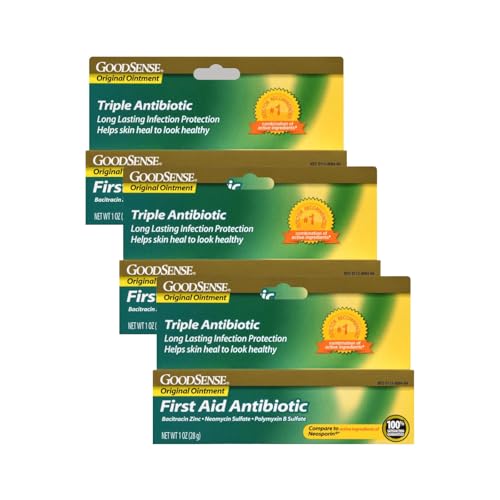
GoodSense First Aid Triple Antibiotic Ointment 1 Ounce

Rescue Essentials Triple Antibiotic Unit Doses

Good Sense Loperamide Tablets 2 mg

GoodSense Mineral Oil Laxative 16 FL OZ

GoodSense Extra Strength Anti-Itch Cream 1 Oz

Good Sense Extra Strength Anti-Itch Cream Pack of 6
The Details Behind The Selections
For a bathroom cabinet that handles everyday scrapes and minor burns, this three-tube ointment pack has the most direct fit in this lineup. Its triple-antibiotic formula uses bacitracin zinc, neomycin sulfate, and polymyxin B sulfate, while vitamin E and cocoa butter support a conditioned skin feel around superficial wounds.
The ointment forms a physical layer over the area and supports a moist surface, which can be useful after cleaning and covering a small scrape. The honest read is that it suits routine home first aid better than a compact hiking pouch.
Strong Points
- Three one-ounce tubes make cabinet restocking more convenient.
- Vitamin E and cocoa butter add skin-conditioning ingredients.
- Ointment texture helps maintain a covered, moist surface.
- Directions include use with a sterile bandage.
- Designed around minor cuts, scrapes, and burns.
Things To Consider
- The three-tube format takes more pouch space than Rescue Essentials unit doses.
Rescue Essentials takes the opposite approach from GoodSense’s three full tubes: ten individual doses focus on portability. That format fits neatly into a camping pouch, sports bag, or individual first-aid kit where opening a full tube feels unnecessary.
Each dose is intended for topical first-aid use, and the compact package measures 4.8 by 3.31 by 0.71 inches. For day hikes and car kits, you may find that separation easier to organize than loose full-size tubes.
Why It Works Well
- Ten separate doses help organize compact kits.
- Small package dimensions suit travel storage.
- Fits camping, hiking, and sports-oriented first aid.
Worth Noting
- Individual doses are less suited to a single household cabinet needing larger tubes.
- The pack is intended for adults.
Who It Suits Best
Campers, hikers, and sports families benefit most from individually portioned topical first-aid supplies.
Where Another Pick Suits Better
GoodSense First Aid Triple Antibiotic Ointment 1 Ounce suits home cabinets needing several full-size tubes.
This entry belongs in a separate travel medicine compartment, not beside topical antibiotics. Loperamide hydrochloride is an anti-diarrheal ingredient, meaning it is made for diarrhea symptom control rather than minor skin wounds.
The capsule-shaped tablets contain 2 mg loperamide hydrochloride and are labeled for adults and children ages 6 and older. For travel days, the four-pack format may make more sense than carrying a large single supply.
Points In Its Favor
- Four packs support separate luggage or vehicle storage.
- Capsule-shaped tablets are easy to identify in a medicine pouch.
- Made for diarrhea symptom control, including traveler-related symptoms.
- Gluten-free formulation suits households avoiding gluten.
Trade Offs
- It is not a topical antibiotic and does not replace either ointment in this list.
- Use is limited to adults and children ages 6 and older.
- Keep it separate from wound-care supplies to avoid confusion.
GoodSense Mineral Oil is another item that serves a completely different role from topical antibiotic ointment. Its mineral-oil format is intended as a lubricant laxative, while the listing also describes household uses such as skin moisturizing, earwax removal, and massage.
The two-bottle package provides 16 fluid ounces per bottle, so this is clearly more at home in a cabinet than a travel pouch. One thing worth considering is that a larger liquid supply asks for deliberate storage and clear labeling.
What Stands Out
- Two 16-fluid-ounce bottles provide a sizable household supply.
- Unscented oil suits scent-sensitive storage areas.
Minor Gripes
- The liquid format is bulkier than tablets or ointment packets.
- It is not an antibiotic or a substitute for topical wound care.
- Separate storage from food and first-aid ointments helps avoid mix-ups.
- Its listed uses span several routines, so label review matters before use.
Made For
Households seeking an unscented mineral-oil supply for its labeled digestive and personal-care uses benefit most.
Consider Something Else When
Rescue Essentials Triple Antibiotic Unit Doses suits hikers needing compact topical wound-care packets.
For summer hikes, yard work, and campsite bags, this three-pack shifts attention from minor wound coverage to itch-focused skin care. Diphenhydramine hydrochloride is a topical analgesic, meaning an ingredient used on the skin for temporary pain or itch relief, while zinc acetate acts as a skin protectant.
The formula is listed for outdoor itches from bites, sunburn, and plant-related rashes, plus minor skin irritations. It may fit a seasonal first-aid pouch well, but it does not take the place of GoodSense First Aid Triple Antibiotic Ointment 1 Ounce.
Everyday Perks
- Three one-ounce tubes allow separate storage in bags or cabinets.
- Built around outdoor itch and irritation scenarios.
- Combines a topical analgesic with a skin protectant.
- Also listed for minor cuts, scrapes, and burns.
- Useful beside sunscreen and insect-bite supplies.
- Small tubes suit weekend outdoor packing.
Room For Improvement
- Itch care and antibiotic ointment serve different purposes.
- The one-ounce tube size may require more than one storage location for a large household.
The six-tube version keeps the same diphenhydramine hydrochloride 2% and zinc acetate 0.1% formula as the three-pack, but changes the storage equation. A household with several first-aid points, such as a kitchen drawer, garage shelf, and camping tote, may appreciate the larger count.
Like the smaller pack, this cream is aimed at outdoor itch concerns, sunburn, and listed plant-related rashes. Nothing flashy here, just a larger supply of the same one-ounce topical cream.
Reasons It Performs
- Six one-ounce tubes support shared household storage.
- Uses the same topical analgesic and skin-protectant ingredients as the three-pack.
- Fits recurring outdoor-season packing needs.
- Separate tubes can keep multiple first-aid locations supplied.
Points To Note
- A six-tube pack needs more cabinet space than the three-tube version.
What Matters Before Selecting First-Aid Ointment
Separate Wound Care From Symptom Care
Topical triple-antibiotic ointment, anti-itch cream, digestive tablets, and mineral oil are not interchangeable. A well-organized kit keeps each category in its own labeled area, especially during busy travel days or outdoor trips. GoodSense First Aid Triple Antibiotic Ointment 1 Ounce and Rescue Essentials Triple Antibiotic Unit Doses are the two choices here intended for minor topical wound-care routines.
Match Packaging to Storage
Full-size tubes work well in a household cabinet where supplies stay put. Unit doses work better in compact travel kits, camping bags, or sports pouches because each portion is already separated. Larger multipacks make sense for several storage areas, though they take more shelf space.
Read Active Ingredients Carefully
Active ingredients identify what a medicine or cream is designed to do. Bacitracin zinc, neomycin sulfate, and polymyxin B sulfate appear in the listed triple-antibiotic ointment, while diphenhydramine hydrochloride and zinc acetate appear in the itch creams. Loperamide hydrochloride belongs to diarrhea symptom control, not topical first aid.
Plan Around Your Routine
A household with children, frequent outdoor activities, or multiple vehicles benefits from supplies divided across locations. A minimalist day-hike kit needs compact packaging and a short, focused list. Keep directions with each item and follow the package label for use guidance.
Keeping a First-Aid Kit Organized
Common Shopping Slip Ups
Mixing topical wound supplies with digestive medicines creates confusion at the exact moment you want clarity. Keep ointments, creams, tablets, and liquids in separate labeled sections.
Where the Extra Money Goes
Larger multipacks and individual portions usually change convenience rather than the basic category of the item. The upgrade makes sense when you need several storage locations or individually packed travel supplies.
Frequently Asked Questions
What Is a Broad Spectrum Antibiotic Ointment?
A topical triple-antibiotic ointment combines multiple antibiotic ingredients for minor first-aid skin use. GoodSense First Aid Triple Antibiotic Ointment and Rescue Essentials unit doses fit that category here.
Are Anti-Itch Creams Antibiotics?
No, anti-itch creams are not antibiotics. The GoodSense itch creams use diphenhydramine hydrochloride and zinc acetate instead.
Is Loperamide an Antibiotic?
No, loperamide is an anti-diarrheal medicine. It is intended for diarrhea symptom control and belongs in a separate travel medicine section.
Why Choose Unit-Dose Ointment Packets?
Individual doses can keep a compact kit organized for camping, hiking, or sports. Full tubes better suit a stationary home cabinet.
Can Mineral Oil Replace a First-Aid Ointment?
No, mineral oil does not serve the same role as topical antibiotic ointment. Keep it separate from wound-care supplies.