

Busy school mornings, selective eating phases, and after-school activities can make a consistent nutrition routine feel harder than it needs to be. Children’s vitamins come in very different forms, from mini tablets and chewable wafers to gummies with focused formulas. Your strongest match depends on your child’s age, preferred texture, dietary needs, and whether you want broad multivitamin coverage or a more targeted supplement.
The Choices Worth Comparing
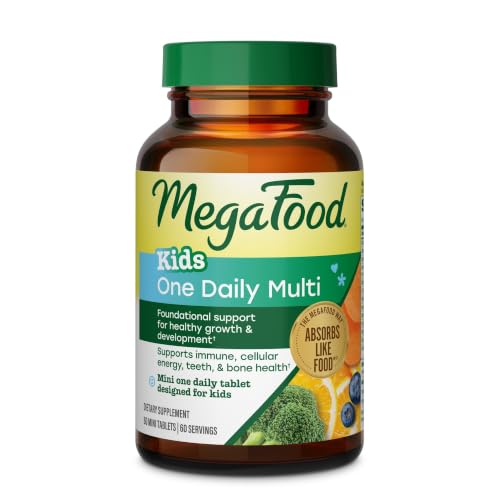
MegaFood Kids One Daily Multivitamin with 21 Key Nutrients, 60 Mini Tablets

HIYA Daily Kids Multivitamin, 15+ Essential Vitamins & Minerals, 30ct for Ages 2+
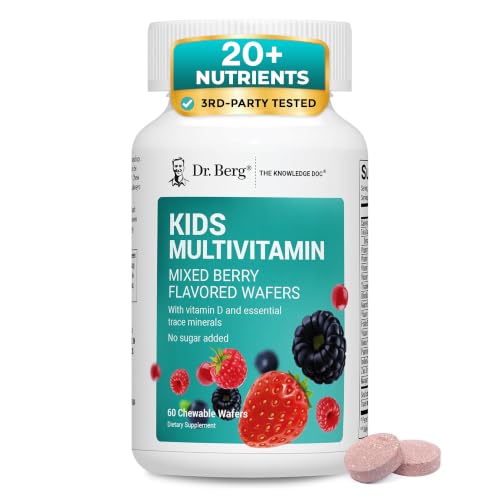
Dr. Berg Kids Chewable Multivitamins, 20 Nutrients & Trace Mineral Complex, Mixed Berry

FIRST DAY Kids Probiotic Gummies, 3-in-1 Prebiotic + Postbiotic, 60ct

First Day Kids Multivitamin Gummies with Organic Fruit & Veggie Blend, 60 ct

FIRST DAY Magnesium for Kids Gummies, Magnesium Citrate, Suntheanine L-Theanine, Strawberry
More On The Choices That Made The List
Small tablets make this MegaFood formula a practical fit for children age five and older who are already comfortable taking a tablet with a drink. Each daily serving supplies 21 vitamins and minerals, plus 83 mg of food ingredients from orange, blueberry, and carrot.
Its unflavored, unsweetened approach differs sharply from the gummy options below. For families avoiding a candy-like routine, that may feel refreshingly straightforward, though tablet acceptance matters more than flavor variety here.
Strengths Worth Knowing
- One mini tablet keeps the daily routine brief.
- Vitamin D3, zinc, B6, and B12 cover familiar nutrient roles.
- Can be taken with a beverage at different points in the day.
- Vegetarian formula suits households avoiding animal-based supplements.
- No sweeteners, flavorings, or food colorings.
Things To Consider
- The tablet format needs a child who can comfortably take mini tablets.
- Children younger than five need a different age-appropriate option.
HIYA starts earlier than MegaFood, with a chewable tablet intended for ages two through 12. It supplies more than 15 vitamins and minerals, including vitamins A, C, D, E, and B12, along with zinc.
The formula uses monk fruit for light sweetness and comes in fruit flavors such as cherry, strawberry, tropical, or green apple. You may find its refillable glass bottle and included stickers useful for creating a repeatable morning habit, especially with younger children.
Useful Strengths
- Chewable format avoids the need to swallow tablets.
- No added sugar suits families limiting sweetened supplements.
- Fruit flavor choices can make daily use easier to maintain.
- Reusable glass bottle includes decorative stickers.
Worth Noting
- Your child still needs to accept a chewable tablet texture.
- Flavor preference can matter more than it does with MegaFood’s unflavored mini tablet.
- The glass bottle deserves a stable storage spot away from rough play.
Who It Suits Best
Families with children ages two to 12 who prefer a flavored chewable over a mini tablet get the clearest fit here.
Where Another Pick Suits Better
MegaFood Kids One Daily Multivitamin with 21 Key Nutrients, 60 Mini Tablets suits children five and older who prefer an unsweetened tablet.
Dr. Berg takes the chewable route in a different direction, using mixed-berry red wafers for children age four and older. Alongside 20 nutrients, the formula includes trace minerals, meaning minerals used by the body in very small amounts.
Sea buckthorn, acai, shiitake mushroom, and a fruit-and-vegetable blend make this a more ingredient-dense choice than HIYA. The honest read is that those extras appeal most to households that specifically want them, rather than anyone seeking the shortest possible ingredient list.
What Works In Its Favor
- Mixed-berry wafers offer a chewable alternative to capsules.
- Stevia and monk fruit replace added sugar.
- Twenty nutrients provide broad daily coverage.
- Trace mineral complex adds a distinct formulation angle.
- Each bottle contains 60 wafers for a 30-day supply.
- Whole-food ingredients include fruits, vegetables, and shiitake mushroom.
Trade Offs
- The two-wafer daily routine takes more steps than MegaFood’s single tablet.
This is not a broad multivitamin like MegaFood, HIYA, Dr. Berg, or First Day’s multivitamin gummies. Instead, FIRST DAY Kids Probiotic Gummies use a three-part blend of prebiotic, probiotic, and postbiotic ingredients for a specialized daily routine.
A prebiotic is an ingredient that supports beneficial gut bacteria, while a postbiotic is a compound produced through microbial activity. Two gummies make up the stated daily serving, so this choice may suit children who already accept gummy supplements.
Where It Helps
- Three-part format combines prebiotic, probiotic, and postbiotic ingredients.
- Gummy format can be easier to include in a familiar routine.
- Sixty gummies align with a 30-day supply.
Minor Gripes
- It does not replace a multivitamin for families seeking broad vitamin and mineral coverage.
- The two-gummy serving requires consistent portion tracking.
- Gummy storage should remain out of reach between daily servings.
Made For
Families seeking a dedicated prebiotic, probiotic, and postbiotic gummy rather than an all-purpose multivitamin get the clearest use case.
Consider Something Else When
First Day Kids Multivitamin Gummies with Organic Fruit & Veggie Blend, 60 ct suits your routine more when broad micronutrient coverage is the priority.
First Day Kids Multivitamin Gummies center the experience on a fruit-and-vegetable blend and nine highlighted micronutrients, including folate, vitamin B1, and vitamin D. That narrower nutrient emphasis separates it from the 20- and 21-nutrient counts in Dr. Berg and MegaFood.
For children who respond better to gummies than tablets, the daily format may reduce friction at breakfast or after school. Nothing flashy, but the organic produce blend is a meaningful draw for households that prioritize that ingredient direction.
Well-Handled Touches
- Gummy format may suit children who reject tablet-based options.
- Organic fruit and vegetable blend gives the formula a distinct food-based angle.
- Includes folate, vitamin B1, and vitamin D among nine highlighted micronutrients.
- Sixty-count bottle supports a longer daily routine.
Room For Improvement
- Families comparing nutrient totals may prefer MegaFood or Dr. Berg.
- Gummies are not the strongest fit for children who do better with unflavored tablets.
This FIRST DAY formula is another focused option rather than a daily multivitamin. It combines magnesium citrate, a magnesium form paired with citric acid, with Suntheanine L-theanine in strawberry gummies.
The listing positions it for evening relaxation routines and specifies that it contains no melatonin. Families with an established bedtime supplement plan may appreciate that distinction, though it remains a targeted choice rather than a replacement for daily multivitamin coverage.
The Case For It
- Magnesium citrate gives the formula a clear central ingredient.
- Suntheanine L-theanine adds a second focused component.
- No melatonin is included.
- Strawberry gummies may be easier to fit into an evening routine.
- Thirty-day supply supports regular planning.
Points To Note
- It is not designed as a comprehensive children’s multivitamin.
- Confirm that strawberry flavor and gummy texture suit your child’s preferences.
- Keep the routine distinct from daytime multivitamin servings to avoid confusion.
- A targeted magnesium formula may be more than your routine needs.
What Matters Before Adding a Children’s Vitamin
Match the Format to Daily Habits
A tablet that stays untouched in the cabinet does not help your routine. Mini tablets work well for children comfortable taking them with a drink, while chewables and gummies can suit children who resist swallowing tablets. Start with the format your child can take consistently without turning the morning into a negotiation.
Start With Age Guidance
Age ranges vary meaningfully across these choices. HIYA begins at age two, Dr. Berg begins at four, and MegaFood begins at five. Match the label’s stated age range before comparing flavors or extra ingredients.
Decide Between Broad and Targeted Coverage
A multivitamin is intended for general daily nutrient coverage, while a probiotic or magnesium gummy has a narrower purpose. FIRST DAY Kids Probiotic Gummies and FIRST DAY Magnesium for Kids Gummies are specialized choices, not direct substitutes for MegaFood, HIYA, Dr. Berg, or First Day Kids Multivitamin Gummies.
Check Dietary and Ingredient Preferences
Gluten-free, vegetarian, dairy-free, unsweetened, and organic ingredient preferences can quickly narrow your shortlist. MegaFood avoids several common food ingredients, while HIYA is dairy-free and gluten-free. The right formula is the one that aligns with your household’s established food preferences and your child’s actual willingness to take it.
Small Details That Change the Fit
Common Shopping Slip Ups
Avoid comparing gummies, probiotics, magnesium formulas, and multivitamins as though they serve the same purpose. Check the stated age range, daily serving, and format before focusing on flavor or packaging.
Where the Extra Money Goes
Higher-tier formulas may add trace minerals, whole-food blends, reusable packaging, or specialty ingredients such as L-theanine. That added complexity matters only when it matches a specific routine or ingredient preference you already value.
Frequently Asked Questions
What age can children start taking a multivitamin?
The right starting age depends on the individual formula. HIYA is intended for ages two and up, while MegaFood begins at age five.
Are gummies or tablets better for children?
Neither format is automatically better. Your strongest choice is the form your child can take consistently within the stated serving instructions.
What is the difference between a multivitamin and a probiotic gummy?
A multivitamin provides a selection of vitamins and minerals. A probiotic gummy focuses on ingredients related to the gut microbiome rather than broad micronutrient coverage.
Does a children’s vitamin replace balanced meals?
No supplement replaces varied meals. A children’s vitamin is a separate routine that should fit alongside the foods your child eats.
Why do some children’s vitamins have no added sugar?
Some families prefer supplements without added sugar as part of their household routine. HIYA and Dr. Berg use alternative sweetening approaches, while MegaFood is unflavored and unsweetened.
The Takeaway
Your daily routine should guide the final choice. MegaFood fits older children who can take a mini tablet, HIYA and First Day suit gummy or chewable preferences, and the FIRST DAY specialty formulas serve narrower purposes. Keep age guidance, format, and intended use at the center of your decision.