

School hallways, sports practice, and long family outings can leave your child needing more than a thin factory shoe liner. The right insole can add arch structure, guide heel placement, and cushion repeated steps without making shoes feel overly crowded. Your child’s usual footwear matters just as much as arch height, since a thick orthotic needs enough internal room to sit flat and stay comfortable.
The Leading Options At A Glance
Superfeet All-Purpose High Arch Insoles Junior 13.5-2

PowerStep Pinnacle Maxx Orthotic Insoles Firm Angled Heel

PowerStep Pinnacle Low Insoles Flat Feet Arch Support
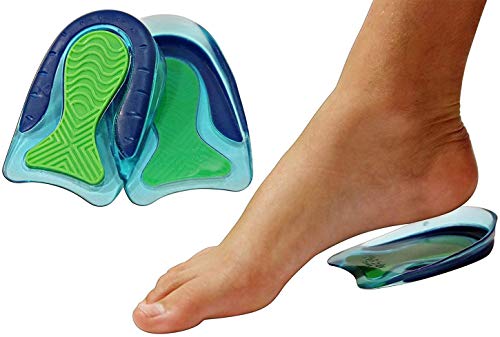
KidSole Sport Traction Gel Heel Cups Kids Size 3-7
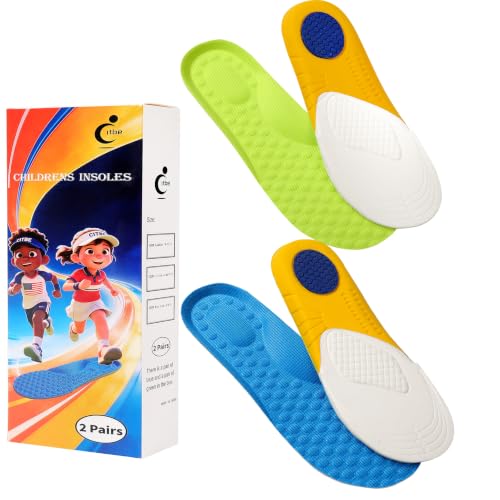
CITBE Kids Insoles 2 Pairs

KidSole Starry Shield Arch Insole Toddler
Inside Each Recommended Option
Superfeet brings a firm, shaped approach for your child’s roomier sneakers and school shoes. A high-volume heel cup surrounds the heel’s natural padding, while the stabilizer system creates a supportive base beneath the foot.
The high arch profile suits your child who needs noticeable structure rather than a soft replacement liner. You may find the firm shape more suitable for active school days than tight slip-ons, since the insole needs internal shoe space.
The Value In It
- Deep heel cup helps keep the heel seated during busy walking days.
- High-density foam resists moisture while adding underfoot cushioning.
- Friction-control top layer may help reduce rubbing inside athletic shoes.
- Antimicrobial treatment supports fresher-feeling footwear between wears.
Worth Noting
- The high arch and deep heel shape need moderate-to-roomy shoes.
- Your child needs the Junior/Little Kid 13.5-2 size range.
The Pinnacle Maxx focuses more on motion control than the Superfeet option. Its slightly angled heel post helps guide inward rolling, called overpronation, while a deep heel cradle adds structure around the rear foot.
Dual-layer cushioning softens the firm platform from heel to toe. The honest read is that this thick design belongs in footwear with a removable factory liner, making it more practical for older children with roomy athletic or work-style shoes.
Features That Help
- Angled heel post supports a more controlled foot position.
- Firm-flexible construction avoids a completely rigid feel.
- Dual-layer cushioning adds comfort during long standing periods.
- Pre-sized construction removes trimming from the setup process.
- Deep heel cradle supports steadier placement inside shoes.
Practical Considerations
- Thicker construction requires shoes with removable original liners.
- The listed size range suits larger youth or adult-size footwear.
- Close-fitting casual shoes may feel crowded.
Made For
Your older child benefits most when daily shoes have enough depth for a thick, ready-to-wear orthotic.
Consider Something Else When
Superfeet All-Purpose High Arch Insoles Junior 13.5-2 suit your younger child needing a smaller youth size.
For a flatter foot shape, the Pinnacle Low uses a contoured low arch rather than the taller profile of Superfeet. The deep heel cradle and firm-but-flexible body help maintain a stable position without introducing a pronounced arch ridge.
PowerStep recommends a gradual two-week break-in, beginning with an hour daily and increasing from there. That measured approach may suit your child who notices new shoe inserts right away.
Real Benefits
- Low arch contour better matches flatter foot profiles.
- Dual-layer cushioning supports all-day school and walking routines.
- Deep heel cradle adds rear-foot guidance.
Points To Keep In Mind
- Your child needs footwear with a removable original insole.
- The gradual break-in schedule takes patience.
KidSole Sport Traction Gel Heel Cups solve a narrower problem than the full-length PowerStep choices. Dual-density TPR gel, a rubber-like material with two firmness levels, cushions only the heel while keeping the rest of your child’s existing shoe liner in place.
A traction layer grips the shoe interior, which matters during soccer, running, and playground movement. For most cleats and sneakers, the slim shape is the main appeal, though you won’t get full-length arch structure.
Useful Highlights
- Low-profile heel cushioning leaves more room around the toes.
- Traction base helps hold each cup under the heel.
- Two pairs support separate school and sports shoes.
- Kid’s size 3-7 fit covers many grade-school shoe sizes.
- Gel construction adds cushioning without replacing the full liner.
Small Caveats
- Heel-only coverage does not replace a full arch-support insole.
CITBE’s two-pair set takes a softer, replacement-liner approach. Premium foam refreshes sneakers whose original inserts have flattened, while the breathable fabric helps manage moisture during school, walking, and casual outdoor play.
Guided trimming lets you shape each insert for different shoes, which can be handy across a growing shoe rotation. Still, your child needing pronounced arch guidance gets more targeted structure from KidSole Starry Shield or either PowerStep model.
Strong Points
- Two pairs let you refresh more than one shoe set.
- Foam cushioning suits tired, flattened original liners.
Things To Weigh Up
- Trimming requires careful matching to your child’s removed liner.
- Soft foam offers less defined arch structure than orthotic designs.
- Check shoe depth before layering over an existing liner.
The Right Fit
Your child benefits most when everyday sneakers need fresh cushioning rather than a rigid corrective footbed.
A Better Fit Elsewhere
KidSole Starry Shield Arch Insole Toddler suits your child needing a reinforced high arch and contoured heel cup.
KidSole Starry Shield is the more structured toddler-focused choice here. Reinforced high arch support works with a moderately deep heel cup to guide foot placement, while a memory-foam top layer adds a softer surface against socks.
Unlike CITBE’s general cushioning, this design puts its emphasis on arch support. Your child who rotates between sneakers, cleats, boots, and dress shoes may benefit from the guided trim lines, provided you match the selected size range first.
Practical Pluses
- Reinforced arch provides more defined support than foam-only inserts.
- Contoured heel cup helps hold the rear foot in place.
- Memory-foam surface absorbs sweat during active school days.
- Guided lines help you trim for a more precise fit.
Things To Consider
- High arch support may feel too pronounced for your child preferring minimal structure.
- Measure against your child’s current shoe size before trimming.
What Matters Before Selecting Childrens Orthotics for Flat Feet
Match the Arch Shape
A high arch insole can feel intrusive for your child with a low-profile foot, even when the shoe size is correct. Lower-profile designs such as PowerStep Pinnacle Low make more sense where your child needs support without a tall arch ridge. A reinforced high-arch model suits your child who benefits from a more noticeable contour.
Check the Shoe Interior
Remove the existing shoe liner and compare its length and width before fitting a full-length insole. Thick dual-layer designs work best in shoes with removable liners and enough vertical space. Cleats and narrow casual shoes often suit slim heel cups better than a full orthotic.
Prioritize the Daily Routine
Your child spending recess and practice in athletic shoes benefits from heel stability, traction, and a secure fit. School shoes worn for long periods may suit moisture-managing top fabrics or cushioning foam. Keep the support level matched to the footwear your child wears most often.
Allow an Adjustment Period
A more structured footbed can feel different during the first wears. Start with shorter periods where the manufacturer provides a break-in schedule, then build wear time gradually. Check that the heel stays centered and the toes still have comfortable space.
Details That Shape a Better Fit
Common Shopping Slip Ups
Avoid adding a full insole on top of an existing liner unless shoe depth clearly allows it. Match the support style to your child’s foot profile, not just the shoe size.
Where the Extra Money Goes
Higher-tier designs often add shaped heel cups, reinforced arch sections, multi-layer cushioning, and pre-sized construction. Your child who wears supportive inserts daily may benefit most from those added structural details.
Frequently Asked Questions
Do full-length inserts fit inside cleats?
Full-length inserts can fit inside cleats with removable liners and enough depth. Slim heel cups take up less space in tighter athletic footwear.
Should your child remove the existing shoe liner?
Your child should remove the existing liner for thicker full-length orthotics designed for that setup. Keep the original liner only where the new insert remains stable and leaves enough room.
What does a deep heel cup do?
A deep heel cup surrounds the heel more fully than a flat insert. That shape can help your child maintain steadier heel placement inside the shoe.
Can you trim childrens orthotics for flat feet?
You can trim models with guided cut lines or stated trim-to-fit construction. Use your child’s removed liner as a shape reference before cutting.
Are heel cups the same as arch-support insoles?
Heel cups cushion and support the heel area only. Arch-support insoles extend farther under the foot and add a shaped midfoot section.
Closing Remarks
Your child’s shoe shape and support needs should guide the final choice. Superfeet and KidSole Starry Shield provide more pronounced structure, while PowerStep Pinnacle Low offers a lower-profile approach. For cleats or crowded sneakers, KidSole Sport Traction Gel Heel Cups keep the focus on the heel.