

A stethoscope for class, clinical rounds, home visits, or practice sessions needs to feel comfortable enough for repeat use without loading your bag with unnecessary bulk. Your strongest choice depends on whether you need a dual-head chestpiece for frequency flexibility, a complete starter kit, or a multipack for group instruction. The six options below cover those distinct needs with lightweight aluminum builds, varied ear-tip arrangements, and practical accessories.
How The Shortlist Stacks Up

MDF Instruments Acoustica Lightweight Stethoscope Pink MDF747XPPO01

MDF Instruments Acoustica Lightweight Stethoscope Black MDF747XPBO
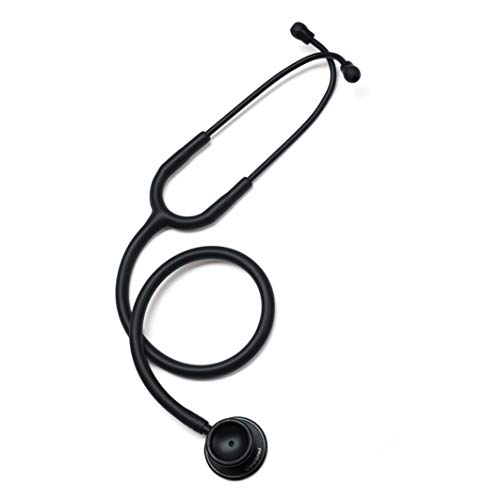
Paramed Classic Dual Head Stethoscope 29.5 Inch

FriCARE Lightweight Dual Head Stethoscope Frost Blue

MedSource Single-Head Stethoscope Yellow Tubing 10 Pack

MaiWieel Master Single Head Stethoscope Rainbow Tubing
Inside Each Recommended Option
Your daily clinical kit benefits from a stethoscope that stays light around your neck while still offering two listening surfaces. MDF Instruments Acoustica uses an aluminum dual-head chestpiece, with a diaphragm for higher-frequency sounds and a bell for lower-frequency sounds.
The rotating stem lets you select either side, which may feel more convenient during varied classroom practice. Longer, thicker tubing and the ErgonoMax headset support repeat use, while three ear-tip sizes help you find a secure fit.
Where It Excels
- Dual-head chestpiece supports high- and low-frequency listening.
- Aluminum construction keeps your carry load modest.
- Three ComfortSeal ear-tip sizes support a more personal fit.
- An extra diaphragm and ID tag help support day-to-day organization.
- Latex-free materials suit settings where latex avoidance matters.
Things To Consider
- Your pink tube and matching chestpiece suit a more expressive clinical look.
For a more understated appearance, MDF Instruments Acoustica Black carries the same core dual-head arrangement as the pink MDF version. Your routine can move from nursing-school labs to home health tasks without changing the basic listening setup.
The headset uses a dual-leaf spring and an Acoustic Pyramid Chamber, a headset chamber designed to direct sound toward your ears. You may appreciate the non-stick tubing during frequent carry-and-wear routines, especially when your stethoscope spends hours in a bag or pocket.
Good Reasons To Consider
- Black tubing and chestpiece suit low-key uniform coordination.
- Rotating bell and diaphragm provide two acoustic listening modes.
- Three ear-tip sizes help you fine-tune headset comfort.
Worth Noting
- Your use case needs a dual-head format to benefit from the rotating chestpiece.
- The included ID tag deserves a secure placement before busy clinical days.
Who It Suits Best
Your best fit comes from clinical training or home-use routines where a black, lightweight dual-head model feels appropriate.
Where Another Pick Suits Better
Paramed Classic Dual Head Stethoscope 29.5 Inch suits you better when an accessory case matters.
Paramed brings more of the starter-kit approach than either MDF Instruments Acoustica version. Your package includes four ear tips, an extra diaphragm, a name tag, and an accessory case, so your first semester kit needs fewer separate additions.
The 29.5-inch tube gives you a stated longer reach between headset and chestpiece. A 360-degree rotating chestpiece also lets you switch sides for lower- or higher-frequency listening, which can be useful while you build assessment habits.
The Good Stuff
- Accessory case keeps your training supplies together.
- Four ear tips give you more fit options than the MDF pairs.
- Latex-free tubing resists sweat, stains, and oil.
- Rotating dual head supports different listening frequencies.
Trade Offs
- The 29.5-inch tube deserves extra bag space versus shorter designs.
- Your preference may lean toward a simpler single-head format for basic drills.
- The listed one-pound package weight can matter in a heavily packed school bag.
Nursing students who want a lighter everyday tool may find the FriCARE format especially approachable. Its aluminum chestpiece and eartubes keep the stated weight at 5.9 ounces, while the dual head retains two listening surfaces for practice.
Soft silicone ear tips aim to reduce static and stay in place during longer sessions. Compared with the accessory-heavy Paramed, FriCARE keeps the starter bundle focused on core extras: ear tips, a spare diaphragm, instructions, and a name tag.
Where It Helps
- 5.9-ounce stated weight helps keep your neck load lower.
- Aluminum chestpiece and eartubes support a lightweight build.
- Rotating dual head supports training across frequency ranges.
- Soft silicone ear tips support comfortable practice sessions.
- Starter extras reduce separate supply shopping.
Minor Gripes
- Your kit does not include a carrying case for storage between classes.
- Frost blue tubing suits you most when color coordination feels secondary to lightweight wear.
A classroom table, skills station, or caregiver training group has a different need from a single personal stethoscope. MedSource supplies ten matching yellow single-head units, making distribution much easier than purchasing individual tools one at a time.
Each unit uses a lightweight aluminum chestpiece, chrome-plated binaurals, universal-fitting ear tips, and 22-inch flexible tubing. The honest read is simple: your group gets a straightforward routine-listening format rather than the dual-head flexibility found in the earlier picks.
The Helpful Details
- Ten-unit quantity supports group activities and shared stations.
- Yellow tubing helps you spot each unit in busy training spaces.
Room For Improvement
- Single-head construction does not provide a bell-and-diaphragm choice.
- 22-inch tubing gives you a shorter stated reach than Paramed.
- Your storage plan needs room for ten separate stethoscopes.
- Universal ear tips provide less fit choice than multi-size sets.
Made For
Your strongest use case is a classroom, training table, or caregiver group needing several matching basic units.
Consider Something Else When
MaiWieel Master Single Head Stethoscope Rainbow Tubing suits you more when pressure-adjusted listening matters.
MaiWieel takes a different path from the dual-head models by using a tunable single-piece diaphragm. A tunable diaphragm changes its response through the pressure you apply to the chestpiece, so your hand technique replaces switching to a second listening surface.
Your setup also includes soft silicone ear tips and extended tubing for added movement around an examination area. Rainbow tubing gives this choice a more personal look, though your work setting may call for a quieter color direction.
Real Benefits
- Pressure adjustment gives you a single-head frequency-control approach.
- Replaceable diaphragm supports practical maintenance.
- Soft silicone ear tips aim for an airtight, comfortable seal.
- Extended tubing supports freer movement around your work area.
Points To Note
- Your technique needs pressure control rather than a rotating dual head.
- Rainbow tubing may not align with every uniform policy or workplace preference.
What Matters Before You Choose a Budget Stethoscope
Dual Head or Tunable Diaphragm
Your listening preference should guide the chestpiece style. A dual-head model gives you separate bell and diaphragm surfaces, while a tunable diaphragm changes response through your applied pressure. Early training often feels more straightforward with a rotating dual head because your listening modes remain visibly distinct.
Ear Tips and Wearing Comfort
A secure ear-tip fit matters during long lecture days, skills practice, and repeated home visits. Multi-size sets, such as the MDF and Paramed options, give you more room to adjust fit. Silicone tips may appeal to you when softer material and reduced static matter.
Personal Use or Group Supply
A personal stethoscope benefits from spare diaphragms, ID tags, and a case that keeps supplies together. Shared teaching spaces benefit more from quantity and easy distribution, which is where the MedSource ten-pack makes sense. Your storage space deserves consideration before bringing home a multipack.
Tube Length and Daily Carry
Tube length affects how much reach you have between your ears and chestpiece, but extra length also adds bulk in a packed bag. Paramed lists 29.5-inch tubing, while MedSource lists 22-inch tubing. Your normal setting should determine whether reach or compact carry deserves priority.
Small Details That Change the Fit
Common Shopping Slip Ups
Avoid treating every single-head and dual-head design as interchangeable. Your training goals may need distinct bell and diaphragm surfaces, while a group station may only need basic routine listening.
What the Higher Tier Buys
Higher-tier models often add refined acoustic components, more specialized chestpieces, and premium metal construction. Your upgrade makes more sense when frequent clinical use calls for a particular acoustic design or extra comfort adjustment.
Frequently Asked Questions
Are Dual-Head Stethoscopes Helpful for Students?
Yes, a dual-head chestpiece gives you separate surfaces for different sound frequencies. Your early practice can feel easier with a clear bell-and-diaphragm choice.
Does Tube Length Matter for Routine Use?
Yes, tube length affects your reach and how the stethoscope fits in your bag. Your work area and carry habits should guide the length you prefer.
Are Multiple Ear-Tip Sizes Worth Having?
Yes, multiple sizes help you find a more secure headset fit. Your comfort during repeated listening sessions can depend on that seal.
Is a Single-Head Stethoscope Enough for Training?
A single-head model can suit basic routine listening and group practice. Your needs may call for a dual-head or tunable diaphragm design as training expands.
Who Benefits From a Ten-Pack Stethoscope Set?
Your classroom, skills lab, or caregiver group benefits most from a ten-pack. Individual clinical use usually calls for a personal model with more fit options.