

A chocolate shake can make a rushed breakfast, post-lift snack, or afternoon desk break feel far more manageable. Your right match depends on whether you want straightforward whey protein, a dairy-free plant blend, or a fuller meal-style shake with more ingredients. These six options cover those different routines, with chocolate choices taking the lead and two alternate Ka’Chava flavors included for variety.
The Leading Options At A Glance
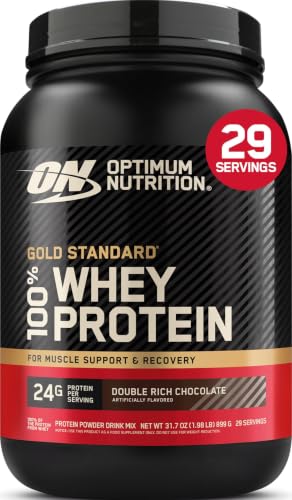
Optimum Nutrition Gold Standard Whey, Double Rich Chocolate

Premier Protein 30g Whey Powder, Chocolate, 17 Servings

Orgain Organic Vegan Protein Powder, Creamy Chocolate Fudge, 2.03 lb

Ka’Chava Whole Body Meal Shake Vanilla 2 lb, 15 Servings

Ka’Chava Whole Body Meal Shake Chocolate 2 lb, 15 Servings

Ka’Chava Whole Body Meal Shake Cinnamon French Toast
Inside Each Recommended Option
For a straightforward post-lift shake, this whey formula keeps the focus on protein rather than meal-replacement extras. Each scoop supplies 24g of whey protein from isolate and concentrate, two forms of dairy protein that digest at different rates.
The formula also contains 5.5g of naturally occurring BCAAs, branched-chain amino acids, plus 11g of essential amino acids. You may find its easy-mixing format especially useful during early gym mornings or busy workdays, where a shaker bottle is more practical than a blender.
Real-World Strengths
- Provides 24g of whey protein in each serving.
- Includes essential amino acids for training-focused routines.
- Mixes with water, milk, or another preferred drink.
- Works after lifting, between meals, or alongside breakfast.
- Double Rich Chocolate suits familiar cocoa-shake preferences.
Things To Consider
- Whey comes from dairy, so a plant-based formula suits dairy-free routines better.
- Its 2 lb tub needs pantry or cabinet room.
Premier Protein moves up from the first pick’s 24g serving to 30g of whey protein per serving. That higher protein amount can suit you when a quick shake needs to carry more of your daily protein plan.
Chocolate powder can also go beyond the shaker here, since the brand suggests smoothies, pancakes, muffins, cookies, brownies, and bars. The honest read is that its 17-serving container makes more sense for a routine you expect to revisit often.
Where It Excels
- Delivers 30g of whey protein per serving.
- Contains all essential amino acids.
- Has 1g sugar and 3g carbohydrates per serving.
- Can fit smoothie and baking recipes.
Worth Noting
- The tub holds 17 servings, so it may need replacing sooner than larger formats.
- Dairy-based whey is not the fit for vegan eating patterns.
- Recipe use calls for measuring beyond the included scoop.
Orgain takes a different route from the first two whey powders, using a plant blend of peas, brown rice, and chia. Its 21g protein serving is paired with 6g of prebiotic fiber, a type of fiber that feeds beneficial gut bacteria.
That combination may fit your breakfast smoothie better than a plain whey shake, especially when dairy ingredients are not part of your routine. Creamy Chocolate Fudge gives you the chocolate profile you came for without shifting to a meal-replacement format.
What Earns Its Place
- Provides 21g plant protein per serving.
- Includes pea, brown rice, and chia proteins.
- Adds 6g prebiotic fiber to shakes or oats.
- Works with water or plant-based milks.
- Fits smoothies and baked recipes.
Trade Offs
- Plant protein has a different taste and texture from whey.
- Fiber may not suit every pre-workout shake preference.
Orgain Organic Vegan Protein Powder, Creamy Chocolate Fudge, 2.03 lb
Ka’Chava Vanilla belongs in a different lane from Optimum Nutrition and Premier Protein. It is a plant-based meal shake built around pea protein, sacha inchi, greens, MCTs, probiotics, digestive enzymes, and functional mushrooms.
Vanilla is useful for days when chocolate feels repetitive or your smoothie ingredients already bring cocoa flavor. For most morning routines, the wider ingredient list makes more sense as a meal-style shake than as a minimal post-lift protein drink.
A Few Strong Suits
- Combines plant protein with greens and MCTs.
- Includes probiotics and digestive enzymes.
- Vanilla flavor can blend with fruit, coffee, or spices.
Points To Note
- This is vanilla rather than chocolate, so it serves as a flavor-change option.
- The broad ingredient list may be more than you need for a basic protein shake.
- The 15-serving format needs consideration for frequent daily use.
Who It Suits Best
You benefit most when you want a plant-based vanilla meal shake with more than protein alone.
Where Another Pick Suits Better
Ka’Chava Whole Body Meal Shake Chocolate 2 lb suits you better when chocolate flavor is non-negotiable.
Among the plant-based meal shakes here, Ka’Chava Chocolate is the direct fit for your chocolate routine. It uses the same broader meal-shake approach as the vanilla version, built with ingredients such as pea protein, sacha inchi, greens, MCTs, probiotics, and digestive enzymes.
That makes it a more involved choice than Orgain’s protein-and-fiber formula. You may prefer this format during packed mornings where a fuller shake feels more useful than a single-purpose protein supplement.
Practical Pluses
- Chocolate flavor fits cocoa-focused shake routines.
- Uses a plant-based ingredient foundation.
- Includes greens, MCTs, probiotics, and digestive enzymes.
- Provides 15 all-in-one servings per container.
- Its 2 lb size suits countertop or pantry storage.
- Works as a meal-style shake option.
Small Caveats
- The 15-serving container is a planning factor for everyday use.
Cinnamon French Toast offers a clear change of pace from chocolate, vanilla, and standard whey flavors. Like the other Ka’Chava meal shakes, it contains plant-based ingredients including pea protein, sacha inchi, greens, MCTs, probiotics, digestive enzymes, and functional mushrooms.
Its 15-serving 2 lb format could suit you when flavor fatigue is the main obstacle to keeping a shake routine. Nothing flashy about the decision: choose this only when a warm-spice flavor genuinely sounds more appealing than chocolate.
Useful Highlights
- Cinnamon French Toast adds a distinct flavor direction.
- Combines plant proteins with greens and MCTs.
Areas To Watch
- This is not a chocolate flavor, despite its place beside chocolate-focused options.
- The spiced profile may be less flexible for fruit smoothies.
- The 15-serving size is worth checking against your weekly routine.
- A fuller ingredient list may not suit minimal shake preferences.
Made For
You benefit most from this flavor when cocoa shakes have become repetitive in your weekday routine.
Consider Something Else When
Optimum Nutrition Gold Standard Whey, Double Rich Chocolate suits you more when you want uncomplicated whey protein.
What Matters Before Picking Your Chocolate Protein Powder
Protein Source and Your Routine
Whey provides dairy-derived protein and suits you when milk-based shakes already work well in your routine. Plant blends such as Orgain use ingredients like pea and brown rice, which may fit dairy-free eating patterns. Meal shakes such as Ka’Chava take a broader approach, so they make more sense for breakfast coverage than a quick post-workout drink.
Protein Amount Per Serving
A serving with 21g, 24g, or 30g of protein can all work, but your intended role matters more than chasing the largest number. A 30g serving may suit you when the shake replaces a more substantial snack, while 21g to 24g can fit alongside a meal. Compare the serving amount with how often you plan to drink it.
Flavor and Mixing Style
Chocolate should taste good in the way you actually use it, whether that means shaken with water, blended with milk, or stirred into oats. A smoother, familiar cocoa profile often works better for quick weekday use, while a fudge-style flavor can suit thicker smoothies. Baking-friendly powders give you another way to use an open tub.
Added Ingredients and Format
Fiber, greens, MCTs, probiotics, and enzymes can make a powder feel more meal-like, but extra ingredients are not always necessary. Your simplest route is whey or plant protein with a short purpose: adding protein to a drink. A more involved blend fits you better when a shake needs to cover more of a meal occasion.
Small Details That Shape Your Choice
Common Shopping Slip Ups
Avoid treating every powder as interchangeable. Check the protein source, serving count, and whether you want a simple shake or a meal-style blend before adding one to your routine.
Where The Extra Money Goes
Higher-tier meal shakes often include plant proteins alongside greens, MCTs, probiotics, and digestive enzymes. That added format can be worthwhile for your rushed breakfasts, while a plain whey powder makes more sense for focused protein use.
Frequently Asked Questions
Is Chocolate Protein Powder Only for Workouts?
No, you can use it in smoothies, oats, or between-meal snacks. Workout use is only one common routine.
Is Whey or Plant Protein Better for Women?
Neither is automatically better for you. Whey is dairy-based, while plant blends can suit dairy-free routines.
Can You Bake With Chocolate Protein Powder?
Yes, some powders work in pancakes, muffins, brownies, and bars. Measure carefully because protein powder changes texture.
What Does Prebiotic Fiber Mean?
Prebiotic fiber is a fiber type that feeds beneficial gut bacteria. Orgain includes 6g per serving.
Are Meal Shakes the Same as Protein Powders?
No, meal shakes often include ingredients beyond protein. Ka’Chava includes plant ingredients, greens, MCTs, probiotics, and enzymes.
The Takeaway
Your most direct chocolate choice is Optimum Nutrition Gold Standard Whey for a simple training-focused shake, while Premier Protein provides a higher 30g protein serving. Orgain makes more sense for plant-based chocolate smoothies with fiber, and Ka’Chava Chocolate fits fuller meal-style shake routines. Pick the option that matches how you’ll actually use it on a normal weekday.