

A sensor that catches on a sleeve, loosens after a shower, or shifts during sleep can add stress to an already demanding routine. Your setup may call for a sensor overpatch, a reusable arm band, or a finger-stick meter for on-demand glucose checks. The selections below focus on stated compatibility, attachment style, and daily-wear details so you can match the accessory or meter to your routine.
A Snapshot Of The Selections

Jinyusega Libre 3 & Plus Sensor Covers 20pcs

Jinyusega Dexcom G7 & Stelo Over Patches 20pcs

Onida Dexcom G7 Over Patches 20PCS

Jinyusega Omnipod 5 Overpatches

Craft & Care Diabetes Arm Band Black S
Bomister 60 Pack Freestyle Adhesive Patches
KETO-MOJO GK+ Blood Glucose Monitor 70 Strips
More Details On Our Top Picks
You get 20 elastic overpatches shaped for Libre 3 and Libre 3 Plus sensors. A continuous glucose monitor, or CGM, tracks glucose through a wearable sensor, while an overpatch adds material around its edges to help keep it in place.
The center has no adhesive, so your sensor itself is not covered by glue. For gym sessions, showers, and ordinary sleeve friction, you may appreciate the 360-degree stretch fabric because it can move with your upper arm rather than feeling rigid.
The Practical Payoff
- You receive 20 covers for repeated sensor changes.
- You get non-latex adhesive around the sensor perimeter.
- You can apply the tabbed backing without needing another pair of hands.
- You can keep your sensor accessible during showering and swimming.
Things To Consider
- You need a Libre 3 or Libre 3 Plus sensor, since the cutout follows that sensor shape.
- You should apply it to clean, dry skin for a smooth edge seal.
For Dexcom G7 or Stelo wear, this 20-count pack takes the same stretch-fabric approach as the Libre-focused Jinyusega covers. You get five patterns, which can help you separate a fresh patch from an older one at a glance.
The no-glue center leaves the sensor surface uncovered, while the surrounding adhesive supports the edges. During a busy workweek or exercise routine, you may find the peel tabs especially useful for a solo application.
Noteworthy Benefits
- You get a cut made for Dexcom G7 and Stelo sensors.
- You can choose among five included patterns.
- You receive breathable, elastic material that moves with your arm.
Worth Noting
- You need to confirm that your wearable is a Dexcom G7 or Stelo before opening the pack.
- You may prefer Onida’s back-tab design when one-handed placement is your main priority.
- You should press around the outer edge after application to keep the patch flat.
Who It Suits Best
You benefit most from this pack when you wear a Dexcom G7 or Stelo sensor and want multiple patterned covers.
Where Another Pick Suits Better
Jinyusega Libre 3 & Plus Sensor Covers 20pcs suits you better with a Libre 3 or Libre 3 Plus sensor.
Onida’s G7 and Stelo cover stands apart through its rear pull tab, intended to make placement easier with one hand. Compared with Jinyusega’s five-pattern G7 pack, you get a woven fabric design that emphasizes breathability and a full no-hole layout.
You place the patch over the sensor area and press the edges down firmly. For you, that extra edge-press step may be worthwhile during running, showering, or days when sleeves repeatedly brush the sensor.
Everyday Perks
- You can use the rear tab for one-handed placement.
- You get a woven patch intended to avoid fraying and moisture buildup.
- You can remove the patch without adhesive directly on the sensor.
- You get latex-free material for your skin-contact layer.
- You can use the cover with Dexcom G7 or Stelo.
Trade Offs
- You need to press the perimeter carefully after placement.
Your Omnipod 5 has a different shape from the rounder sensors supported by the earlier patches, and this cover is made for that distinction. You get a middle strap that stretches across the pod, helping you lay the patch down smoothly.
The stated 0.02-inch thickness keeps the material slim under activewear. During cycling, yoga, or swimming, you may value the 360-degree elastic fabric because it is intended to flex rather than wrinkle.
Where It Excels
- You receive 30 patches for recurring pod changes.
- You get a center strap designed around the Omnipod 5 shape.
Minor Gripes
- You need an Omnipod 5, since this cut is not intended for Libre or Dexcom sensors.
- You should stretch the center strap gently before securing the outer sections.
Instead of sticking a patch to your skin, you slip this black neoprene band over your upper arm. That makes it a noticeably different approach from the adhesive covers above, especially when you want a reusable option between sensor changes.
You get double silicone grips intended to reduce slipping and a slim profile under sleeves. For sleep, pool time, or workouts, you may prefer this style when adhesive contact is not part of your preferred routine.
Everyday Advantages
- You can reuse the band across compatible sensor changes.
- You avoid adhesive residue on your skin.
- You get breathable neoprene designed to stay slim beneath clothing.
- You can use it with Libre 2, Libre 3, Libre 3 Plus, or Dexcom G7 sensors.
- You can wear it for sports, swimming, and sleep.
- You get silicone grip strips to help hold the band in position.
Room For Improvement
- You need to measure your relaxed upper arm before selecting a size.
- You should choose the larger size when your measurement falls between two ranges.
- You need a sensor worn on the back of your upper arm.
Made For
You benefit most from this band when you use a compatible upper-arm sensor and prefer a reusable, adhesive-free cover.
Consider Something Else When
Jinyusega Omnipod 5 Overpatches suits you better when you wear an Omnipod 5 rather than an arm-mounted sensor.
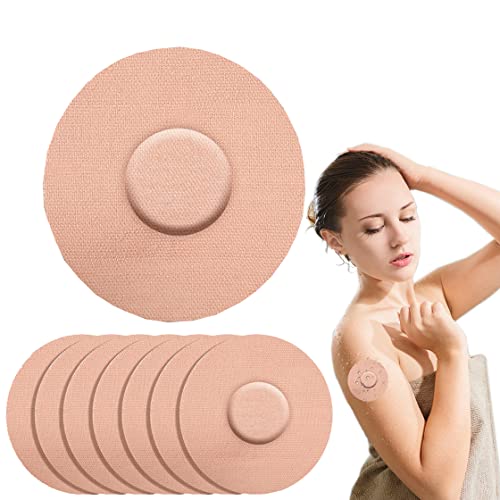
A 60-count pack makes sense for you when patches are part of your regular sensor routine. Unlike the device-specific Jinyusega options, these cotton covers support multiple listed sensors, including Libre 1, 2, 3, Guardian 3, Enlite, and Dexcom G4 through G6.
You get a pre-cut backing and an adhesive-free center, so the patch attaches around your device rather than directly to it. In humid weather or during regular exercise, you may appreciate the quick-drying cotton fabric.
Strengths Worth Knowing
- You receive 60 patches in one pack.
- You can use the covers with several listed Libre and Dexcom models.
- You get stretchy cotton material with latex-free construction.
Points To Note
- You cannot use these covers with an Omnipod.
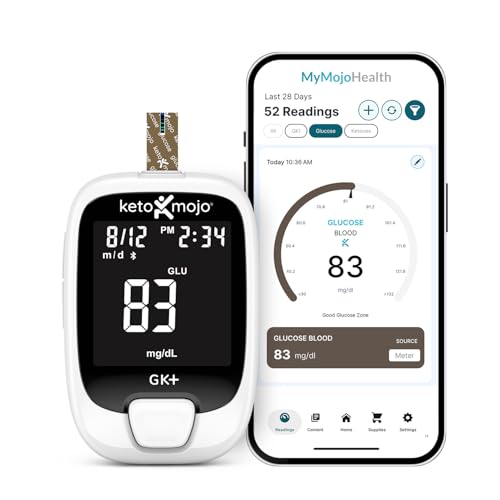
The GK+ is not a wearable CGM accessory. You use it for on-demand blood glucose checks with a small blood sample, making it a separate path from sensor-based monitoring.
You receive a meter, 70 glucose strips, a lancing device, lancets, control solutions, batteries, and a zippered travel case. For you, the Bluetooth connection can be useful when you want readings stored in the MyMojoHealth app for later review.
What Stands Out
- You receive the core supplies needed to begin meter checks.
- You get 70 glucose strips in the kit.
- You can sync readings through Bluetooth to the companion app.
- You can keep the meter and accessories together in a travel case.
Softer Spots
- You need a finger-stick sample rather than a wearable sensor.
- You need glucose strips for ongoing meter use.
What Matters Before Selecting CGM Support Gear
Match the Device First
Your sensor or pod model decides the patch shape you need. Libre 3, Dexcom G7, Stelo, and Omnipod 5 each need a differently shaped cover, while the Craft & Care band supports several sensors only when you wear them on the back of your upper arm. You should also check whether your sensor needs a full cover, an open center, or a strap-style patch.
Decide Between Adhesive and a Band
An adhesive patch surrounds your sensor and stays on continuously, which can suit showering, exercise, and daily clothing friction. A reusable band avoids skin adhesive and can work well for sleep or activities, but you need the correct upper-arm measurement. Your usual sensor location matters here.
Consider Your Routine
Swimming, frequent workouts, and physical work shifts can make water resistance, stretch, and edge adhesion more relevant. A quiet desk routine may place more value on thin material under a sleeve. You may also want a larger pack when your sensor routine requires regular cover changes.
Keep Meter Needs Separate
A blood glucose meter requires finger-stick samples and compatible strips, while a CGM uses a wearable sensor. The KETO-MOJO GK+ provides a portable meter kit and Bluetooth data syncing, but it serves a different routine than an overpatch. Your healthcare professional can help you decide how each method fits your care plan.
Practical Details That Shape Your Choice
Common Shopping Slip Ups
You can avoid a poor fit by checking your exact sensor model before selecting a patch. You should also measure your upper arm before choosing the Craft & Care band, especially between listed size ranges.
The Upgrade Payoff
You may spend more for reusable construction, a device-specific cut, a larger patch supply, or app-connected meter tracking. The extra features matter most when they directly reduce hassle in your established routine.
The Takeaway
Your strongest match starts with the device you already wear. Choose Jinyusega or Onida patches for sensor-specific adhesive support, the Craft & Care band for a reusable upper-arm solution, Bomister for a larger patch quantity, or the KETO-MOJO GK+ for portable finger-stick checks. A correctly matched shape and wear style will make your daily routine feel more manageable.