
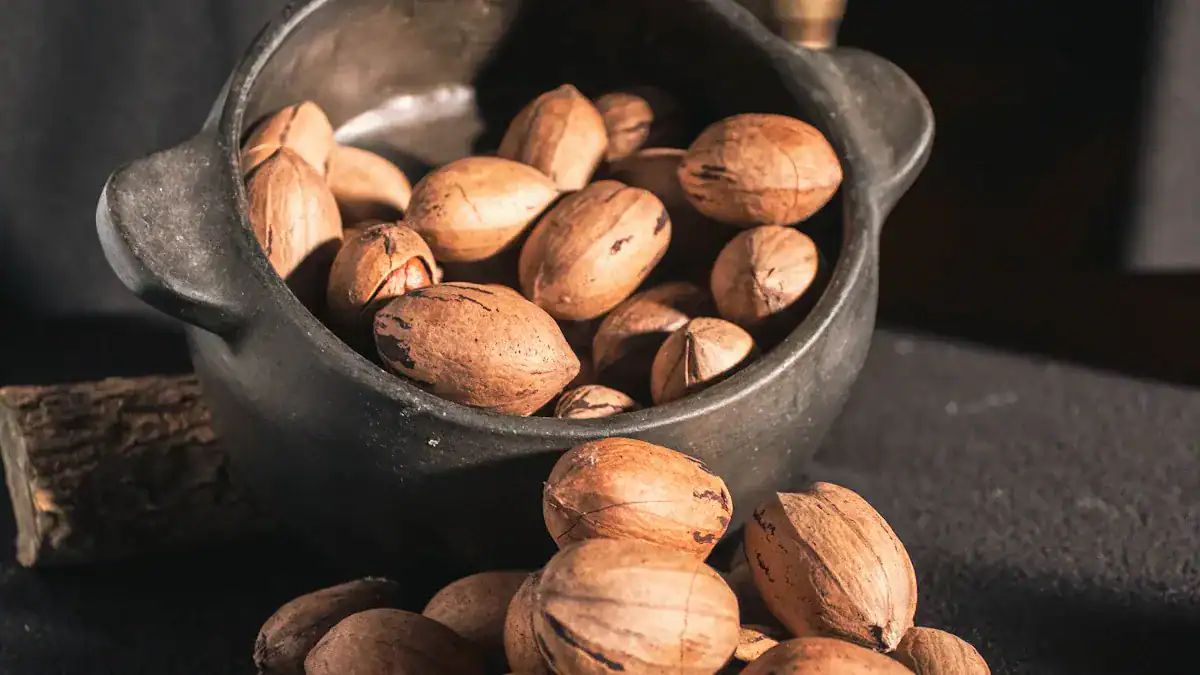
You enjoy pecans, but do you know their full power? These delicious nuts offer significant pecan nutrition benefits. Mexico produces nearly 50% of global pecans, about 300,000 metric tons annually. Despite this widespread availability, many people do not fully understand the significant health advantages of this pecan. This post explores their rich antioxidant profile and beneficial healthy fats. These components contribute greatly to your overall health. You will also learn practical ways to add pecans to your diet. Discover how this valuable nut enhances a healthy diet.
Key Takeaways
Pecans are full of good nutrients. They have healthy fats, vitamins, and minerals.
Pecans help your heart stay healthy. They lower bad cholesterol and improve blood flow.
Pecans have many antioxidants. These protect your body from harm and fight sickness.
Pecans can help control your blood sugar. They also make your brain work better.
You can easily add pecans to your food. Eat about 19 pecan halves each day for good health.
Pecan Nutritional Profile
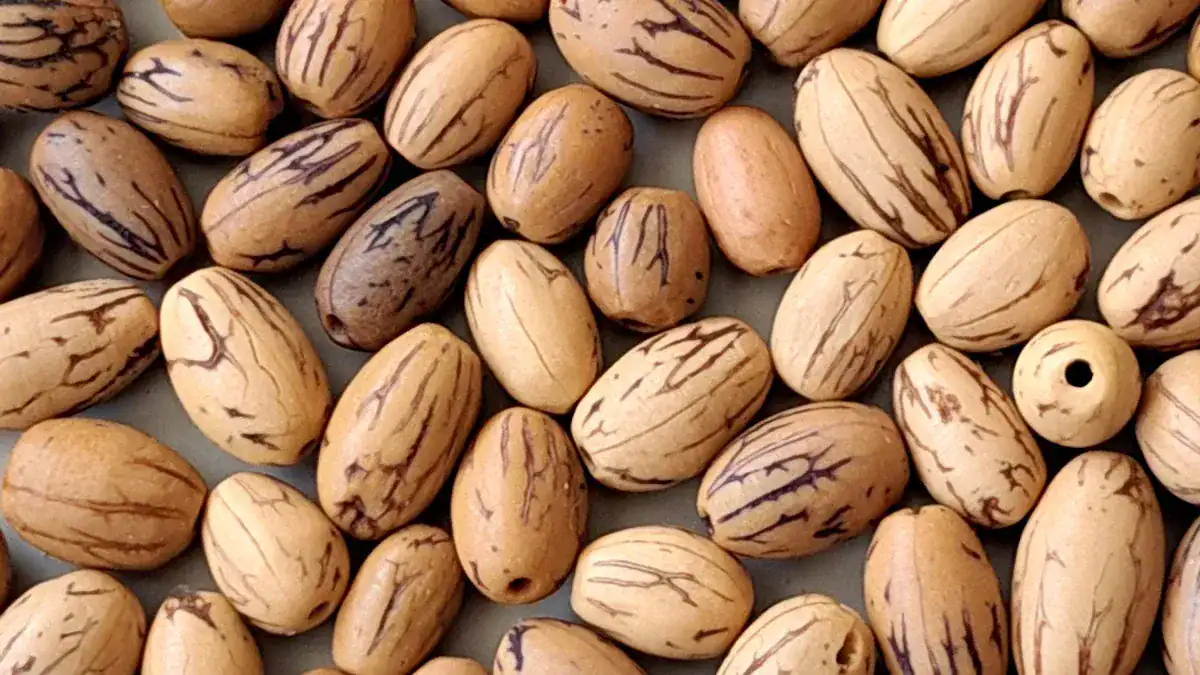
Pecans offer you a wealth of essential nutrients. You gain significant pecan nutrition benefits from these delicious nuts. They are packed with vitamins, minerals, and balanced macronutrients. Understanding their composition helps you appreciate their role in a healthy diet.
Key Vitamins and Minerals
Pecans are a powerhouse of micronutrients. You get important vitamins and minerals from each serving. For example, pecans provide a good amount of manganese, copper, and thiamin. These nutrients support many body functions. Look at the table below to see the daily value percentages for key nutrients in a standard pecan serving:
Nutrient | Daily Value (% DV) |
|---|---|
Thiamin | 12% |
Riboflavin | 2% |
Niacin | 1.6% |
Vitamin B6 | 3% |
Folate | 2% |
Calcium | 2% |
Iron | 4% |
Magnesium | 9% |
Phosphorus | 8% |
Zinc | 9% |
Copper | 17% |
Manganese | 64% |
You can also visualize these nutrients in the chart below: These nutrients contribute to your overall health. Pecans also contain other vital elements like Vitamin A, Vitamin E, and folic acid.
Macronutrient Breakdown
Beyond vitamins and minerals, pecans provide a balanced mix of macronutrients. These include healthy fats, protein, and carbohydrates. A 28-gram serving of pecans offers you the following:
Macronutrient | Amount (per 28g serving) |
|---|---|
Fat | 20.4g |
Protein | 2.6g |
Carbohydrate | 3.9g |
Pecans are primarily known for their healthy fat content. They also offer a good amount of protein. You get about 9.17 grams of protein per 100 grams of pecan. Furthermore, pecans are a good source of fiber. They contain 9.4 grams of dietary fiber per 100 grams. This fiber content aids your digestion and helps you feel full. These macronutrients make pecans a satisfying and energy-rich snack.
Health Benefits of Pecans: Heart and Circulation
Pecans offer significant advantages for your cardiovascular system. You gain important health benefits of pecans by including them in your regular diet. These nuts contain specific nutrients and healthy fats that directly support your heart and blood circulation.
Healthy Fats for Heart Health
You find a wealth of healthy fats in pecans. These fats are mostly unsaturated, which means they are good for your heart health. About 90% of the fats in pecans are heart-healthy, unsaturated types. Two-thirds of these fats are the same kind you find in olive oil. This type of fat is a key part of the Mediterranean diet, known for promoting good health.
Pecan kernels are rich in oil, with about 73% monounsaturated fatty acids like oleic acid. You get approximately 65% of the oil in fresh pecan as oleic acid. High-quality ‘Desirable’ pecans can even contain up to 74% oleic acid. A 30-gram serving of pecans gives you 11.6 grams of monounsaturated fat. This means about 60% of the fats in pecans are monounsaturated. You get about 25% more oleic acid from a serving of pecans than from a tablespoon of olive oil. Oleic acid helps reduce your risk of coronary heart disease.
These fats work to lower your “bad” (LDL) cholesterol. They do this without negatively affecting your “good” (HDL) cholesterol. This leads to a higher HDL/LDL ratio, which reduces your risk of coronary heart disease. Studies show these benefits of pecans. For example, researchers at New Mexico State University found that adding pecans to an average diet lowered LDL cholesterol levels by 6% in study subjects. Another study in the April 2001 issue of Metabolism reported that a diet rich in nuts, vegetables, and fruits could reduce cholesterol levels as much as medication. This suggests that pecan diets could lead to a 25% decreased risk of heart disease. A University of Georgia study also identified plant sterols, especially beta sitosterol, in pecans. Beta sitosterol competes with cholesterol absorption, which helps lower blood cholesterol. You can see that a daily handful of whole pecans improves heart health.
Blood Pressure and Circulation Support
Beyond cholesterol management, pecans also support healthy blood pressure and circulation. They contain important nutrients that help your blood vessels function well.
Magnesium: This key mineral helps regulate blood pressure. It relaxes your blood vessels, which eases blood flow and lowers blood pressure.
Potassium: This mineral helps counteract the effects of sodium on blood pressure. It helps your body get rid of excess sodium, which can lower blood pressure levels.
Calcium: This mineral helps your blood vessels tighten and relax as needed.
These minerals work together to keep your cardiovascular system running smoothly. You also gain better circulation from eating pecans. Daily pecan consumption for four weeks improved microvascular reactivity in older adults. Microvascular function improvements often happen before larger vessel changes. This suggests that eating pecans over time could improve your overall vascular health and lower your risk of cardiovascular events. Pecans contain bioactive nutrients like γ-tocopherol, polyphenols, monounsaturated fatty acids, polyunsaturated fatty acids, and L-arginine. These compounds are known for their protective effects on your heart and blood vessels.
Antioxidants in Pecans: Disease Protection
You gain powerful protection from the antioxidants found in pecans. These compounds are crucial for your overall health. They help your body fight off harmful substances. Pecans are a rich source of these protective agents.
Antioxidant Power
Pecans are packed with antioxidants. These substances protect your cells from damage. The U.S. Department of Agriculture (USDA) researched 277 different foods. They found that pecans have the highest antioxidant capacity among all nuts. Pecans possess an ORAC value of 17,940 units per 100 grams. This makes them the most antioxidant-rich tree nut.
You find many types of phenolic antioxidants in pecans. These include:
Catechin
Procyanidin (PA) trimer
PA tetramer
Trigalloyl hexahydroxydiphenoyl (HHDP) glucose
Tetragalloyl hexoside
Gallic acid
Protocatechuic acid
Heterophylliin E
Pecans are also rich in flavonoids. They contain more flavonoids than any other tree nut. This includes flavonols and potent catechins. This high flavonoid content gives pecans significant antioxidant power. Organic farming practices can even enhance these levels. They stimulate the pecan tree’s natural defense mechanisms. This fosters a nutrient-rich environment.
Flavonoids offer many benefits for your health:
Antioxidant Properties: Flavonoids neutralize free radicals. These free radicals cause oxidative stress. Oxidative stress links to chronic diseases. Flavonoids protect your cells and maintain overall health.
Anti-inflammatory Effects: They help reduce chronic inflammation. This inflammation associates with conditions like heart disease, diabetes, and arthritis.
Cardiovascular Health: Flavonoids link to a lower risk of cardiovascular diseases. They improve blood vessel cell function. They also regulate blood pressure and reduce blood clot formation.
Cancer Prevention: Some studies suggest that regular consumption of flavonoids may aid in cancer prevention. They target various stages of cancer development. This includes cell growth, metastasis, and apoptosis.
Combating Oxidative Stress
Oxidative stress happens when your body has too many free radicals. These unstable molecules damage your cells. Antioxidants in pecans help combat this stress. They neutralize free radicals. This protects your cells from damage.
Clinical studies show that eating pecans can reduce markers of oxidative stress.
A single pecan-enriched breakfast meal led to a postprandial diminution in free radical formation in males.
A single pecan-enriched breakfast meal resulted in a decrease in lipid peroxidation in males.
These findings mean that pecans actively help your body fight cellular damage. You can protect your cells and reduce your risk of various diseases. This includes chronic conditions linked to inflammation and oxidative stress. Adding pecans to your diet is a simple way to boost your body’s defenses.
Broader Benefits of Pecans for Overall Health
Blood Sugar and Brain Function
You gain significant advantages for your overall health when you include pecans in your diet. These nuts offer excellent blood sugar control and promotes brain function. They also stabilizes blood sugar levels. For instance, a study at Tufts University showed that adding pecans to a typical American eating plan improved insulin sensitivity in overweight adults. This research highlights pecans‘ positive impact on markers related to Type 2 Diabetes. You can see specific improvements in the table below:
Marker | Change in Pecan Group (vs. Usual Diet) |
|---|---|
Apolipoprotein B (apoB) | -4.38 mg/dL |
Lipoprotein Insulin Resistance Index (LP-IR) | -4.42 points |
Pecans also have a very low glycemic index. This prevents rapid blood sugar spikes. It helps manage diabetes. You can even offset the effects of higher glycemic index foods when you eat them with pecans.
Beyond blood sugar control, pecans also support your brain function. A study in ‘Nutritional Neuroscience’ found that a pecan-enriched shake improved performance on cognitive tests. These tests measured processing speed, memory, and learning in young adults. This suggests pecans offer acute benefits of pecans to cognitive performance. They are a potentially protective dietary source for your brain. Pecans have the highest total polyphenol content among tree nuts. These polyphenols protect your brain cells. They guard against damage linked to Alzheimer’s disease and Parkinson’s disease.
Gut Health and Energy
Pecans also contribute to a healthy gut and provide sustained energy. They are rich in prebiotic fiber. This fiber feeds beneficial gut bacteria. This process produces short-chain fatty acids (SCFAs). SCFAs reduce inflammation and strengthen your intestinal lining. They support overall digestive health. Pecans contain polyphenols like ellagitannins. Your gut microbiota metabolizes these compounds. This modulates the microflora population. It fosters a more diverse and beneficial microbial profile. This helps prevent chronic diseases linked to gut dysbiosis.
Furthermore, pecan can boost your energy expenditure. A study with mice showed that pecans increased energy use. They also reduced dysbiosis and inflammation, even with a high-fat eating plan. This research confirmed pecans modulate fat breakdown and mitochondrial metabolism. The anti-inflammatory properties helped reduce low-grade inflammation. This inflammation often precedes chronic diseases. It also helped maintain body weight and prevent diabetes. You get these health benefits from incorporating pecan into your routine.
Enjoying Pecans: Practical Uses

You can easily incorporate pecans into your daily routine. These nuts offer both flavor and significant nutritional value. Understanding how to add pecans to your diet helps you maximize their benefits.
Recommended Servings
You should consider recommended serving sizes for pecans. A typical serving is 1 ounce. This equals about 19 pecan halves or a fourth of a cup. This amount contains approximately 200 calories and 20 grams of fat. For general health, you can aim for 15-20 pecan halves daily. If you focus on heart health, consume 1.5 ounces (about 42 grams) daily as part of a balanced diet. For weight management, limiting your intake to 10-15 halves (roughly 20 grams) may be helpful. Remember, pecans are calorie-dense. Moderation is key, especially if you manage your weight. They should complement your diet, not replace other nutrient sources.
Versatile Culinary Ideas
You have many ways to enjoy pecans. They fit into various meals and snacks. Here are some ideas for how to add pecans to your diet:
Snack Smart: Eat a small handful (15-19 pecan halves) as a nutritious snack.
Enhance Breakfast: Sprinkle chopped pecans over oatmeal, yogurt, or smoothie bowls.
Boost Salads: Add toasted pecans to leafy green or grain-based salads.
Use in Baking: Incorporate pecans into muffins, banana bread, or homemade granola bars.
Pair with Proteins: Use crushed pecans to coat chicken or fish. You can make Pecan-Crusted Chicken Tenders.
Make Nut Butter: Blend pecans into a creamy nut butter.
Mix into Savory Dishes: Use pecans in stuffing, grain bowls, or roasted vegetable dishes. You can add them to rice pilaf with mushrooms and sweet peppers.
Create Energy Bites: Combine pecans with dates, coconut, and seeds for no-bake energy bites.
You can also use pecans in unique savory recipes. Try them as a pizza topping or in a calzone. Mix them into brown rice with dried cranberries. You can even add them to hot crab dip.
Consider the preparation method:
Feature | Raw Pecans | Roasted Pecans |
|---|---|---|
Pros | Retain all natural nutrients; no added ingredients; softer texture | Enhanced flavor; crunchier texture; improved shelf life |
Cons | Higher risk of bacterial contamination; slightly bitter aftertaste | May lose some heat-sensitive nutrients; often roasted with added oils, salt, or sugar; excessive roasting can produce harmful compounds |
Choose raw or dry-roasted pecans without added sugars or salts for maximum benefits.
You now understand the significant pecan nutrition benefits. Pecans offer powerful antioxidants and healthy fats. These nutrients greatly support your heart health and brain function. They contribute to your overall health. You can easily integrate pecans into your daily diet. This simple step boosts your pecan nutrition benefits. Enjoy the delicious and healthful advantages of this amazing pecan. Your heart and brain will thank you. These health benefits make pecans a smart choice for your diet.
FAQ
What makes pecans a healthy choice for your diet?
Pecans offer you many nutrients. They contain healthy fats, antioxidants, and fiber. You also get essential vitamins and minerals. These components support your overall health.
How do pecans benefit your heart?
Pecans contain monounsaturated fats. These fats help lower bad cholesterol. They also improve your blood pressure. You reduce your risk of heart disease.
Can pecans help with blood sugar management?
Yes, pecans have a low glycemic index. They prevent quick blood sugar spikes. You can improve insulin sensitivity. This helps you manage your blood sugar levels effectively.
What is the recommended daily serving of pecans?
You should aim for about 1 ounce of pecans daily. This equals 19 pecan halves. This serving provides significant nutrients. You gain many health benefits from this amount.
How do pecans contribute to brain health?
Pecans contain antioxidants and healthy fats. These protect your brain cells. They also improve cognitive function. You can enhance your memory and processing speed.