


You often experience abdominal pain, a common issue affecting many. This discomfort can range from mild to severe, with causes like kidney stones or appendicitis often leading to emergency visits.
Understanding your abdominal pain location provides crucial clues. This stomach pain chart offers a general guide to potential causes. It helps you interpret your pain. Remember, this guide does not replace professional medical advice. Always know when to seek medical attention for persistent or severe abdominal pain.
Key Takeaways
Knowing where your stomach hurts helps you guess what might be wrong.
Pain in different parts of your stomach can mean different problems with organs there.
Some stomach pains are serious and need a doctor right away, like very bad pain or blood in your poop.
Less serious stomach pains often come from indigestion, gas, stress, or period cramps.
Always see a doctor if your stomach pain is bad, lasts a long time, or comes with other worrying signs.
Understanding Abdominal Pain by Location
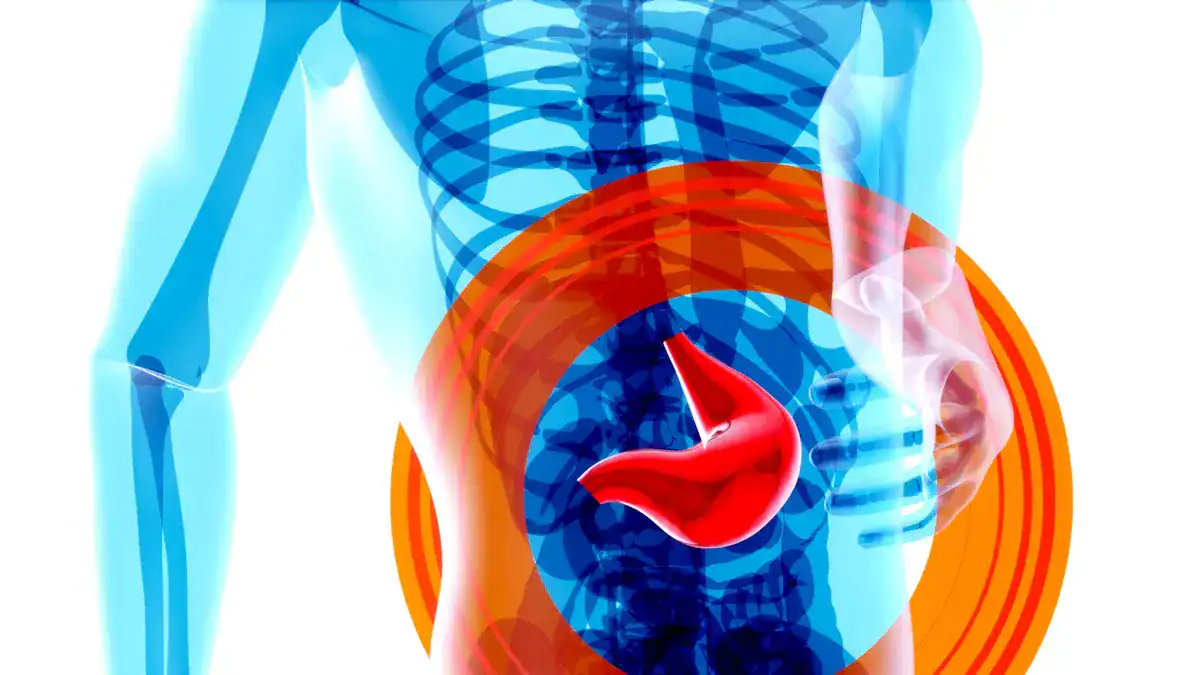
Understanding your abdominal pain location helps you narrow down potential issues. This stomach pain chart guides you through different areas of your abdomen. It explains what organs are there and what might cause discomfort.
Right Upper Quadrant Pain
The upper right abdomen houses several important organs. These include the right lobe of your liver, your gallbladder, and parts of your stomach (pylorus) and small intestine (duodenum). You also find the head of your pancreas, your right kidney, and parts of your large intestine (right colic flexure, superior ascending colon, right half of transverse colon) here.
Pain in your upper right abdomen can stem from various causes.
Some conditions are mild, while others require urgent care.
Common causes of abdominal pain in this area include:
Gallbladder problems: Gallstones or inflammation (cholecystitis) often cause sharp pain.
Liver conditions: Hepatitis, an abscess, or liver cancer can lead to discomfort.
Pancreatic issues: Pancreatitis, an inflamed pancreas, causes significant pain.
Stomach problems: Indigestion, gastritis, or peptic ulcers can also create pain.
Kidney problems: Kidney stones, a urinary tract infection (UTI), or a kidney infection can cause pain that radiates to your back.
Other triggers: Injury, pneumonia, or shingles can also cause pain in this region.
Left Upper Quadrant Pain
Your upper left abdomen contains your stomach, spleen, and the left portion of your liver. It also holds the main body of your pancreas, your left kidney, and adrenal gland. Parts of your colon, like the splenic flexure and the bottom part of the colon, are also here.
Pain in your upper left abdomen often relates to these organs. For example, stomach pain from ulcers or gastritis can occur here. Spleen issues, though less common, can also cause pain. Pancreatitis can also lead to pain in this area, sometimes radiating from the center.
Right Lower Quadrant Pain
The lower right abdomen is a common site for specific types of pain. Your appendix is located here. Parts of your small and large intestines also run through this area. For women, the right ovary and fallopian tube are also in this quadrant.
A key concern for lower right abdominal pain is appendicitis. This condition starts with pain around your navel, then moves to your lower right abdomen. It becomes more severe. Other causes include kidney stones, ovarian cysts, or inflammatory bowel disease.
Left Lower Quadrant Pain
Your lower left abdomen contains parts of your large intestine, including the descending and sigmoid colon. For women, the left ovary and fallopian tube are also here.
Diverticulitis is a common cause of lower left abdominal pain. This happens when small pouches in your colon become inflamed. Other potential causes include kidney stones, ovarian cysts, or inflammatory bowel disease.
Central Abdominal Pain
Central abdominal pain occurs around your belly button (umbilical region) or just above it (epigastric region). Many organs are in this central abdominal area. These include your esophagus, stomach, liver, spleen, pancreas, and parts of your small and large intestines. Your kidneys and ureters also extend into this region.
Common causes of abdominal pain in the center include:
Pancreatitis: Inflammation of the pancreas.
Peptic ulcers: Sores in your stomach or small intestine lining.
Small bowel obstruction: A blockage in your small intestine.
Umbilical hernia: When part of your intestine pushes through your abdominal wall near your navel.
Enteritis: Inflammation of your small intestine.
Early appendicitis: This often starts as central pain before moving to the lower right abdomen.
Irritable bowel syndrome (IBS) can also cause central abdominal pain. You might feel cramps, bloating, or fullness. These symptoms can change with stress or certain foods.
Generalized Abdominal Pain
Generalized abdominal pain spreads across a large part of your abdomen. It is not limited to one specific area. This type of pain can be harder to pinpoint.
Common causes of generalized abdominal pain include:
Stress: Emotional stress can cause physical stomach pain.
Visceral hypersensitivity: Your gut becomes overly sensitive to normal sensations.
Abdominal bloating: Gas buildup can cause widespread discomfort.
Traumatic injuries: An injury to your abdomen can cause widespread pain.
Abdominal muscle strain: Overuse or injury to your abdominal muscles.
Shingles: This viral infection can cause a painful rash that wraps around your body, sometimes affecting the abdomen.
This stomach pain chart helps you understand potential abdominal pain causes. Remember, this information is for general guidance.
When to Worry: Serious Abdominal Pain Symptoms
You might experience abdominal pain often. Most times, it is not serious. However, some symptoms signal a medical emergency. You need to know when to seek help. This section helps you understand serious causes of abdominal pain.
Immediate Medical Attention Signs
Certain signs with your abdominal pain mean you need immediate medical attention. These symptoms suggest a serious problem. Do not delay seeking care if you experience any of these:
Severe and Sudden Pain: You feel intense, sharp, or stabbing abdominal pain that starts very suddenly. This can be a sign of a serious issue.
Abdominal Tenderness or Swelling: Your abdomen feels very tender to the touch. It might also look swollen or rigid. This stiffness can point to a medical emergency.
Blood in Poop, Urine, or Vomit:
Black, tarry stool can mean bleeding in your upper digestive tract.
Bright red blood in your stool might mean bleeding in your lower digestive tract.
Bloody vomit that is dark green or contains a lot of blood is very serious.
Blood in your urine also needs immediate attention.
Persistent Vomiting: You vomit constantly and cannot keep anything down. This can lead to dehydration and other problems.
High Fever with Pain: You have a high fever along with your stomach pain. This combination often signals an infection or inflammation.
Shortness of Breath: You find it hard to breathe when you have abdominal pain. This can indicate a severe condition.
Pain Hindering Movement: Your pain is so bad you cannot move, eat, or drink.
Pain After Injury: You have severe abdominal pain, bloating, bruising, or your abdomen’s shape changes after an injury.
Acute abdomen is a medical term. It means you have sudden, severe abdominal pain. This often requires urgent treatment. It can signal a medical emergency. Sometimes, pain is the only symptom needing immediate surgery.
Symptoms Warranting a Doctor’s Visit
Some symptoms do not require an emergency room visit. However, you should still see a doctor soon. These symptoms need a medical evaluation to find the cause of your abdominal pain:
Persistent Fever: You have a fever that does not go away. The temperature matters.
For children, a fever of 100.4°F (38°C) or higher with abdominal pain means you should call a doctor or go to the ER.
For adults, a fever of 103°F (39.4°C) or higher with severe abdominal pain means you need immediate medical attention.
Patient Group | Fever Temperature | Accompanying Symptom | Action Required |
|---|---|---|---|
Children | 100.4°F (38°C) or higher | Abdominal pain | Call doctor or go to ER |
Adults | 103°F (39.4°C) or higher | Severe abdominal pain | Seek immediate medical attention |
Persistent Vomiting: You vomit often over several hours or days. This can happen multiple times a year. Sometimes, you vomit many times an hour. This pattern can be part of Cyclic Vomiting Syndrome (CVS). Abdominal pain is a common symptom with CVS episodes.
Chronic Stomach Pain: Your stomach pain does not get better with home remedies. It lasts a long time. You should see a gastroenterologist. This is especially true if you also have rectal bleeding or changes in your bowel movements.
Unexplained Weight Loss: You lose weight without trying. This can be a symptom of underlying health issues.
Changes in Bowel Habits: You notice new constipation or diarrhea that lasts for several days.
Mild vs. Severe Pain
You can often manage mild abdominal pain at home. You can use a hot water bottle, drink fluids, rest, or take antacids. Mild pain usually does not last long.
Severe abdominal pain is different. It signals a more serious problem. You should look for these signs:
Duration: The pain lasts for several hours.
Blood: You see blood in your stool.
Appearance: Your skin looks pale and clammy.
Other Symptoms: You have a fever and sweats.
Bowel Function: You cannot move your bowels.
Spread of Pain: The pain spreads to your chest and shoulder.
These symptoms indicate severe or emergent abdominal conditions. They include fever, prolonged vomiting, fainting, or signs of blood loss from your digestive system. Always pay attention to your body’s signals.
Common Causes of Stomach Pain
You often experience abdominal pain from common, less serious issues. Understanding these causes helps you manage your discomfort.
Digestive Issues and Indigestion
Indigestion, also known as dyspepsia, is a frequent cause of stomach pain. You might feel pain in your upper belly, specifically in the epigastric region. A burning feeling in your upper belly or chest can also occur, often from stomach acid or inflammation. You may also experience uncomfortable fullness, feeling full sooner than expected or long after eating.
💡 Tip: Certain foods can trigger indigestion. Fructose malabsorption and dietary short-chain carbohydrates can contribute to digestive issues. Lactose in dairy products is also linked to abdominal pain in some people.
Gas and Bloating
Excess gas and bloating commonly lead to abdominal pain and discomfort. Your digestive system produces gas as it breaks down food. However, too much gas can cause widespread pain.
Many factors contribute to gas buildup:
Dietary choices: Lactose intolerance, acid reflux, and gluten intolerance can cause gas.
Specific foods: Foods containing raffinose (like beans, cabbage, broccoli), lactose (dairy), fructose (onions, pears), and sorbitol (apples, peaches, sugar-free gum) are common culprits.
Constipation: Reduced bowel movements or difficulty passing stool can lead to gas and bloating.
Hormonal changes: Women often experience bloating and abdominal pain before and during their period.
Conditions: Small intestinal bacterial overgrowth (SIBO) or Irritable Bowel Syndrome (IBS) can also cause significant gas.
Stress-Related Pain
Psychological stress can directly cause physical abdominal pain. Your body reacts to stress by activating certain systems, which then affect your gut function. Stress can alter your gut microbiota and immune cells. This leads to changes in intestinal sensation, motility, and permeability. You might experience increased visceral hypersensitivity, meaning your gut becomes more sensitive to normal sensations. This brain-gut connection means stress can start or worsen symptoms like abdominal pain.
Menstrual Cramps
Many women experience menstrual cramps, a common cause of lower abdominal pain. You typically feel a throbbing or cramping pain in your lower abdomen. This pain can also feel like pressure or a continuous dull ache.
It might extend to your lower back and inner thighs. Cramps usually start one to two days before your period and peak about 24 hours after it begins. They generally last for two to three days. Hormonal factors, especially the overproduction of prostaglandins, cause these uterine contractions and the resulting pain.
This stomach pain chart helps you understand many causes of abdominal pain. Your pain location offers valuable clues. Always listen to your body and recognize warning signs. Do not self-diagnose or self-treat persistent or severe abdominal pain. Consult a healthcare professional for an accurate diagnosis and appropriate abdominal pain treatment. Effective treatments for your pain are available. This stomach pain chart is a guide, not a diagnosis.


