People increasingly seek non-drug methods for bone health. A survey showed 89% of patients and caregivers know diet and exercise help with osteoporosis. Osteostrong has emerged as one such option. This leads to a key question: Is the Osteostrong investment truly worth it? The answer is not simple. It depends on individual needs, available scientific facts, and financial factors. This post offers a fair look to help readers decide.
Key Takeaways
Osteostrong uses high-impact forces to help bones grow stronger. It aims to improve bone density and balance.
Osteostrong offers a way to improve bone health without using medicines. Sessions are short and happen once a week.
The cost of Osteostrong can be high. There is also not much independent research to fully prove its claims.
Osteostrong works best with a healthy diet and other exercises. It is not a complete solution for bone health by itself.
Always talk to a doctor before starting any new bone health program. A doctor can help you make a safe and effective plan.
What is Osteostrong and How It Works

The Osteogenic Loading Principle
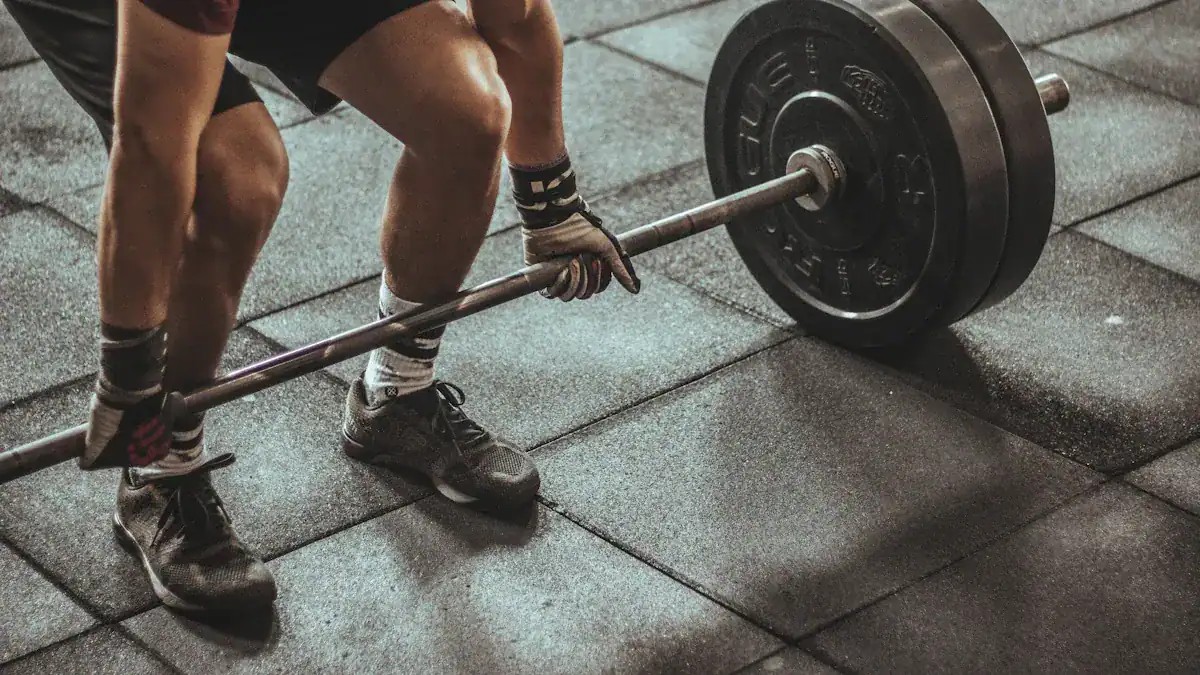
Osteostrong centers on the idea of osteogenic loading. This principle uses high-impact forces to stimulate bone growth. Bone tissue contains osteocytes. These cells are the main sensors of strain in bone. Osteocytes are very sensitive to mechanical stress, especially fluid flow and shear stress. When osteocytes sense shear stress, it stops their cell death. This sensing also sends signals. These signals stop osteoclasts, which resorb bone. They also promote osteoblasts, which form new bone. High-impact forces create mechanical strain. Osteocytes perceive this strain. They then send signals to other cells. This process regulates how osteoblasts and osteoclasts work. It ultimately increases bone turnover and helps deposit new bone.
The Osteostrong Session Experience
A typical Osteostrong session is quick and does not cause sweat. People attend sessions once a week. More frequent visits can slow results. Sometimes, waiting 10 to 15 days between sessions is better. This allows the body more time to adapt. Each session uses four special machines. These machines apply targeted forces to the skeleton. They load bones in specific ways. The machines include the ‘Core GT’ (like a lat pulldown), ‘Lower GT’ (a leg press), ‘Upper GT’ (a chest press), and ‘Postural GT’ (a deadlift machine). These are also known as the ‘Spectrum System’ modalities. A ‘Vibe Plate’ is often used for warm-ups and cool-downs. It activates the central nervous system and helps with balance.
Who Benefits from Osteostrong?
Osteostrong aims to help various individuals. People with osteoporosis or osteopenia are common participants. Osteoporosis means a T-score of -2.5 or lower in key bone areas. It can also involve low-trauma fractures. Osteopenia means a T-score between -1.0 and -2.5. Individuals seeking preventative bone health measures also use Osteostrong. This includes those who want to maintain strong bones as they age. The program offers a supervised environment for applying beneficial bone-loading forces.
Pros of Osteostrong: The Investment Appeal

Potential Bone Density Gains
Many individuals consider Osteostrong for its potential to increase bone mineral density (BMD). Reports suggest users can experience significant improvements. One report indicates increases in BMD of up to 14% over 12 months between DEXA scans. Another study shows a 7.34% improvement in bone density across the spine and hip after one year of treatment. Specific data from a study shows changes in g/cm2:
Location | Group | Mean Paired Change (g/cm2) |
|---|---|---|
Lumbar Spine | G2 | 0.029 |
Lumbar Spine | G4 | 0.025 |
Total Hip Left | G2 | 0.028 |
However, it is important to note that a pilot study found no significant changes in total hip, femoral neck, and lumbar spine aBMD after 8 months of OsteoStrong. This highlights the varied outcomes.
A Non-Drug Approach
A significant appeal of Osteostrong is its non-pharmacological nature. This means users can avoid the potential side effects associated with bone health medications. For example, bisphosphonates, a common drug class, can cause gastrointestinal issues like heartburn or nausea. Rare but serious side effects include atypical femur fractures and osteonecrosis of the jaw. Anabolic medications may cause nausea, leg cramps, or headaches. Hormone therapy can lead to weight gain, headaches, or an increased risk of blood clots. Osteostrong offers an alternative without these drug-related risks.
Improved Balance and Strength
Osteostrong reports that clients experience notable improvements in strength and balance. Declining musculoskeletal strength often leads to a loss of balance. Engaging the central nervous system and musculoskeletal system in a unique way can lead to an almost instant improvement in balance and agility. This is often one of the first benefits people notice. An internal case report involving 50 OsteoStrong members showed an average 77% improvement in balance after just five sessions. This improvement was tracked by analyzing balance before each session.
Time-Efficient Sessions
Osteostrong sessions are remarkably time-efficient. Each session typically lasts only 10 minutes. This short duration makes it easy to fit into a busy schedule. The weekly frequency also means less time commitment compared to daily exercises or medication regimens. This efficiency makes the Osteostrong investment attractive for many.
Supervised and Safe Environment
Each Osteostrong session occurs under supervision. Trained staff guide users through the exercises. This supervised environment helps ensure proper form and technique. It also reduces the risk of injury compared to unsupervised high-impact exercises. This safety aspect provides peace of mind for individuals, especially those with existing bone health concerns.
Cons of Osteostrong: Weighing the Investment
The Financial Commitment
The financial cost is a major factor for many people considering Osteostrong. Monthly memberships often range from $99 and up. Some centers charge around $159 per month. Other plans can cost more. For example, a standard plan might be $259 monthly. An enhanced plan could be $309. A peak performance plan might reach $359 per month. These plans often have a one-time enrollment fee of $199. OsteoStrong programs typically involve monthly memberships from $149 to $259. The program recommends an 18-month commitment. This commitment is needed to see improvements in bone density. Continued long-term participation helps prevent bone density loss after initial gains. This makes the Osteostrong investment a significant ongoing expense.
Limited Independent Research
Osteostrong faces criticism regarding its scientific backing. Independent, large-scale, peer-reviewed research is limited. Osteoporosis Canada has raised concerns about the validity of studies. They cite flaws in study design and reporting. Specific concerns include:
No clear study objectives or hypotheses.
Lack of information about ethical approval.
No clear statistical analysis plan.
No evidence of trial registration.
Leading osteoporosis scientists also dispute OsteoStrong’s effectiveness claims. Professor Robin Daly stated that study claims are “totally misleading” and “not supported by the data.” Lora Giangregorio noted that “the way that they present the statistics actually doesn’t make any sense.” A review found that research on OsteoStrong is mainly small observational studies. These studies risk bias due to conflicts of interest or poor reporting.
Not a Standalone Solution
Osteostrong is not a complete solution for bone health. It must be part of a broader strategy. Diet plays a crucial role. People need enough Vitamin D, Calcium, Magnesium, and Silicon.
Nutrient | Recommended Dietary Allowance | Authors’ Preferred Supplementation |
|---|---|---|
Vitamin D | 600-800 IU | 400-1000 IU |
Calcium | 1000-1200 mg | 500 mg |
Magnesium | 320-420 mg | 250-350 mg |
Silicon | 40 mg for bone health | 20-40 mg |
Other exercises are also vital. These include weight-bearing and resistance exercises. Squats with weight, lateral step downs, and standing lunges with weights are beneficial. High-impact activities like jumping also help. These exercises stimulate bone formation and improve balance. Medical advice is always necessary to create a comprehensive bone health plan. |
Accessibility Challenges
The physical location of Osteostrong centers can limit access. Not everyone lives near a facility. For example, some centers are in specific cities like Sofia, Bulgaria, or London, Canada. In the United States, centers exist in places like Chesterfield Valley, Missouri. This means many people cannot easily attend weekly sessions. This geographical limitation can make consistent participation difficult.
Evaluating Marketing Claims
Osteostrong marketing often claims “large increase in bone density with only 10 minutes of use per week.” They state individuals can expect significant improvements. They also recommend weekly in-studio sessions for optimal bone health. However, some users report different experiences. One user saw no positive results after three years of consistent use. This highlights the need for critical evaluation of marketing claims. It is important to consider individual results may vary.
Is the Osteostrong Investment Worth It? A Balanced View
Weighing Evidence Against Personal Goals
Deciding if Osteostrong is a worthwhile choice depends on individual health goals and a careful look at the available scientific evidence. Researchers are actively studying Osteostrong. For example, the Karolinska Institute is currently conducting a clinical trial (NCT05721014). This study investigates Osteostrong training versus other adapted training methods for older women at high risk of fractures. Participants receive supervision in both groups for nine months. This ongoing research may provide clearer answers about its effects on bone health.
However, current independent research on Osteostrong has limitations. Many studies are small and uncontrolled. They often lack the power of large, randomized controlled trials (RCTs). These RCTs are the gold standard for proving effectiveness. Researchers have not yet compared the Osteostrong program to more generic, high-intensity resistance exercise programs in robust studies. This means the full benefits of the Osteostrong investment are still under investigation. Individuals must consider this research landscape when they evaluate Osteostrong for their own needs.
When Osteostrong Might Be a Good Fit
Osteostrong might be a suitable option for certain individuals. People who prefer a non-drug approach to bone health often find it appealing. Its time-efficient, supervised sessions can also attract those with busy schedules or concerns about injury during unsupervised exercise. Individuals with osteopenia or osteoporosis might consider it as a complementary strategy. It could also benefit those seeking to improve balance and strength, which helps reduce fall risk. However, it is important to remember that Osteostrong is not a standalone solution.
Exploring Other Bone Health Strategies
Many other strategies exist for improving bone density and strength. These methods often have strong scientific backing.
Nutritional Strategies: Diet plays a vital role in bone health.
Essential Nutrients: Bones need a balance of macro- and micronutrients. Calcium, proteins, and vitamin D are key elements. Diets lacking these nutrients can weaken bones. A good balance of all nutrients is crucial for strong bones.
Soy Isoflavones: Some studies show that daily intake of about 82 mg of soy isoflavones can increase spine bone mineral density in postmenopausal women. This effect was seen over 6 to 12 months. However, more research is needed on the long-term safety and overall role of soy isoflavones.
Physical Exercises: Exercise is a cornerstone of bone health.
Resistance Training: This type of exercise builds muscle and bone. The American College of Sports Medicine (ACSM) recommends resistance exercise for 30 to 60 minutes per day, 2 to 3 days per week, for healthy adults. For older adults with osteoporosis or osteopenia, resistance training is effective when done at least 2 or 3 times a week. This involves 5 to 12 repetitions for 3 to 10 exercises targeting major muscle groups.
Weight-Bearing Aerobic Exercise: Activities like walking, cycling, and stair climbing help strengthen bones. The ACSM suggests 3 to 5 days per week for 20 minutes or more per day.
Balance Training: Exercises like Tai Chi or dynamic flamingo exercises improve balance. This reduces the risk of falls and fractures.
Impact Exercises: Jumping exercises can increase osteogenic loading. However, individuals at high risk of falls or fractures should approach these with caution.
Exercise Type | Frequency | Intensity | Duration | Specifics |
|---|---|---|---|---|
Balance training | ≥1–3 days/week | – | ≥15 min/day | Dynamic and static balance |
Weight-bearing aerobic exercise | ≥3 days/week | RPE 11–14, 40–60% HRR, 3–6 METs | ≥20 min/day | Walking, cycling, stepping, climbing, stair climbing, etc. |
Resistance Training | ≥2-3 times/week | 50-85% 1RM (5-12 reps, 1 set, 3-10 exercises) | 3-12 months | Free- and machine-weights, major muscle groups (for osteoporosis/osteopenia) |
The Importance of Medical Advice
Consulting a healthcare professional is essential before starting any new bone health program, including Osteostrong. A doctor can provide a careful, individualized evaluation. This evaluation considers specific health conditions, fracture risk, and overall fitness level. This helps determine the most appropriate type, intensity, and duration of any proposed program.
Engaging in high-impact bone-loading activities without medical supervision carries risks. These movements can place higher stress on joints than desired. This increases the risk of both acute and overuse injuries. For individuals at higher risk of fractures, jumping exercises might need modification or avoidance. Supervised programs, led by a qualified exercise physiologist, are crucial. They ensure proper technique and reduce injury risks. A personalized plan, developed with a doctor, offers the safest and most effective path to better bone health.
Osteostrong offers potential bone density gains, a non-drug approach, and time-efficient sessions. However, it involves significant cost, has limited independent research, and is not a standalone solution. The worth of the Osteostrong investment depends on individual health, finances, and openness to emerging science. For some, with specific needs and medical guidance, it can be a valuable addition. Others might find traditional or less costly methods more suitable until further research appears. Always prioritize medical advice and consider all aspects before making a decision.
FAQ
What is osteogenic loading?
Osteogenic loading uses high-impact forces. These forces stimulate bone growth. Bone cells sense the mechanical stress. They then signal other cells to build new bone. This process helps increase bone density.
How often do people attend Osteostrong sessions?
People typically attend Osteostrong sessions once a week. Each session lasts about 10 minutes. More frequent visits can slow results. Sometimes, waiting longer between sessions is better.
Does Osteostrong replace other bone health strategies?
No, Osteostrong is not a standalone solution. It works best as part of a broader plan. This plan includes a healthy diet. It also requires other exercises and medical advice.
What is the typical monthly cost for Osteostrong?
Monthly memberships for Osteostrong often start around $99. Some centers charge $159 or more. Plans can range up to $359 per month. A one-time enrollment fee may also apply.