

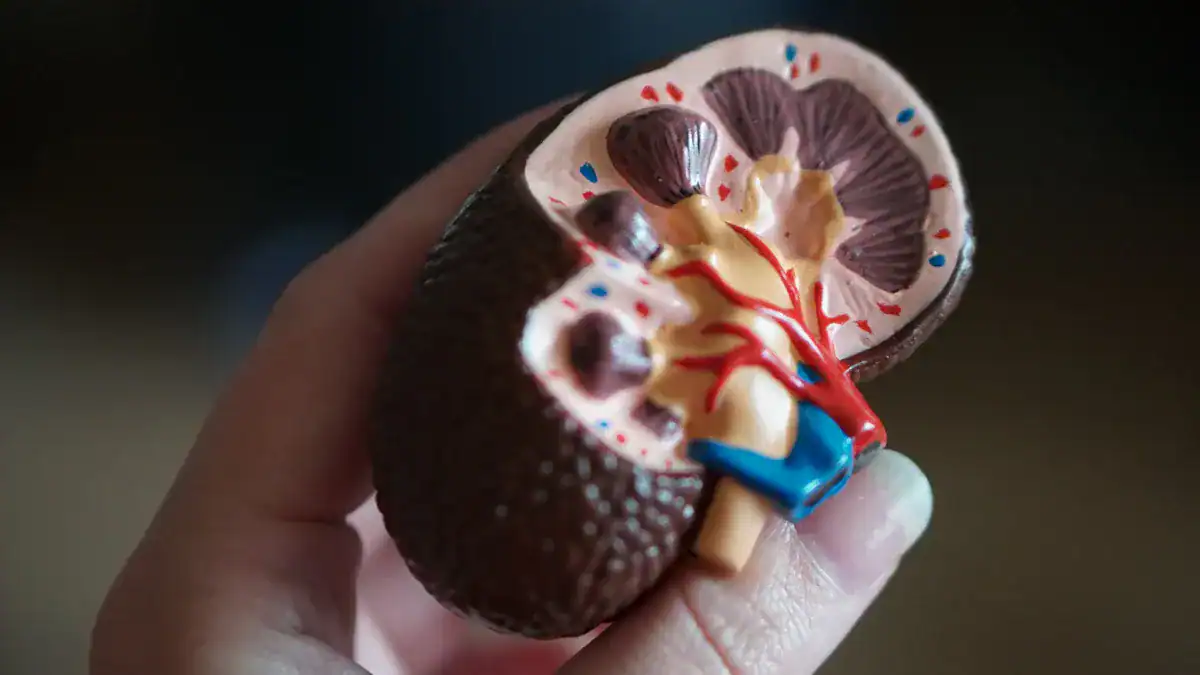
High BUN levels often signal issues with your kidney function or dehydration. Doctors often check BUN alongside creatinine to get a full picture of kidney health. Elevated BUN, sometimes with high creatinine, can indicate serious problems.
Persistently high BUN levels, especially when creatinine is also up, can lead to kidney failure, metabolic issues, and even increased mortality. You can take steps to reverse high bun levels and improve your creatinine readings. This guide offers five effective steps to lower bun levels and support your overall kidney health, including your creatinine.
Key Takeaways
Drink enough water every day. This helps your kidneys clean your blood and lowers BUN levels.
Eat the right amount of protein. Choose lean meats and plant-based foods. Too much protein can make BUN levels high.
Control your blood pressure and blood sugar. High levels of these can hurt your kidneys and raise BUN.
Avoid medicines and substances that harm kidneys. Talk to your doctor about all your medications.
Eat a kidney-friendly diet. Choose healthy foods and limit salt. This helps your kidneys work better.
Step 1: Hydrate to Lower BUN Levels
Hydration’s Kidney Role
Your kidneys act as your body’s natural filtration system. Adequate hydration helps them work well. Water is essential for your kidneys to filter waste and maintain proper bodily function. You flush waste products from your body through urine. Insufficient fluid intake stops your kidneys from performing these crucial tasks.
This can lead to higher BUN levels and impact your creatinine readings. Staying hydrated supports healthy kidney function and helps your body process waste efficiently.
Daily Water Intake Goals
There is no universal “eight glasses a day” rule for water intake. Your individual daily water needs vary. Factors like your age, size, climate, and exercise level play a role. Pregnancy or breastfeeding status also changes requirements. Illness, especially vomiting and diarrhea, increases your need for fluids. For healthy adults in a temperate climate with mild to moderate physical activity, aim for 2.5 to 3.5 liters of total water per day. This helps ensure optimal hydration. It also allows for the daily excretion of 2 to 3 liters of dilute urine. You should consult a healthcare provider to determine your personalized daily water intake. This ensures you meet your specific needs to help lower BUN levels and maintain healthy creatinine.
Practical Hydration Tips
You can increase your daily fluid consumption with simple strategies. Keep water visible and accessible throughout your day. Consider the atmosphere where you drink.
Make it a pleasant experience. You can also increase indoor temperatures slightly to stimulate thirst. Use visual cues, like images of people drinking, to remind yourself. Auditory cues, such as the sound of others drinking, can also encourage you. Try showing close-up visuals of drinks from a first-person view. This can make you feel like you are already drinking. These small changes help you stay hydrated. Good hydration supports your kidneys and helps manage your creatinine levels.
Step 2: Adjust Protein Intake
Protein and BUN Link
Your body produces blood urea nitrogen (BUN) as a byproduct of protein metabolism. When you consume protein, your body breaks it down into amino acids. These amino acids are further metabolized. This process forms ammonia (NH3) and carbon dioxide (CO2).
Ammonia is toxic. Your liver converts this ammonia into urea. Your blood then transports this urea to your kidneys. Your kidneys filter the urea and excrete it in your urine. A high intake of protein can lead to elevated BUN levels. Conditions like fever, severe infection, or certain diseases also increase protein breakdown. This can raise your BUN. Conversely, liver disease or malnutrition can cause decreased BUN. This happens because liver failure impairs urea synthesis. Monitoring your BUN alongside creatinine helps assess kidney function.
Smart Protein Choices
You can make smart protein choices to support your kidney health. Focus on lean protein sources. These include turkey or lean beef burgers. Fresh, unprocessed chicken and pork chops are also good options. Eggs, such as deviled eggs or egg omelets, provide excellent protein. Fish like salmon, mackerel, rainbow trout, and shrimp are beneficial. For plant-based options, consider tofu, veggie burgers, or veggie sausage. Always check the labels of plant-based products for sodium, potassium, and phosphorus content.
Some dairy products, like cottage cheese, are lower in potassium and phosphorus. Greek yogurt can also serve as a meat replacement. You can also explore high-protein smoothies made with low-potassium milk substitutes and protein powder.
Personalized Protein Advice
Your protein needs are unique. If your BUN/creatinine ratio is high, you might benefit from temporarily moderating your protein intake. A general guideline suggests 0.8-1.0 grams of protein per kilogram of body weight. It is also wise to spread your protein intake throughout the day. Incorporate more plant-based protein sources into your diet.
For individuals with a BUN greater than or equal to 4.3 mmol/L, a protein intake of less than 0.8 g/kg/d can be beneficial. If your BUN levels are below 4.3 mmol/L, an intake of 0.8–1.3 g/kg/d may improve outcomes. Excessive protein intake links to an increased risk of azotemia and worse outcomes. Always consult your doctor or a dietitian. They can help you determine the right protein amount for your specific health needs, especially if you have high creatinine.
Step 3: Manage Conditions to Reverse High BUN Levels

Blood Pressure Management
Uncontrolled high blood pressure damages the small blood vessels in your kidneys. This damage reduces their ability to filter waste efficiently. This impaired filtration leads to an increase in blood urea nitrogen (BUN) levels. High blood pressure is a common cause of elevated BUN levels.
Kidney dysfunction with high creatinine can also contribute to high blood pressure. This creates a harmful cycle. Managing hypertension is crucial for improving blood pressure control and reducing these risks. You can help reverse high BUN levels by keeping your blood pressure in a healthy range.
Here are some blood pressure targets for kidney health:
Condition | Systolic/Diastolic Blood Pressure Target (mmHg) |
|---|---|
Hypertensive CKD with albuminuria < 30 mg/24 hours | < 140/90 |
Hypertensive CKD with albuminuria > 30 mg/24 hours | < 130/80 |
High-risk patients with CKD (eGFR 20-59 mL/min/1.73 m2) | ≤ 120 (systolic, with automated BP measurement) |
Blood Sugar Control
Poorly managed blood sugar significantly harms your kidneys. Chronic high blood sugar damages the tiny blood vessels in your kidneys. This impairs their filtering ability and causes kidney dysfunction.
Elevated blood glucose activates the polyol pathway. This converts excess glucose into sorbitol. Sorbitol causes cellular stress and damage to kidney cells. High blood sugar also promotes the buildup of advanced glycation end-products (AGEs) in kidney tissues. These AGEs trigger inflammation and scarring. This leads to high creatinine levels.
High blood sugar activates protein kinase C (PKC) in the kidney. This changes cell signals. It leads to blood vessel problems and increased permeability. It also causes too much extracellular matrix protein synthesis.
High blood sugar causes oxidative stress. It increases reactive oxygen species (ROS) production. This overwhelms your body’s defenses. It causes damage to fats, DNA, and inflammation in kidney tissues.
An estimated 20% to 40% of people with diabetes will likely develop diabetic nephropathy, a form of chronic kidney disease. Diabetic patients with poorly controlled blood sugar face a much higher risk of developing end-stage renal disease. High blood sugar levels directly damage kidney filters. This results in protein leaking into your urine. This indicates kidney damage and can lead to high creatinine levels.
You should aim for specific blood sugar targets to protect your kidneys:
Glycemic Control Type | HbA1c Target | Fasting Glucose Target |
|---|---|---|
Intensive | < 7% | < 120 mg/dL |
Standard | ≥ 7% | ≥ 120 mg/dL |
For individuals at risk of frequent low blood glucose, those who do not feel hypoglycemia symptoms, or older adults with other health issues, a more relaxed A1C goal of less than 8% may be appropriate. Managing your blood sugar helps lower creatinine levels and supports overall kidney function.
Medication and Check-ups
Regular check-ups with your doctor are vital. They monitor your kidney function and creatinine. Your doctor can adjust medications that might affect your kidneys. Discuss all your prescriptions and over-the-counter drugs with them. This ensures your medications support your kidney health.
Healthy Lifestyle Changes
Changing your lifestyle significantly impacts your kidney health. Regular exercise, maintaining a healthy weight, and quitting smoking all help. These actions reduce the strain on your kidneys. They also improve your overall health. These changes can help lower creatinine levels and support better kidney function.
Step 4: Avoid Kidney-Harmful Substances
Nephrotoxic Agents
Certain substances can harm your kidneys. These are called nephrotoxic agents. They can directly damage kidney cells. This damage can lead to increased blood urea nitrogen (BUN) and high creatinine levels. You should know about common over-the-counter medications that can affect your kidneys.
Medication Type | Examples | Kidney-Related Risks |
|---|---|---|
NSAIDs | Ibuprofen (Advil, Motrin), Naproxen (Aleve) | Reduce blood flow to kidneys, trigger acute kidney injury, raise blood pressure, cause fluid retention |
Cold, Allergy, and Flu Medications | Decongestants (pseudoephedrine, phenylephrine) | Increase blood pressure, a concern for those with CKD or hypertension |
Antacids and Laxatives | Products with magnesium, aluminum, or sodium bicarbonate | Build up in blood if kidneys are impaired, leading to muscle weakness, confusion, or heart rhythm problems |
Herbal and Dietary Supplements | Aristolochic acid, St. John’s Wort, high-dose vitamin C | Linked to kidney failure (aristolochic acid), interact with prescriptions, may cause kidney stones (high-dose vitamin C) |
Common pain relievers, especially NSAIDs like ibuprofen, can harm your kidneys. This is true with high doses or long-term use. If you have low kidney function, heart disease, or high blood pressure, you should be careful. Avoid NSAIDs unless a doctor advises them. Even with healthy kidneys, prolonged high-dose use can damage kidney tissue or blood flow. Risks increase as you get older. This can contribute to high creatinine levels.
Doctor Consultation for Meds
You must discuss all your medications with your doctor. This includes prescriptions, over-the-counter drugs, and supplements. Your doctor can review your current medications. They can identify any that might harm your kidneys or raise your creatinine. They can also suggest safer alternatives. This step is crucial for protecting your kidney health and managing your creatinine.
Limit Alcohol and Drugs
Excessive alcohol consumption significantly harms your kidneys. It can lead to high blood pressure, dehydration, and liver disease. Alcohol can also worsen existing kidney disease. Your kidneys filter harmful substances, including alcohol. Alcohol can alter kidney function, making them less effective at filtering blood.
This can lead to high creatinine levels. Dehydration from alcohol impairs the normal function of cells and organs, including your kidneys. Regular heavy drinking doubles your risk for kidney disease. Binge drinking can dangerously raise blood alcohol levels.
This can cause acute kidney injury (AKI), a sudden drop in kidney function. This may require dialysis and can lead to lasting kidney damage. Limiting alcohol intake can help lower creatinine levels and protect your kidneys. Illicit drugs also pose serious risks to kidney health. You should avoid them completely.
Step 5: Adopt a Kidney-Friendly Diet

Beneficial Foods
You can choose specific foods to support your kidney health and help lower BUN levels. Low-fat dairy products like skim milk, Greek yogurt, and low-fat cottage cheese provide essential nutrients without excess fat. Plant-based dairy alternatives such as almond milk, soy milk, and oat milk also offer good options. These choices reduce the metabolic workload on your kidneys. Plant-based proteins like lentils, chickpeas, tofu, and black beans are excellent foods to help lower bun levels.
They provide necessary nutrients with a lower purine load, reducing nitrogenous waste. Whole grains such as brown rice, oats, and quinoa help maintain steady blood sugar. Low-purine fruits like apples, berries, cherries, and grapes are rich in antioxidants and vitamins.
These fruits aid detoxification and reduce inflammation, which can impact your creatinine. Pomegranates are also beneficial, being low in phosphorus and sodium, though you should monitor potassium intake if you have kidney disease. Antioxidants in berries, vitamins in citrus fruits, and fiber in apples all protect against kidney damage and support healthy creatinine.
Foods to Restrict
You must limit certain foods to protect your kidneys. A high intake of protein can increase BUN levels. You should also reduce sodium intake. Most people with kidney disease need to limit sodium to less than 2,300 mg per day.
If you have diabetes, hypertension, or CKD, aim for 1,500 mg per day. For non-dialysis CKD patients, less than 2.4 grams of sodium daily is recommended. Excess sodium increases thirst and can make fluid restriction difficult. In later stages of kidney disease, you may need to limit minerals like potassium and phosphorus.
Balanced Diet for Kidneys
Creating a balanced meal plan to help lower bun levels is key. You need the right amount and types of protein. Too little protein can weaken your body, but too much can overwork your kidneys and raise creatinine. Include healthy fats like olive oil for energy.
Prioritize whole grains, fruits, and vegetables over sugary drinks. Your calorie needs vary, so adjust them to maintain a healthy weight. Managing portion sizes is crucial, especially for foods you need to limit. Reading nutrition labels and eating slowly can help. A well-planned meal plan to help lower bun levels supports your kidneys and helps manage your creatinine. This comprehensive meal plan to help lower bun levels can significantly contribute to your goal to lower bun levels.
You can reverse high bun levels by focusing on hydration, adjusting protein intake, managing underlying conditions, avoiding harmful substances, and adopting a kidney-friendly diet. These consistent steps help lower bun levels and improve your creatinine.
Remember, changing your lifestyle is crucial for addressing high bun levels, as no specific medications exist to directly reverse high bun levels or improve creatinine. Always consult your doctor for personalized diagnosis and to monitor your creatinine. You empower yourself to lower bun levels and achieve better health.


