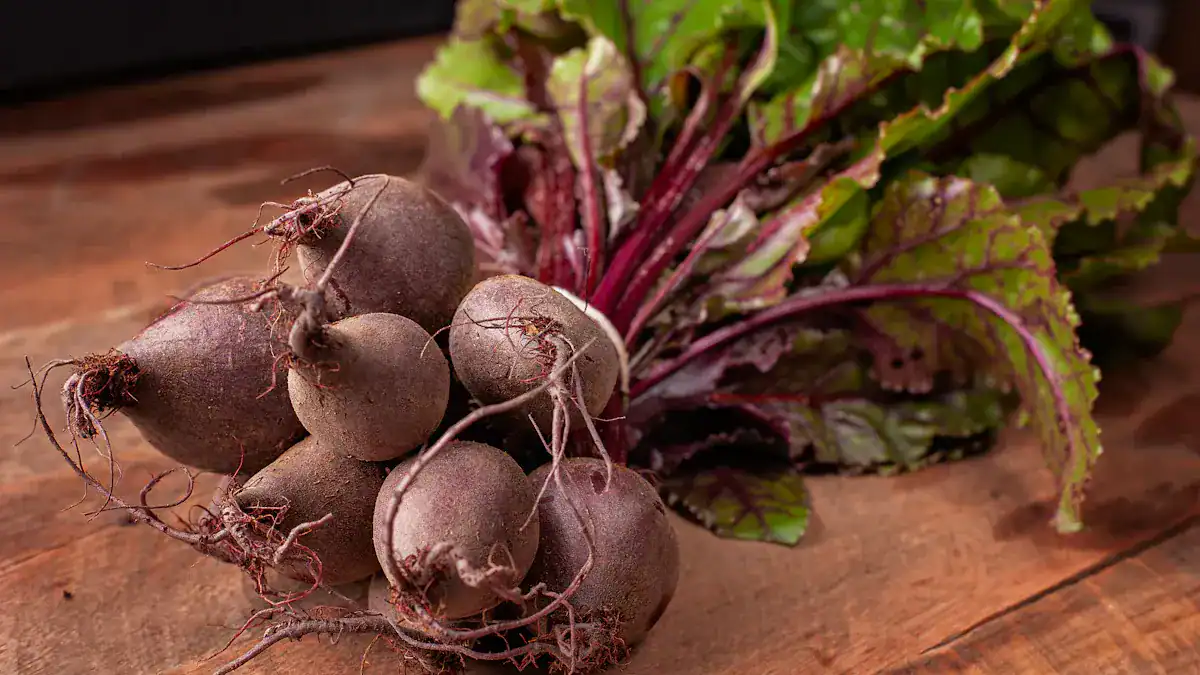
See the vibrant color of beetroot? This amazing vegetable is gaining popularity. Beets are a true superfood. These vibrant beets pack nutrients like folate, manganese, and powerful antioxidants such as betaine. You get many health benefits of beets. This blog explores 7 amazing beetroot benefits. Discover how the health benefits of beetroot can transform your well-being.
Key Takeaways
Beetroot helps your body in many ways. It can make you better at sports and lower your blood pressure.
Beets are good for your heart and blood. They help blood flow better and increase a protein called hemoglobin.
Beetroot fights bad things in your body. It helps stop swelling and protects your cells.
Beets can make your brain work better. They help your brain get more blood and oxygen.
Beetroot helps your stomach and liver. It aids digestion and helps your body get rid of bad stuff.
Beetroot: A Powerhouse of Health Benefits

Enhanced Athletic Performance
You want to perform better in sports or workouts. Beets offer a natural boost. Beetroot powder contains high levels of nitrate. Your body changes this nitrate into nitrite. Then it becomes nitric oxide. Nitric oxide is very important for your body. It relaxes and expands your blood vessels. This means more blood flows through your body. More oxygen reaches your muscles. This helps improve your athletic performance and endurance. The health benefits of beetroot for athletes are clear. These nitrates help your muscles work harder. They increase your strength. You can feel less tired during exercise.
Tip: Beetroot nutrition provides key compounds. These include nitrates, betanin, and vulgaxanthin. These compounds work together. They help increase blood oxygenation. They also boost muscle strength and mental sharpness. This is a main reason why beets are popular for exercise performance.
Lower Blood Pressure
Maintaining healthy blood pressure is vital for your overall health. Beets can help you achieve this important goal. Regular consumption of beets can significantly lower blood pressure. This is a major beetroot benefit. Studies show that beets can reduce your blood pressure numbers. You can see the typical reductions below.
Study/Context | SBP Reduction (mmHg) | DBP Reduction (mmHg) |
|---|---|---|
Current study (6-h post-consumption in men) | 4-5 | N/A |
Webb et al. (3-h post-consumption, 500 ml beetroot juice) | 10 | 4.8 |
Hobbs et al. (2-3 h postprandial, 5.7 mmol NO3-) | 20.5 | 14.6 |
Hobbs et al. (2-3 h postprandial, double dose NO3-) | 22.2 | 18.3 |
This table shows how much your blood pressure can drop. The chart makes these reductions easy to see. Beets offer a simple and natural way to support healthy blood pressure. They help your heart work better. This reduces strain on your cardiovascular system.
Supports Heart and Blood Health
Improved Blood Flow
Beetroot helps your heart work better. The nitrates in beets turn into nitric oxide in your body. This nitric oxide relaxes your blood vessels. Relaxed vessels mean blood flows more easily. This improved blood flow reduces strain on your heart. It helps your heart pump blood more efficiently. Good blood flow is key to overall cardiovascular health. It can help prevent heart disease.
Increased Hemoglobin Levels
Beets are great for your blood. Hemoglobin is a protein in red blood cells. It carries oxygen from your lungs to your body. Low hemoglobin can make you feel tired. Beetroot can help increase your hemoglobin levels. Studies show that beetroot juice significantly raises hemoglobin in people with low iron. For example, pregnant women with anemia saw their hemoglobin levels improve after consuming beetroot juice. Other research found that regular consumption of beets increased hemoglobin, ferritin, and iron levels in women. This is because beets contain important nutrients. They are rich in iron, which red blood cells need. Beets also provide copper, which helps your body use iron. You also get Vitamin B6 and Folate from beets. These vitamins are vital for making red blood cells.
Muscle Power Boost
Beetroot can also boost your muscle power. This is another way beets support your physical well-being. The nitrates in beetroot help your muscles work more efficiently. This means your muscles can produce more power. You can see improvements in different muscle functions.
Muscle Function Improved | Population | Performance Metrics |
|---|---|---|
Muscle Strength | Professional Athletes | Not specified (general improvement) |
Aerobic Endurance | Non-athletes (healthy adults) | VO2max |
Lactate Tolerance | Healthy Adults | TTE and YO-YOIR1 performance |
These improvements contribute to better athletic performance. You might feel stronger and have more stamina during physical activities.
Fights Inflammation and Oxidative Stress
Antioxidant Properties
Beets are rich in antioxidants. These powerful compounds protect your cells from damage. You get betalains from beets. Betalains are especially strong antioxidants. Betanin is a key betalain. These compounds scavenge oxidants. They also help your body’s natural antioxidant system. You also find phenolic compounds in beets. These include phenolic acids and flavonoids. Other components like coumarins, carotenoids, sesquiterpenoids, and triterpenes also contribute. They all work to protect your body.
Anti-Inflammatory Effects
Beets also fight inflammation. Nitrate from beets turns into nitric oxide in your body. Nitric oxide is a strong anti-inflammatory agent. It stops certain cells from gathering. This reduces inflammation. Beet supplementation increases anti-inflammatory oxylipins. It also decreases proteins involved in complement activation and inflammation. Nitric oxide influences enzyme systems. These systems regulate inflammation. Betalains in red beets are also natural anti-inflammatory agents. They show great potential. They can help reduce inflammation in your body. Regular consumption of beets can help you fight inflammation. These properties help boost your immune system.
Boosts Brain Function
Cognitive Enhancement
You want to keep your mind sharp. Beets can help improve your thinking skills. These root vegetables offer benefits for your brain. They can enhance your cognitive function. For example, consuming dietary nitrate from beetroot juice improves working memory. This means you can better handle tasks that require quick thinking. You might find it easier to focus and remember things. Beets support your overall brain health.
Better Brain Blood Flow
Your brain needs a lot of oxygen to work well. Beets are rich in nitrates. When you eat beets, your body changes these nitrates into nitric oxide. Nitric oxide is a powerful molecule. It helps increase blood flow throughout your body. This includes your brain.
“Nitric oxide is a really powerful molecule. It goes to the areas of the body which are hypoxic, or needing oxygen, and the brain is a heavy feeder of oxygen in your body.” – Jack Rejeski
This increased blood flow delivers more oxygen to your brain. This is especially good for areas that need it most. Combining beetroot juice with exercise can send even more oxygen to your brain. This creates a great environment for strengthening important brain areas. Studies show that people who drink beet juice have more nitrate and nitrite in their blood. This means more nitric oxide is available.
Beetroot helps your brain get more blood and oxygen. This happens because nitric oxide makes your veins and arteries expand. This expansion allows more blood to flow. A study at Wake Forest University looked at seniors. They drank beet juice for two days. MRI scans showed a 21% increase in blood flow to their frontal lobes. These brain areas often weaken with age. Improved blood flow also helps maintain healthy blood pressure. This further supports your brain’s function.
Aids Digestive Wellness
Gut-Friendly Fiber
Beets are excellent for your digestive health. They provide a good source of dietary fiber. You get 2.8 grams of fiber per 100g serving from beets. This fiber is crucial for a healthy gut. It helps keep your digestive system running smoothly. Fiber adds bulk to your stool. This makes it easier for waste to pass through your body.
Healthy Digestion
This fiber helps food move through your intestines. It promotes regular bowel movements. Regularity is key for good digestive health. Beets also feed beneficial gut bacteria. These bacteria support your overall digestive health. You can improve your gut health by including beets in your diet. This helps you maintain healthy digestion.
Promotes Natural Detoxification
Liver Support
Your body constantly works to remove harmful substances. Your liver plays a big role in this process. Beets offer great support for your liver. Beetroot compounds help your liver work better. They increase the activity of important antioxidant enzymes. These include glutathione peroxidase (GPx) and catalase. These enzymes protect your cells from damage. If your liver gets injured, beetroot helps. It lowers levels of liver enzymes like aspartate aminotransferase (AST) and alanine aminotransferase (ALT). High levels of these enzymes show liver stress. Beets also boost quinone reductase production. This enzyme helps detoxify harmful compounds. Beetroot can even slow down the activity of CYP1A2, another enzyme. This helps your liver manage toxins more effectively.
Toxin Elimination
Beetroot helps your body get rid of toxins in several ways. The betalains in beets give them their vibrant color. These betalains are strong antioxidants. They help neutralize harmful toxins in your body. Beets also stimulate liver enzymes. These enzymes are crucial for flushing out toxins. The fiber in beetroot supports healthy digestion. This helps move waste and toxins out of your system regularly. Beetroot also makes your liver produce more bile. Bile helps process fats and remove waste efficiently from your body. Good cellular hydration is also important for detoxification. Beetroot helps keep your cells hydrated. This allows your body to transport waste to elimination organs more effectively. All these actions help to boost your immune system and keep you healthy.
Contributes to Healthy Weight
Weight Management
You want to manage your weight effectively. Beets can be a valuable part of your diet. They offer many benefits for weight management. Beetroot is low in calories. A 100-gram serving contains only about 43 calories. This makes it a great low-calorie food choice. It is also rich in dietary fiber. Fiber aids digestion. It promotes satiety. This helps control your appetite. Beetroot contains betaine. Betaine supports liver function. It helps detoxify your body. This aids in weight loss. Beets are packed with vitamins, minerals, and antioxidants. They nourish your body without adding many calories. The natural nitrates in beetroot improve blood flow. They deliver more oxygen. This enhances your stamina and energy levels for workouts.
Beetroots are packed with essential nutrients. They are a great source of fiber, folate (vitamin B9), manganese, potassium, iron, and vitamin C.
Nutrient | Amount per 100g |
|---|---|
Calories | 43 kcal |
Protein | 1.6 g |
Carbohydrates | 9.6 g |
Sugar | 6.8 g |
Dietary Fiber | 2.8 g |
Fat | 0.2 g |
Potassium | 325 mg |
Vitamin C | 4.9 mg |
Folate (B9) | 109 µg |
Magnesium | 23 mg |
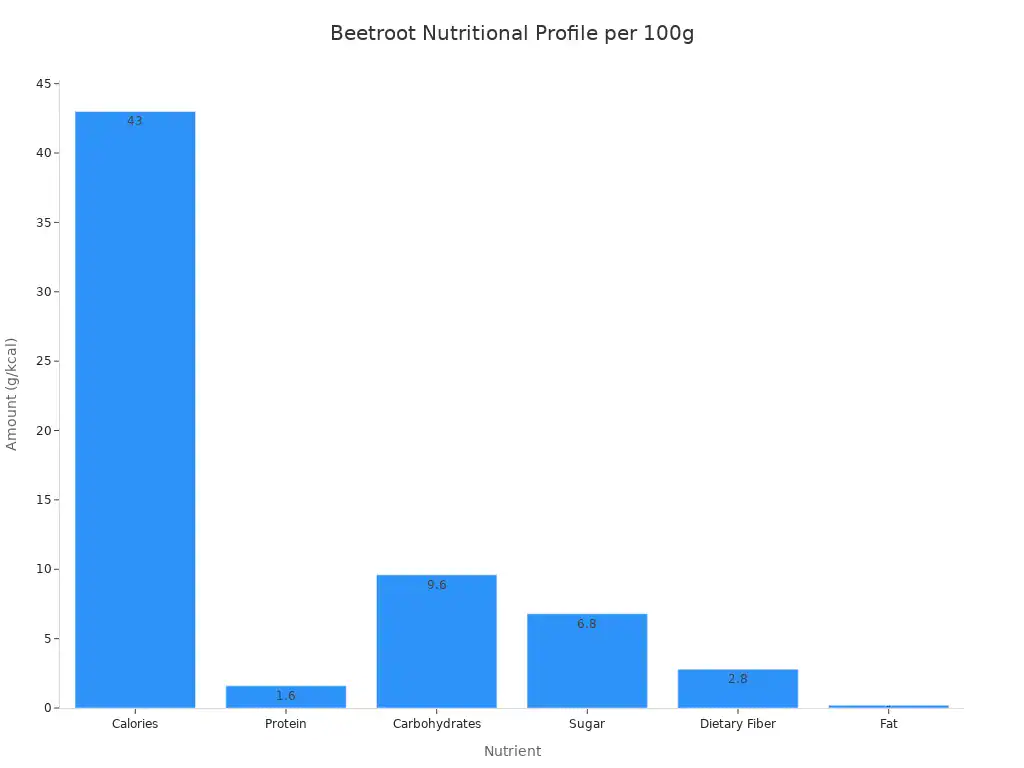
This beetroot nutrition profile shows you get many benefits.
Satiety and Nutrition
The fiber in beetroot promotes satiety. This helps you feel fuller for longer periods. You might eat less overall. This reduces your total calorie intake. Beetroot is also a good source of vitamins and minerals. It contributes to a well-rounded and nutritious diet. This is essential for sustainable weight loss.
Beetroot sabji, at 88 calories per 100g with 2.8g fiber, provides volume and satiety. It does this without excess calories. The fiber content in beetroot promotes satiety. Studies show that beetroot consumption can improve body composition. It can also reduce fat mass.
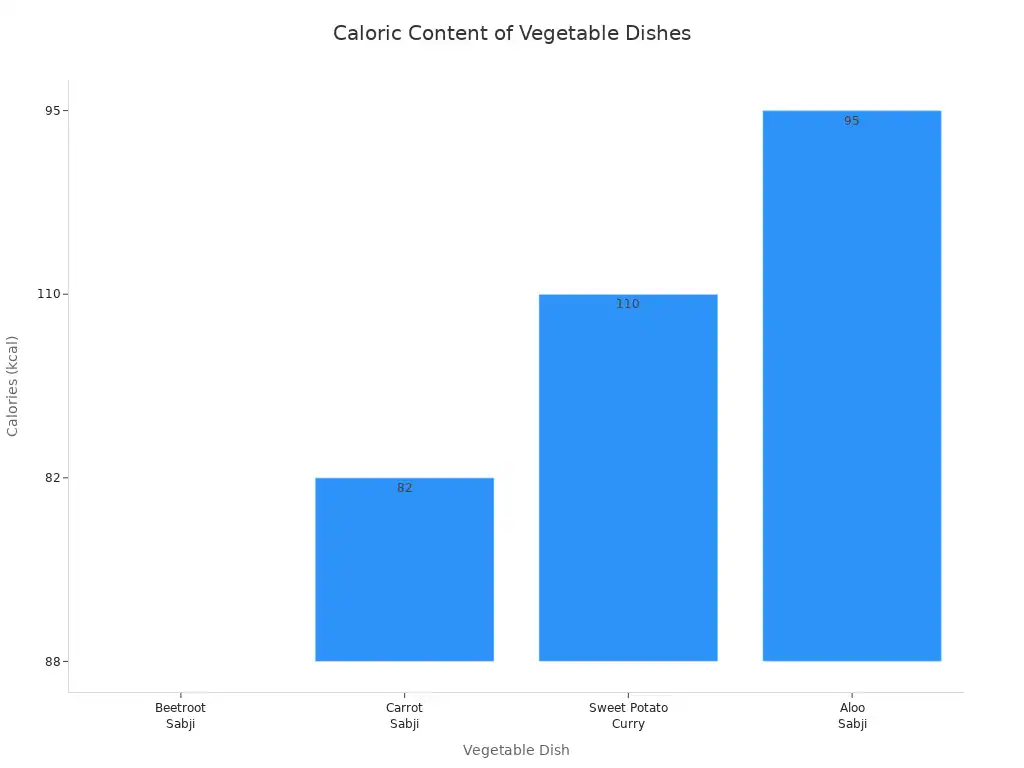
You can see how beets compare to other vegetables. They offer a great way to feel full and get nutrients.
Incorporating Beetroot
Easy Preparation
You can easily add beets to your diet. You can enjoy them in many forms. Eat them raw, cooked, juiced, or as a powder. Each way offers unique benefits and flavors. For a quick snack, you can thinly slice raw beets. Toss them with olive oil and seasoning. Then bake them until they become crisp beetroot chips. You can also grate raw beets. Mix them with baby spinach, crumbled feta cheese, and walnuts. Add a balsamic vinaigrette for a fresh beetroot salad. Roasting beets brings out their natural sweetness. Simply chop them, toss with oil, and roast until tender. You can also simmer diced beets with onions, garlic, and vegetable broth. Blend this mixture with cream and herbs for a delicious beetroot soup.
Dietary Integration
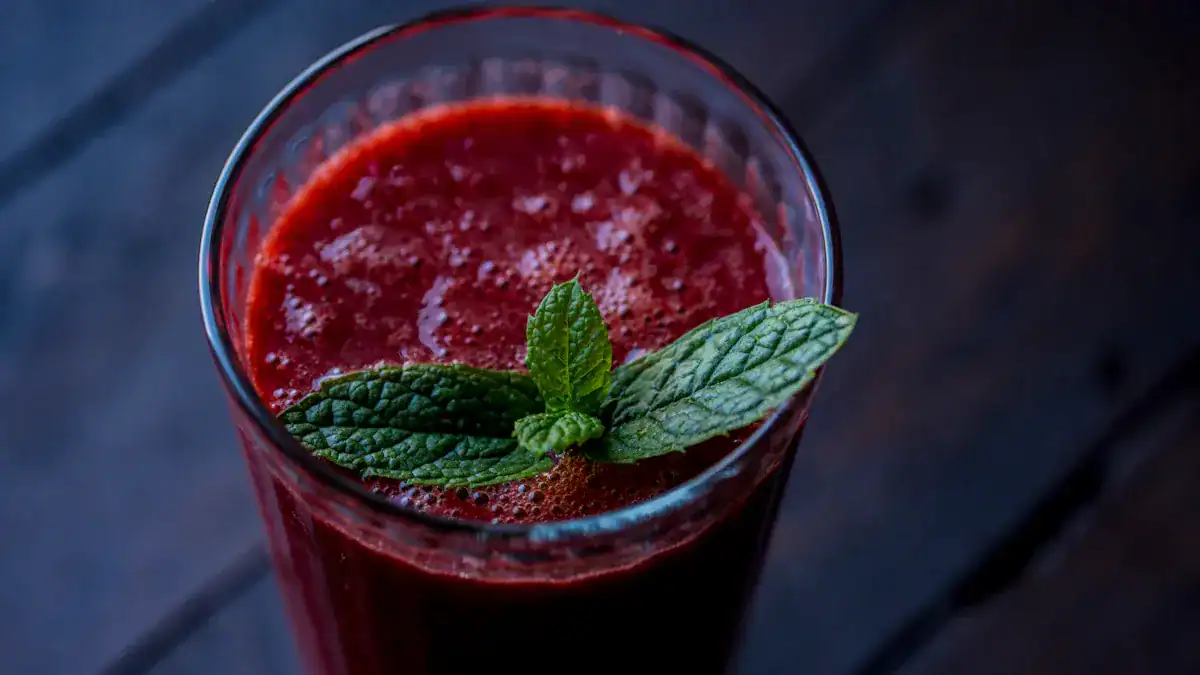
Integrating beets into your daily meals is simple. You can blend cooked and peeled beets with berries, bananas, honey, and Greek yogurt for a healthy beetroot smoothie. For a savory option, blend roasted or steamed beets with chickpeas, olive oil, tahini, garlic, and salt to make beetroot hummus. This makes a colorful and nutritious dip. You can also make beetroot juice. Blend beets with other fruits and vegetables like carrots, oranges, or mint. This creates a refreshing, nutrient-dense drink. For breakfast or lunch, grate beets and mix them with wheat flour, spices, and herbs to make a vibrant beetroot paratha. Beetroot powder offers a convenient option. You can add it to drinks or use it in baking. This helps you get the benefits of beets without much effort.
Side Effects and Precautions
## Side Effects and Precautions

### Common Concerns
You might notice a surprising color change after eating beets. Your urine or stool can turn red or pink. This harmless phenomenon is called beeturia. It happens because of the pigments in beets. You do not need to worry if this occurs. Among people who use dietary nitrate supplements, a small number experience this. For example, in one study, 3 out of 154 individuals reported beeturia. This shows it is not very common, but it is normal.

### Who Should Be Cautious
While beets offer many benefits, some people need to be careful. Beets contain a high amount of oxalate. One cup of beetroot has 152 milligrams of oxalate. This makes it one of the vegetables with the highest oxalate content. If you are prone to kidney stones, you should be cautious. You can still enjoy beets, but consider these tips:
*   Boil or ferment beets: Boiling and discarding the water can reduce oxalate levels by up to 60%. Fermentation also lowers oxalate content.
*   Pair with calcium-rich foods: Eating beets with foods like yogurt or cheese helps bind oxalates in your gut. This prevents them from reaching your kidneys.
*   Watch portion sizes: Moderate intake is best. Avoid daily consumption or combining beets with other high-oxalate foods.
*   Stay hydrated: Drink 2-3 liters of fluids daily. This helps dilute urine and flush out oxalates.
*   Limit salt: A low-sodium diet is recommended.
*   Avoid combining with other high-oxalate foods: Do not pair beets with items like spinach or sweet potatoes in the same meal.

You should also talk to your doctor if you take medication for high blood pressure. Beets can lower your blood pressure. Combining beet juice with blood pressure medication might lower your blood pressure excessively. Your doctor can advise you on this. Symptoms of excessively low blood pressure include dizziness, blurry vision, or fainting. Seek medical help if severe symptoms do not improve.
You have explored 7 amazing beetroot benefits. These include enhanced athletic performance, lower blood pressure, and improved heart health. Beets also fight inflammation, boost brain function, aid digestion, and promote detoxification. This versatile superfood helps with weight management too. You can easily incorporate beetroot into your meals. Experiment with different ways to enjoy these incredible beetroot benefits. Take charge of your well-being through simple dietary changes. Embrace the power of beetroot benefits for a healthier you.