Shoulder pain disrupts your daily life. It is very common. Between 5% and 47% of adults worldwide experience shoulder pain each year. This discomfort limits your movement. It can make simple tasks hard. Acupressure offers a natural and accessible solution. It is an easy fix for your pain. Acupressure works by stimulating specific points on your body. This helps to relieve tension and pain. This post will show you 5 easy-to-use Acupressure Points In Shoulder For Pain Relief. These points offer quick and effective relief.
Key Takeaways
Acupressure uses finger pressure on specific body points. This helps relieve shoulder pain by balancing your body’s energy and improving blood flow.
Five key acupressure points can ease shoulder pain. These points are GB21, LI15, SI11, TE14, and SI3. Each point targets different types of shoulder discomfort.
Acupressure reduces swelling and stiffness. It also helps you move your arm more freely. This method can make daily tasks easier.
Acupressure promotes relaxation and reduces stress. It helps your body release feel-good chemicals. This improves your overall well-being.
Apply firm, steady pressure to acupressure points for 30 seconds to 3 minutes. Do this regularly for the best results. See a doctor if your pain is severe or does not go away.
Acupressure for Shoulder Pain: The Basics

What Is Acupressure
Acupressure is an ancient healing art. It uses your fingers to press key points on the surface of your skin. These points stimulate your body’s natural self-curative abilities. Acupressure originated in ancient China.
It is part of traditional Chinese medicine. Early writings about it appeared hundreds of years before the Common Era. The Huangdi Neijing, or Yellow Emperor’s Classic of Internal Medicine, describes an organized system of diagnosis and treatment. This book dates from about 100 BCE. Some theories suggest an Indian origin around 560 BCE. A Buddhist monk may have brought it to China. Acupressure is a non-invasive method. You can use it to ease many types of pain.
How Acupressure Relieves Pain
Acupressure works by balancing your body’s energy. Traditional Chinese medicine calls this energy “Qi” (pronounced “chee”). Qi flows through pathways in your body called meridians. When you feel pain, it often means your Qi flow is blocked. Applying pressure to specific points helps to clear these blockages. This restores the smooth flow of Qi.
When you press on Acupressure Points In Shoulder For Pain Relief, you stimulate nerves and muscles. This action releases natural pain-relieving chemicals in your body. These chemicals include endorphins. Acupressure also improves blood circulation. It reduces muscle tension. This process promotes relaxation. It helps your body heal itself. You can feel less pain and more comfort.
5 Key Acupressure Points In Shoulder For Pain Relief
You can find relief from shoulder pain by pressing specific points. These Acupressure Points In Shoulder For Pain Relief are easy to locate and use. Here are five key points to help you.
Point 1: GB21 (Jian Jing) – Shoulder Well
GB21: Location
To find GB21, you will locate the highest point of your shoulder. It sits midway between the base of your neck and the tip of your shoulder. You can find it by pinching the large muscle on your shoulder. This point is right in the middle of that muscle.
GB21: Pain Relief Focus
This point is very helpful for many types of pain. It eases headaches and tight muscles in your neck. It also helps with stiff necks and limited arm movement. You can use it for general shoulder pain. It is good for occipital headaches, which are headaches at the back of your head. It also helps with tight trapezius muscles, which run from your neck to your shoulders. GB21 is widely used in clinics. It treats shoulder pain, back pain, and other arm conditions. A study showed that pressing GB21 greatly relieved shoulder-back pain in 90% of patients. This was much better than not using an acupoint.
GB21: How to Apply Pressure
Use your thumb and index finger. Pinch the muscle where you found the point. Apply firm, steady pressure. Hold this pressure for 30 seconds to 1 minute. You can repeat this several times throughout the day.
Point 2: LI15 (Jian Yu) – Shoulder Bone
LI15: Location
To find LI15, raise your arm out to the side. You will see two depressions on your shoulder. LI15 is in the front depression, just below the acromion bone.
LI15: Pain Relief Focus
LI15 targets many shoulder problems. It helps with shoulder disorders and rotator cuff injuries. It is very effective for frozen shoulder, also known as adhesive capsulitis. If you have trouble moving your arm, LI15 can improve your range of motion. It also helps with general shoulder pain. This point is often used for frozen shoulder. It is located near parts of the shoulder that get inflamed. Pressing LI15 can improve blood flow in your shoulder. It also helps reduce pain. Many studies show that LI15 helps improve movement and lessen pain.
LI15: How to Apply Pressure
Use your thumb or middle finger. Apply deep, firm pressure to the point. While pressing, gently move your arm in small circles. Continue this for 1 to 2 minutes.
Point 3: SI11 (Tian Zong) – Celestial Gathering
SI11: Location
SI11 is on your shoulder blade. Feel for the lower part of the spine of your scapula (shoulder blade). SI11 is in the middle of the infraspinous fossa, which is the flat area below that spine. It is about one-third of the way down from the top of your shoulder blade.
SI11: Pain Relief Focus
This point is excellent for pain in your shoulder blade. It helps with deep shoulder aches and limited arm rotation. If you have frozen shoulder pain, SI11 can provide relief. It also helps with upper back pain. This point is known to help with breast issues like mastitis or low milk supply. SI11 is located in the infraspinatus muscle. It matches common trigger points in that muscle. Stimulating SI11 can ease shoulder pain and improve arm movement. A clinical study showed that acupuncture at SI11 had a 98.3% success rate for shoulder periarthritis.
SI11: How to Apply Pressure
Use your thumb or middle finger. Apply firm, steady pressure to the point. You can also lean against a wall with a tennis ball placed on the point. Hold the pressure for 1 to 2 minutes.
Point 4: TE14 (Jian Liao) – Shoulder Crevice
TE14: Location
TE14 is on the back of your shoulder. Raise your arm out to the side. You will see a depression just behind the shoulder joint. TE14 is in this depression.
TE14: Pain Relief Focus
TE14 addresses many shoulder joint issues. It helps with frozen shoulder, general shoulder pain, and a “stuck” shoulder. It can reduce shoulder stiffness and inflammation. This point improves your shoulder’s range of motion. It also helps with shoulder arthritis and impingement. If you feel tension from carrying laptops or using a keyboard for a long time, TE14 can help. It eases pain and heaviness in your shoulder and upper arm.
TE14: How to Apply Pressure
Use your thumb or middle finger. Apply firm pressure to the point. While pressing, gently move your arm. Hold the pressure for about 1 minute.
Point 5: SI3 (Hou Xi) – Back Stream
SI3: Location
SI3 is on the side of your hand. Make a loose fist. Look at the edge of your hand, just behind your pinky finger knuckle. SI3 is in the crease of the skin there.
SI3: Pain Relief Focus
This point is effective for neck pain and shoulder stiffness. It also helps with tension headaches. SI3 is useful for neck issues, especially those related to your cervical spine. Contralateral acupuncture (CAT) uses SI3. This technique is very good for acute pain on one side of the body, including shoulder pain. Research suggests SI3 can help with chronic shoulder pain.
SI3: How to Apply Pressure
Use your thumb or index finger. Apply firm pressure to the point. You can also gently move your wrist while pressing. Hold the pressure for 30 seconds to 1 minute.
Benefits of Acupressure for Shoulder Pain
Acupressure offers more than just quick pain relief. It provides broader advantages for your shoulder discomfort. You can experience lasting improvements in your overall well-being.
Reducing Inflammation and Stiffness
Acupressure helps your body reduce inflammation. It stimulates specific points. This action leads to the release of natural pain-relieving chemicals. These chemicals also help reduce swelling. Auricular Point Acupressure (APA) is one method. It stimulates acupoints. This releases beta-endorphin. Beta-endorphin can trigger anti-inflammatory cytokines.
These cytokines contribute to long-term anti-inflammatory effects. Studies show acupressure can increase certain anti-inflammatory markers. It also decreases pro-inflammatory ones. For example, it reduces cytokines like IL-8 and TNF-α. Acupressure also helps your body manage stiffness. It improves blood flow. This relaxes tight muscles. One study found acupressure significantly reduced pain and physical dysfunction in older adults with knee osteoarthritis. While some exercises might be more effective for severe stiffness, acupressure still plays a key role. It reduces overall discomfort and helps your joints feel better.
Improving Range of Motion
Shoulder pain often limits your movement. Acupressure can help you move your arm more freely. When you apply pressure to Acupressure Points In Shoulder For Pain Relief, you release muscle tension.
This allows your joints to move with less restriction. It also improves circulation to the affected area. Better blood flow brings nutrients and oxygen. This helps your muscles and tissues heal. Regular acupressure can gradually increase your shoulder’s flexibility. You will find it easier to lift your arm. You can also rotate your shoulder with less effort. This makes daily tasks much simpler.
Promoting Relaxation and Stress Relief
Acupressure also calms your mind. It reduces stress. It stimulates acupoints. This leads to neuro-hormonal responses in your body. Acupressure can counteract the effects of stress hormones. It reduces cortisol overproduction. This helps induce a relaxation response.
It also increases endorphin and serotonin. These are feel-good chemicals in your brain. They make you feel more relaxed. Acupressure can even help you breathe better. It activates acupoints. This stimulates your hypothalamus and pituitary gland. They release β-endorphins. These have analgesic and sedative effects. Acupressure promotes relaxation. It decreases tissue adhesion. It also increases parasympathetic nerve activity. This helps your body rest and digest. You will feel a greater sense of well-being.
Self-Application Tips for Acupressure
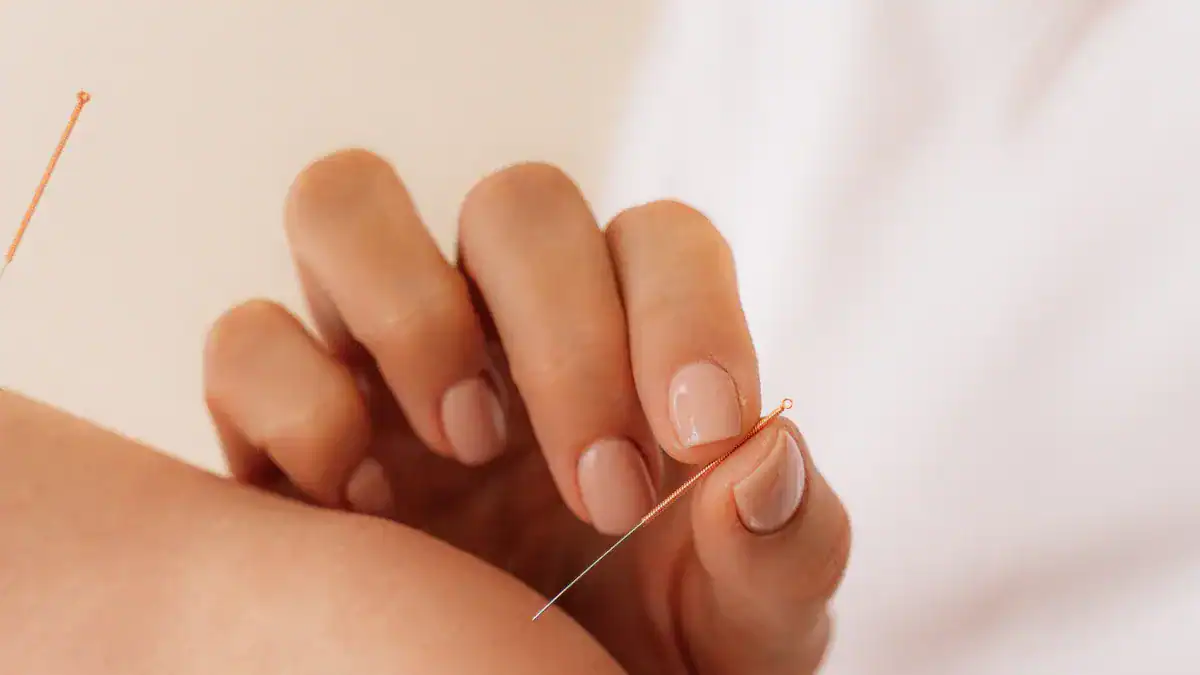
You can effectively and safely perform acupressure on yourself. Follow these practical tips.
Proper Pressure Techniques
Applying the right amount of pressure is key. You should use firm, steady pressure. Maintain this pressure for 30 seconds to three minutes. Some people find five seconds to 15 minutes works for them.
Test what feels comfortable and effective for you. A slight soreness or sensitivity means you found the correct spot. However, never press so hard that you cause bruising or pain. A mild ache is acceptable. You can apply pressure for one to two minutes while taking deep, slow breaths. This continuous stimulus can help decrease pain levels. Avoid excessive stimulation. Do not use improper manual techniques. These can lead to adverse reactions.
Consistency for Best Results
Regular practice brings the best results. Acupressure is not a one-time fix. Incorporate it into your daily routine. You can do it a few times a day. This helps maintain the flow of Qi.
It keeps your muscles relaxed. Consistent application helps your body heal over time. Make it a habit. You will notice lasting comfort and well-being.
When to Consult a Professional
Acupressure is a great self-care tool. However, it is not a substitute for professional medical advice. You should consult a healthcare provider if your pain is severe or persists. Do this if it lasts longer than one to two weeks despite home care. Seek medical help if you experience:
Shoulder pain with chest pain or difficulty breathing. This needs emergency care.
Persistent or severe shoulder pain.
Weakness in your shoulder. This makes daily tasks difficult.
Limited range of motion.
Crackling or popping sensations in your shoulder.
Pain that keeps you from sleeping well.
Swelling, redness, or warmth around the joint.
Pain after an injury, like a fall.
Numbness, tingling, or weakness in your arm or hand.
An obvious abnormality or deformity.
Also, be aware of contraindications. If you are pregnant, avoid certain points like LI 4 and GB 21. These points may induce labor. If you have specific medical conditions or wounds, exercise caution. Do not apply pressure on wounded areas. Always listen to your body.
You now have 5 easy and effective acupressure points. They relieve shoulder pain. These self-care techniques empower you. They offer accessible “easy fixes.” Incorporate these methods daily. You will find sustained comfort and well-being. Always listen to your body. Seek professional medical advice if pain persists, worsens, or shows other concerning symptoms.