

Many people ask, “Is baking soda mouthwash safe and effective?” This simple solution, often used for baking soda and oral care, can offer benefits when used correctly. However, potential risks exist if misused. This article explores its benefits, provides a recipe for a bicarbonate of soda mouthwash, and outlines its dangers. Understanding its safety and proper application is key. Always consult a dental professional for personalized oral health advice before incorporating any new mouthwash into your routine. This ensures optimal oral health.
Key Takeaways
Baking soda mouthwash helps fight bad bacteria in your mouth. It makes your mouth less acidic.
This mouthwash can make your breath fresh. It also helps prevent gum problems and cavities.
You can easily make baking soda mouthwash at home. Mix one teaspoon of baking soda with one cup of warm water.
Do not use baking soda mouthwash too much. It can hurt your tooth enamel or irritate your mouth.
Always talk to your dentist before using baking soda mouthwash. It should not replace brushing and flossing.
Benefits of Baking Soda Mouthwash

Baking soda offers several notable benefits for oral hygiene. Its alkaline nature helps neutralize acids and control odors in the mouth. Understanding these positive aspects helps people make informed choices about their oral care routine.
Fights Oral Bacteria
Baking soda, or sodium bicarbonate, creates an environment where harmful oral bacteria struggle to survive. Many bacteria that cause dental problems thrive in acidic conditions. When you use a baking soda mouth rinse, it raises the pH level in your mouth. This shift makes the environment less hospitable for these acid-loving bacteria. This action helps reduce their numbers.
Reduces Plaque Acidity
Plaque constantly forms on teeth. Bacteria within plaque produce acids, especially after eating sugary or starchy foods. These acids attack tooth enamel. A bicarbonate of soda mouthwash effectively neutralizes these acids. The bicarbonate ions in the solution react with the acids, reducing their harmful effects. This neutralization protects tooth surfaces from acid erosion.
Freshens Breath
Bad breath often comes from volatile sulfur compounds. These compounds are byproducts of bacteria in the mouth. Baking soda helps eliminate these odors. It does not just mask them. The bicarbonate directly neutralizes the acidic compounds that cause bad breath. This provides a genuine and lasting fresh feeling.
Helps Prevent Gingivitis
Gingivitis is an early form of gum disease. It causes inflammation and bleeding of the gums. Bacteria and plaque buildup are the main causes of gingivitis. The efficacy of baking soda in reducing oral bacteria and neutralizing acids contributes to healthier gums. Regular use of a bicarbonate of soda mouthwash can help prevent gingivitis by controlling the bacterial load and reducing irritation. This supports overall oral health.
Teeth Whitening Potential
Baking soda has mild abrasive properties. This allows it to gently scrub away surface stains from teeth. These stains often come from coffee, tea, or certain foods. While it does not change the natural color of teeth, it can make them appear brighter. This is a cosmetic benefit many people appreciate. It helps maintain a whiter smile.
Cavity Prevention
Acids produced by bacteria lead to tooth decay and cavities. By neutralizing these acids, baking soda plays a role in cavity prevention. It creates a less acidic environment in the mouth. This makes it harder for bacteria to produce the acids that erode enamel. Regular use helps to prevent cavities by protecting the tooth structure. This contributes significantly to long-term oral health.
When to Use Baking Soda Mouthwash
People can use a bicarbonate of soda mouthwash in specific situations. It offers several benefits for various oral health concerns. This simple solution helps treat oral health issues effectively.
For Mouth Sores and Irritations
Baking soda provides relief for mouth sores and minor irritations. Its alkaline nature helps soothe inflamed tissues. It also creates an environment less favorable for bacterial growth. This can aid in the healing process. People often find comfort using it for canker sores or general mouth discomfort.
For Bad Breath Relief
A baking soda mouth rinse is excellent for combating bad breath. It neutralizes the acidic compounds that cause unpleasant odors. Unlike some commercial mouthwash products that only mask smells, bicarbonate actively eliminates them. This provides a fresh feeling.
For Oral Sensitivity
Some individuals experience oral sensitivity. This can happen due to various factors. A gentle bicarbonate of soda mouthwash can help. It does not contain harsh chemicals. This makes it a mild option for sensitive mouths. It helps maintain good oral health without causing further irritation.
During Pregnancy and Breastfeeding
Pregnant and breastfeeding individuals often seek natural oral care options. Many avoid harsh chemicals found in commercial mouthwash products. Baking soda offers a safe alternative. It helps manage common oral changes during these periods. It supports overall oral health without concerns about chemical exposure.
After Oral Procedures
Dentists sometimes recommend a gentle rinse after minor oral procedures. This includes tooth extractions or gum treatments. A baking soda mouthwash can be a good choice. It helps keep the area clean. It also reduces inflammation. The bicarbonate promotes a healthy healing environment.
Baking Soda Mouthwash Recipe
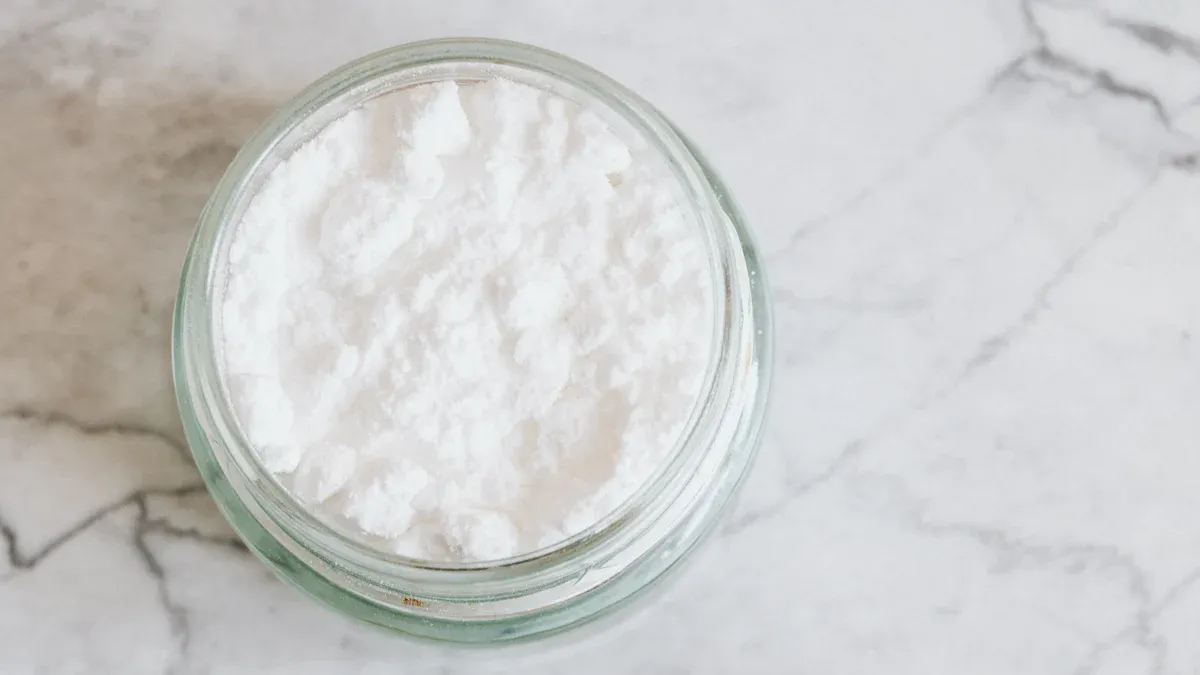
Making your own baking soda mouthwash is simple. This section provides clear instructions. You will learn what you need and how to prepare and use it.
Simple Ingredients Needed
Making a homemade bicarbonate of soda mouthwash requires only two common items. You need baking soda, which is chemically known as sodium bicarbonate. This common household product is readily available. You also need water. For optimal results, use distilled or filtered water. This choice helps avoid any impurities or chlorine found in regular tap water. Using clean water ensures the purity of your homemade mouthwash.
Step-by-Step Preparation
This simple recipe creates an effective baking soda mouthwash. Follow these clear steps for preparation:
Measure one teaspoon (approximately 5 grams) of baking soda. Precision helps maintain the correct concentration.
Add the measured baking soda to one cup (8 ounces or about 240 milliliters) of warm water. Warm water helps the powder dissolve more easily.
Stir the mixture thoroughly. Ensure the bicarbonate completely dissolves into the water. The solution should appear clear and free of any gritty particles. This safe bicarbonate of soda recipe is now ready for immediate use.
Proper Usage and Storage
Use this homemade mouthwash after your regular brushing and flossing routine. Take a comfortable mouthful of the prepared solution. Swish it around your entire mouth for 30 to 60 seconds. This allows the bicarbonate to work effectively. Then, spit the solution out completely. It is important not to swallow the mouthwash. People can use this baking soda mouth rinse once or twice daily, depending on their oral health needs.
Homemade baking soda mouthwash lacks the preservatives found in commercial rinses. This means it has a shorter shelf life. The baking soda itself can convert to sodium carbonate after a few days at room temperature. While sodium carbonate remains alkaline, baking soda is generally considered a gentler ingredient for oral use. To ensure maximum freshness and efficacy, mix only enough solution to last 3-4 days. However, some individuals find it convenient to prepare a larger batch that lasts for one to two weeks. Store any leftover solution in a clean, airtight container. Keep it in a cool, dark place or at room temperature. Label the container with the preparation date.
Dangers of Baking Soda Mouthwash
While a bicarbonate of soda mouthwash offers many benefits, people must understand its potential downsides. Incorrect use or overuse can lead to negative consequences for oral health. This section explores the risks associated with using baking soda for oral hygiene.
Potential Enamel Erosion
Baking soda is a mild abrasive. Its particles can gently scrub away surface stains. However, excessive or vigorous use can potentially wear down tooth enamel over time. Enamel is the hard, protective outer layer of teeth. Once enamel erodes, it does not grow back. This erosion makes teeth more sensitive. It also increases the risk of developing cavities. The abrasive nature of bicarbonate requires careful application.
Risks of Overuse
Using a baking soda mouth rinse too often can disrupt the natural balance of the mouth. The mouth contains a delicate ecosystem of bacteria. Some bacteria are beneficial. Overuse can lead to dry mouth. It can also irritate soft tissues like gums and the inner cheeks. This irritation can worsen existing conditions like gingivitis. It can also make the mouth more susceptible to other problems. Too much use can also contribute to the formation of cavities by altering the mouth’s natural defenses.
When to Avoid Use
Certain situations require people to avoid using a bicarbonate of soda mouthwash. Individuals with very sensitive teeth should use caution. People with existing gum disease or severe gingivitis should consult a dentist first. The mouthwash might irritate already inflamed tissues. Also, if someone experiences persistent dry mouth, baking soda can worsen this condition. Always seek professional dental advice if you have concerns about your oral health.
Interactions with Dental Work
Baking soda can interact with some dental materials. For example, it might affect the bonding of certain dental restorations. This includes fillings, crowns, or orthodontic braces. The abrasive action of bicarbonate could potentially scratch or dull the surface of these materials. It might also weaken the bond over time. People with extensive dental work should discuss using baking soda with their dentist. This prevents damage to expensive treatments.
Safety for Children
Generally, dentists do not recommend baking soda mouthwash for young children. Children might accidentally swallow the solution. Ingesting too much baking soda can cause stomach upset. It can also lead to other health issues. Children’s teeth and gums are also more delicate. They require gentler care. Always prioritize the safety of children. Consult a pediatric dentist before introducing any new oral care product to a child’s routine.
Baking Soda vs. Commercial Mouthwash
People often compare homemade oral care solutions with store-bought products. Understanding the differences helps individuals make informed choices for their oral health. This comparison focuses on cost, ingredients, and effectiveness.
Cost-Effectiveness
Many people consider making a homemade bicarbonate of soda mouthwash to save money. However, this is often not the case. Commercial mouthwash products are generally inexpensive. The cost of ingredients for DIY versions can be comparable to purchasing ready-made options. Therefore, significant cost savings might not occur.
Ingredient Transparency
Homemade solutions offer clear ingredient transparency. A bicarbonate of soda mouthwash contains only baking soda and water. Commercial mouthwashes, however, often contain many active ingredients. These ingredients aim to fight bacteria, reduce plaque, or freshen breath.
Category | Active Ingredients |
|---|---|
Commercial Mouthwashes (OTC) | Eucalyptol, Menthol, Peppermint, Methyl salicylate, Clove oil, Thymol, Tea tree oil, Aloe vera, Chlorhexidine, Cetylpyridinium chloride, Propolis, Charcoal, Seaweed extracts, Probiotics (Lactobacillus, Bifidobacterium, Bacillus, Saccharomyces) |
Baking Soda (Sodium Bicarbonate) | Sodium bicarbonate |
This table shows the difference. The simple nature of bicarbonate appeals to some users.
Efficacy Differences
Commercial mouthwashes often contain specific antiseptic agents. These agents target a broad range of oral bacteria. They provide targeted benefits like germ killing or fluoride delivery. A baking soda mouth rinse works primarily by neutralizing acids. It also creates an unfavorable environment for acid-loving bacteria. This action helps maintain a balanced oral pH. However, evidence for the clinical effectiveness of bicarbonate in general oral care is limited. Some studies suggest benefits for conditions like oral mucositis. More research is necessary to confirm broader efficacy for overall oral health. Commercial mouthwashes often have more established research supporting their specific claims and mechanisms of action. The simple bicarbonate solution offers a different approach to oral hygiene.
Bicarbonate of soda mouthwash offers benefits for oral hygiene, fighting bacteria, and preventing cavities. Always follow recipe and usage guidelines carefully for any homemade mouthwash. Understand potential dangers and side effects. Consult a dentist before incorporating this bicarbonate solution into your routine, especially with existing dental concerns. It supplements regular brushing and flossing for overall oral health, not replaces them.