
You likely see carrots often, perhaps in salads or as a simple snack. These everyday vegetables possess surprising power for your body. Many wonder, “are carrots good for you?” Absolutely, these humble carrots pack a significant nutritional punch. Carrots boost your immune system and support heart health, for instance. This rich carrot nutrition offers many advantages. This article explores seven amazing health benefits of carrots.
Key Takeaways
Carrots help your eyes. They have vitamin A. This vitamin keeps your vision strong and helps you see at night.
Carrots are good for your heart. They help manage cholesterol and blood pressure. This keeps your heart healthy.
Carrots make your immune system stronger. They have antioxidants. These help your body fight off sickness.
Carrots help your digestion. They have fiber. Fiber keeps you regular and helps your gut stay healthy.
Carrots can lower cancer risk. They have special compounds. These compounds protect your cells from damage.
Boosts Eye Health

Carrots are truly good for your eyes. They contain powerful nutrients that protect your vision. Eating carrots regularly helps maintain excellent eye health. These vegetables are packed with compounds essential for your eyes.
Vision Support
Carrots are rich in vitamin A and beta-carotene. Your body converts beta-carotene into vitamin A. This vitamin is crucial for maintaining healthy vision. It helps your eyes function correctly. Yellow carrots also contain lutein, which supports vision and brain health. Red carrots offer lycopene, a strong antioxidant. You need enough vitamin A for optimal vision.
Group | Recommended Daily Intake (mcg) |
|---|---|
Men | 900 |
Women | 700 |
Children/Adolescents | 300–600 |
Macular Degeneration Protection
Carotenoids, like the beta-carotene in carrots, help protect your eyes. They may prevent age-related macular degeneration (AMD). AMD is a common cause of vision loss. Studies show a clear link:
Higher consumption of beta-carotene reduces the risk of advanced AMD by 25% to 35%.
Research, including the AREDS study, shows that beta-carotene helps slow AMD progression.
The Rotterdam study found that eating more beta-carotene lowers AMD risk in older adults.
Enhanced Night Vision
Carrots are famous for improving night vision. This benefit comes from their high beta-carotene content. Your body changes beta-carotene into vitamin A. Vitamin A is vital for forming rhodopsin. Rhodopsin is a light-sensitive pigment in your eye cells. It helps your eyes see in low light. A lack of vitamin A can make it hard to see at night. Eating carrots helps ensure you have enough vitamin A for clear night vision.
Supports Heart Health
Carrots are good for your heart. They contain nutrients that actively work to keep your cardiovascular system strong. Eating carrots regularly can help your heart stay healthy.
Cholesterol Management
Carrots can help you manage your cholesterol levels. Phenolic compounds in carrots are powerful antioxidants. They can decrease both total and LDL cholesterol. These compounds also stop LDL oxidation, which is a key factor in heart disease. While one human study on carrot juice did not show changes in LDL cholesterol, other research highlights benefits.
For example, a study on rats showed that eating carrots significantly decreased liver cholesterol by 44%. It also lowered liver triglycerides by 40%. This suggests that carrot consumption changes how your body absorbs cholesterol. This can be very beneficial for your heart.
Blood Pressure Regulation
Carrots also help regulate your blood pressure. This is crucial for a healthy heart. A study on mice showed that carrot supplements significantly lowered systolic, diastolic, and mean arterial blood pressure. Carotenoids and polyphenols in carrots cause this effect. They reduce oxidative stress and increase nitric oxide in your body. A human study reported that carrot juice contributed to a 5% reduction in systolic blood pressure. Another study indicated that eating more carotenoids links to a lower risk of high blood pressure.
Cardiovascular Protection
You can protect your heart with the antioxidants found in carrots. Carrots contain carotenoids, which link to a lower risk of coronary heart disease and ischemic heart disease. These compounds also reduce inflammation in your body. Carrots also provide vitamins C and E, which are general antioxidants. Phenolic compounds in carrots offer even more protection. They inhibit LDL oxidation and prevent platelet aggregation. These compounds also decrease total and LDL cholesterol. They help relax your blood vessels. This reduces oxidative DNA damage, increases plasma antioxidants, and lowers inflammation. All these actions help your heart stay healthy. Eating carrots can help your heart in many ways.
Strengthens Immune System
You can give your body a powerful defense boost by eating carrots. These vegetables contain many compounds that actively support your immune system. They help your body fight off illness and stay healthy.
Immune Function Boost
Carrots actively enhance your immune response. When you consume carrots, your body stimulates the secretion of IL-15. This cytokine is vital for both your innate and adaptive immune systems. It plays a central role in inflammatory and protective immune responses against pathogens.
This immunostimulating effect of IL-15 improves your overall immune response. It helps prepare your body to prevent lifestyle diseases. Studies also show that IFN-γ increases during LPS stimulation and after carrot intake. IFN-γ is known for its immunostimulating effects.
This confirms that carrots boost the immune system. Carrot juice intake also modulates the secretion of certain cytokines. This happens both under normal conditions and when you have inflammation. This shows its potential to influence immune responses. The analysis of protein-protein interactions suggests immunomodulatory and immunostimulating benefits. Specifically, you see an increase in IL-15 levels in plasma after carrot juice intake. You also find heightened levels of certain pro-inflammatory and anti-inflammatory cytokines in LPS-stimulated samples. This indicates an activation of your innate immune response. This may help reduce acute inflammation and prevent diseases.
Antioxidant Defense
Carrots are full of antioxidants that protect your immune cells. Carotenoids like beta-carotene, lutein, and zeaxanthin act as antioxidants. They remove free radicals. These are highly reactive molecules that can damage cellular structures. They can also weaken your immune system.
This reduction in oxidative stress improves how your immune system works. It protects your immune cells. This ensures their survival and functionality during an immune response.
White Blood Cell Support
Carrots also support your white blood cells. Beta-carotene, a provitamin A compound, contributes to adaptive immunity. It converts to vitamin A in your body. Vitamin A is crucial for the development and differentiation of T and B lymphocytes. These are key components of your immune system.
It also helps maintain the health of your skin, mucous membranes, and epithelial tissues. Carotenoids, including beta-carotene, inhibit the activation of NF-κB. This signaling pathway triggers the production of pro-inflammatory mediators. These include cytokines, chemokines, and adhesion molecules.
By suppressing NF-κB, carrot antioxidants reduce inflammation. They also reduce the recruitment of immune cells to inflamed tissues. Carrot root constituents also reduce oxidative stress. They do this by scavenging free radicals. They also boost your body’s antioxidant defense mechanisms. These include superoxide dismutase (SOD) and catalase. These actions help your white blood cells function effectively.
Aids Digestive Health
You can significantly improve your digestive system by eating carrots. These root vegetables offer powerful benefits for your gut. They help your body process food efficiently and maintain a healthy internal environment.
Fiber for Regularity
Carrots are an excellent source of dietary fiber. This fiber is crucial for a healthy digestive system. For example, two small-to-medium raw carrots (100 grams) contain 2.7 grams of fiber. A single medium-sized carrot (61 grams) provides 1.9 grams of fiber. This fiber helps you avoid constipation.
Insoluble fiber adds bulk to your stool. It also speeds up its movement through your intestines. This action helps prevent constipation. Soluble fiber ferments in your gut. This process creates short-chain fatty acids. These acids nourish your colon cells. They also foster a healthy gut microbiome.
This combined action of carrot fiber supports regular bowel movements. It also improves stool consistency. This is how carrots help with constipation. Fiber can also solidify loose stools by absorbing water. This maintains stool bulk and promotes bowel health.
Gut Microbiome Support
Carrots also support a healthy gut microbiome. This is the community of beneficial bacteria in your intestines. A study in Metabolites (December 2024) looked at carrot-derived rhamnogalacturonan-I (cRG-I).
Researchers found that cRG-I consistently promoted indole-3-propionic acid (IPA) production. This happened even at a low dose. This increase in IPA correlated with more Bifidobacterium longum levels. This shows that cRG-I from carrots modulates your gut microbiome. It helps convert tryptophan into IPA. IPA offers health benefits for your gut and other organs.
Nutrient Absorption
A healthy digestive system absorbs nutrients better. The fiber in carrots helps maintain a balanced gut. This balance creates an optimal environment for nutrient absorption. When your gut works well, your body can take in more vitamins and minerals from the food you eat. This means you get more benefit from your entire diet.
Reduces Cancer Risk
You can actively work to lower your risk of cancer by including carrots in your diet. These vibrant vegetables contain powerful compounds that protect your body at a cellular level.
Carotenoid Antioxidants
Carrots are rich in carotenoids, which are strong antioxidants. These compounds help fight cancer. A large study of over 57,000 Danish citizens found that eating raw carrots reduced your risk of colorectal cancer. This study also showed a lower chance of lung cancer and pancreatic cancer. Overall, eating more carrots links to a decreased cancer risk. Another review of 50 studies confirmed that carrot consumption significantly lowers your overall cancer risk. Higher carrot intake leads to a greater reduction in risk.
Specific carotenoids in carrots fight cancer cells:
Alpha-carotene: This carotenoid stops human prostate cancer cells from growing. It also prevents liver cancer cells from spreading.
Beta-carotene: This compound reduces the growth of prostate and breast cancer cells. It can trigger cancer cell death and interfere with pathways that help cancer grow.
Anti-Inflammatory Properties
Carrots also offer anti-inflammatory benefits. Chronic inflammation can contribute to cancer development over time. The antioxidants and other compounds in carrots help reduce inflammation throughout your body. This anti-inflammatory action supports your body’s natural defenses against cancer.
Cellular Protection
Carrot nutrients protect your cellular DNA from damage. Beta-carotene and vitamin C are key players here. A study involving smokers showed that drinking carrot juice significantly decreased DNA damage in their immune cells. These nutrients work by neutralizing free radicals. Free radicals are harmful molecules that can damage your cells and DNA. By protecting your DNA, carrots help prevent mutations that can lead to cancer.
Promotes Skin Health

You can achieve healthy, glowing skin by eating carrots. These vibrant vegetables offer many benefits for your complexion. The vitamins, minerals, and antioxidants in carrots work together to improve your skin health.
Radiant Complexion
Carrots help you get a radiant complexion. They provide essential nutrients that nourish your skin from the inside out. These nutrients contribute to a healthy glow. You will notice your skin looks brighter and more vibrant.
Antioxidant Skin Defense
Carrots give your skin strong antioxidant defense. Antioxidants, like beta-carotene, lutein, and lycopene, fight harmful free radicals. These free radicals damage your skin cells. They cause oxidative stress. Eating carrots helps neutralize these damaging molecules. This protects your skin from environmental factors like pollution and UV radiation.
Carrot glycoprotein also shows antioxidative effects. It helps eliminate reactive oxygen species. This protects your cell membranes. This action makes it an anti-aging agent for skin exposed to solar ultraviolet light. Beta carotene from carrots helps prevent oxidative stress. This reduces visible signs of aging caused by sun exposure.
Vitamin A for Skin Repair
Carrots are rich in vitamin A, which is vital for skin repair. Your body converts beta-carotene into vitamin A. This vitamin promotes cell turnover. It helps shed old skin cells and create new ones.
This process leads to smoother skin. It also diminishes age spots and reduces fine lines. Vitamin A, in the form of retinol, stimulates collagen production. Collagen keeps your skin elastic and firm. This helps reduce wrinkles. Beta-carotene also protects your skin against damage. This deep repair strengthens your skin’s barrier. This is how vitamin A from carrots improves skin health.
Assists Weight Management
You can effectively manage your weight by including carrots in your diet. These vegetables offer a great way to feel full without consuming many calories. They are a smart choice for anyone watching their weight.
Low Calorie, High Fiber
Carrots are an excellent food for weight management because they are low in calories and high in fiber. This combination helps you feel satisfied. For example, 100 grams of carrots contain only 41 calories. This makes them a much lighter option compared to many other foods. Look at how carrots compare to other common vegetables:
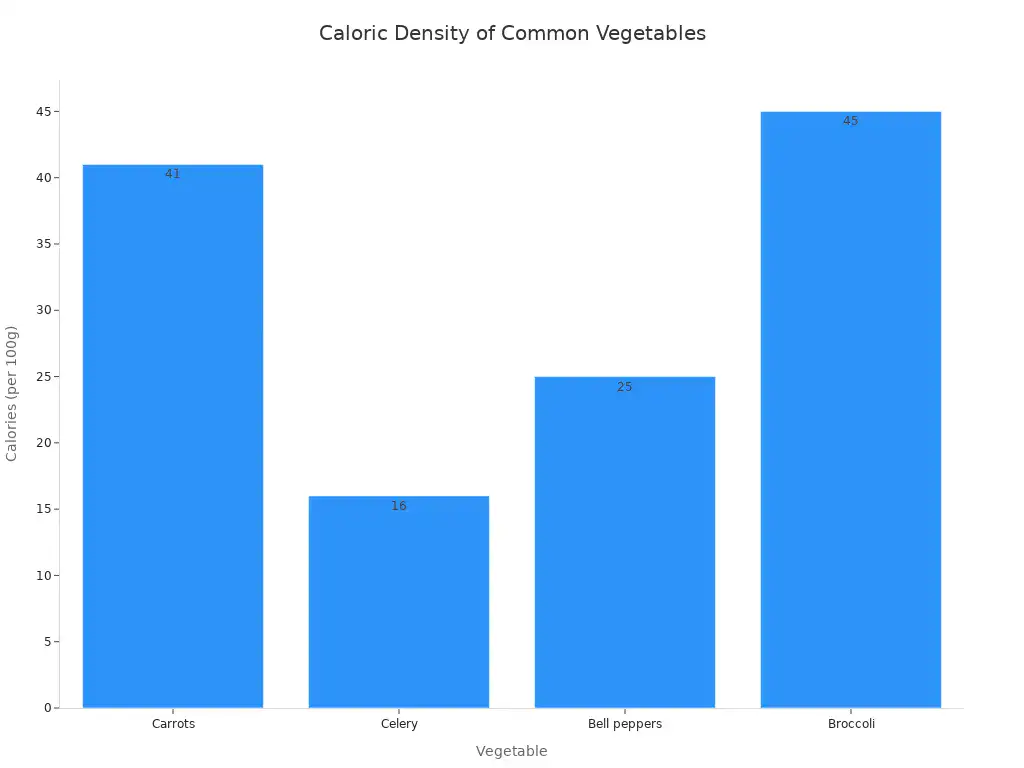
You get a good amount of food for very few calories. The fiber in carrots also adds bulk to your meals. This helps your digestive system work well.
Increased Satiety
Carrots help you feel full and satisfied. They have a high water content, over 88% water, and are rich in fiber. This combination creates a large volume of food with few calories. This helps you manage hunger. The fiber increases the thickness of food in your digestive tract. This slows down digestion. You feel full for longer periods. The crunchy texture of carrots also makes you chew more. This physical act of chewing contributes to feelings of satisfaction. You will feel less hungry between meals. This can help curb unnecessary snacking.
Healthy Snack Option
Carrots make a perfect healthy snack. They are convenient to eat raw. You can carry them easily. Instead of reaching for high-calorie, processed snacks, choose carrots. They provide essential nutrients and help you stay on track with your weight goals. You can enjoy them plain or with a healthy dip. This makes carrots a versatile and beneficial addition to your diet.
You have seen the many benefits of eating carrots, from boosting your vision and heart health to strengthening your immune system and aiding digestion. They also help reduce cancer risk, promote glowing skin, and assist with weight management. These carrot benefits highlight their amazing carrot nutrition. Make eating carrots a regular part of your diet for overall well-being.
🥕 Here are simple ways to enjoy more carrots:
Skip the peeler for extra nutrients.
Brown or char your carrot for enhanced flavor.
Add them raw to salads, cook them in soups, or blend them into smoothies.
Consistent carrot consumption offers long-term health benefits of carrots. These simple vegetables truly impact your overall well-being, helping prevent chronic diseases. The benefits of eating carrots are clear; they are a simple superfood. So, enjoy the many carrot benefits by making eating carrots a daily habit.