

A nursing session can leave let-down milk collecting in a pad or soaking through clothing, especially during feeds away from home or overnight. The right collection tool helps you capture milk already released, while a manual pump serves a different role by using suction to express milk. This roundup also includes two haakaa support bands that may suit pregnancy and postpartum routines, though they do not collect milk.
A Side-By-Side Look

haakaa Ladybug Milk Collector 75ml, 2PCS

haakaa Ladybug Milk Collector 75ml, 1PC

haakaa Manual Breast Pump 150ml, White

haakaa Postpartum Belly Band, M Grey
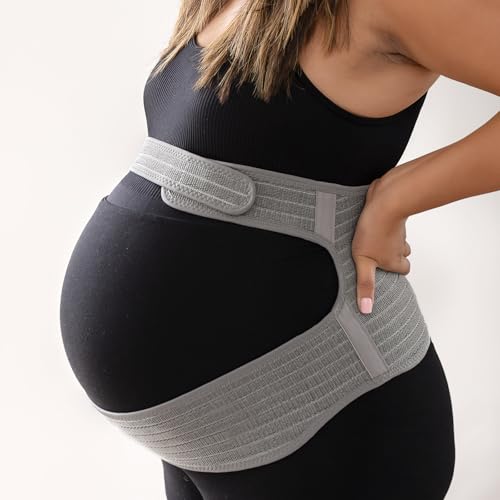
haakaa Pregnancy Belly Band One-Piece Maternity Belt
A Breakdown Of The Leading Choices
Two 75ml Ladybug collectors make daily nursing routines easier to manage, especially during feeds where let-down happens on the opposite side. Passive collection means the cups gather milk already leaking rather than drawing extra milk through active suction.
Ultra-soft silicone sits inside a bra, and the low-profile shape may feel more practical than a loose collection cup during chores or a walk. The honest read is that this set suits regular leakage, not sessions where you need active expression.
What Makes Sense
- Two collectors let you rotate between daytime and nighttime use.
- Passive collection suits nursing sessions without a pumping routine.
- Soft silicone creates a gentler barrier around tender nipples.
- A plug and pour opening help make milk transfer more controlled.
- One-piece construction removes extra parts from cleanup.
Things To Consider
- Each collector holds 75ml, so heavier let-down may call for more frequent emptying.
- The design collects leakage and is not intended to replace a breast pump.
The single-cup version keeps the same 75ml capacity and passive approach as the two-piece Ladybug set. You wear it inside your bra to catch let-down, with minimal suction used only to help it stay in place while you adjust your clothing.
For occasional leakage, one cup may be all you need during a feed or while resting. Compared with the two-piece set, this version requires you to move the same collector between sides rather than keeping a second cup ready.
Where It Delivers
- Single-piece form keeps packing simple for short outings.
- Soft silicone can feel less intrusive under a supportive bra.
- The pour opening helps you transfer collected milk without dismantling the cup.
Worth Noting
- One collector means less flexibility during repeated feeds across a long day.
- Check that your usual bra provides enough room for the cup’s profile.
- This is for passive collection rather than active milk expression.
Who It Suits Best
You benefit most from this single collector during occasional nursing sessions, light leakage, or shorter outings.
Where Another Pick Suits Better
haakaa Ladybug Milk Collector 75ml, 2PCS suits you better when two collectors simplify frequent daily feeds.
Unlike either Ladybug collector, this 150ml silicone pump actively expresses milk through suction after you squeeze and position it. That distinction matters during nursing, travel, or quiet moments where you want to catch a stronger let-down from the opposite breast.
A suction base helps the pump stay attached to a flat surface between uses, while the flower stopper fits into the neck to cover the opening. You may find this format particularly useful in a baby bag because it needs no batteries, cords, or assembled tubing.
The Upside
- 150ml capacity suits larger collection sessions than either Ladybug cup.
- Manual suction avoids cords and batteries during travel.
- The flat suction base helps reduce accidental tipping on smooth surfaces.
- The included stopper covers the opening for carrying or short pauses.
Trade Offs
- Active suction makes this a different tool from a passive in-bra collector.
This is not a breastmilk collection item, but it can belong in a postpartum routine alongside nursing supplies. Its reinforced panels focus on the lower back and abdomen, while dual hook-and-loop straps let you adjust the fit through changing daily needs.
Polyester and nylon fabric aim for breathable wear, with soft edges intended to reduce rubbing under clothing. For daytime errands or time at home, you may appreciate the low-profile cut more than a bulkier wrap.
Useful Touches
- Dual straps let you alter the fit without complex fastening.
- Reinforced panels add structure around the abdomen and lower back.
Points To Note
- Size M requires checking your fit before adding it to a postpartum wardrobe.
- This band does not collect, store, or transfer breastmilk.
- Hook-and-loop straps create a more adjustable fit than a pull-on garment.
Made For
You may prefer this band during postpartum daily wear where adjustable abdominal and lower-back structure matters.
Consider Something Else When
haakaa Ladybug Milk Collector 75ml, 2PCS suits you more when your immediate need is collecting nursing let-down.
For pregnancy rather than milk collection, this one-piece belt uses an O-shaped design to provide lifting support around the bump. The hook-and-loop closure keeps fitting straightforward, which may matter later in pregnancy when separate straps become more awkward to manage.
Detachable stays, meaning removable support strips, let you choose a firmer lumbar setup or a more flexible feel. Unlike the postpartum band, this belt is shaped for use from the second trimester through later pregnancy.
Real Benefits
- One-piece construction reduces the number of straps you need to position.
- Removable stays let you adjust the level of lumbar structure.
- Breathable mesh can feel more workable for long workdays or standing routines.
- The slim profile is designed to sit under maternity clothing.
- Machine-washable construction supports regular care between wears.
- Two size ranges account for lower-belly circumference as pregnancy progresses.
Small Caveats
- Size M fits lower-belly circumference up to 118cm, so measuring first matters.
- This belt supports pregnancy wear and has no breastmilk collection function.
What Matters Before Adding Breastmilk Collection Tools
Passive Collection Versus Expression
Passive collectors catch milk that has already released during let-down. They suit nursing sessions where leakage is the main concern, while a manual suction pump is more appropriate for expressing milk into a larger vessel.
Capacity and Your Routine
A 75ml collector keeps the profile smaller inside a bra, while a 150ml pump offers more collection room. Your feeding frequency, let-down volume, and time away from home determine which capacity feels practical.
Bra Fit and Daily Movement
In-bra collectors need enough space inside your usual nursing bra to remain positioned comfortably. A stable fit matters during household movement, feeding, and rest, while a pump with a suction base needs a flat surface for steadier placement.
Cleaning and Transfer Steps
A one-piece silicone design limits separate components, which can make rinsing and washing less involved. A plug or stopper also matters after collection because it covers the opening before you transfer milk to an appropriate storage container.
Small Details That Shape Your Choice
Common Shopping Slip Ups
Mixing up a passive collector with a pump can lead to the wrong tool for your routine. Match the item’s collection method to whether you need to catch leakage or express milk.
The Upgrade Payoff
A two-piece set adds convenience for repeated nursing sessions because you have another collector ready. A manual pump adds active suction, a larger capacity, and a stable base for routines that need more than passive collection.
Frequently Asked Questions
What Is the Difference Between a Milk Collector and a Breast Pump?
A milk collector catches let-down that is already leaking. A breast pump uses suction to express milk.
Can You Wear a Ladybug Collector During Nursing?
Yes, you can wear it on the opposite side during a nursing session. The collector is designed to gather natural let-down inside a bra.
Why Does Collector Capacity Matter?
Capacity affects how often you may need to empty the collector. A 75ml cup has less room than a 150ml pump.
Does the haakaa Manual Breast Pump Need Batteries?
No, the manual pump does not use batteries or cords. You create suction by squeezing and attaching the silicone body.
Are the Pregnancy and Postpartum Bands Milk Storage Items?
No, both bands are wearable support accessories. They do not collect or store breastmilk.