

Freshly hatched brine shrimp can give your aquarium routine a more hands-on rhythm, especially around fry feeding or a small classroom ecosystem. Your right setup depends on whether you need a simple hatch dish, an aerated incubator with collection tools, or a contained tank for observing aquatic life. The six options below split clearly between live-food hatcheries and freshwater Neocaridina shrimp, so you can match the setup to your tank goals.
The Essentials At A Glance

Brine Shrimp Hatchery Dish (Eggs Sold Separately)

Animagic Aqua Dragons Hatch ‘n’ Grow Basic Tank

Brine Shrimp Eggs Incubator Artemia Hatchery
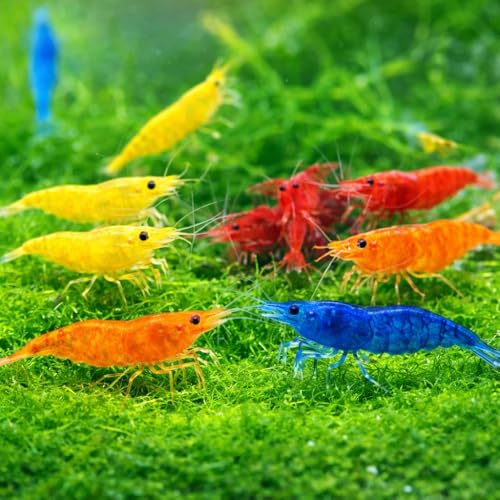
Seam Oasis 15+ Mixed Color Neocaridina Shrimp

Seam Oasis Fire Red Neocaridina Aquarium Shrimp

Saricho Brine Shrimp Hatchery Eggs Incubator Kit
A Deeper Look At The Lineup
A hatchery dish suits your routine when you want baby brine shrimp without routing airline tubing or setting up an air pump. The stated no-aeration design keeps the process compact, which may feel easier beside a small aquarium or on a classroom counter.
Brine shrimp nauplii are newly hatched shrimp, often used as live aquarium food. This dish is aimed at smaller hatches and states a yield above 100,000 baby brine shrimp in 24 hours, making it more practical for occasional feeding sessions than a large production schedule.
What Stands Out
- Runs without an air pump or added aeration gear.
- Keeps a small-volume hatching routine less cluttered.
- Supports substantial stated hatch output within 24 hours.
- Includes a video tutorial through the product images.
Things To Consider
- Eggs are a separate purchase, so your hatch routine needs another component.
- Its small-batch focus may not suit frequent high-volume feeding.
Unlike the Brine Shrimp Hatchery Dish, this set arrives as a contained observation activity rather than a feed-production tool. Eggs, food, tank, feeding spoon, pipette, and instructions are included, so you can start with water instead of assembling aquarium hardware.
The hatch window is stated as two to three days. For a child aged six or older, that short wait can make life-cycle observation feel tangible, though your routine still needs space for gentle ongoing care.
Real-World Strengths
- Combines eggs, food, tank, spoon, pipette, and directions.
- Creates a focused biology and environmental-science activity.
- The included pipette supports controlled water movement.
Worth Noting
- The stated age guidance begins at six years old.
- Its small viewing tank is more suited to observation than aquarium feeding.
- You need to allow the stated two-to-three-day hatch period.
Aeration changes the routine here. This incubator includes a silver air pump, air stone, check valve, controller valve, tubing, collection net, feeder pieces, suction tubes, and storage bottles, giving you a fuller hatch-and-harvest station than the first dish.
You can secure it inside tank glass with four suction cups or stand it outside with the tripod. For a fish room with regular fry feeding, the lower collection valve could make harvesting more direct, though correct check-valve orientation matters for airflow.
Useful Strengths
- Includes the air supply components required for aerated hatching.
- Offers inside-tank and outside-tank placement options.
- The bottom valve supports directed shrimp collection.
- Storage bottles help separate harvested shrimp from the hatching chamber.
- Includes a net and suction tubes for handling small live food.
Trade Offs
- The check valve must face the correct direction for air output.
- Inside-tank installation requires short tubing connectors between rigid parts.
This Seam Oasis pack heads in a different direction from the hatcheries because it contains live freshwater Neocaridina shrimp rather than eggs or hatching equipment. Neocaridina are freshwater dwarf shrimp, valued in planted and nano aquariums for their small size and active presence.
The pack contains 15 or more mixed-color shrimp described as mature and approximately 0.75 to 1 inch long. Your established freshwater tank needs to be ready before arrival, particularly for a breeding-focused setup where mature shrimp are the central appeal.
Where It Helps
- Provides 15 or more shrimp in assorted colors.
- Mature size supports a colony-starting goal.
Minor Gripes
- Mixed colors suit variety, not a single-color display plan.
- Freshwater aquarium compatibility needs consideration before adding live shrimp.
- The 0.75-to-1-inch size should fit your intended tank inhabitants.
- This is a livestock addition, not a brine shrimp hatching system.
Who It Suits Best
You benefit most from this pack with a prepared freshwater planted, nano, or shrimp-breeding aquarium that suits mixed colors.
Where Another Pick Suits Better
Saricho Brine Shrimp Hatchery Eggs Incubator Kit suits your routine better for producing live food rather than stocking a display tank.
For a tank built around a more unified color direction, this Fire Red Neocaridina pack takes a cleaner route than Seam Oasis 15+ Mixed Color Neocaridina Shrimp. The listing identifies a pack of 20 live freshwater aquarium shrimp, giving you a stated group size for a display-centered setup.
Nothing flashy beyond the color focus, and that can be the point. You may prefer this choice when a red shrimp group fits your aquascape better than a mixed collection, provided your aquarium is set up for freshwater shrimp.
Everyday Wins
- Includes 20 live freshwater aquarium shrimp.
- Fire Red coloring supports a coordinated tank appearance.
- A single-color group can suit a planned display theme.
Room For Improvement
- The focused red presentation gives less color variety than the mixed Seam Oasis pack.
- Your freshwater aquarium should be prepared before adding live shrimp.
Made For
You get the clearest fit here with a freshwater aquarium where a red Neocaridina group matches your planned visual theme.
Consider Something Else When
Seam Oasis 15+ Mixed Color Neocaridina Shrimp fits better for a varied-color colony rather than a consistent red look.
The Saricho kit is built around a more complete work flow, from aeration through collection, feeding, and storage. Like the earlier aerated Artemia Hatchery, it includes an air pump and collection net, but it adds a large clip plus five storage containers for organizing shrimp fry between uses.
You can mount the incubator vertically inside or outside tank glass, or place it on a platform using the included four-corner bracket. For a routine with several aquarium feedings, that placement flexibility may help you keep the hatching station visible and separate from display equipment.
A Strong Showing
- Includes 20 pieces for oxygen supply, collection, feeding, and storage.
- Supports vertical placement inside or outside aquarium glass.
- The four-corner bracket allows platform placement away from the tank.
- Five storage containers help hold excess shrimp fry for later use.
- The clear hatching chamber keeps the process visible.
- A large clip is included for setup adjustment.
Points To Note
- The larger parts assortment takes more sorting than a single hatchery dish.
What Matters Before Setting Up a Brine Shrimp Kit
Hatchery Purpose and Output
Start by separating live-food production from display shrimp keeping. The Brine Shrimp Hatchery Dish, Artemia Hatchery, and Saricho kit are designed around hatching brine shrimp, while both Seam Oasis listings are live freshwater Neocaridina shrimp for aquarium stocking. A hatchery dish makes sense for occasional batches, while an aerated system fits a more regular fry-feeding routine.
Aeration, Mounting, and Work Space
Aeration means adding air to water with a pump and air stone. The dish avoids this equipment, but the two incubator kits include pumps and tubing for a more involved setup. Your available surface area matters too, especially when you plan to use storage bottles, collection nets, or an outside-tank bracket.
Included Tools and Ongoing Routine
A complete kit reduces the number of pieces you need to gather before starting. The Animagic tank includes eggs and food for observation, while the Saricho and Artemia hatcheries include collection and storage accessories. Eggs remain separate for the hatchery dish, so add that to your setup list.
Freshwater Shrimp Versus Brine Shrimp
Neocaridina shrimp belong in a freshwater aquarium and are not a substitute for hatchery equipment. A mixed-color group suits visual variety, while Fire Red shrimp suit a more coordinated display. Your aquarium inhabitants and intended setup should guide that choice.
Details That Shape Your Setup
Common Shopping Slip Ups
A common mistake is treating every shrimp listing as the same kind of aquarium purchase. Separate a brine shrimp food hatchery from live freshwater shrimp before selecting a setup. Also check whether eggs, aeration gear, or collection tools are included.
Where the Extra Money Goes
More involved hatchery sets add an air pump, valves, tubing, nets, feeders, clips, and storage containers. That added equipment makes sense for repeated hatching and organized harvesting. A basic dish is often enough for smaller, occasional batches.
Frequently Asked Questions
What does a brine shrimp hatchery do?
A brine shrimp hatchery provides a controlled container for hatching brine shrimp eggs. Some versions use aeration, while a dish-style setup can work without it.
Do all brine shrimp kits include eggs?
No, eggs are not included with every option. The Brine Shrimp Hatchery Dish is sold without eggs, while the Animagic tank includes eggs.
Why would you use an air pump for brine shrimp?
An air pump moves air through water using tubing and an air stone. The Artemia Hatchery and Saricho kit include this type of equipment.
Are Neocaridina shrimp the same as brine shrimp?
No, Neocaridina are freshwater aquarium shrimp intended for stocking a tank. Brine shrimp hatcheries are used to produce newly hatched shrimp for aquarium feeding or observation.
Can you mount an incubator outside an aquarium?
Yes, some incubators support outside-tank placement. The Artemia Hatchery includes a tripod, while the Saricho kit includes a four-corner bracket.