

A sudden rush of crawling insects in a basement, attic, garage, or cabin calls for a plan that fits the space rather than a random can from the shelf. You may need broad room coverage for a heavy indoor problem, or you may prefer a contained UV trap for recurring flies and gnats near food, plants, or entryways. These six options split between total-release foggers for enclosed areas and UV glue-board traps for ongoing flying-insect control.
The Essentials At A Glance
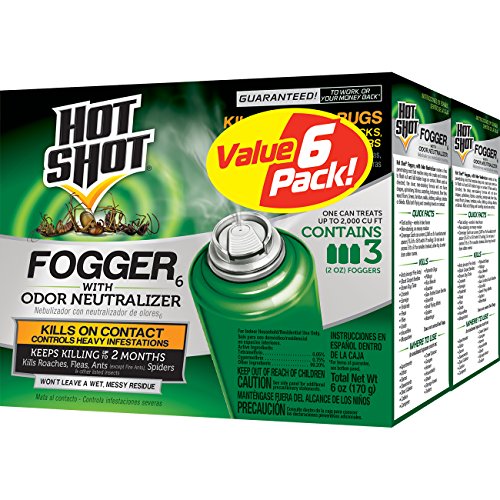
Hot Shot Fogger with Odor Neutralizer 2-Pack

Hot Shot No-Mess! Fogger 3 Count 1.2 Oz Cans, 6 Pack

Hot Shot No-Mess! Fogger with Odor Neutralizer 3 Count

Catchmaster Vector Optima Black Wall-Mounted UV Fly Light Trap

Catchmaster Vector 9 Plug-in Fly Trap

Catchmaster Vector 15 Commercial UV Fly Light Trap
A Deeper Look At The Lineup
For an enclosed basement, attic, garage, or storage area with a substantial insect problem, this two-pack focuses on broad-room fogging. Each can is rated for up to 2,000 cubic feet of unobstructed space, so room measurement matters before you set out cans.
Its fine mist is intended to travel into cracks and crevices, while the clear formula is designed not to leave a wet residue. The longer stated control period, up to two months, makes this the more suitable Hot Shot choice for a larger project rather than a quick small-room task.
The Practical Payoff
- Two packs provide six 2-ounce cans for larger enclosed-area planning.
- Each can covers up to 2,000 cubic feet of open room volume.
- Fine mist reaches into narrow gaps where insects may remain hidden.
- Clear application helps you avoid a damp cleanup afterward.
- Stated residual control extends up to two months.
Things To Consider
- Coverage applies to unobstructed space, so crowded rooms need careful layout planning.
- This format suits enclosed spaces, not ongoing fly activity near a kitchen counter.
This six-pack takes a different route from the larger-can Hot Shot bundle: it uses 1.2-ounce No-Mess cans with dry fog technology. Dry fog refers to a mist formulated to avoid a wet, messy deposit, which may suit storage rooms, campers, garages, and several separate enclosed areas.
Each can treats up to 2,000 cubic feet and has a stated control period of up to six weeks. The honest read is that this pack makes the most sense for several spaces, while the two-pack above better suits you when a longer stated residual period is the main priority.
What Makes Sense
- Six-pack format supports treatment planning across separate enclosed spaces.
- Dry fog technology avoids the need to switch off pilot lights.
- Odorless, non-staining application suits spaces with stored belongings.
- Fine mist reaches cracks and crevices beyond direct sight lines.
Worth Noting
- Its stated control window is shorter than Hot Shot Fogger with Odor Neutralizer 2-Pack.
- Each can still depends on an unobstructed 2,000-cubic-foot treatment area.
- Measure each room separately rather than treating the whole home as one open space.
Smaller projects rarely need the inventory of the six-pack, and this three-can version keeps the same No-Mess dry fog approach in a more focused format. It is built for enclosed spaces such as apartments, attics, basements, cabins, crawl spaces, garages, sheds, and trailers.
Each can reaches up to 2,000 cubic feet of unobstructed area and is intended to work into cracks where insects hide. For a single apartment storage area or one contained room, you may find this pack easier to match to the task than Hot Shot No-Mess! Fogger 3 Count 1.2 Oz Cans, 6 Pack.
Useful Touches
- Three-can quantity suits a contained indoor project.
- Dry fog formula is designed for a clean-looking finish.
- Odor neutralizer helps keep the application experience less intrusive.
Trade Offs
- Three cans may not suit a house with many separated enclosed rooms.
- The stated residual control period reaches up to six weeks, not two months.
Who It Suits Best
You benefit most from this format when one apartment room, attic, garage, or cabin area needs targeted enclosed-space coverage.
Where Another Pick Suits Better
Hot Shot Fogger with Odor Neutralizer 2-Pack suits you better when longer stated residual control is your priority.
Foggers handle enclosed-space treatment, but this wall-mounted Catchmaster is built for recurring flying insects in visible shared spaces. Direct UV light draws flies and gnats toward a concealed glue board, so captured insects remain hidden behind the cover rather than on display.
The black aluminum housing has a commercial lean, with a replaceable glue board and shatterproof 15-watt UV bulbs included. In a dining area, bakery counter zone, office, or similar indoor setting, the quiet operation may be more appropriate than a buzzing electric unit.
Where It Delivers
- Wall-mounted format keeps the trap off serving and desk surfaces.
- Covered glue board keeps captured insects out of sight.
- Direct UV attraction targets flies and gnats without bait.
- Aluminum casing suits frequent-use commercial-style locations.
- Quiet capture avoids zapping noise in shared rooms.
- Replaceable board makes routine maintenance straightforward.
Minor Gripes
- Wall placement is part of installation planning before you commit to this style.
Catchmaster Vector Optima Black Wall-Mounted UV Fly Light Trap
Fruit flies around produce, fungus gnats near houseplants, and an occasional house fly call for a smaller, ongoing capture setup rather than a room fogger. The Vector 9 plugs in and uses a fluorescent UV bulb, which emits a broader UV-A range than a single-point LED.
In a busy kitchen or plant-filled living area, the hidden glue board keeps the catch behind the cover. Twelve refill boards are included, and each board is intended to last about a month in a typical home, though actual replacement needs depend on insect activity.
Useful Highlights
- Plug-in design suits a steady kitchen or plant-area setup.
- Fluorescent UV bulb provides broad UV-A light output.
- Hidden glue board keeps captured insects behind the cover.
- Twelve included refills reduce the need for immediate replacement shopping.
Room For Improvement
- You need an available outlet near the insect activity zone.
- Glue-board replacement remains part of regular ownership.
- This is aimed at flying insects, not broad enclosed-room infestations.
The Vector 15 steps up from the plug-in Vector 9 with a wall-mounted commercial UV light trap rated for up to 800 square feet. That makes it a more sensible match for larger indoor workrooms, offices, or broad shared areas where flies and gnats keep returning.
Its wall-mount profile keeps capture equipment away from desks and countertops. You may prefer this format where a plug-in trap would sit too close to the activity area, though mounting location deserves thought before installation.
Bright Spots
- Up to 800-square-foot coverage suits a larger single indoor zone.
- Wall mounting preserves counter and work-surface space.
- UV fly-light format targets recurring flying-insect activity.
Points To Note
- Wall installation makes this less portable than Catchmaster Vector 9 Plug-in Fly Trap.
- Coverage rating should match your specific room layout and use area.
- This trap addresses flying insects rather than hidden crawling insects in cracks.
- Placement requires access to the intended wall location.
Made For
You get the strongest fit from this model in a larger office, workroom, or shared indoor zone with recurring flying insects.
Consider Something Else When
Catchmaster Vector 9 Plug-in Fly Trap suits you better for a small outlet-based setup near produce or houseplants.
Room Planning for a Bug Bomb for Houses
Match Coverage to Room Volume
Fogger coverage is stated in cubic feet, which measures room volume rather than floor area. Multiply room length, width, and ceiling height, then compare that total with the per-can coverage figure. Open, unobstructed rooms align more closely with stated coverage than spaces crowded with shelving, stored boxes, or furniture.
Separate Crawling and Flying Insect Needs
Total-release foggers suit enclosed areas where crawling insects may be in cracks and crevices. UV traps serve a different role, attracting flying insects toward a glue board over time. A recurring kitchen gnat issue and a heavy crawl-space insect problem need different equipment.
Consider Placement Before Selecting a Trap
Plug-in traps need an outlet near the activity zone, while wall-mounted UV units need a suitable installation location. Catchmaster Vector Optima and Catchmaster Vector 15 keep captured insects out of sight behind a cover, which can matter around office desks or dining areas. For a small kitchen corner, the Vector 9’s outlet-based format is usually easier to position.
Plan Ongoing Maintenance
Foggers are project-focused, while glue-board traps require periodic board changes. Catchmaster Vector 9 includes twelve boards, whereas Vector Optima uses a replaceable board changed monthly or as needed. Your preferred maintenance routine should shape the choice as much as the initial insect problem.
Details That Change the Right Choice
Common Shopping Slip Ups
A common mistake is treating foggers and UV traps as interchangeable. Foggers cover enclosed rooms, while UV traps focus on flying insects near a chosen placement point.
Where the Extra Money Goes
Higher-tier UV traps often add wall mounting, covered capture zones, metal housings, and stronger room-coverage capacity. That extra build makes sense for shared work or dining spaces where placement and appearance matter.
Frequently Asked Questions
What is the main difference between a fogger and a UV fly trap?
A fogger disperses mist through an enclosed room for broad insect control. A UV trap attracts flying insects toward a glue board at a fixed location.
How do you size a fogger for a room?
Use the room’s length, width, and ceiling height to calculate cubic feet. Match that figure with the stated per-can coverage for unobstructed space.
Does dry fog leave a wet residue?
The Hot Shot No-Mess formats use dry fog technology designed to avoid a messy residue. Their formulas are also described as non-staining.
Which option suits fruit flies near produce?
Catchmaster Vector 9 Plug-in Fly Trap is designed for fruit flies, gnats, house flies, and occasional moths. Its hidden glue board fits a kitchen or plant area with an available outlet.
Which UV trap covers a larger indoor area?
Catchmaster Vector 15 Commercial UV Fly Light Trap is rated for up to 800 square feet. Its wall-mounted design suits larger indoor work or shared spaces.