

A humid trail, a backyard dinner, or an evening with open windows can bring very different insect concerns. Your strongest match depends on where you spend time, whether you prefer a skin-applied formula or a plug-in unit, and how much coverage you need. These six options include DEET, picaridin, and ultrasonic indoor formats, with clear differences in application style and intended use.
The Essentials At A Glance

OFF! Deep Woods Dry Insect & Mosquito Repellent 4 oz (2-Pack)

Sawyer SP564 Insect Repellent 20% Picaridin

Repel 100 Insect Repellent 98% DEET
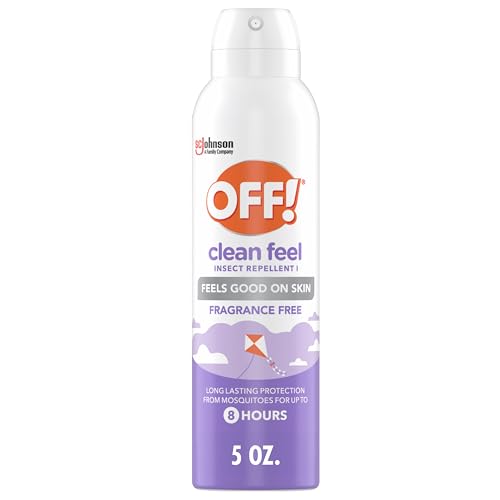
OFF! Clean Feel Picaridin Insect Repellent 5 oz Aerosol

2026 Upgraded Ultrasonic Indoor Repeller 4 Pack
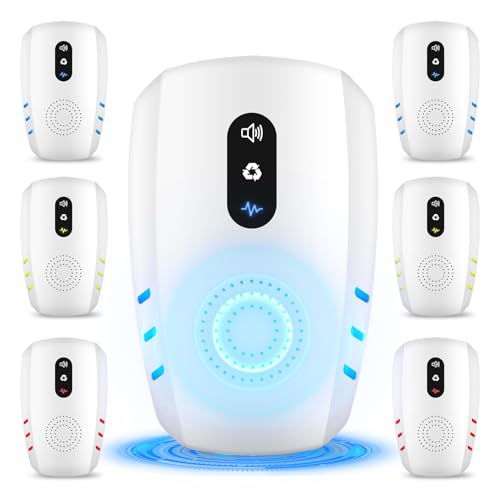
2026 Upgraded Ultrasonic Indoor Pest Repeller 6 Pack
Inside Each Recommended Option
Two 4-ounce aerosol cans make this a practical kit for your daypack, car, or camping bin. Its 25% DEET formula and powder-dry finish suit long walks, fishing trips, and humid hikes where a greasy skin feel becomes distracting.
DEET is an established topical insect-repelling ingredient, and this formula uses a moderate concentration compared with Repel 100’s 98% DEET. For most weekend outings, the dry aerosol format may feel easier to reapply than a lotion.
The Case For It
- Powder-dry application avoids the oily finish some outdoor sprays leave behind.
- Two cans let you keep one with trail equipment and another near the door.
- Aerosol delivery helps cover exposed arms and legs quickly before heading outside.
- The formula is intended for mosquitoes, ticks, gnats, chiggers, and biting flies.
Things To Consider
- Aerosol spray calls for a ventilated application area and careful coverage around your face.
- The two-can pack takes more storage room than a single 4-ounce bottle.
Sawyer SP564 takes a different route from OFF! Deep Woods, using 20% picaridin in a 4-ounce lotion. Picaridin is a topical insect-repelling ingredient often selected for its low-odor, non-greasy skin feel.
The listing states up to 12 hours against mosquitoes and ticks, plus up to 8 hours against flies, gnats, and chiggers. That longer stated window makes sense for backpacking, fishing, and day-long park events where packing one compact bottle matters.
What Makes Sense
- Fragrance-free, fast-drying formula suits close quarters such as campsites and sporting events.
- Designed not to damage plastics or synthetic coatings on items such as sunglasses and watches.
- Lotion format gives you more control over where the formula goes.
- Stated mosquito and tick coverage reaches up to 12 hours.
- The 4-ounce bottle stores neatly in a hiking pack.
Worth Noting
- Lotion takes longer to spread evenly than an aerosol spray.
Repel 100 puts concentration first, with 98.11% DEET in a compact 4-ounce pump spray. The stated protection time reaches up to 10 hours against mosquitoes, placing it between the lighter-feel picaridin choices and a short-use convenience spray.
This is the focused option for remote campsites, long hunting days, and outdoor work where insect pressure can feel relentless. The honest read is that its high-DEET approach is more specialized than most patio plans require.
The Upside
- 98.11% DEET suits severe insect conditions described by the manufacturer.
- Stated mosquito coverage reaches up to 10 hours.
- Pump bottle avoids the broad aerosol cloud of OFF! Deep Woods.
Trade Offs
- The concentrated formula may be more than you want for a brief backyard meal.
- A 4-ounce bottle is compact, though you will want a dedicated pocket in your outdoor kit.
- Apply carefully and follow the label directions for exposed skin and clothing.
Right Fit For
You benefit most from Repel 100 during extended backcountry trips and outdoor workdays with sustained insect exposure.
A Better Fit Elsewhere
Sawyer SP564 Insect Repellent 20% Picaridin suits you better for gear-heavy outings where a lower-odor lotion matters.
OFF! Clean Feel combines 20% picaridin with a fragrance-free 5-ounce aerosol, making it the more casual alternative to Repel 100. Its stated protection period is up to 8 hours for flying insects, a useful fit for cookouts, gardening, and evening walks.
The spray dries quickly and is designed to avoid a sticky feel. For most backyards, that comfortable finish may matter more than the heavier concentration used in a remote-travel formula.
A Strong Showing
- DEET-free picaridin formula gives you a different active-ingredient route.
- Fragrance-free design works well around meals and shared outdoor spaces.
- Aerosol application speeds up pre-dinner or pre-walk coverage.
- Spreading the formula with your hands supports even skin coverage.
Small Caveats
- Aerosol application still needs open-air use and a controlled spray direction.
- The single 5-ounce can offers less built-in backup than OFF! Deep Woods’ two-can pack.
Outdoor sprays and indoor plug-ins solve different problems, and this Neatmaster four-pack is built for room-by-room placement. Each unit plugs into a standard wall outlet, shows a pulsing blue light, and uses ultrasonic waves, sound frequencies above normal human hearing.
The manufacturer describes coverage of 800 to 1,200 square feet in an open area per unit. Walls and solid furniture interrupt ultrasonic waves, so a separate unit in each major room is the sensible placement plan.
What Stands Out
- Four units help you cover separate rooms without moving a single device around.
- Plug-in setup avoids batteries and routine refills.
- Blue pulsing light provides a visible operating indicator.
- Stated 3 to 5 watt draw keeps power demand modest.
- Works as a hands-off indoor alternative to skin-applied formats.
Areas To Watch
- Each device needs an accessible wall outlet in an unobstructed position.
- Coverage does not pass through walls or solid furnishings.
- The intended results develop gradually rather than through immediate application.
- This format does not replace a skin-applied repellent for hikes or outdoor events.
Six plug-in units make the Jqely set the broader-room option beside the four-pack Neatmaster. The listing describes three ultrasonic modes and frequencies from 10 kHz to 65 kHz, directed toward everyday indoor pest-control needs.
This pack makes more sense in homes with bedrooms, hallways, a kitchen, and shared living areas that each have usable outlets. You may find the extra units helpful where one plug-in per room is the preferred layout.
Notable Upsides
- Six-unit count supports a larger room-by-room arrangement.
- Three operating modes offer selectable ultrasonic settings.
Points To Keep In Mind
- Every unit requires its own indoor outlet.
- Plug-in placement can compete with lamps, chargers, and kitchen appliances.
Made For
You benefit most from this six-pack in a larger indoor layout where several rooms need dedicated plug-in placement.
Another Choice May Suit
2026 Upgraded Ultrasonic Indoor Repeller 4 Pack suits you better in a smaller home with fewer available outlets.
What Matters Before You Choose Bug Repellents
Match the Active Ingredient to Your Routine
DEET and picaridin are topical ingredients applied to exposed skin according to label directions. A 25% DEET aerosol such as OFF! Deep Woods suits many outdoor routines, while Repel 100’s 98.11% DEET formula targets more severe conditions. Picaridin options can suit you when a fragrance-free, lower-odor feel or compatibility with plastic gear matters.
Choose Application That You Will Use Properly
Aerosols cover arms and legs quickly, which helps before a walk, yard task, or camp setup. Lotions require a little more time, yet give you more targeted control around your hands and face. Even coverage matters with either format, so plan for a few extra moments before leaving home.
Separate Indoor and Outdoor Needs
Plug-in ultrasonic units are intended for indoor rooms and require open, accessible wall outlets. Their sound waves do not travel through walls, making multi-unit packs more relevant for separate rooms. Skin-applied products remain the appropriate category for time spent outside.
Consider Duration and Storage
Stated coverage periods can help you select between a short evening and a longer trail day. A 4-ounce bottle fits more easily in a daypack, while multipacks work well for separate storage locations. For a long outdoor schedule, bring enough formula to follow the product label as your activity continues.
A Few Details That Change the Decision
Common Shopping Slip Ups
Avoid treating an indoor plug-in as a substitute for outdoor skin coverage. Also match an aerosol, pump, or lotion to the application method you are comfortable using carefully.
The Upgrade Payoff
Higher-concentration formulas can suit longer or more demanding outdoor exposure. Multi-unit plug-in sets cost more because they support room-by-room placement rather than a single outlet location.
Frequently Asked Questions
What Is the Difference Between DEET and Picaridin?
DEET and picaridin are different active ingredients used in topical insect repellents. Your preference may come down to concentration, scent, skin feel, and compatibility with outdoor gear.
Are Aerosol and Pump Sprays Used Differently?
Aerosols disperse a wider mist for fast application across exposed areas. Pump sprays provide a more directed application pattern.
How Long Do These Formulas Last?
Stated duration varies by formula and insect type. Sawyer SP564 lists up to 12 hours against mosquitoes and ticks, while Repel 100 lists up to 10 hours against mosquitoes.
Can an Ultrasonic Unit Cover Multiple Rooms?
No, walls and solid furnishings can interrupt ultrasonic waves. Place a unit in each major room or open area for the intended layout.
Which Format Works for a Long Hiking Day?
A compact topical formula with a stated longer protection period fits that use case. Sawyer SP564 and Repel 100 both list extended mosquito coverage periods.