

A watch that tracks heart-related data can help you notice patterns during commutes, workouts, sleep, and quieter days at home. Your best fit depends on whether you want all-day activity information, a screen for calls and alerts, or a dedicated EKG device for recording a heart rhythm. The seven options below cover those different routines without treating every wrist-worn tracker as the same tool.
The Shortlist At A Glance

aeac Smart Watch for Women AMOLED Rose Gold

FTTMWTAG Smart Watch 1.85-Inch Stone Black

KardiaMobile 1-Lead EKG Personal Heart Monitor
KardiaMobile 6L EKG HSA/FSA
WHOOP 5.0/MG Activity Tracker 12-Month Membership Sleep Tracking

Fitpolo Smartwatch 1.8-Inch Bluetooth Calls Heart Rate Black
MorePro Fitness Tracker Heart Rate Blood Pressure
Inside Each Recommended Option
The 43 mm aeac pairs a 1.32-inch AMOLED display with all-day activity tracking, so your workout data and watch face remain easy to check at a glance. AMOLED means each pixel produces its own light, which supports strong contrast, though you may prefer the larger FTTMWTAG screen for oversized text.
For your commute, walks, and gym sessions, the stated ten-day battery life can reduce charging interruptions. You also get Bluetooth calling, voice commands, heart-rate tracking, sleep analysis, blood-oxygen readings, stress tracking, and 110-plus sport modes.
A Few Strong Suits
- Your watch face stays sharp through the AMOLED touch display.
- Up to ten days of stated use suits your regular routine.
- 3ATM water resistance supports swimming sessions.
- Over 200 watch faces let your wrist display feel personal.
Worth Noting
- The 43 mm case needs checking against your preferred wrist fit.
- Bluetooth calling needs your phone connection nearby.
A 1.85-inch TFT color touchscreen makes the FTTMWTAG a sensible fit for your larger-text preference. TFT is a common flat-panel display type, and its adjustable brightness helps you tailor the screen to indoor or outdoor viewing.
Compared with aeac’s smaller 1.32-inch panel, this display gives your call history, saved contacts, and notifications more room. Your everyday use may benefit most from its Bluetooth calling, music controls, alarms, timer, weather display, and phone-finder function.
Where It Excels
- Your alerts and call details have a notably larger viewing area.
- Bluetooth calling lets you answer supported calls from your wrist.
- Over 100 sport modes support varied exercise logs.
Points To Note
- Your phone must connect through Bluetooth for calling functions.
- The larger display may feel less discreet on smaller wrists.
- Your personalized watch faces require the Da Fit app.
KardiaMobile takes a different route from the wrist trackers above: it is a small dedicated EKG device rather than a watch. An EKG, also called an electrocardiogram, records the electrical activity associated with your heart rhythm.
You place your fingers or thumbs on its sensors to capture a 30-second single-lead record with a compatible phone or tablet. That focused approach may suit your travel bag or desk drawer, especially where continuous step tracking is less important.
What Makes Sense
- Your recording takes 30 seconds through the compatible app.
- The pocket-size form can travel more easily than a watch.
- Your record can be shared by email from the app.
- No Bluetooth, cords, or Wi-Fi are required for recording.
- Most smartphones and tablets work with the device.
Small Caveats
- Your phone or tablet needs the Kardia app installed.
Who It Suits Best
Your fit is strongest when you want occasional portable EKG records rather than a smartwatch display.
Where Another Pick Suits Better
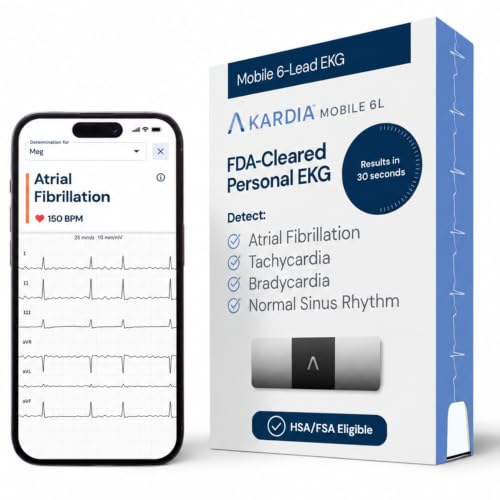
KardiaMobile 6L EKG HSA/FSA suits you better when your recordkeeping calls for six leads instead of one.
The KardiaMobile 6L moves beyond the single-lead format by recording a six-lead EKG in 30 seconds. Those extra leads provide a broader rhythm record, which makes this a more focused choice than the KardiaMobile 1-Lead EKG Personal Heart Monitor.
Your compatible smartphone or tablet runs the Kardia app, while the device captures the record without a membership requirement. The honest read is that this is purpose-built equipment, not your all-day steps-and-notifications companion.
Where It Helps
- Six leads provide more recorded rhythm information than a single-lead device.
- Your recordings take 30 seconds through the Kardia app.
- No membership is required for listed rhythm determinations.
- Most popular smartphones and tablets support app use.
- Your compatible records can be shared from the app.
- HSA and FSA eligibility may suit your payment planning.
Practical Considerations
- Your phone or tablet must meet Kardia app compatibility requirements.
- You will not get watch-based calls, steps, or sport modes.
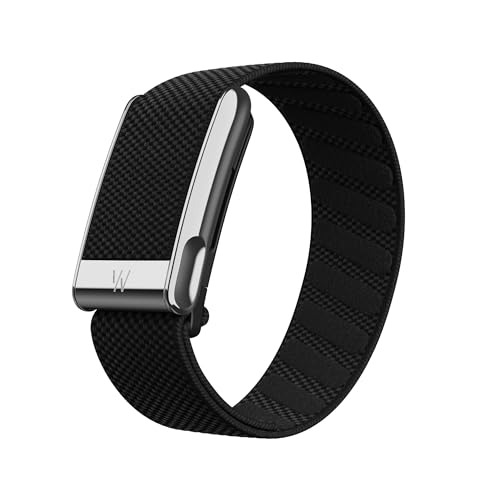
WHOOP 5.0/MG centers your routine on recovery, sleep, strain, heart rate, heart-rate variability, and coaching rather than notifications on a watch face. Heart-rate variability, or HRV, describes the variation in time between heartbeats and can provide a personal trend within the platform.
The included 12-month membership and stated battery life of more than 14 days make the system better suited to consistent training blocks. For your marathon plan or structured gym schedule, you may appreciate fewer charging pauses.
Strengths Worth Knowing
- Your activity and sleep tracking run continuously.
- More than 14 days of stated battery life limits charging interruptions.
- Your membership includes personalized coaching features.
- Training strain and recovery data support structured fitness routines.
Things To Weigh Up
- Your purchase includes a 12-month membership commitment.
- You will not have the calling-focused screen experience of FTTMWTAG.
- Your coaching value depends on keeping your tracker in regular use.
WHOOP 5.0/MG Activity Tracker 12-Month Membership Sleep Tracking
Made For
Your strongest fit is a training routine where recovery, sleep, and strain trends matter more than call handling.
A Better Fit Elsewhere
Fitpolo Smartwatch 1.8-Inch Bluetooth Calls Heart Rate Black suits you better when your day needs wrist-based calls and notifications.
Fitpolo brings a 1.8-inch HD display, Bluetooth 5.3 calls, 110 sport modes, and app syncing into a familiar smartwatch layout. Compared with WHOOP 5.0/MG Activity Tracker 12-Month Membership Sleep Tracking, this option prioritizes screen access and everyday phone connection.
Your recorded heart rate, blood oxygen, stress, sleep quality, and cycle information sync through the VeryFit app. For your desk-to-gym routine, the blend of calling and activity functions may feel more practical than a dedicated EKG device.
The Practical Payoff
- Your calls can move from phone to wrist through Bluetooth.
- IP68 water resistance supports exposure to water and dust.
- Your VeryFit data can also share with Apple Health and Strava.
- 110 sport modes cover a broad exercise menu.
- Your 1.8-inch screen gives metrics room to breathe.
Areas To Watch
- Your Bluetooth call range is stated as 8 to 10 meters.
- You cannot send or reply to text messages from the watch.
- Your app connection is needed to review synced information.
- The larger display requires a wrist-size fit check.
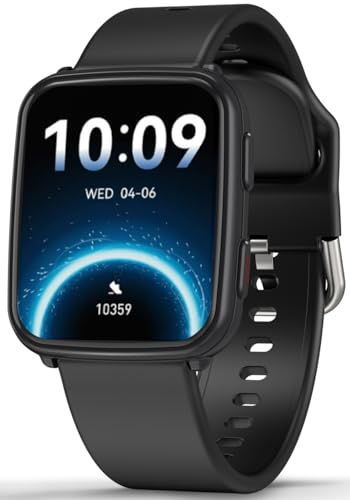
MorePro concentrates on continuous heart-rate and blood-pressure trend tracking alongside blood-oxygen checks, sleep details, steps, distance, calories, and training time. Its 120-plus sport modes give your running, walking, gym, and ball-sport sessions room in the activity menu.
Unlike KardiaMobile 6L EKG HSA/FSA, this is an activity-first wrist tracker rather than a six-lead recording device. Your routine may benefit most where daily movement totals and sleep patterns matter as much as heart-related trends.
Good Reasons To Consider
- Your dashboard combines activity totals with overnight sleep stages.
- 120-plus modes help your workout records match your actual activity.
- On-demand blood-oxygen checks give you a separate reference point.
- IP68 water resistance suits active everyday wear.
- Your pedometer records steps, distance, calories, and training time.
- Continuous tracking supports your long-term personal trend view.
Things To Consider
- Your tracker works best as a personal trend tool, not a replacement for professional evaluation.
What Matters Before You Settle on a Cardiac Monitor Watch
Continuous Trends Versus EKG Records
Your all-day tracker can log heart-rate patterns, sleep, movement, and exercise across a full routine. A dedicated EKG device serves a different purpose by creating a short rhythm record through sensors and a compatible app. Your choice gets clearer once you decide whether your priority is continuous lifestyle data or a record captured at a specific moment.
Display and Everyday Wear
Your screen size affects how easily you can read notifications, calls, and graphs while moving. A 1.85-inch display suits your preference for larger information, while a smaller 43 mm watch case may feel more comfortable through sleep or exercise. Your water-resistance rating should also match the activities you actually do.
Phone and App Fit
Your connected watch features rely on your phone’s operating system, Bluetooth connection, and companion app. Before settling on a model, check that your phone is supported and that its app offers the information you want to revisit. Your Kardia device also needs a compatible smartphone or tablet for recordings.
Battery and Routine
Your charging tolerance matters more than it first appears. A tracker with stated multi-day battery life can fit your sleep-and-training routine with fewer interruptions. Your preference may instead favor a short-record device that stays in your bag until you need it.
Practical Differences Worth Knowing
Common Shopping Slip Ups
Your main mistake is expecting an activity watch to work like a dedicated EKG recorder. Match your goal to the device type, then check phone compatibility, wrist fit, screen size, and water-resistance rating before you commit.
What Separates Premium From Basic
Higher-tier options often add detailed EKG lead formats, longer battery claims, ongoing coaching, or broader app ecosystems. Your extra spend makes sense where those specific functions will become part of your weekly routine, not just an occasional curiosity.
The Takeaway
Your best cardiac monitor watch depends on the kind of information you want to see most often. Choose aeac, FTTMWTAG, Fitpolo, or MorePro for everyday activity tracking and smartwatch functions, while KardiaMobile models focus on dedicated EKG records. WHOOP fits your routine when recovery and training trends lead the decision.