

A cardiac monitor can fit very different routines, from capturing a brief ECG, an electrocardiogram that records the heart’s electrical signals, at home to wearing a chest strap through workouts and sleep. Your right match depends on whether you need a six-lead recording, ongoing heart-rate tracking, or a replacement strap for equipment you already own. The options below separate portable EKG recorders from fitness-focused wearables, so you can focus on the format that suits your daily habits.
The Essentials At A Glance

EMAY 6L Portable ECG Monitor, Smartphone and PC Compatible
Frontier X2 Smart Heart Rate Monitor Chest Strap with Strain

KardiaMobile 1-Lead EKG Monitor, Personal Heart Monitor

Bioheart 24/7 Continuous Heart Monitor Chest Strap
KardiaMobile 6L EKG, No Membership Required

KardiaMobile 6L Max 6-Lead EKG

Frontier X Replacement Heart Rate Chest Strap, Compatible with Garmin
Meet The Standout Selections
Six-channel ECG capture gives this EMAY unit a more detailed recording format than the single-lead KardiaMobile option below. You can connect by Bluetooth to a phone or by USB to a computer, which suits a home routine where you want recordings stored and reviewed on a larger screen.
The companion software includes case upload, case review, sample mode, and time settings. For a desk-based record routine, that flexibility may feel more useful than a pocket device, though this is not a substitute for hospital diagnostic equipment.
A Few Strong Suits
- Records ECG signals across six channels for a broader record format.
- Bluetooth phone pairing supports convenient mobile record handling.
- USB computer connection suits organized home files.
- Rechargeable lithium battery avoids disposable battery changes.
- No subscription is needed for device and app use.
Things To Consider
- People with implanted pacemakers are not advised to use it.
- USB access matters for anyone planning computer-based review.
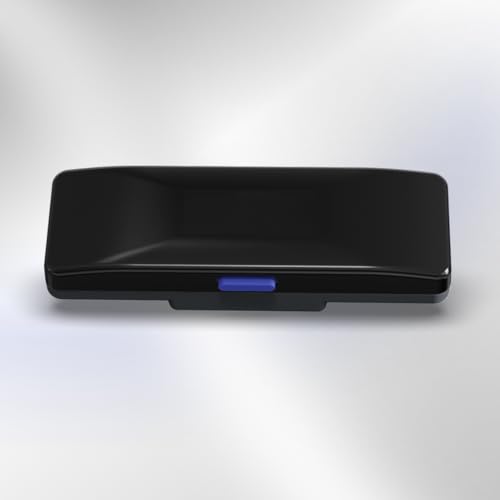
Unlike EMAY’s spot-recording format, Frontier X2 is built around continuous wear. It tracks heart rate, breathing rate, and strain, a workload metric designed to show how hard your body is working, across workouts, recovery, and sleep.
That makes more sense for runners, cyclists, and training-focused users who want an ongoing view rather than a short ECG recording. The vibration alerts add an on-body notification layer, though chest-strap wear is a personal comfort preference.
Useful Touches
- Continuous tracking follows your routine through exercise and sleep.
- Breathing-rate data adds context beyond heart rate alone.
- Strain tracking can help you compare demanding and lighter sessions.
- Vibration alerts keep notifications close during active sessions.
Worth Noting
- A chest strap requires you to be comfortable wearing it for extended periods.
- Its fitness-centered data differs from a portable ECG record.
- Charging uses the included micro USB cable.
KardiaMobile 1-Lead puts portability first. You place your fingers or thumbs on its sensors near a compatible phone or tablet, then capture a single-lead EKG in 30 seconds without cords, Bluetooth, or Wi-Fi.
At less than one ounce, it fits a commute, work bag, or travel pouch more naturally than the EMAY 6L. The honest read is that its single-lead format offers less detail than either six-lead model here.
Everyday Perks
- Small form suits a bag, desk drawer, or travel pouch.
- A 30-second recording supports quick routine capture.
- No cable or wireless pairing step is required.
Trade Offs
- You need a compatible smartphone or tablet with the Kardia app.
- Single-lead records are less detailed than six-lead alternatives.
Who It Suits Best
Frequent travelers and commuters who value a lightweight, brief single-lead record benefit most.
Where Another Pick Suits Better
KardiaMobile 6L EKG, No Membership Required suits you better when six-lead detail matters more than pocket size.
Bioheart is another continuous-wear choice, but its focus lands on app-based rhythm data and summaries rather than Frontier X2’s breathing-rate and strain metrics. Bluetooth syncing moves your information into the Bioheart app, where you can view data in three formats and export records.
The included device, band, charger, and 12-month membership create a more bundled setup. For a day-to-day routine, the stated 48-hour battery life may reduce charging interruptions, but you’ll still need to keep the band in rotation.
Reasons It Performs
- Continuous rhythm capture supports wear across everyday routines.
- Bluetooth app syncing keeps summaries close at hand.
- Three data views offer different ways to inspect records.
- Export capability helps you organize information for sharing.
- Device, band, charger, and 12-month membership are included.
- 48-hour battery life supports longer intervals between charges.
Minor Gripes
- The included membership has a defined 12-month period.
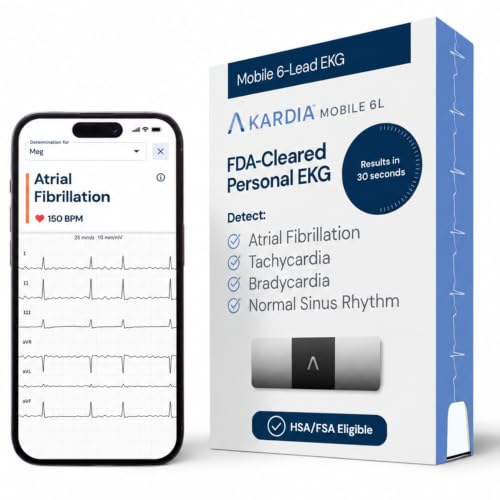
KardiaMobile 6L brings the six-lead format into a phone-based device without requiring a membership for recordings or rhythm determinations. Compared with the one-lead KardiaMobile, it provides a more detailed ECG view while retaining a 30-second capture time.
You’ll need the Kardia app on a compatible smartphone or tablet. For someone who wants recurring six-lead records without an ongoing membership plan, that arrangement is straightforward and nothing flashy.
The Helpful Details
- Six leads provide more recording detail than a single-lead unit.
- 30-second capture keeps each record brief and manageable.
- No membership is required for core six-lead recording.
- Compatible phone and tablet support keeps records mobile.
Room For Improvement
- A compatible mobile device and the Kardia app are required.
- Extra subscription features sit outside the core no-membership setup.
KardiaMobile 6L Max shares the six-lead, 30-second approach of the KardiaMobile 6L, then adds a one-year KardiaCare membership. Its leads I, II, III, aVL, aVR, and aVF create six distinct views, making this the more app-service-oriented route.
That bundle may suit you when membership features are already part of your intended routine. One thing worth considering is that it is not recommended for use with pacemakers or ICDs, so fit comes before feature depth.
Practical Advantages
- Six named ECG views provide a detailed record format.
- Includes one year of KardiaCare membership.
- 30-second recording works with compatible phones and tablets.
- Compact form supports records away from a desk.
- Unlimited recordings are included.
Points To Note
- Not recommended for people with pacemakers or ICDs.
- A compatible device and Kardia app remain necessary.
- The membership is included for one year, not open-ended.
Made For
You benefit most when you want six-lead phone records and plan to use the included KardiaCare membership.
Consider Something Else When
EMAY 6L Portable ECG Monitor, Smartphone and PC Compatible suits you more when computer-based review matters to your routine.
This Frontier X option is a replacement chest strap, not a standalone monitor. It is made for compatible sensor modules and uses an 80% nylon, 20% spandex construction with soft rubber-coated electrodes for a more comfortable long-wear setup.
Its adjustable 24-to-40-inch range gives many training routines room to work. Before replacing a strap, check your exact sensor model, since recessed modules such as Polar H9 and H10 are outside its compatibility list.
What It Does Well
- Adjusts from 24 to 40 inches for a personalized fit.
- Nylon and spandex construction supports flexible movement.
- Soft rubber electrode coating is designed for sweat exposure.
- Washable construction helps with regular workout care.
Small Caveats
- You need an existing compatible monitor module.
- It is not intended for swimming.
- Several recessed monitor designs are not compatible.
- Confirm your model before replacing your current strap.
What Matters Before You Select a Cardiac Monitor
Recording Style and Wear Time
A portable ECG recorder fits short, intentional captures at home, at work, or while traveling. A chest strap makes more sense for continuous wear through exercise, recovery, or sleep. Start with the routine you can realistically keep, because a device left in a drawer adds little practical value.
Single Lead or Six Leads
A lead is a viewing angle used in an ECG record. Single-lead devices prioritize compact handling, while six-lead options capture more views for a broader record. The added detail can matter to you, but it also may involve a larger device or a more deliberate recording routine.
Phone, Computer, and App Fit
Check whether your preferred option relies on a compatible smartphone, tablet, Bluetooth connection, or USB computer connection. KardiaMobile units use the Kardia app, while EMAY supports both phone and PC workflows. Your existing devices should guide this decision before features do.
Membership Structure
Some devices include a defined membership period, while others support core recording without one. Review what functions you expect to use day after day, rather than focusing only on the hardware. A bundled membership can suit an app-centered routine, while a no-membership model keeps the arrangement more direct.
A Few Details That Change the Decision
Common Shopping Slip Ups
Mixing up a replacement strap with a complete monitor is an easy mistake. Confirm whether you need a sensor module, a recording device, or only a compatible wearable band.
Where the Extra Money Goes
Higher-tier options often add six-lead ECG views, longer-term app services, or continuous data collection. The upgrade makes sense when you will actively use those added records or ongoing summaries.
Final Thoughts
Your routine should lead the choice. EMAY 6L and the KardiaMobile six-lead models suit detailed spot recordings, while Frontier X2 and Bioheart fit ongoing wearable tracking. For the smallest travel-friendly option, KardiaMobile 1-Lead keeps the process brief. Match the device to how you plan to record, wear, review, and store your information.