

A cereal bowl can be a practical part of your morning routine, especially when you want whole grains, fiber, or less added sugar without cooking from scratch. Your best fit depends on the texture you enjoy, whether you need gluten-free ingredients, and how much fiber feels comfortable in your usual breakfast. These seven options range from dense bran cereals to lightly sweetened oat rings and high-protein cinnamon pieces.
The Lineup, Simplified
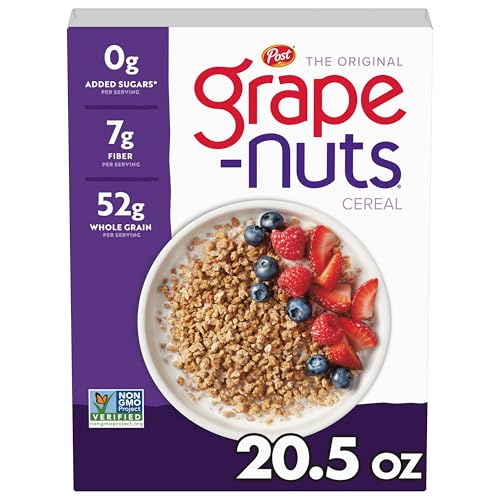
Grape-Nuts Original Cold Breakfast Cereal, 20.5 oz Box

Fiber One Original Bran Cereal, High Fiber, 19.6 oz

Cascadian Farm Organic Mixed Berry Cereal, No Added Sugar, 12.5 oz

Nature’s Path Organic Smart Bran Cereal, 10.6 oz Pack of 1
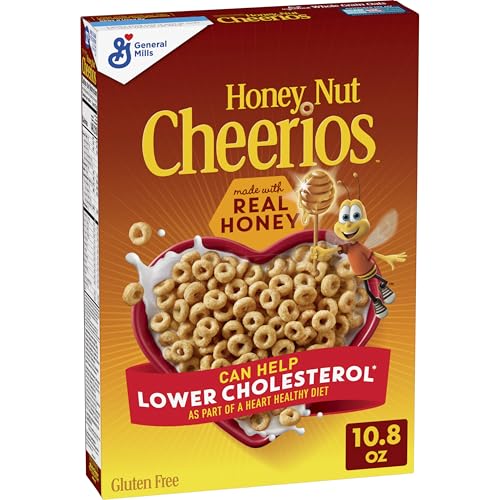
Cheerios Honey Nut Cereal
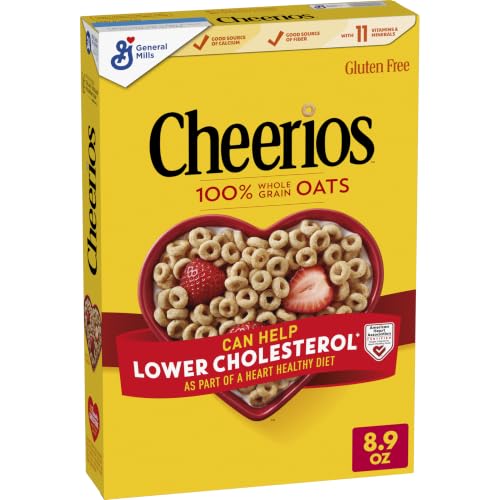
Cheerios Cereal, 8.9 oz

Catalina Crunch Cinnamon Toast Cereal
The Strengths Of Each Pick
Grape-Nuts brings a distinctly firm, pebble-like crunch that holds up well in milk and yogurt. Whole-grain wheat and barley form the base, giving you a simple cereal with an excellent source of fiber, iron, and folate.
For busy mornings, the large 20.5-ounce box suits a household that reaches for cereal often. The honest read is that this texture is notably harder than oat rings or flakes, so you’ll likely prefer it as a yogurt topping or slow-eating breakfast.
The Value In It
- Whole-grain wheat and barley provide a substantial cereal base.
- The crunchy nuggets stay distinct over a longer breakfast.
- Works as a cereal, snack, or textured yogurt topper.
- The 20.5-ounce box supports frequent pantry use.
Things To Consider
- The dense nugget texture needs more chewing than flake-style cereal.
- Wheat and barley make this a poor match for gluten-free eating.
Fiber One Original Bran puts its main attribute right on the table: 65% of the daily fiber value per serving. Fiber is a carbohydrate that passes through digestion differently from sugars and starches, and that high amount makes portion awareness especially useful.
Compared with Grape-Nuts, this is the more direct route for a fiber-first bowl. You may find a smaller serving mixed into yogurt or another cereal easier to work into your routine, especially while getting accustomed to a higher-fiber breakfast.
Useful Highlights
- Supplies 18 grams of whole grain per serving.
- Provides iron, vitamin B12, and calcium alongside fiber.
- Crunchy bran pieces can add texture to smoothies or yogurt.
Worth Noting
- The pronounced bran profile may not suit a sweeter cereal preference.
- A high-fiber serving deserves a gradual place in your usual meal pattern.
- Wheat-based cereal will not suit gluten-free pantries.
Made For
You’ll get the most from this cereal when your breakfast plan centers on a specifically high fiber contribution.
Consider Something Else When
Cascadian Farm Organic Mixed Berry Cereal suits you better when fruit flavor and no added sugar matter more than maximum fiber.
Cascadian Farm takes a gentler flavor direction than the first two bran-forward cereals. Crispy wheat and rice flakes include dried blueberries, strawberries, and date powder, with no added sugar listed.
Date powder contributes sweetness from fruit, rather than making this a plain cereal. For a weekday breakfast where you want berry flavor without a heavily sweetened profile, it’s a more approachable middle ground.
Useful Strengths
- No added sugar supports a more intentional cereal selection.
- Mixed berries and date powder create a fruit-led flavor.
- Provides 32 grams of whole grain per serving.
- Crispy flakes offer a lighter texture than Grape-Nuts.
- Works for a quick bowl or dry snack break.
Trade Offs
- The 12.5-ounce box is smaller than the bran cereals listed above.
Cascadian Farm Organic Mixed Berry Cereal, No Added Sugar, 12.5 oz
Nature’s Path Smart Bran combines wheat bran, oat bran, and psyllium. Psyllium is a soluble fiber that thickens in liquid, so the cereal has a different fiber makeup from the wheat-and-barley focus of Grape-Nuts.
The stated 18 grams of fiber makes this a concentrated option for people who deliberately build fiber into breakfast. Nothing flashy here, but the plant-based and vegan positioning helps narrow the fit for your pantry.
The Practical Payoff
- Brings together wheat bran, oat bran, and psyllium.
- Contains 18 grams of fiber per serving.
- Low-fat format fits a lighter cereal bowl.
- Contains no artificial flavors or colors.
Minor Gripes
- The 10.6-ounce box may disappear quickly in a shared kitchen.
- Its wheat content rules it out for gluten-free eating.
Honey Nut Cheerios shifts away from bran and toward familiar toasted oat rings with real honey and natural almond flavor. Whole-grain oats are the first ingredient, and each serving supplies 22 grams of whole grain.
That sweeter profile can make it easier to share at breakfast, particularly where plain bran cereal would sit untouched. One thing worth considering is that honey flavor is the point here, so this is not the no-added-sugar route.
What Works In Its Favor
- Whole-grain oats are listed as the first ingredient.
- Provides 22 grams of whole grain per serving.
Room For Improvement
- The honey-forward flavor is less suited to a plain, unsweetened cereal preference.
- The 10.8-ounce box is smaller than Grape-Nuts and Fiber One.
- Natural almond flavor deserves an ingredient-label check for your household.
Right Fit For
You’ll appreciate this option most in a shared home where a sweeter oat cereal has broad everyday appeal.
A Better Fit Elsewhere
Cascadian Farm Organic Mixed Berry Cereal suits you more when you want fruit flavor with no added sugar.
Plain Cheerios offers a simpler oat-ring route than the honey-flavored version above. The recipe uses 100% whole-grain oats, with 34 grams of whole grain and 1.5 grams of soluble fiber per serving.
Soluble fiber dissolves in water and forms a gel-like texture during digestion. For most breakfast tables, the mild flavor makes it easier to pair with berries, plain yogurt, or milk without competing sweetness.
Notable Upsides
- Made with 100% whole-grain oats.
- Supplies 34 grams of whole grain per serving.
- Provides 11 vitamins and minerals.
- Contains no artificial flavors or colors.
Points To Note
- The 8.9-ounce box is the smallest package in this group.
- Its mild flavor may feel too plain without your preferred toppings.
Catalina Crunch is the outlier here because protein shares the spotlight with fiber. A half-cup serving provides 11 grams of protein and 6 grams of fiber, in cinnamon toast-flavored pieces sweetened with stevia and monk fruit.
Compared with the oat-based Cheerios choices, this fits a more protein-conscious snack or breakfast routine. Depending on your usual serving size, the half-cup reference amount is worth keeping in mind before you pour a bowl.
Standout Benefits
- Contains 11 grams of protein per half-cup serving.
- Provides 6 grams of fiber in that serving size.
- Cinnamon toast flavor offers a distinct alternative to bran.
- Suitable for gluten-free eating.
- Works as a desk snack as well as breakfast.
Softer Spots
- The 9-ounce bag needs more frequent replacement in a multi-person household.
- Stevia and monk fruit create a flavor profile that differs from honey or fruit sweetness.
- The half-cup serving reference is smaller than some cereal habits.
What Matters Before You Choose a Cereal Routine
Start With the Grain and Fiber Source
Whole grains tell you what forms the cereal’s foundation, while fiber sources show you what creates its texture and nutritional profile. Oats bring soluble fiber, while bran cereals often rely more heavily on wheat bran, oat bran, or psyllium. Your usual breakfast matters: a crunchy yogurt topper can suit Grape-Nuts, while a milk-and-fruit bowl may suit plain Cheerios more naturally.
Compare Serving Sizes Before Pouring
Nutrition figures only make sense beside the stated serving amount. Catalina Crunch uses a half-cup serving reference, while different cereals can use different bowl portions. Use the nutrition panel as part of your personal meal plan rather than assuming every cereal bowl has the same composition.
Watch Added Sweeteners and Flavor Style
No added sugar does not mean a cereal has no sweetness, as fruit ingredients such as date powder still contribute flavor. Honey Nut Cheerios offers a sweeter oat experience, while Cascadian Farm gets its berry character from dried fruit and date powder. A taste you genuinely enjoy matters because it helps you keep breakfast routines realistic.
Make Space for Your Dietary Needs
Wheat appears in several high-fiber selections, including Grape-Nuts, Fiber One, and Nature’s Path Smart Bran. Plain Cheerios and Catalina Crunch fit gluten-free eating, based on their stated product details. Ingredient and allergen panels remain the right final check for your household.
A Few Smart Comparisons
Common Shopping Slip Ups
Don’t equate a sweeter taste with a poor choice or plain bran with the only fiber-focused route. Compare whole grains, fiber type, serving size, and ingredients together. A cereal that fits your actual morning routine is more useful than a box that stays in the cupboard.
Where the Extra Money Goes
Higher-tier cereal options may include organic ingredients, fruit components, specialized fiber blends, or added protein. Those details are worth paying for when they match a specific need, such as a plant-based routine or protein-focused breakfast. Otherwise, a straightforward oat or bran cereal can be the more sensible fit.
The Takeaway
Your most practical match comes down to the breakfast you’ll actually enjoy eating. Choose Fiber One or Nature’s Path Smart Bran for a concentrated fiber focus, plain Cheerios for straightforward whole-grain oats, or Catalina Crunch for protein alongside fiber. Cascadian Farm brings fruit-based sweetness without added sugar, while Grape-Nuts remains the crunchy whole-grain standby.