

A rushed weekday breakfast can leave you reaching for whatever is closest, but cereal can also bring whole grains, iron, vitamin B12, fiber, or protein into a simple bowl. Your best match depends on whether you want a fortified flake, a high-fiber bran cereal, a gluten-free option, or quick oats that take a minute to prepare. The seven options below cover distinct routines, from yogurt toppings and trail mix to warm oatmeal before a busy morning.
A Fast Comparison Of The Options

Cheerios Oat Crunch Cinnamon Cereal Family Size 24 oz

Total Whole Grain Breakfast Cereal 16 oz

Fiber One Original Bran Cereal Whole Grain 19.6 oz

Raisin Nut Bran Cereal Whole Grain 20.8 oz

Cheerios Protein Cereal Cinnamon Family Size 15 oz
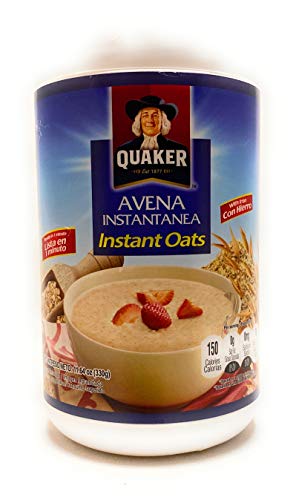
Quaker Avena with Iron Instant Oats 11.6 oz

LifeSeasons Blood Nourish-R Iron Supplement 60 Capsules
Inside Each Recommended Option
Cinnamon flavor and a crunchy oat topping give this cereal more texture than a plain O-shaped oat cereal. Whole grain oats lead the ingredient list, and each serving contains 31 grams of whole grain, making it a sensible pantry choice for your everyday bowl.
Your breakfast can stay quick on school mornings or before a commute, since the cereal is ready straight from the box. The 24-ounce family-size format may suit a household that goes through cereal steadily, though the cinnamon profile will matter more to you than the added crunch.
Notable Upsides
- Whole grain oats appear as the first ingredient.
- Crunchy oat pieces bring contrast to milk or yogurt.
- You can use it in trail mix or cereal bars.
- The family-size box supports a regular breakfast routine.
Things To Consider
- Cinnamon flavor makes this less suited to a plain cereal preference.
- The larger box takes more pantry room than a standard-size carton.
Total takes a more direct fortified-flake approach than Cheerios Oat Crunch Cinnamon Cereal. Each serving provides the full daily value of 11 listed vitamins and minerals, including iron and vitamin B12, while also delivering 34 grams of whole grain.
The crisp wheat flakes work well for your milk-and-cereal breakfast, but they can also add crunch to yogurt or homemade snack mixes. For your iron and B12 focus, this is arguably the clearest cereal choice here because those nutrients are specifically named rather than implied by a broader grain blend.
Everyday Advantages
- Includes iron and vitamin B12 among 11 listed nutrients.
- Provides 34 grams of whole grain per serving.
- Works as a quick cereal bowl before work.
- You can scatter flakes over yogurt for added crunch.
- Vegetarian positioning may fit your household routine.
Worth Noting
- Wheat flakes are not suited to a gluten-free eating pattern.
Fiber One Original Bran Cereal puts fiber ahead of flavor novelty. A serving supplies 65% daily value of fiber, plus 18 grams of whole grain, iron, vitamin B12, and calcium, so the ingredient profile is more targeted than Total’s broad vitamin list.
Fiber is the carbohydrate component of plant foods that your body does not fully digest. You may prefer this bran cereal in a morning bowl, stirred into yogurt, or baked into muffins, especially when your routine already emphasizes fiber-rich foods.
A Strong Showing
- Delivers 65% daily value of fiber per serving.
- Lists iron and vitamin B12 as excellent-source nutrients.
- Bran texture can add substance to yogurt and smoothies.
Trade Offs
- Original bran flavor is less sweet than cinnamon or raisin-based cereals.
- Your pantry routine should account for the 19.6-ounce box.
- A high-fiber cereal may fit best alongside your established eating habits.
Raisin Nut Bran Cereal brings more built-in variety than the plain bran profile of Fiber One Original Bran Cereal. Crispy wheat and bran flakes are joined by raisins and almonds, while whole grain is the first ingredient and each serving contains 38 grams of whole grain.
For your snack drawer, the raisin-and-almond mix can feel more complete without extra add-ins. The honest read is that its fruit-and-nut character is the point, so this option suits you better when you enjoy those ingredients rather than need a neutral cereal base.
The Good Stuff
- Combines wheat flakes, bran, raisins, and almonds.
- Provides 38 grams of whole grain per serving.
- Contains 7 grams of fiber per serving.
- You can use it as a snack or in homemade cereal bars.
- The 20.8-ounce box supports repeat pantry use.
- Whole grain appears first in the ingredient list.
Minor Gripes
- Almonds make this unsuitable for your nut-free household.
Who It Suits Best
You benefit most from this cereal when you want a fruit-and-nut breakfast with 7 grams of fiber.
Where Another Pick Suits Better
Cheerios Protein Cereal Cinnamon Family Size 15 oz suits your gluten-free cinnamon routine more closely.
Cheerios Protein Cereal shifts the focus from high fiber to protein, with 8 grams per serving from oats and pea protein. Unlike Raisin Nut Bran Cereal, it is gluten-free and uses a cinnamon cereal profile without raisins or almonds.
Its 12 grams of whole grain sit below the other grain-forward cereals here, but protein may be the deciding factor for your breakfast. For a gym bag snack mix or an afternoon bowl, the smaller 15-ounce family-size carton may be easier to rotate through.
Real-World Strengths
- Provides 8 grams of protein per serving.
- Uses an oat and pea protein blend.
- Gluten-free status fits your gluten-free pantry.
- No artificial colors or flavors are listed.
Room For Improvement
- Whole grain content is 12 grams per serving, lower than several cereals here.
- Oat allergen information matters for your household planning.
Quaker Avena with Iron is the warm-breakfast alternative in this group. Rather than pouring a cold cereal bowl, you prepare these instant oats in about one minute, making them useful for your early morning kitchen routine.
You can top the oats with fruit, nuts, or cinnamon to shift the flavor toward your preferences. Compared with Cheerios Protein Cereal, this option does not supply a stated protein amount, but its iron positioning and warm texture may suit you better on cooler mornings.
What Pays Off
- Prepares in about one minute.
- Contains iron-focused instant oats.
- You can personalize each bowl with fruit or nuts.
- Flaked oats create a warm alternative to cold cereal.
- Gluten-free labeling supports compatible meal plans.
Points To Note
- You need access to hot water or a microwave for preparation.
- The 11.6-ounce format may require more frequent restocking for daily oatmeal.
- Toppings add flavor flexibility, but also require separate pantry ingredients.
LifeSeasons Blood Nourish-R is not a cereal, so it belongs in this list only for your capsule-based iron and B12 routine. The 60-capsule formula lists iron, vitamin B12, beet root, alfalfa, raspberry, and other botanical ingredients.
That format may suit you when a breakfast food does not match your schedule or taste preferences. Still, your cereal decision remains separate from a capsule product, and ingredient review matters before you add any supplement to your routine.
A Favorable Mix
- Includes both iron and vitamin B12.
- Comes in a 60-capsule format.
Softer Spots
- Capsules do not replace the taste, texture, or meal role of cereal.
- Botanical ingredients require a closer label review for your personal routine.
- You need to be comfortable taking capsules rather than eating fortified food.
- Your existing nutrition plan may call for professional guidance before changes.
Made For
You may prefer this format when capsules fit your established nutrient routine better than cereal bowls.
Consider Something Else When
Total Whole Grain Breakfast Cereal 16 oz suits you better when you want iron and B12 in a ready-to-eat cereal.
What Matters Before Adding Iron and B12 Cereal
Check the Named Nutrients
Fortified cereal varies widely, so start with labels that specifically name iron and vitamin B12. Total Whole Grain Breakfast Cereal and Fiber One Original Bran Cereal directly list both, while other cereal options in this group focus more on whole grain, protein, fiber, or iron alone.
Compare the Grain Source
Whole grain describes cereal made with the complete grain kernel rather than a refined portion. Total provides 34 grams of whole grain, Raisin Nut Bran provides 38 grams, and Cheerios Oat Crunch provides 31 grams, so your choice can reflect whether wheat, bran, or oats belong in your normal breakfast rotation.
Match Flavor to Your Routine
A cereal you enjoy regularly has more practical value than a highly fortified box that stays unopened. Cinnamon works for a sweeter bowl, bran fits a more neutral profile, and raisin-and-almond cereal brings its own toppings. Warm Quaker Avena with Iron suits your routine when cold milk and crunchy flakes sound unappealing.
Consider Meal Format
Cold cereal works for a fast pour-and-eat breakfast, yogurt topping, or snack mix. Instant oats require preparation but allow fruit, nuts, and cinnamon from your kitchen. Capsules are a separate category from breakfast foods, so keep that distinction clear while planning your pantry.
Small Details That Change the Fit
Common Shopping Slip Ups
Do not assume every whole-grain cereal includes vitamin B12 or iron. Check the nutrient list, grain type, and allergens before committing to a larger box.
Where the Extra Money Goes
More specialized choices can add protein blends, a gluten-free format, nuts and dried fruit, or a larger nutrient list. Paying more makes sense when that added feature matches your regular breakfast, not merely because the carton carries extra claims.
The Takeaway
Total Whole Grain Breakfast Cereal 16 oz is the most direct fit for your iron-and-B12 cereal goal because both nutrients are clearly listed alongside whole grain wheat flakes. Fiber One Original Bran Cereal is a better match for your fiber-focused routine, while Cheerios Protein Cereal works for gluten-free protein priorities. Let your usual breakfast habits, flavor preferences, and ingredient needs make the final call.