

A chair can become the center of your day after hip surgery, from breakfast and reading to resting between short walks around your home. You need a seat that suits your movement plan, your room, and the help available nearby. The options below range from tall recovery chairs with footrests to reclining medical-style seating and foldable transport chairs for appointments.
How The Shortlist Stacks Up

Lumex 3-Position Medical Recliner, Royal Blue

Lumex 3-Position Medical Recliner, Doe Skin

Lumex 3-Position Medical Recliner, Jade
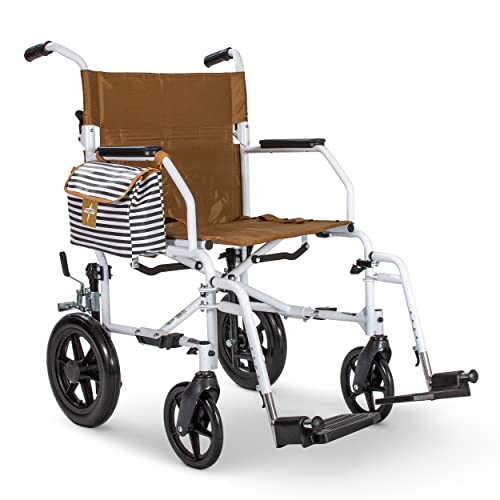
Medline Foldable Transport Chair, White

Lumex Everyday Hip Chair, Blue Ridge

Lumex Everyday Hip Chair, Rosewood

KLASIKA Waiting Room Chair, Black
Taking A Closer Look At The Options
The Royal Blue Lumex suits a recovery setup where you need a chair for meals, visits, and rest without moving to a bed. Its three positions include upright, partial recline, and full recline, while its articulating headrest adjusts for your preferred head position.
Multi-density foam means the seat uses layers of foam with different firmness levels. You may appreciate that structure during longer seated stretches, though a caregiver must operate the position lock.
Practical Advantages
- Three recline settings suit changing parts of your day.
- Contoured seat and backrest support a more settled seated position.
- Smooth-rolling wheels help reposition the chair within your home.
- Steel frame and Flex-o-Later seat system support up to 250 pounds.
Things To Consider
- Another person is needed to operate the recline lock.
- Rolling chairs need a clear route between rooms.
Functionally, the Doe Skin version matches the Royal Blue Lumex, so your color preference can guide this choice. You get the same contoured cushioning, adjustable headrest, wheels, and three-position arrangement.
For a living room where the chair remains in view, the neutral Doe Skin finish may feel easier to place beside existing furniture. The honest read is that this remains a caregiver-assisted recliner rather than a chair you adjust alone.
The Practical Payoff
- Upright positioning works for meals and conversation.
- Partial and full recline add options for quiet breaks.
- Headrest adjustment gives you a more personal sitting setup.
Worth Noting
- Its 250-pound capacity needs to suit your intended user.
- Position changes require caregiver involvement.
- Wheels are more useful indoors than over thresholds.
Who It Suits Best
You benefit most from this version when a neutral-toned, wheeled recliner will stay in a shared room.
Where Another Pick Suits Better
Lumex Everyday Hip Chair, Blue Ridge suits you better when a consistently raised 27-inch seat is your main priority.
The Jade version brings the same 41 by 25 by 47-inch recliner format as the other Lumex medical recliners, with a green finish for a different room look. Its wheels are particularly useful where your recovery seat needs to move between a bedroom and family room.
Like the Doe Skin model, it uses multi-density foam and a contoured back. One thing worth considering is the chair’s 47-inch height, which deserves a quick room-space check before delivery.
Why It Works Well
- Three fixed positions keep your daily routine flexible.
- Wheels help a helper relocate the chair around your home.
- Articulating headrest adjusts to your preferred head placement.
- Jade upholstery gives you an alternative to neutral finishes.
- Steel construction supports a 250-pound capacity.
Trade Offs
- The position lock is not designed for independent adjustment.
Unlike the Lumex recliners, this Medline chair is built around assisted transport rather than extended lounging. The foldable steel-welded frame and 34-pound weight suit car trips, clinic visits, and short outdoor routes with a companion pushing.
Its 12-inch rear wheels are made for uneven terrain, while the seat belt helps limit sliding during transport. You may find it especially useful for appointments, but it is not a substitute for a raised recovery chair at home.
Standout Benefits
- Foldable design takes up less space between outings.
- Tool-free assembly reduces setup steps.
- 12-inch rear wheels suit paths with modest surface changes.
- 300-pound capacity broadens its stated fit range.
Points To Note
- You need another person available for transport.
- The 34-pound chair still requires lifting into a vehicle.
The 27-inch seat height is the main reason to consider this Blue Ridge Lumex chair. Rather than reclining like the earlier Lumex choices, it gives you a consistently tall perch with full-length padded arms for leverage during transitions.
An adjustable footrest helps you set a more comfortable lower-leg position while seated. For most home recovery areas, this dedicated-chair approach is more direct than using a transport chair for everyday sitting.
What Stands Out
- 27-inch seat height supports a higher sitting position.
- Padded full-length arms offer a place for your hands during transitions.
- High-density foam cushions the seat and backrest.
- Textured strip on the footrest adds grip underfoot.
- Wipeable surfaces suit frequent daily cleanup.
Softer Spots
- Its 27 x 27 x 34-inch footprint needs a dedicated floor area.
- At 44.9 pounds, it is not intended for frequent carrying.
- The fixed chair design does not offer recline positions.
The Rosewood Lumex offers the same tall 27-inch seat, padded arms, foam cushioning, and adjustable footrest as the Blue Ridge version. Your decision between the two comes down largely to the finish and where the chair will live.
At 43.3 pounds, this is a chair you may want to position near a favorite table, television, or window and leave in place. Nothing flashy, but the raised seat and arm support address the daily task of getting settled repeatedly.
What Earns Its Place
- Raised seat keeps the sitting height consistent throughout the day.
- Adjustable footrest lets you tailor lower-body positioning.
- Reinforced metal frame suits regular indoor use.
Small Caveats
- Its 24.02 x 34.02 x 24.02-inch dimensions need measuring against your available space.
- You do not get wheels for moving it room to room.
- Footrest height needs adjustment to suit your seated position.
- It is not designed as a foldable travel chair.
Made For
You benefit most from this chair when you want a fixed-height recovery seat with a warmer Rosewood finish.
Consider Something Else When
Medline Foldable Transport Chair, White fits you better when car transport and compact storage matter more than daily lounging.
The KLASIKA is the outlier here, built as a wheeled desk or waiting-room chair rather than a recovery-specific seat. Its mesh backrest adjusts from 90 to 115 degrees, and the 2.7-inch foam cushion gives you a softer place for brief seated tasks.
Compared with the tall Lumex hip chairs, its seat height and arm structure are not designed around post-surgery transitions. You may prefer it for a home desk during short sessions, provided your care plan allows that seating style.
What Makes Sense
- 360-degree swivel wheels help you reposition at a desk.
- Breathable mesh back can feel less warm during daytime work.
- Adjustable back angle supports a more personalized desk posture.
- 275-pound capacity gives you a stated fit reference.
- Metal frame supports its office-focused construction.
- Assembly follows included instructions.
Areas To Watch
- Check that your recovery instructions suit a standard office-chair format.
- Swivel wheels can be less suitable than a fixed chair for standing transitions.
What Matters Before Bringing Home a Recovery Chair
Seat Height and Arm Support
Your sitting height matters more than extra features during daily transitions. A tall seat, such as the 27-inch Lumex Everyday Hip Chair models, can be easier to approach than a low lounge chair. Full-length arms also give your hands a consistent place to rest while you follow your movement instructions.
Reclining Versus Fixed Seating
A recliner suits long periods spent reading, visiting, or resting in one room. The Lumex 3-Position Medical Recliners add upright, partial, and full-recline settings, though another person must manage the lock. A fixed hip chair makes more sense where you want the same elevated seat every time.
Mobility Around Home or Away
Wheels can mean two very different things. Recliner wheels help a helper move your main chair between rooms, while the Medline transport chair is intended for assisted trips outside your home. Measure hallways, doorways, and the space beside your bed or sofa before selecting either style.
Foot Position and Room Placement
An adjustable footrest can help you settle into a chair that will remain in one location. Check the chair dimensions against the usable floor area, not just the room’s total size. Leave enough room for your preferred walking aid and for anyone helping you sit down or stand up.
Details That Shape the Decision
Common Shopping Slip Ups
Avoid selecting a chair by appearance alone. Check seat height, arm design, stated capacity, and whether the chair requires assistance for adjustment. A transport chair and a dedicated recovery chair solve different daily problems.
Where the Extra Money Goes
Higher-tier recovery seating often adds structured foam, adjustable head support, steel framing, movable bases, or controlled recline positions. Paying more makes sense when you need those specific functions every day, not just a place to sit briefly.
Closing Remarks
Your best fit depends on how you spend your recovery day. Choose a raised Lumex Everyday Hip Chair for a dedicated home seat, a three-position Lumex recliner for longer indoor rest periods, or the Medline transport chair for assisted appointments. Match the chair to your space, your daily routine, and the level of help available around you.