

A chocolate snack can fit neatly into your work bag, gym tote, or afternoon pantry routine, but the right format depends on what you need from it. Some bars bring substantial protein and fiber, while cocoa powder gives you a flexible ingredient for smoothies, coffee, or baking. These six choices help you match chocolate flavor to your routine, dietary preferences, and preferred level of preparation.
Your Options, Compared

KIND Healthy Snacks Bars Dark Chocolate Nuts & Sea Salt
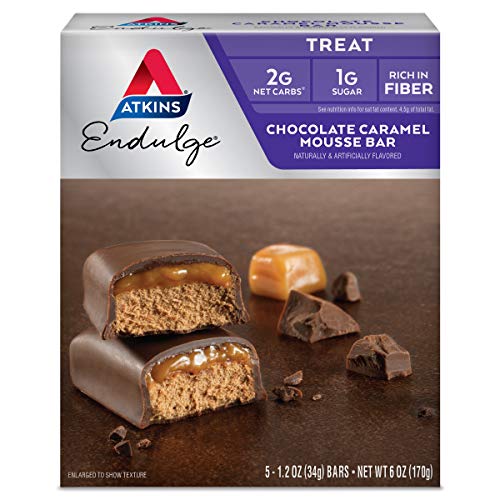
Atkins Endulge Chocolate Caramel Mousse Bar 5 Count

ALOHA Organic Plant Based Protein Bars Peanut Butter Cup

ALOHA Plant Based Protein Bar Peanut Butter Chocolate Chip

MET-Rx Big 100 Protein Bars Chocolate Chip Cookie Dough
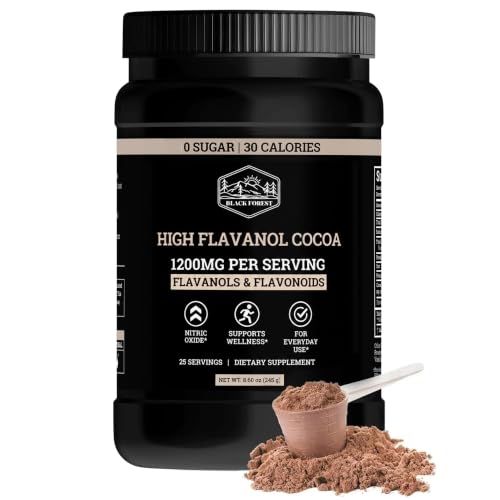
Black Forest High Flavanol Cocoa Powder 1200mg Flavanols
A Closer Look At Each Pick
Dark chocolate, almonds, peanuts, and sea salt give this 1.4-ounce bar a more substantial snack profile than a typical chocolate square. Each bar supplies 6 grams of protein and is high in fiber, making it a practical desk-drawer choice during long workdays or a commute.
Almonds lead the ingredient profile, so the texture leans crunchy rather than mousse-like. For most afternoon snack routines, that straightforward nut-and-chocolate combination is appealing, though it is not the fit for anyone avoiding peanuts or tree nuts.
A Few Strong Suits
- Individual wrappers travel neatly in a bag or car console.
- Six grams of protein adds more staying power than chocolate alone.
- High fiber supports a more filling snack routine.
- Dark chocolate and sea salt balance the nut-forward flavor.
Things To Consider
- Peanuts, sesame, soy, and tree nuts matter for ingredient-sensitive households.
- The crunchy nut format differs sharply from a soft dessert bar.
For a softer chocolate moment, this 1.2-ounce bar pairs chocolate flavor with a creamy caramel-style center. It has 1 gram of sugar and 2 grams of net carbs per serving, placing it closer to a low-carb treat than KIND Healthy Snacks Bars Dark Chocolate Nuts & Sea Salt.
Net carbs are total carbohydrates after fiber and certain sugar alcohols are accounted for. The formula includes 12 grams of sugar alcohols, so you may prefer to start with one bar during a routine that does not already feature sugar-alcohol sweeteners.
Real-World Strengths
- Individually wrapped bars work well in a small work bag.
- One gram of sugar suits low-sugar eating plans.
- Eight grams of fiber add structure to a treat-style snack.
Worth Noting
- The five-bar carton is smaller than the 12-count bar boxes here.
- Sugar alcohols are a meaningful ingredient check for your usual eating pattern.
Who It Suits Best
Low-carb eaters who prefer a small, soft-textured chocolate snack will get the clearest fit.
Where Another Pick Suits Better
ALOHA Organic Plant Based Protein Bars Peanut Butter Cup suits plant-based routines needing substantially more protein and fiber.
ALOHA Organic Plant Based Protein Bars Peanut Butter Cup brings 14 grams of plant-based protein and 10 grams of fiber into a 1.98-ounce bar. That makes it more meal-like than the Atkins bar, especially after a workout or during a rushed breakfast.
Its protein comes from organic brown rice and pumpkin seed protein. The bar is vegan, dairy-free, soy-free, and gluten free, which gives you a wider dietary fit than nut-based KIND Healthy Snacks Bars Dark Chocolate Nuts & Sea Salt.
Bright Spots
- Fourteen grams of protein supports a more substantial snack break.
- Ten grams of fiber can help your breakfast feel less improvised.
- Peanut butter cup flavor keeps the format recognizably chocolatey.
- No stevia, erythritol, or maltitol suits ingredient-conscious routines.
- Vegan and dairy-free details help simplify shared pantry planning.
Trade Offs
- The larger 1.98-ounce bar may feel more filling than a light dessert snack.
The peanut butter chocolate chip version shifts ALOHA’s chocolate direction from cup-style flavor toward a sweet-and-salty snack profile. You get 12 plant-based bars per box, made with USDA Organic ingredients and without artificial ingredients.
Compared with the Peanut Butter Cup version, this choice suits you when chocolate chips sound more appealing than a dessert-inspired center. Nothing flashy, but the familiar flavor pairing makes sense for repeat weekday snacking.
What Helps Most
- Peanut butter and chocolate chips bring a familiar flavor balance.
- Twelve bars make pantry planning easier for your workweek.
Minor Gripes
- Peanut butter flavor is a poor match for households avoiding peanuts.
- The listed information centers on flavor and ingredients rather than detailed nutrition figures.
- A full box takes more shelf room than a five-count carton.
Made For
Plant-based snackers who enjoy peanut butter chocolate chip flavor in an individually portioned bar fit this choice.
Consider Something Else When
KIND Healthy Snacks Bars Dark Chocolate Nuts & Sea Salt suits you more when crunchy almonds and sea salt matter.
MET-Rx Big 100 Protein Bars Chocolate Chip Cookie Dough is built for the days a small snack will not do. It provides 30 grams of protein, more than double the ALOHA bars listed here, and comes in a nine-count box.
The protein blend combines fast- and slow-absorbing sources, meaning the ingredients digest at different rates. That detail may appeal around demanding training schedules, although the larger nutrition-bar approach can feel excessive for a casual chocolate craving.
What Makes Sense
- Thirty grams of protein suits higher-protein meal breaks.
- Chocolate chip cookie dough gives you a dessert-style direction.
- The bar format travels easily for gym-bag or office use.
- Eighteen vitamins and minerals add broader nutritional coverage.
- Nine bars support a planned rotation rather than single servings.
- The protein blend suits structured training-day routines.
Room For Improvement
- The high-protein format may not suit a light midmorning snack.
- Nine bars provide fewer portions than the 12-count ALOHA boxes.
Black Forest High Flavanol Cocoa Powder takes a different route from the ready-to-eat bars. A serving supplies 1,200 milligrams of flavanols and flavonoids, plant compounds naturally found in cocoa, including 600 milligrams of epicatechin.
The non-alkalized powder is intended to retain more of cocoa’s natural compounds and mixes into coffee, oatmeal, smoothies, protein shakes, and baking. You control the recipe, which is useful in a busy kitchen, though you also need a spoon and a drink or food base.
Well-Handled Touches
- Powder format works across drinks, breakfast bowls, and baking.
- One scoop is about 10 grams for repeatable recipe planning.
- Dark cocoa flavor adds chocolate without added sugar.
- Vegan and non-GMO details suit plant-based pantry routines.
Points To Note
- You need to mix it rather than unwrap it during a commute.
- The concentrated dark cocoa profile may suit recipes better than a sweet snack.
- Measuring a scoop requires more preparation than a bar.
What Matters Before Adding Chocolate to Your Routine
Bar Texture and Daily Convenience
A wrapped bar makes sense during travel, at a shared office, or between errands because no prep is required. KIND Healthy Snacks Bars Dark Chocolate Nuts & Sea Salt brings crunch, while Atkins Endulge Chocolate Caramel Mousse Bar leans soft and dessert-like. Your preferred texture matters more than clever packaging when you plan to eat the same snack regularly.
Protein and Fiber Targets
Protein helps distinguish a substantial bar from a simple sweet snack. ALOHA Organic Plant Based Protein Bars Peanut Butter Cup provides 14 grams, while MET-Rx Big 100 Protein Bars Chocolate Chip Cookie Dough reaches 30 grams for larger meal breaks. Fiber also matters, particularly for breakfast replacement routines, but match the amount to the rest of your usual meals.
Sweeteners and Ingredient Preferences
Sugar alcohols are carbohydrate-based sweeteners often used to lower sugar content. Atkins Endulge Chocolate Caramel Mousse Bar includes 12 grams, while ALOHA Organic Plant Based Protein Bars Peanut Butter Cup avoids stevia, erythritol, and maltitol. Ingredient preferences are personal, so check the panel before stocking a whole box.
Powder Versus Ready-To-Eat Formats
Black Forest High Flavanol Cocoa Powder gives you recipe flexibility rather than instant portability. It fits a morning smoothie or coffee routine, while individually wrapped bars work better in places without a kitchen. A powder is the better match for you when preparation is already part of your day.
A Few Practical Distinctions
Common Shopping Slip Ups
Do not assume every chocolate bar offers the same protein, fiber, or sweetener profile. Check serving size and ingredients, especially around nuts, dairy, soy, and sugar alcohols.
Where The Extra Money Goes
Higher-tier bars often put more emphasis on plant-based protein, fiber, dietary exclusions, or organic ingredients. A concentrated cocoa powder can also justify a different budget when you will use it across several recipes.
Frequently Asked Questions About Chocolate for Health
Are chocolate protein bars suitable for breakfast?
They can fit breakfast when you need something portable. Higher-protein choices such as ALOHA or MET-Rx feel more substantial than a small treat bar.
What does high-flavanol cocoa mean?
Flavanols are naturally occurring plant compounds found in cocoa. Black Forest High Flavanol Cocoa Powder lists 600 milligrams of flavanols per serving.
Which option works for a plant-based diet?
Both ALOHA bars and Black Forest High Flavanol Cocoa Powder are vegan. ALOHA also lists dairy-free and soy-free details for its Peanut Butter Cup bar.
Are all these choices gluten free?
KIND Healthy Snacks Bars Dark Chocolate Nuts & Sea Salt and both listed ALOHA bars are gluten free. Black Forest High Flavanol Cocoa Powder is also listed as gluten free.
Which option is easiest to carry?
Individually wrapped bars are the easiest format for a commute or travel day. Atkins Endulge Chocolate Caramel Mousse Bar comes in a compact 1.2-ounce bar.
The Takeaway
Your best fit comes down to how chocolate fits into your actual day. Reach for KIND Healthy Snacks Bars Dark Chocolate Nuts & Sea Salt for nutty convenience, ALOHA or MET-Rx for more protein, Atkins for a low-sugar mousse-style treat, or Black Forest cocoa for recipes. A choice that matches your habits is more likely to earn a regular place in your pantry.