

Skin picking can leave small areas feeling dry, exposed, and uncomfortable, especially around hands, arms, or spots you touch throughout the day. A suitable ointment, hydrogel, or spray can add moisture or a protective layer without turning your routine into a complicated project. The right format matters too: sprays suit hard-to-reach areas, while gels and ointments stay where you place them.
A Closer Look At The Lineup

terrasil Skin Repair Ointment for Folliculitis, Boils.5oz
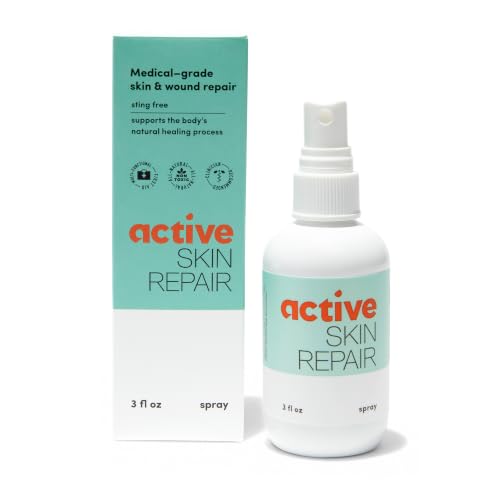
Active Skin Repair First Aid Spray, 3 oz

Active Skin Repair First Aid Hydrogel, 3 oz

Active Skin Repair Kids First Aid Spray, 3 oz

CeraVe Healing Ointment 3oz

Active Skin Repair Hydrogel and Spray Bundle
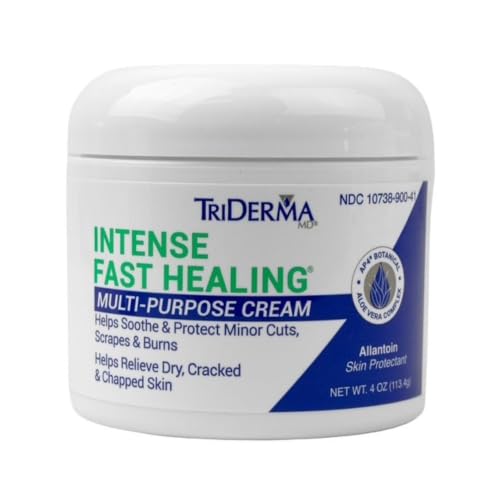
TriDerma Intense Fast Healing Cream, 4 Ounces

DermaZinc Therapy Cream for Skin
A Breakdown Of The Leading Choices
For a small spot that needs a thicker covering, terrasil uses an ointment texture rather than a loose liquid. Its formula combines allantoin, a skin-conditioning ingredient, with jojoba oil, calendula, and activated minerals. You may find that consistency useful on knuckles, fingers, or other places that get frequent friction.
The .5-ounce tube makes sense for a bag or bedside drawer, not for broad body application. A thin layer can be used up to three times daily after cleaning and drying the area.
Good Reasons To Consider
- Thicker ointment format stays focused on small areas.
- Jojoba oil and calendula add moisture to dry-feeling skin.
- Fragrance-free formula suits routines avoiding scented products.
- Small tube takes little room in a daily carry pouch.
Things To Consider
- The .5-ounce size is better for spot use than frequent large-area application.
- Plan on clean, dry skin before each application.
Active Skin Repair First Aid Spray takes a hands-off route, which can feel more convenient for spots you would rather not rub. The 3-ounce bottle uses hypochlorous acid, a compound used in topical cleansing formulas. Compared with terrasil’s dense ointment, this is the cleaner choice for quickly covering a larger surface.
Its alcohol-free, steroid-free formula is designed without harsh stinging ingredients. For a commuter bag or gym locker, the narrow 1.85-by-1.89-by-5.7-inch bottle is a practical size.
Everyday Wins
- Spray delivery avoids repeated finger contact with the area.
- 3-ounce size fits easily into a compact first-aid pouch.
- Alcohol-free formula suits those avoiding that ingredient.
Worth Noting
- A spray leaves a lighter finish than an ointment or hydrogel.
Who It Suits Best
You benefit most from this spray when you want portable, low-contact application for scattered small areas.
Where Another Pick Suits Better
Active Skin Repair First Aid Hydrogel suits you better when you want a formula that remains in place.
A hydrogel gives you a middle ground between the spray’s light mist and terrasil’s occlusive ointment feel. Active Skin Repair uses hypochlorous acid in a gel base, so you can place it precisely without immediately wiping it away. That makes sense for hands, forearms, and areas under clothing.
The formula contains no alcohol, steroids, or synthetic antibiotics. The honest read is that the gel format is the more deliberate choice for a single area rather than a broad, quick spritz.
Why It Works Well
- Gel texture gives you more placement control than a spray.
- Alcohol-free formula avoids an alcohol-based routine.
- 3-ounce bottle is manageable for regular home use.
- Suitable for cuts, scrapes, rashes, and irritated skin.
- Hydrogel can feel less messy than a heavy balm.
Trade Offs
- You need to dispense and spread the gel, unlike the spray version.
- The 3-ounce bottle is less compact than terrasil’s tube.
The Kids spray follows the same 3-ounce, hypochlorous-acid spray approach as the standard Active Skin Repair bottle. Its stated focus on children and sensitive areas makes it a useful household choice where a gentler-feeling application matters. You may prefer this format for quick cleanup after playground scrapes or everyday skin irritation.
Like the adult spray, it skips alcohol, steroids, and synthetic antibiotics. The trade-off is straightforward: it offers a light spray layer, not the lingering coverage of CeraVe Healing Ointment.
Everyday Perks
- Spray application can feel less intrusive for younger children.
- 3-ounce bottle stores neatly in a family first-aid kit.
Minor Gripes
- You still need to supervise use around the face and sensitive areas.
- A separate ointment may suit dry patches needing a thicker layer.
- Keep the bottle upright in bags to protect the sprayer.
Made For
You get the most from this bottle in a shared household where a spray format is easier to manage.
Consider Something Else When
CeraVe Healing Ointment 3oz suits you more when dry skin needs a moisture-sealing ointment texture.
CeraVe Healing Ointment is the moisture-first option here, built around petrolatum, hyaluronic acid, and three ceramides. Ceramides are naturally occurring skin lipids that help support the barrier that holds moisture in. For hands that feel dry after repeated washing or picking, that focused barrier approach is often more relevant than a spray.
It is fragrance-free, dye-free, lanolin-free, and non-comedogenic, meaning it is formulated not to clog pores. The finish is designed to feel less greasy than some petrolatum-based balms, though it remains an ointment.
Features That Help
- Petrolatum creates a protective moisture-retaining layer.
- Hyaluronic acid supports a more hydrated skin feel.
- Ceramides 1, 3, and 6-II support barrier-focused care.
- Fragrance-free and dye-free design fits minimal routines.
- Non-comedogenic formula suits areas prone to clogged pores.
- 3-ounce size works well for a bathroom cabinet or desk drawer.
Room For Improvement
- An ointment can transfer onto fabrics before it settles.
This bundle gives you both Active Skin Repair formats, one 3-ounce spray and one 3-ounce hydrogel. The spray is convenient for quick coverage, while the gel makes more sense for a spot you want to keep coated. That split can reduce the need to force one texture into every situation.
Both use hypochlorous acid and are formulated without alcohol, steroids, or synthetic antibiotics. For a household that keeps supplies in more than one room, the two-piece setup may feel more practical than buying a single format.
The Practical Payoff
- Includes both spray and hydrogel application styles.
- You can reserve the spray for quick use and gel for spot coverage.
- Each bottle holds 3 ounces.
- Shared homes can keep the two formats in separate locations.
Points To Note
- Two bottles require more cabinet space than a single item.
- This setup makes most sense when you expect to use both formats.
TriDerma brings a cream texture and a larger 4-ounce size to the list, making it more oriented toward regular body use than terrasil’s small tube. Its AP4 Aloe Vera Proprietary Complex is part of a formula intended to moisturize dry, irritated-looking skin. You may appreciate that broader role around elbows, hands, feet, or other areas that need routine attention.
Unlike CeraVe’s ointment base, this is a cream, so it may fit a preference for a lighter everyday texture. Nothing flashy here, just a larger-format option for a more established personal-care shelf.
Real-World Strengths
- 4-ounce tube provides more cream for routine body use.
- Cream format may feel lighter than a petroleum-style ointment.
- Aloe-based complex supports a moisture-focused routine.
Softer Spots
- The larger tube is less convenient for a pocket or very small bag.
- Those wanting a spray should choose an Active Skin Repair format.
- Check the full ingredient panel against your existing sensitivities.
- A cream may not stay put as firmly as a heavier ointment.
Right Fit For
You benefit most from TriDerma when a larger cream tube will be part of your regular body-care routine.
Not Your Match When
terrasil Skin Repair Ointment for Folliculitis, Boils.5oz suits you more for tiny, focused areas.
DermaZinc takes a different route from the moisture-barrier formulas above by using 0.25% zinc pyrithione. Zinc pyrithione is an ingredient found in some skin-care formulas for flaky, itchy, or irritated-looking areas. Aloe vera gel and vitamin E bring a moisturizing element to the cream.
This is the specialist choice for skin that also tends toward visible scaling or flaking. For plain dryness after picking, CeraVe’s simpler petrolatum-and-ceramide approach may be the easier starting point.
What Helps Most
- Contains 0.25% zinc pyrithione.
- Aloe vera gel and vitamin E add moisture-focused ingredients.
- Cream is intended for face, hands, elbows, and other targeted areas.
- Steroid-free formula suits those avoiding steroid ingredients.
Small Caveats
- The specialized active ingredient may not be necessary for simple dry patches.
- Use a small area first when introducing a new active formula.
What Matters Before Choosing Creams for Skin Picking
Match the Texture to the Area
Ointments work well for a small area needing a thicker moisture barrier, especially on hands and fingers. Creams feel more practical for larger dry areas, while hydrogel gives you controlled placement without a dense balm feel. Sprays are the least hands-on option for awkward locations or quick routine use.
Keep Ingredients Straightforward
A fragrance-free and dye-free formula can make sense when you prefer fewer cosmetic additives. Petrolatum and ceramides support moisture retention, while hyaluronic acid is included for hydration-focused care. Zinc pyrithione is more specialized, so it fits a different need than a basic barrier ointment.
Consider Where It Will Live
A .5-ounce tube belongs in a small pouch, while a 4-ounce cream is better suited to a bathroom shelf or desk drawer. A 3-ounce spray is easy to keep in a first-aid kit, but it provides a lighter layer than an ointment. The hydrogel-and-spray bundle helps when you want one format at home and another in a bag.
Build a Simple Routine
Clean and dry the area before applying a topical product. Keep the number of steps manageable, particularly during busy mornings or before bed. A texture you will actually use consistently matters more than a long ingredient list.
Small Details That Change the Fit
Common Shopping Slip Ups
Avoid treating all formats as interchangeable. A spray is convenient, but it will not create the same moisture barrier as petrolatum-based ointment.
Where the Extra Money Goes
Higher-tier options may include multiple formats, specialized active ingredients, or barrier-supporting ingredients such as ceramides. Paying more makes sense when those particular details fit your routine, not just because a label sounds more technical.
Frequently Asked Questions
What texture works best for small picked areas?
Ointments and hydrogels give you more targeted placement than sprays. Ointments usually create the thicker moisture barrier.
Can you use a spray instead of a cream?
You can use a spray for light, hands-off application. It will not provide the same coating texture as a cream or ointment.
Why are ceramides useful in an ointment?
Ceramides are lipids that support the skin’s moisture barrier. They are useful when dryness is a main concern.
Is a fragrance-free formula worth considering?
Yes, fragrance-free products reduce one common cosmetic additive. That can simplify your routine around sensitive-feeling areas.
Which size is easiest to carry?
A .5-ounce tube takes the least space in a pouch. A 3-ounce spray is still manageable for many bags.
Closing Remarks
Your best match depends on whether you need a thicker moisture barrier, a controlled gel, or a hands-off spray. CeraVe Healing Ointment 3oz suits dry skin routines, while Active Skin Repair First Aid Hydrogel gives you more precise gel coverage. Keep the texture and your everyday routine at the center of the decision.