

Flat‑free and foam‑filled tires are the easiest way to avoid flats and cut maintenance on wheelchair and mobility scooter wheels. Trusted brands like AlveyTech, Primo/Aftermarket Group, Wealrti, and Vive offer reliable replacements. Match wheel diameter (6″, 8″, 14″, 24″), rim width, and hub bore to the vehicle for proper fit. Choose pre‑installed bearings or complete assemblies to make installation faster; solid or foam tires trade some shock absorption for puncture resistance.
| AlveyTech 6″x2″ Rear Caster Wheel Assembly for Power Chairs |

| Vehicle-Specific Replacement | Wheel Size: 6″ (diameter) | Tire Type / Construction: Solid polyurethane (flat-free, non-marking) | Intended Use / Vehicle: Power chairs / mobility scooters (rear caster) | VIEW LATEST PRICE | Read Our Analysis |
| Aftermarket Group 14″ x 3″ Flat-Free Wheelchair Tire |
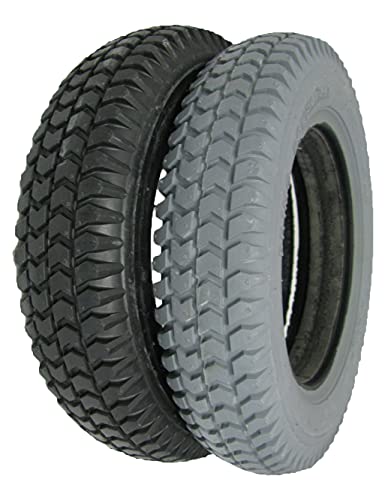
| Puncture-Proof Foam | Wheel Size: 14″ x 3″ | Tire Type / Construction: Foam-filled (flat-free) | Intended Use / Vehicle: Wheelchairs (replacement tire) | VIEW LATEST PRICE | Read Our Analysis |
| Wheelchair Rear Replacement Polyurethane Flat-Free Tires (Pair) |

| Universal Solid Fit | Wheel Size: 24″ x 1″ | Tire Type / Construction: Solid polyurethane foam (flat-free) | Intended Use / Vehicle: Wheelchairs (rear wheel replacement) | VIEW LATEST PRICE | Read Our Analysis |
| Wealrti 8″ Front Wheel Replacement for Wheelchairs |

| Durable Front Castors | Wheel Size: 8″ (diameter) | Tire Type / Construction: Solid PVC (solid, wear-resistant) | Intended Use / Vehicle: Wheelchairs / transport chairs / rollators / walkers | VIEW LATEST PRICE | Read Our Analysis |
| One Piece 8″ Front Wheel for Vive Mobility Scooter |
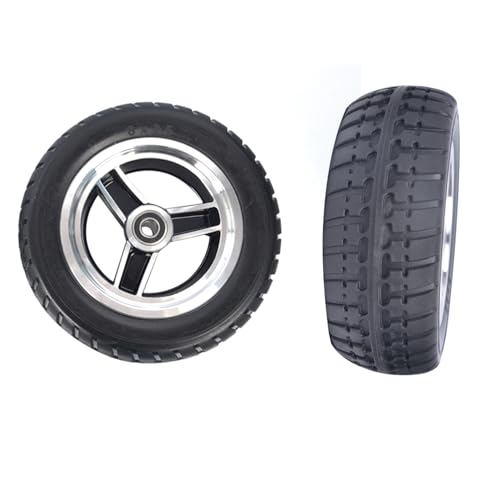
| OEM-Compatible Front | Wheel Size: 8″ (diameter) | Tire Type / Construction: Solid maintenance-free wheel (solid tire) | Intended Use / Vehicle: 4-wheel mobility scooter (front wheel) | VIEW LATEST PRICE | Read Our Analysis |
More Details on Our Top Picks
AlveyTech 6″x2″ Rear Caster Wheel Assembly for Power Chairs
In case you need a direct, vehicle-specific replacement for worn rear casters on a Jazzy or esteem power chair, the AlveyTech 6″x2″ Rear Caster Wheel Assembly fits those models out of the box and installs easily. You’ll get a 6″ diameter, 2″ rim width wheel with a 6″ pitch circle diameter and black polyurethane solid tire that’s flat-free and non-marking. It ships with 638RS bearings installed, weighs about 1.25–1.3 lb, and matches manufacturer part numbers WHLASMB2047 / P49-8836. It’s vehicle-specific for several Jazzy and esteem models, has a 4.2-star rating, and Amazon returns.
- Wheel Size:6″ (diameter)
- Tire Type / Construction:Solid polyurethane (flat-free, non-marking)
- Intended Use / Vehicle:Power chairs / mobility scooters (rear caster)
- Flat‑Free / Puncture Resistance:Flat-free, non-marking
- Compatibility / Fit Type:Vehicle-specific fit for listed Pride Jazzy/Select/Elite models
- Installation / Included Hardware or Tools:Easy installation; bearings included and installed (638RS)
- Additional Feature:Includes 638RS bearings
- Additional Feature:Non-marking polyurethane tire
- Additional Feature:Vehicle-specific fit
Aftermarket Group 14″ x 3″ Flat-Free Wheelchair Tire
Provided you need a maintenance-free replacement that eliminates punctures, the Aftermarket Group 14″ x 3″ flat-free wheelchair tire (TAG114291) is a strong choice for powerchair and scooter owners who want reliable, low‑upkeep wheels. You’ll get a grey, foam-filled Primo Powertrax tire with a flat tread and a bead-to-bead measurement around 1-3/4″. It’s latex-free and won’t rise above the bead like some older Invacare foam tires (1041448). Designed as an aftermarket replacement, it removes puncture risk while maintaining stable contact. Check manufacturer or seller resources for exact fitment, installation guidance, and full specifications.
- Wheel Size:14″ x 3″
- Tire Type / Construction:Foam-filled (flat-free)
- Intended Use / Vehicle:Wheelchairs (replacement tire)
- Flat‑Free / Puncture Resistance:Flat-free (foam-filled, no puncture risk)
- Compatibility / Fit Type:Aftermarket replacement for standard 14″ x 3″ wheelchair rims (check fit)
- Installation / Included Hardware or Tools:Standard replacement tire; installation details available from seller (no extra tools listed)
- Additional Feature:Foam-filled (Primo Powertrax)
- Additional Feature:Latex-free construction
- Additional Feature:Flat tread profile
Wheelchair Rear Replacement Polyurethane Flat-Free Tires (Pair)
Should you want a maintenance-free rear wheel option that eliminates punctures and inflation, these 24″ x 1″ polyurethane flat‑free tires are a solid choice for anyone using 24″ plastic nine‑spoke wheelchair wheels. You get a pair of solid polyurethane foam tires (24×1, load index 50) that fit tightly on 1″ rims; they’re elastic and recover shape after unpacking. They include tie ropes and a pry bar, plus an installation video—soak in hot water or use the pry bar to ease mounting. They’re puncture-proof, weigh about 1.92 lbs each, and come with seller support and standard return/warranty options.
- Wheel Size:24″ x 1″
- Tire Type / Construction:Solid polyurethane foam (flat-free)
- Intended Use / Vehicle:Wheelchairs (rear wheel replacement)
- Flat‑Free / Puncture Resistance:Flat-free (solid, puncture-proof)
- Compatibility / Fit Type:Universal for 24″ plastic 9‑spoke wheels (not for wire wheels)
- Installation / Included Hardware or Tools:Includes pry bar, tie ropes; may require soaking/hard mounting effort
- Additional Feature:Includes pry bar tool
- Additional Feature:Recoverable folded packaging
- Additional Feature:Tight bead-to-rim fit
Wealrti 8″ Front Wheel Replacement for Wheelchairs
At the time you need durable, low-maintenance front wheels for a wheelchair or rollator, the Wealrti 8″ front wheel replacement delivers solid, wear‑resistant PVC construction and silent, smooth rolling for everyday use. You get two 8-inch black wheels (model WX1779) with 28 mm thickness and an 11.7 mm screw diameter, weighing 3.27 pounds total. They fit wheelchairs, transport chairs, rollators, knee scooters and walkers with a universal fit. Expect strong load capacity, good shock absorption on rough surfaces, and front fork drive compatibility. Reviews average 4.3 stars; check seller warranty and the Amazon 30-day return policy.
- Wheel Size:8″ (diameter)
- Tire Type / Construction:Solid PVC (solid, wear-resistant)
- Intended Use / Vehicle:Wheelchairs / transport chairs / rollators / walkers
- Flat‑Free / Puncture Resistance:Solid, puncture-resistant PVC
- Compatibility / Fit Type:Universal fit for many wheelchairs/transport chairs/rollators
- Installation / Included Hardware or Tools:Sold as wheel with fork compatibility; standard mounting (no extra tools listed)
- Additional Feature:PVC solid construction
- Additional Feature:Front fork compatible
- Additional Feature:High load-bearing capacity
One Piece 8″ Front Wheel for Vive Mobility Scooter
Ideal for owners of Vive Elifecenter W3431 and M31 four-wheel scooters, this factory-original 8″ front wheel gives you a maintenance-free solid tire with an aluminum hub for reliable, long-lasting use. You get one front wheel designed specifically for those models; it isn’t universal and won’t fit 3-wheel scooters. Please note that front and rear wheels differ, so the rear sells separately. Before ordering, remove your current wheel and confirm size and inner design to avoid mistakes. Treat wheels as consumables: replacing worn tires or wheels is a cost-effective alternative to replacing a scooter that can last a decade or more.
- Wheel Size:8″ (diameter)
- Tire Type / Construction:Solid maintenance-free wheel (solid tire)
- Intended Use / Vehicle:4-wheel mobility scooter (front wheel)
- Flat‑Free / Puncture Resistance:Solid, maintenance-free (no inflation)
- Compatibility / Fit Type:Model-specific fit for Vive Elifecenter W3431, M31 (4-wheel scooters)
- Installation / Included Hardware or Tools:Single replacement wheel; remove existing wheel and fit (no extra tools listed)
- Additional Feature:Aluminum wheel hub
- Additional Feature:Factory-original part
- Additional Feature:Not compatible with 3-wheel scooters
Factors to Consider When Choosing Wheelchair Mobility Scooter Tires Wheels
Whenever choosing tires and wheels, you’ll want to pick the tire type that matches your riding needs and the correct wheel size for your scooter. Check load capacity limits and terrain compatibility so your setup stays safe and performs well. Also consider puncture-resistant options in case you often ride on rough or debris-strewn surfaces.
Tire Type Choice
Because the tires are the interface between you and the ground, choosing the right type will affect comfort, handling, maintenance, and safety. Decide between pneumatic (air-filled) tires for superior shock absorption and ride comfort—remember they need inflation and puncture repairs—or solid/foam-filled (flat-free) tires that are maintenance-free and puncture-proof but usually transmit more vibration. Match tread to where you’ll ride: smooth tread for indoor hard floors to lower rolling resistance, deeper patterned tread for outdoor or gravel to enhance traction and drainage. Check tire diameter and width for obstacle rollover, stability, and maneuverability. Verify load rating and construction—polyurethane, solid rubber, or foam—and confirm rim/bead compatibility and actual mounted dimensions to avoid fitting issues.
Wheel Size Fit
After you pick the tire type and tread, check wheel size and fit to make sure the replacement mounts and performs correctly. Measure wheel diameter and rim width (for example 24″ × 1″ or 8″ × 1.1″) and match the tire size stamped on the rim or in the owner’s manual so you get a correct fit. Inspect hub bore, axle diameter, and mounting type (solid axle, quick-release, pitch circle diameter) so the assembly seats and bolts up without adapters. Confirm tire profile and bead-to-bead width (about 1-3/4″ on some foam-filled tires) to prevent slipping or riding high. Note front caster versus rear drive wheel design since diameters and offsets differ, and verify compatibility before buying.
Load Capacity Limits
Several key load-related specs matter as you pick tires and wheels for a wheelchair or mobility scooter, so check them before you buy. Check each tire or wheel’s maximum load rating (lbs or kg) and make sure the combined capacity exceeds the total expected weight — user plus cargo and accessories. Match per-wheel ratings to axle and frame limits: should a chair lists 300 lb with four wheels, confirm each wheel carries its assigned share. Account for changing forces from inclines or bumps by choosing a 20–30% safety margin above normal load. Favor denser materials and reinforced hubs (solid polyurethane, foam-filled, heavy-duty pneumatic) for higher capacity. Replace worn, cracked, or weakened tires promptly to avoid reduced load performance and failure.
Terrain Compatibility
Load capacity matters, but terrain often dictates the best tire and wheel choices just as much. In case you use your scooter mainly indoors or on smooth pavements, hard polyurethane or solid tires are ideal—they resist flats and keep rolling resistance low. For uneven outdoor routes, choose pneumatic or foam-filled tires to absorb shocks and improve traction, cutting vibration to you. Match tire width to surface: wider rims increase contact patch and stability on gravel or grass but can slow you on hard surfaces. Pay attention to tread: flat, smooth treads excel on pavement; deeper or siped treads grip wet, muddy, or sloped ground. Finally, pick wheel diameter to suit obstacles—larger wheels roll over curbs and bumps more easily than small casters.
Puncture Resistance Options
Whenever you’re choosing tires, puncture resistance should be high on the list because a flat can strand you and disrupt your mobility. You can pick solid (non‑pneumatic) or foam‑filled tires to eliminate punctures entirely; they need no inflation and last longer, but they’re heavier and can slightly reduce range or increase rolling resistance. Flat‑free polyurethane or rubber compounds resist punctures while keeping some shock absorption, though they’ll transmit more vibration than air tires. Should you want comfort, consider pneumatic tires with run‑flat or puncture‑resistant liners that block or seal punctures while preserving ride quality. Balance puncture immunity against ride comfort, added weight, and energy consumption to choose the option that fits your daily routes and priorities.
Installation Ease
Consider how much hands‑on work you want to do: solid (flat‑free) or foam‑filled tires usually save time because you don’t have to seat tubes or pump air, while pneumatic tires can add steps for inflating and seating. Check diameter and rim width match your vehicle spec (e.g., 6″, 8″, 14″, 24″) so the tire seats correctly and you avoid forcing a mount or rework. Prefer wheels with pre‑installed bearings or a hub‑compatible bore to cut parts and steps. Observe whether installation needs special tools or heating/soaking—some solids demand pry bars or hot water. Choose replacements with clear, vehicle‑specific fit notes or universal fits to reduce trial‑and‑error and unnecessary axle disassembly.
Maintenance Requirements
Because tires and wheels are the parts most exposed to wear and contamination, you should set up a simple maintenance routine: inspect weekly for cuts, embedded debris, uneven wear and sidewall cracks; check pneumatic pressure weekly and keep it at the manufacturer-recommended psi; clean wheels and bearings monthly with mild soap and water, dry them thoroughly, and lubricate bearings or caster pivots per the manual; and verify axle nuts, bolts, and fasteners monthly for proper torque to prevent wobble or failure. Beyond routine checks, replace flat-free or solid tires whenever tread is worn, load capacity is compromised, or the tire no longer seats tightly on the rim. Sticking to this schedule preserves handling, extends component life, and reduces unexpected downtime.
Warranty Coverage
Provided that you’re choosing tires and wheels, pay close attention to the warranty—its length, what’s actually covered, and the remedies offered—because these details determine whether defects, premature wear, or usage-related damage will be fixed, replaced, or prorated. Check the warranty period (30 days, 6 months, 1 year) so you know coverage duration. Confirm whether it covers just material and workmanship or also usage issues like tread wear, punctures, or foam breakdown. Verify remedies: repair, replacement, prorated credit, or refund, and whether labor and shipping are included. Look for exclusions and required maintenance or installation steps (correct mounting, torque specs) that can void coverage. Make certain a clear claims process with required documentation (receipt, photos, serial/part numbers) and expected response times.