
Seeing blood in catheter can be alarming, and it’s natural to feel worried. This symptom, medically known as hematuria or blood in urine, always requires your attention. It has various potential causes.
For instance, one study found that 61.5% of patients experienced hematuria two days after catheterization. Other research shows many people using a catheter experience hematuria. This guide helps you understand the reasons, risks, and necessary actions. Always talk to your healthcare professional about your catheter.
Key Takeaways
Blood in your catheter means blood is in your urine. This needs medical attention.
Many things can cause blood in your catheter. These include catheter irritation, infections, and kidney problems.
Blood in your catheter can be dangerous. It can lead to infections, blockages, or kidney damage.
If you see blood in your catheter, tell your doctor right away. They will find the cause and give you treatment.
Keep your catheter clean and drink enough fluids. This helps prevent problems.
Causes of Blood in Catheter

When you see blood in your catheter, it indicates the presence of blood in urine, or hematuria. Many factors can cause this. Some are minor irritations, while others point to more serious medical conditions. Understanding these causes helps you know what steps to take next.
Catheter Trauma and Irritation
Sometimes, the catheter itself can cause bleeding. This often happens from trauma or irritation to the bladder or urethra.
For example, inserting the catheter can injure the vessel. This injury can activate clotting substances in your blood. These substances form blood clots, which can partially or totally block the catheter.
This blockage can then show as blood in catheter. Blood can also clot on the catheter surface or where blood flow is slow. Minimizing vessel trauma during insertion helps prevent this. Blockages from blood clots, mucus, or sediment can also cause hematuria.
Urinary Tract Infections (UTIs)
Urinary tract infections are a common cause of hematuria, especially for people using a catheter.
Bacteria enter the urinary system and cause inflammation. E. coli is the most common bacteria causing UTIs, including catheter-associated UTIs (CAUTIs). Other common culprits include Klebsiella species, Proteus species, Enterobacter species, Candida species, and coagulase-negative Staphylococci. Hematuria is a recognized symptom of these infections.
Kidney and Bladder Conditions
Various conditions affecting your kidneys and bladder can lead to hematuria. These include UTIs, as mentioned. Other conditions are Interstitial Cystitis (also known as Bladder Pain Syndrome), bladder or kidney stones, and inflammation of the bladder, kidneys, or prostate. In more serious cases, bladder or kidney cancer can also cause the presence of blood in urine.
Other Medical Causes
Sometimes, medications or other systemic issues cause hematuria. Certain drugs can damage the bladder lining and blood vessels. For instance, cyclophosphamide, a chemotherapy drug, frequently causes hemorrhagic cystitis, which includes symptoms like hematuria. Also, if you take antithrombotic medications, you might have a higher risk of hematuria-related complications. These complications can lead to emergency visits or hospitalizations.
Dangers of Blood in Catheter
Seeing the presence of blood in your catheter is a sign that you should not ignore. While some causes of hematuria are minor, others indicate serious risks. Understanding these dangers helps you know when to seek immediate medical attention.
Infection Spread and Sepsis Risk
Blood in your catheter can signal an infection that might spread. Bacteria from your rectal or periurethral area can travel up the catheter into your bladder. These bacteria attach to the catheter surface and form protective biofilms.
They use pili and adhesins to stick to your bladder lining, causing inflammation. Bacterial toxins and enzymes damage bladder tissues, creating openings. This allows bacteria to enter your bloodstream, leading to bacteremia and potentially sepsis.
If untreated, the infection can progress to pyelonephritis, a kidney infection. Subsequent colonization of your kidneys can evolve into bacteremia if the pathogen crosses the kidney epithelial barrier. This makes any sign of hematuria a serious concern.
Urinary Tract Obstruction
Blood clots are a significant danger when you have hematuria. Severe hematuria can lead to many blood clots accumulating in your bladder. This can cause bladder tamponade and acute urinary retention.
While an indwelling catheter is a primary treatment, blood clots are often adhesive. They can block your catheter, making it ineffective in relieving urinary tract obstruction.
Ureteric obstruction can also occur as a delayed complication due to blood clots. This can happen less than 24 hours or several days after a procedure. A dislodged intracalyceal thrombus can cause this delay. Blood clots can fill and distend your renal pelvises, indicating a potential source of urinary tract obstruction.
Kidney Damage and Dysfunction
Persistent or severe hematuria can lead to kidney damage. When your urinary tract is obstructed by blood clots, urine cannot drain properly. This backup of urine can put pressure on your kidneys, potentially causing damage over time.
Patients not treated with catheterization may have a lower incidence of hematuria but a higher incidence of post-renal problems. These post-renal issues can lead to chronic kidney failure. This might require long-term treatment by a nephrologist in some cases. For many patients, these post-renal problems were present before their initial treatment.
Underlying Serious Conditions
Sometimes, the presence of blood in catheter indicates a more serious underlying condition.
While hematuria can be from minor irritation, it can also be a symptom of bladder or kidney cancer. It can also point to severe kidney diseases or other systemic issues. Always investigate the cause of hematuria to rule out these serious conditions.
Next Steps for Blood in Catheter
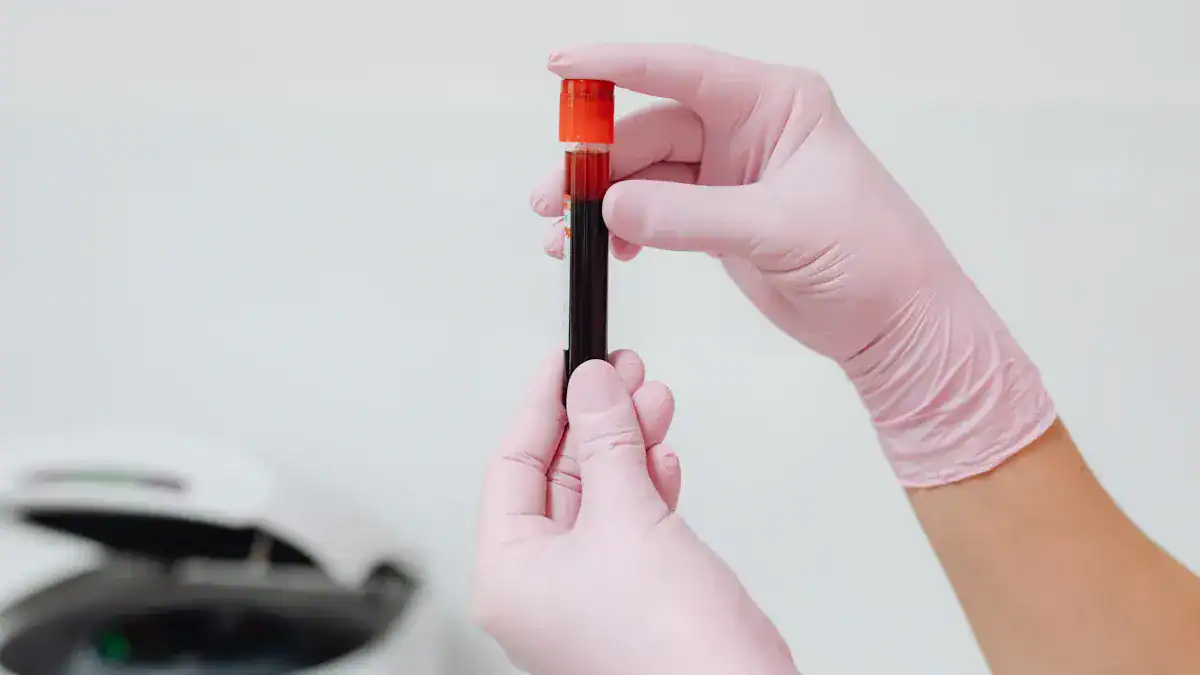
When you see blood in your catheter, you need to take action. This section provides clear steps. It starts with what you should do immediately. Then, it covers when to call your doctor. You will also learn about diagnostic tests and treatment options. Finally, you will find tips to prevent future issues.
Immediate Assessment and Observation
When you see blood in your catheter, you need to act. First, stay calm. Then, carefully observe the situation. Look for specific signs. You should check for the presence of blood clots or debris within the catheter tube. Also, note any blood in the urine.
Caregivers should monitor the patient for signs of infection or complications, including hematuria. Any significant changes, discomfort, or signs of potential infection need reporting to a healthcare provider promptly. Document these signs. This includes routine care activities and observations. This ensures effective clinical management and timely intervention. This initial assessment helps your doctor understand the problem.
When to Contact Your Healthcare Provider
You must know when to call your doctor right away. Certain symptoms demand immediate medical attention. Contact your healthcare provider if your urine has changed color, is very cloudy, or looks bloody. You should also call if large blood clots are present in the urine. Report significant bleeding from the catheter or the insertion site.
A complete absence of urine drainage or a blockage that won’t clear up also requires urgent attention. Watch for signs of a UTI, such as fever, chills, cloudy or foul-smelling urine, or severe pain. Sudden, severe pain in your belly or back is another red flag. Also, look for any signs of a serious infection (sepsis). These include new confusion, extreme weakness, or very low blood pressure. These symptoms mean you need help quickly.
Diagnostic Procedures for Hematuria
Your doctor will need to find the cause of your hematuria. They follow a specific diagnostic pathway. If they suspect a Catheter-Related Bloodstream Infection (C-RBSI), they will use a technique called differential time to positivity (DTTP).
This confirms the infection before removing the catheter. This technique involves collecting blood cultures. They take samples from all catheter lumens and from a peripheral vein at the same time.
An automated system then determines microbial growth. A C-RBSI is confirmed if there is a 120-minute difference in the time to positivity. This difference is between blood from the catheter and blood from the peripheral vein. A higher microbial load in blood from the catheter means faster growth detection. This shows the catheter is the source of infection. Other tests for hematuria might include urine analysis, imaging scans, or cystoscopy.
Treatment and Management Options
Treatment for hematuria depends on its cause. Your doctor will create a plan for you. If a UTI causes your hematuria, you will receive antibiotics.
If catheter trauma is the issue, your doctor might adjust the catheter or replace it. For blood clots causing blockages, your doctor may flush the catheter. They might also use medications to help dissolve clots. In more serious cases, like kidney stones or tumors, you might need other procedures. Always follow your doctor’s advice. Do not try to treat hematuria yourself.
Prevention Tips for Catheter Users
You can take steps to prevent hematuria. Proper care for your catheter is very important. Always keep the area around your catheter clean. Wash your hands before and after touching your catheter.
Ensure the tubing is not kinked. This allows urine to flow freely. Drink plenty of fluids. This helps flush your urinary system. Research has looked at rapid and gradual bladder decompression during urinary catheterization.
It found no significant difference in preventing hematuria between these methods. Both techniques showed hematuria and hypotension as main complications. So, gradual bladder emptying does not prevent hematuria better than rapid emptying. Always discuss any concerns about your urinary device with your healthcare provider.
Seeing blood in catheter always requires medical evaluation. This symptom can signal minor irritations or more serious underlying conditions. Do not try to diagnose yourself. Contact your healthcare provider promptly for an accurate diagnosis and proper treatment. Proactive management and following medical advice are crucial for your safety and well-being. With proper care, many causes are treatable.