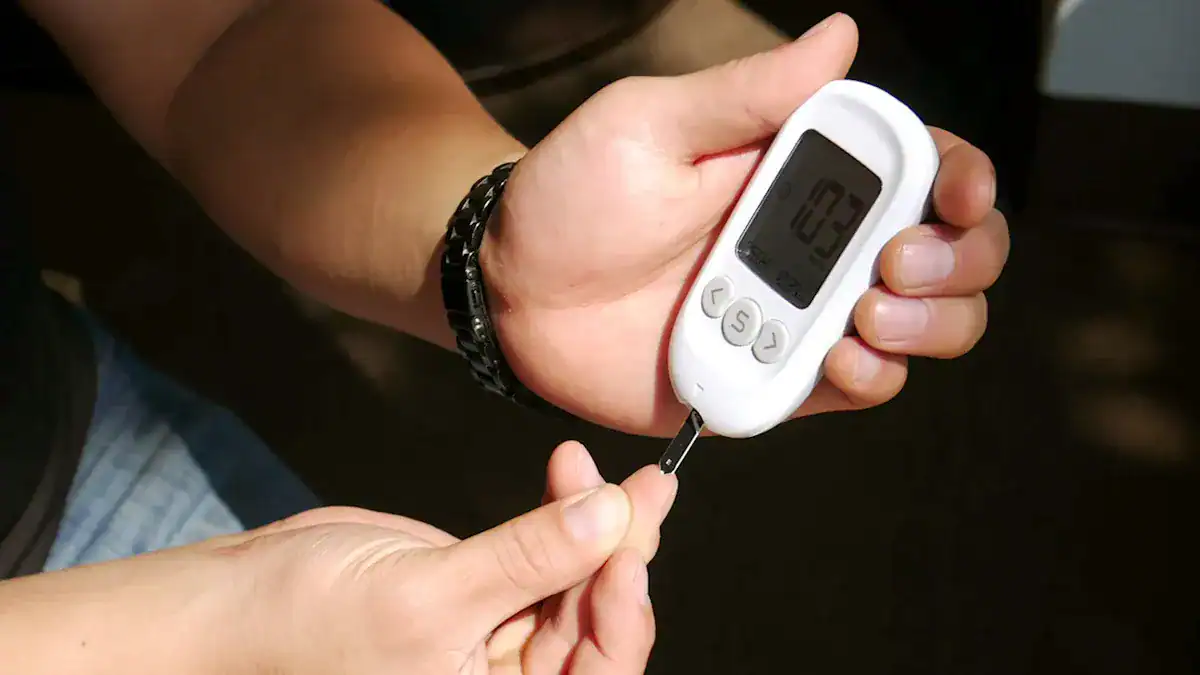
Your normal fasting blood sugar range is 70-99 mg/dL (3.9-5.5 mmol/L). Monitoring your Blood Sugar When I Wake Up is crucial for understanding your metabolic health. This reading can signal potential issues like prediabetes or diabetes. Over half of all U.S. adults, 52.7%, actually have either prediabetes or diabetes. Consistently high morning levels can elevate your A1C, increasing your risk for heart disease, retinopathy, and nerve damage. Various physiological and lifestyle factors influence these morning readings.
Key Takeaways
Your normal blood sugar when you wake up is 70-99 mg/dL. This shows your body handles sugar well.
High morning blood sugar can be due to natural body changes like the dawn phenomenon or a rebound effect called the Somogyi effect. What you eat and how you sleep also matter.
Low morning blood sugar can happen if you take too much medicine, drink alcohol before bed, or do not eat enough the night before.
You can manage your morning blood sugar by eating healthy, exercising, and getting good sleep. Check your blood sugar regularly to understand your body.
Talk to your doctor if your blood sugar is often too high or too low. They can help you adjust your plan and keep you healthy.
Normal Morning Glucose Levels
Defining Fasting Blood Sugar
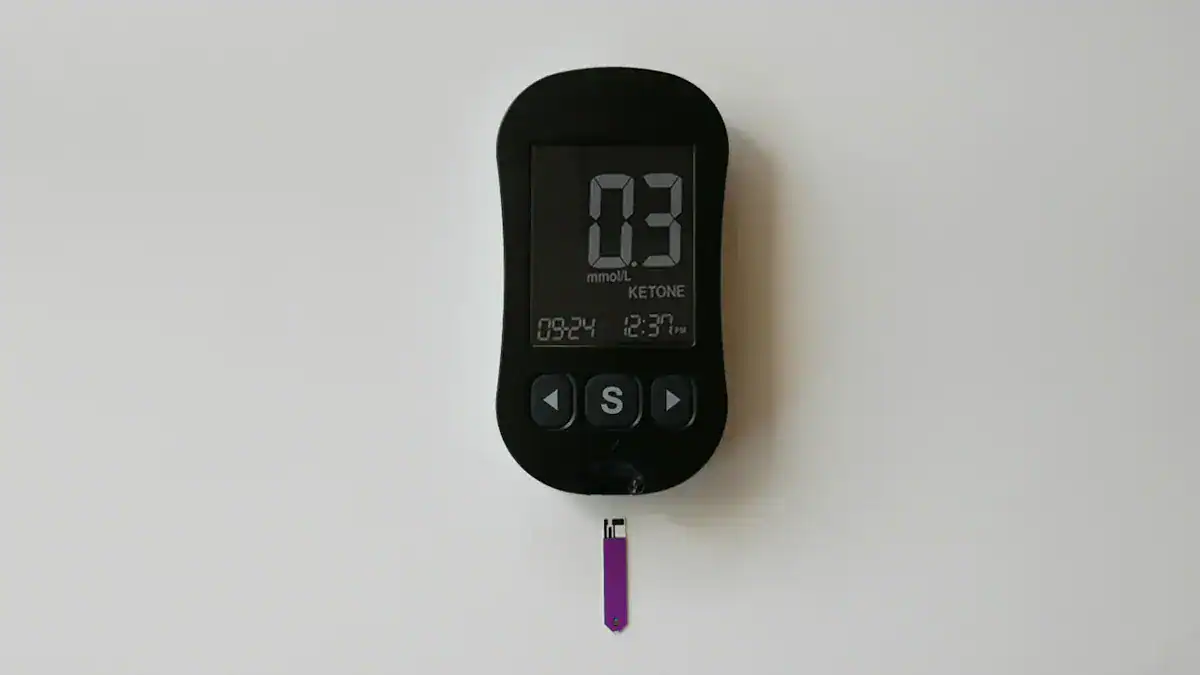
You might wonder what “fasting blood sugar” truly means. A fasting blood sugar test measures the amount of sugar, or glucose, in your blood. Doctors take this measurement when your blood sugar levels are at their lowest. This low level happens after you have not eaten or drunk anything (except water) for a specific time, usually eight to twelve hours.
This test is also known as a fasting blood glucose test. Doctors commonly use this test to check for conditions like prediabetes, diabetes, or gestational diabetes. Understanding your fasting blood sugar helps you know your body’s baseline.
Healthy Adult Ranges
For healthy adults, your morning glucose levels should fall within a specific range. Optimal fasting glucose levels are generally between 72-85 mg/dL. If your fasting blood sugar is lower than 99 mg/dL after an overnight fast, you are typically in a healthy range.
These numbers show that your body effectively manages the sugar in your blood without needing extra help. Keeping your morning glucose levels in this healthy zone is a good sign for your overall metabolic health.
Target Ranges for Diabetes Management
If you manage diabetes, your target morning glucose levels before breakfast are different. Your goal is usually between 70-130 mg/dL. This range helps you keep your blood sugar stable throughout the day and prevents complications.
Your doctor will help you find the best target range for your specific needs. Regularly checking your blood glucose levels helps you and your healthcare team adjust your treatment plan. This ensures your average blood glucose stays within a safe and healthy range.
Why Blood Sugar When I Wake Up Fluctuates
Your blood sugar levels do not stay perfectly steady overnight. They naturally fluctuate. Several factors can cause these changes in your morning glucose levels. Understanding these fluctuations helps you manage your health better.
The Dawn Phenomenon
The dawn phenomenon is a common reason for high morning glucose levels. This natural process typically occurs between 4 a.m. and 8 a.m. During this time, your body releases hormones like cortisol and growth hormone. These hormones tell your liver to produce more glucose.
This provides energy to help you wake up. If you do not have diabetes, your pancreas releases enough insulin to handle this extra glucose. However, if you have diabetes, your pancreas might not produce enough insulin, or your body might resist insulin. This leads to elevated morning highs. Growth hormone release during deep sleep increases insulin resistance. Cortisol levels also peak in the early morning. This promotes glucose production.
Understanding the Somogyi Effect
The somogyi effect is another cause of morning highs. This happens when your blood sugar drops too low overnight, often due to too much insulin or medication. Your body then reacts by releasing stress hormones.
These hormones include glucagon, epinephrine (adrenaline), cortisol, and growth hormone. They signal your liver to release stored glucose. This causes a rebound high in your blood sugar by morning. This is your body’s way of preventing a severe low. However, it can result in unexpectedly high blood sugar when I wake up.
Hormonal Influences on Morning Levels
Hormones play a big role in your morning glucose levels. Your body’s internal clock, called circadian rhythms, influences insulin sensitivity and glucose metabolism. Growth hormone and cortisol are key players.
Growth hormone increases blood sugar between 3 a.m. and 8 a.m. Cortisol naturally rises in the morning to help you wake up. It also causes your liver to release glucose. Elevated cortisol levels can inhibit insulin secretion and cause insulin resistance for several hours. This contributes to higher blood sugar. These hormonal actions are normal, but they can lead to morning highs if your body does not manage glucose effectively.
Causes of High Morning Blood Glucose
Several factors can cause high morning blood glucose. Understanding these causes helps you take steps to manage your health.
Prediabetes and Diabetes Indicators
Your fasting blood sugar levels can indicate prediabetes or diabetes. A fasting blood glucose level between 100 and 125 mg/dL shows prediabetes.
The American Diabetes Association (ADA) uses this range to define the condition. If your fasting blood sugar level is 126 mg/dL or higher, you may have Type 2 diabetes. Doctors confirm this diagnosis with two separate tests. These elevated numbers mean your body struggles to control blood sugar overnight, leading to high morning blood glucose.
Waning Insulin Effects
Insulin helps your body use glucose for energy. Its effects can decrease overnight. If your body does not produce enough insulin, or if your cells become resistant to it, glucose builds up in your bloodstream.
This leads to high blood sugar when you wake up. This waning effect of insulin contributes to morning highs, especially if your body cannot keep up with the natural glucose production during the night.
Dietary Choices and Evening Meals
What you eat in the evening significantly impacts your morning glucose levels. Evening meals often cause more pronounced glucose spikes than morning meals. High-carbohydrate meals, especially when eaten in the evening, lead to higher and delayed glucose peaks. Your body’s insulin sensitivity is lower at night. This means your body processes sugar less efficiently after an evening meal. This can result in high morning blood glucose.
Stress and Sleep Impact
Stress and poor sleep also affect your blood sugar. When you are stressed, your body releases hormones that can raise your blood glucose levels. If you do not sleep well, you may experience higher postprandial glucose responses the next morning. Deviations from your usual sleep pattern are linked to poorer blood glucose control. This means insufficient sleep can contribute to morning highs.
Causes of Low Morning Blood Sugar
Sometimes, you might wake up with blood sugar levels that are too low. This condition is called hypoglycemia. Several factors can cause your morning glucose to drop below the healthy range.
Medication Side Effects
Certain medications you take for diabetes can cause low blood sugar in the morning. If you experience morning hypoglycemia, you must talk to your doctor. You can discuss potential adjustments to your medication dosage. Your doctor might also suggest dietary changes to help supplement your glucose levels.
Excessive Insulin or Hypoglycemic Agents
Taking too much insulin or other medications that lower blood sugar can lead to morning lows. Your body receives more insulin than it needs to process the available glucose. This causes your blood sugar to drop significantly. Too much insulin entering your system can happen in several ways.
You might misread syringes or vials. You could use the wrong type of insulin. Taking insulin without eating a meal is another common cause. Injecting insulin into an arm or leg just before exercise can also lead to a rapid drop. Severe low blood sugar carries serious risks.
These include brain damage, convulsions, and stress cardiomyopathy syndrome. You might also experience pulmonary edema or arrhythmias like bradycardia. Signs of low blood sugar include cold sweats, trembling hands, intense anxiety, and general confusion.
Alcohol Consumption Before Bed
Drinking alcohol before you go to sleep can also lower your morning blood sugar. Your liver usually releases stored glucose to keep your blood sugar stable overnight. When you drink alcohol, your liver becomes busy processing the alcohol. This makes it less able to release glucose. As a result, your blood sugar can drop too low while you sleep.
Inadequate Evening Food Intake
Not eating enough food in the evening can cause low morning blood sugar. If your last meal is too small or too early, your body might run out of glucose stores overnight. Your body needs a steady supply of glucose to function. Without enough fuel from your evening meal, your blood sugar levels can fall below normal by the time you wake up.
Managing Your Morning Blood Sugar

You can take many steps to manage your morning blood sugar. These actions help you keep your levels healthy. They also prevent complications.
Lifestyle Adjustments for Better Control
Making changes to your daily habits can greatly improve your morning glucose levels. These are effective strategies for lowering morning glucose levels.
Dietary Choices: What you eat, especially in the evening, matters.
If you have type 2 diabetes, limit carbohydrates at breakfast. This helps reduce high blood sugar throughout the day. It also improves how much your blood sugar changes.
Choose low glycemic index (GI) meals in the morning. These meals improve your blood sugar response.
Pay attention to your last meal of the day. This meal strongly affects your fasting glucose levels the next morning. Reduce saturated fat and sugar in your dinner. This improves your glucose response.
Avoid too many carbohydrates in your evening meal. Eating later in the evening also makes glucose regulation harder.
Physical Activity: Exercise is a powerful tool.
Choose moderate-intensity aerobic workouts. You can also do circuit weight training with light weights and many repetitions. This helps avoid blood sugar spikes.
Consider when you exercise. If you usually work out early, try moving it to later in the day. Blood sugar naturally rises between 4:00 and 8:00 AM. This can lead to higher levels during morning exercise.
Mild to moderate activity after meals helps limit blood sugar spikes. This is good for prediabetes and type 2 diabetes.
Morning exercise in a fasted state can improve overall 24-hour glucose levels if you have type 2 diabetes. It helps your body use stored energy and improves insulin sensitivity.
If you have type 1 diabetes, fasted morning endurance exercise lowers your risk of low blood sugar during exercise. It also helps keep your blood sugar in a healthy range longer.
Vigorous afternoon exercise can lead to better blood sugar control. It can lower your blood sugar overnight and the next day if you have type 2 diabetes. This happens because it makes your body more sensitive to insulin.
Stress and Sleep: Manage stress and get enough sleep. Both impact your morning glucose levels.
Importance of Regular Monitoring
Regular glucose monitoring helps you understand your body. It shows you how different foods and activities affect your blood sugar. This knowledge empowers you to manage morning glucose levels effectively.
Fasting Blood Glucose: Always check your morning fasting blood glucose. This is a key measurement. Your blood sugar naturally changes throughout the day.
Frequency: If you have type 1 diabetes and use intensive insulin, check your blood sugar often. Test before meals, at bedtime, and sometimes after meals or before exercise. You might need to test 6 to 10 times daily. Your doctor will help you find the right schedule.
Basal Insulin: If you adjust your basal insulin, closely monitor your morning glucose.
Continuous Glucose Monitoring (CGM): CGM devices give you real-time data. They help you track morning glucose trends. You can identify patterns like the dawn phenomenon with CGM.
When to Seek Professional Medical Advice
You must know when to get help. Certain symptoms or blood sugar readings need immediate medical attention.
Severe Hypoglycemia: This is very low blood sugar. It is life-threatening. You need immediate medical treatment. Untreated severe low blood sugar can lead to coma or death.
High Blood Sugar (Hyperglycemia): Seek emergency care if you have high blood sugar with these symptoms:
Constant vomiting
Severe dehydration
Confusion
Fruity breath
Extreme weakness
Low Blood Sugar (Hypoglycemia): Seek emergency care if you have low blood sugar with these symptoms:
Confusion
Loss of consciousness
Seizures
Inability to swallow
Very High Readings: Get immediate medical attention if your blood sugar stays above 300 mg/dL. This is especially true if you also feel nauseous, vomit, feel dizzy, or are confused. These could be signs of diabetic ketoacidosis (DKA). DKA is a serious condition.
Other Warning Signs: Do not ignore other serious symptoms. These include high blood pressure, chest pain, or abnormal heart rhythms. Redness, swelling, or warmth in your legs also needs immediate emergency room attention.
If you consistently experience morning highs or lows, talk to your doctor. They can help you adjust your treatment plan. They can also suggest other strategies to improve your blood sugar when I wake up.
Understanding your blood sugar when I wake up is crucial for your long-term health. Consistently high morning blood glucose levels can lead to serious issues like retinopathy, nephropathy, neuropathy, and heart disease.
Physiological responses, such as hormones, and your lifestyle choices, including diet and sleep, all influence these readings. You must consistently monitor your blood glucose levels. Make informed lifestyle adjustments and seek professional medical guidance. These steps are key to maintaining healthy morning blood sugar when I wake up and preventing complications.